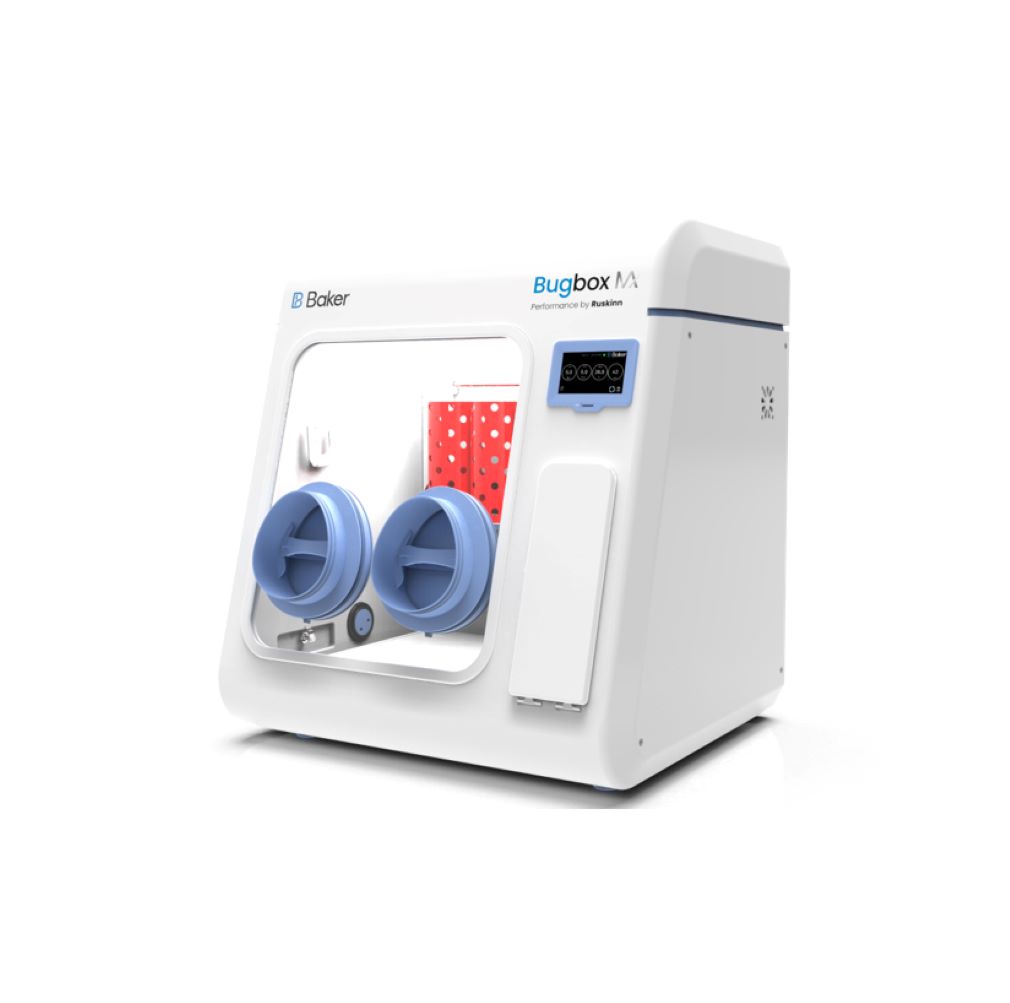
Anaerobic Workstations for Controlled, Oxygen-Free Microbiology Environments

Anaerobic workstations provide tightly controlled, oxygen-free environments for cultivating anaerobic bacteria, performing microbiome research, executing strict diagnostic workflows, and supporting pharmaceutical or clinical studies requiring true anoxia. These enclosed glovebox systems maintain stable anaerobic conditions through automated gas mixing, catalyst regeneration, humidity control, and real-time atmospheric monitoringโ€”ensuring that obligate anaerobes and oxygen-sensitive samples never experience harmful exposure during culture, plating, or manipulation.

ARES Scientific supplies high-performance anaerobic chambers designed for seamless workflow integration in microbiology, surgical research, infectious disease labs, veterinary diagnostics, and pharmaceutical development. Our systems emphasize precise gas control (typically Hโ‚‚/COโ‚‚/Nโ‚‚ blends), ergonomic glove ports, rapid atmosphere recovery after sample introduction, and customizable pass-through airlocks that allow continuous sample handling without compromising internal conditions. These workstations help labs achieve reliable colony recovery, reproducible culture quality, and full compliance with microbial handling standards.

Whether your applications involve gut microbiome studies, obligate anaerobe culture, drug susceptibility testing, or anaerobic fermentation research, our anaerobic workstation solutions support stable, repeatable, low-oxygen environments with minimal user intervention. From compact bench-top anaerobic chambers to large multi-user systems, we help you match the correct size, configuration, and gas-control features to your facilityโ€™s workflow and throughput requirements.

Key Selection Factors for Anaerobic Workstations

  • Atmosphere Precision & Gas Control: Ensure the workstation maintains true anaerobic conditions (0โ€“5 ppm Oโ‚‚) with automated gas mixing, catalyst regeneration, and oxygen monitoring.
  • Pass-Through Airlocks: Look for airlocks that minimize oxygen exposure during sample transfer and provide fast recovery times.
  • Internal Workspace Size: Consider culture volume, equipment footprint, and the number of simultaneous users to select the right chamber dimensions.
  • Humidity & Temperature Regulation: Stable environmental control prevents plate desiccation, culture stress, and inconsistent anaerobe growth.
  • User Ergonomics: Opt for angled windows, comfortable glove ports, adjustable stands, and layouts that support long procedures.
  • Monitoring & Alarms: Choose systems with real-time tracking of oxygen, humidity, temperature, and gas flow, including alarm notifications for deviations.

Frequently Asked Questions About Anaerobic Workstations

What is an anaerobic workstation?

An anaerobic workstation is a sealed, controlled glovebox chamber that maintains an oxygen-free atmosphere for the handling, culture, and analysis of anaerobic microorganisms. It provides a more reliable and stable environment than traditional anaerobic jars or bags.

What gases are typically used to maintain anaerobic conditions?

Most systems use pre-mixed gas blends containing hydrogen, nitrogen, and carbon dioxide. Hydrogen reacts with trace oxygen over a catalyst to maintain a stable, oxygen-free environment suitable for obligate anaerobes.

How do samples enter the chamber without introducing oxygen?

Samples are placed into a pass-through airlock, which is then evacuated and flushed with the anaerobic gas mix before allowing entry into the main chamber. This prevents ambient air from compromising the internal atmosphere.

What applications require an anaerobic workstation?

These systems are essential for microbiome research, gastrointestinal microbiology, infectious disease studies, anaerobic pathogen culture, fermentation research, and pharmaceutical microbial testing.

How do I choose the right size anaerobic workstation?

Consider your routine culture volume, number of technicians using the chamber, storage needs for plates and media, and equipment that must operate inside the enclosure. Larger models support multi-user workflows and extended experiments.

Do anaerobic workstations require ongoing maintenance?

Yes. Regular maintenance includes catalyst replacement or regeneration, filter checks, glove integrity checks, and calibration of oxygen and humidity sensors to ensure long-term reliability.