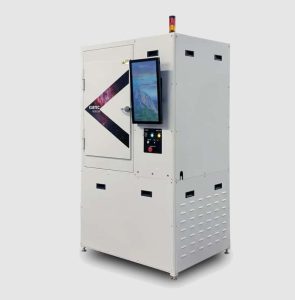
X-Ray and Irradiation Systems for Research, Diagnostics, and Material Testing
X-ray and irradiation systems are specialized imaging and radiation delivery equipment essential for preclinical research, diagnostic pathology, blood banking, and materials science applications. These systems range from cabinet x-ray units providing high-resolution specimen imaging to precision irradiators delivering controlled radiation doses for biological research, blood product treatment, and material testing. Modern x-ray and irradiation equipment offers safer, more controlled alternatives to legacy radioactive isotope sources while providing superior dosimetry accuracy, digital imaging capabilities, and regulatory compliance advantages that streamline facility operations and reduce long-term liability.
ARES Scientific offers a comprehensive selection of x-ray and irradiation systems from leading manufacturers including Kubtec, Rad Source, and other industry-trusted brands. Our product range includes cabinet x-ray systems for specimen imaging, x-ray irradiators for research applications, and specialized configurations for blood irradiation, small animal imaging, and pathology specimen radiography. Each system is engineered to meet FDA, NRC, and state regulatory requirements while delivering exceptional image quality, precise dose control, and operator safety features that protect personnel and comply with ALARA (As Low As Reasonably Achievable) radiation safety principles.
Common Applications and Use Cases
X-ray and irradiation systems serve critical functions across research, clinical, and industrial environments:
- Preclinical Small Animal Research: High-resolution radiographic imaging of rodents, zebrafish, and other laboratory animals for bone density studies, tumor progression monitoring, skeletal phenotyping, and cardiovascular research without sacrifice
- Anatomical Pathology and Specimen Imaging: Digital radiography of surgical specimens, breast tissue samples, and biopsy cores to guide sectioning and identify calcifications, masses, or foreign objects. Essential for breast cancer diagnostics in pathology laboratories
- Blood Bank Irradiation: Prevention of transfusion-associated graft-versus-host disease (TA-GVHD) through controlled irradiation of blood products, platelets, and cellular components at 25-50 Gy doses meeting AABB standards
- Cell Biology and Radiation Research: Precise dose delivery to cell cultures, tissues, and organisms for studying radiation effects, DNA damage responses, cancer radiobiology, and radiation countermeasure development
- Material Science and Quality Control: Non-destructive testing of composite materials, electronics assemblies, welds, castings, and manufactured components detecting internal defects and verifying structural integrity
- Forensic Analysis: Examination of evidence including firearms, recovered projectiles, archaeological specimens, and questioned documents requiring internal structure visualization without destruction
- Entomology and Invasive Species Control: Sterile insect technique programs requiring precise irradiation doses to sterilize insects for biological pest control while maintaining mating competitiveness
- Food Science and Agriculture: Seed irradiation studies, food preservation research, and dose-response studies examining radiation effects on agricultural products and pathogens
Types of X-Ray and Irradiation Systems
Selecting the appropriate system configuration depends on your specific application, throughput requirements, regulatory environment, and facility infrastructure.
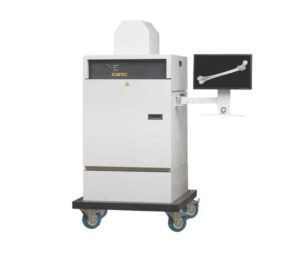
Cabinet X-Ray Systems provide self-contained radiation shielding allowing installation in standard laboratory spaces without requiring dedicated radiation vaults or extensive facility modifications. These systems feature lead-lined cabinets housing x-ray tubes, specimen positioning stages, and digital detectors that produce high-resolution radiographic images. Cabinet x-rays excel at specimen imaging applications including pathology specimen radiography, small animal skeletal imaging, and material inspection. Modern systems incorporate digital flat-panel detectors or CMOS sensors providing immediate image display with superior resolution (25-100 micron pixel sizes) compared to film radiography. Advanced features include motorized specimen rotation for multi-angle views, magnification modes, and DICOM connectivity for integration with picture archiving and communication systems (PACS). Installation requires standard electrical service and minimal space—most units fit on laboratory benches or mobile carts. Our comprehensive guide on mobile x-ray cabinets for pathology provides detailed selection criteria for specimen imaging applications.
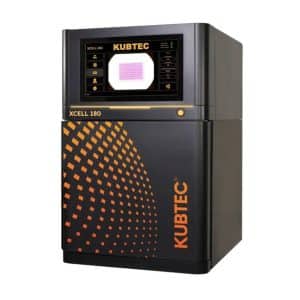
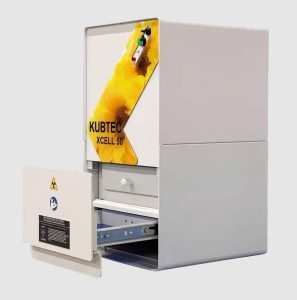
X-Ray Irradiators deliver precise radiation doses to biological specimens, cell cultures, blood products, and materials using x-ray tube technology rather than radioactive isotopes. These systems represent the modern replacement for legacy Cesium-137 and Cobalt-60 irradiators, eliminating radioactive source security concerns, disposal costs, and special licensing requirements while providing superior dose uniformity and control. X-ray irradiators feature programmable dose delivery from milligrays to hundreds of grays with exceptional accuracy (±5% uniformity across target volume), making them ideal for radiation biology research, blood bank applications, and quality control irradiation. Systems range from benchtop units with 1-2 liter irradiation chambers suitable for cell culture plates and small samples, to floor-standing models accommodating multiple blood bags, small animals, or large sample volumes. Key advantages include no radioactive decay requiring dose rate recalculation, instant on/off capability eliminating warm-up delays, and elimination of source replacement costs every 10-15 years. For facilities currently using isotope sources, our detailed guide on transitioning from Cesium to x-ray irradiators addresses regulatory, safety, and operational considerations.
Blood Irradiators are purpose-built systems specifically designed and validated for preventing transfusion-associated graft-versus-host disease (TA-GVHD) by delivering prescribed doses (typically 25 Gy minimum, 50 Gy maximum) to blood products, platelets, and cellular components. These FDA-regulated medical devices must demonstrate dose uniformity meeting AABB standards across all portions of blood bags regardless of position within the irradiation chamber. Modern x-ray blood irradiators offer significant advantages over legacy Cesium-137 systems including elimination of radioactive source security requirements mandated by NRC after 2005, no source decay necessitating exposure time adjustments, reduced regulatory oversight and inspection frequency, and elimination of expensive source replacement costs. Blood bank irradiators accommodate multiple standard blood bags (typically 4-6 units simultaneously) with automated dose delivery, integrated blood bag positioning fixtures, and comprehensive documentation systems recording all irradiation parameters for regulatory compliance and quality assurance.
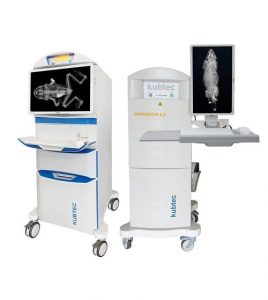
Small Animal Imaging Systems combine x-ray imaging with specimen positioning platforms optimized for rodent and small animal radiography. These systems feature low-dose exposure protocols minimizing radiation while maintaining diagnostic image quality, heated specimen platforms maintaining physiological temperature during imaging, anesthesia delivery ports for isoflurane administration, and positioning aids ensuring reproducible anatomical alignment across longitudinal studies. Advanced research systems include cone-beam computed tomography (CBCT) capabilities providing three-dimensional reconstructions from multiple projection images, enabling volumetric analysis of tumors, bone architecture, and internal organ systems without sacrifice. Integration with vivarium management systems streamlines animal tracking and data management.
Specialty Irradiation Configurations address unique application requirements. Large-capacity agricultural irradiators accommodate bulk seed samples, insect containers, or crop products. Micro-irradiators deliver focused radiation to specific cell culture wells or tissue regions with collimated beams. Combination imaging-irradiation systems enable image-guided radiation delivery where specimens are first imaged to identify targets, then precisely irradiated based on anatomical landmarks—essential for targeted tumor irradiation studies and advanced radiobiology research.
How to Choose the Right X-Ray or Irradiation System
Selecting optimal x-ray or irradiation equipment requires comprehensive evaluation of application needs, regulatory requirements, and facility capabilities:
- Primary Application Requirements: Define whether you need imaging only, irradiation only, or combined capabilities. Imaging applications require high-resolution detectors and specimen positioning flexibility. Irradiation applications demand precise dosimetry, uniform dose distribution, and appropriate chamber volumes. Specify specimen types, sizes, and throughput requirements
- Dose Rate and Energy Requirements: For irradiators, determine required dose rates (Gy/min) based on throughput needs and sample sensitivity. Higher dose rates (2-5+ Gy/min) enable faster processing but may cause heating in some biological samples. X-ray tube energy (kVp) should match application—lower energies (20-40 kVp) provide superior soft tissue contrast for small animal imaging; higher energies (50-160 kVp) penetrate denser materials and larger specimens
- Dose Uniformity and Accuracy: Biological research and blood bank applications require tight dose uniformity across the entire irradiation volume. Specify acceptable variation limits (typically ±5-10%). Systems should include comprehensive dosimetry documentation and validation protocols. FDA-regulated blood irradiators require demonstration of dose uniformity meeting AABB Technical Manual specifications
- Imaging Resolution and Detector Technology: For cabinet x-rays, specify minimum spatial resolution requirements based on your smallest features of interest. Flat-panel detectors provide 50-100 micron resolution suitable for most pathology and small animal applications. CMOS detectors offer higher resolution (10-50 microns) for microradiography applications. Consider field of view size to accommodate your largest specimens without multiple exposures
- Sample Capacity and Throughput: Calculate daily specimen or irradiation volumes. Blood banks typically require 4-6 unit capacity with 5-10 minute irradiation times. Research facilities may need flexibility for varied sample types. Batch processing capabilities and automation features significantly impact operational efficiency in high-throughput environments
- Regulatory and Licensing Requirements: X-ray systems require state registration and compliance with radiation safety regulations but avoid the extensive NRC licensing, security requirements, and source accountability mandated for radioactive isotope sources. Verify equipment meets FDA performance standards for cabinet x-ray systems (21 CFR 1020.40). Blood irradiators must comply with additional FDA medical device regulations
- Safety Features and Radiation Protection: Evaluate interlocked shielding preventing exposure during operation, dosimeters and radiation monitors providing exposure documentation, fail-safe controls preventing accidental activation, and emergency shut-off systems. Cabinet systems should feature lead equivalency adequate for tube energy and current specifications (typically 2-3mm Pb equivalent)
- Facility Integration and Space Requirements: Measure available floor or bench space including access for sample loading and service. Verify electrical requirements (typically 110-240V, 15-30 amps depending on system). Cabinet x-rays require minimal facility modifications; larger irradiators may benefit from dedicated rooms with controlled access and radiation warning signage
- Data Management and Connectivity: For imaging systems, specify DICOM connectivity for PACS integration, USB or network file transfer capabilities, and compatibility with image analysis software. Irradiators should provide electronic dose records, calibration data logging, and export capabilities supporting GLP/GMP documentation requirements
- Long-Term Operating Costs: Compare total cost of ownership including purchase price, installation, annual maintenance, tube replacement schedules, and regulatory compliance costs. X-ray systems eliminate radioactive source replacement costs (typically $50,000-$150,000 every 10-15 years for Cesium sources) and reduce insurance premiums associated with radioactive material possession
Our imaging and radiation equipment specialists conduct application consultations ensuring optimal system configuration for your specific needs. We also provide complementary equipment including anesthesia systems for animal imaging and pathology equipment for specimen processing workflows.
Key Features to Compare Across X-Ray and Irradiator Models
When evaluating systems from different manufacturers, focus on these critical performance and operational characteristics:
- Dosimetry Precision and Calibration: Irradiators should include NIST-traceable dosimetry with documented calibration protocols. Look for systems with automatic dose delivery monitoring, beam monitoring systems verifying output consistency, and calibration stability maintaining accuracy between annual certifications. Dose deviation should be <5% from set point
- Image Quality Metrics: For x-ray imaging, evaluate spatial resolution (line pairs/mm), contrast resolution (ability to differentiate similar densities), signal-to-noise ratio, and dynamic range. Request sample images of specimens similar to your applications. Compare image acquisition times—faster detectors enable higher throughput and reduced animal anesthesia duration
- Dose Uniformity and Geometry: Examine dose distribution data throughout the irradiation chamber. Systems using rotating sample holders or multiple x-ray tube positions achieve superior uniformity compared to static single-source designs. Request 3D dose mapping data for your sample volumes. Non-uniform dose delivery compromises experimental reproducibility
- X-Ray Tube Specifications: Compare tube voltage ranges (kVp), maximum current (mA), focal spot sizes, and tube lifespan ratings. Fixed-anode tubes in cabinet systems typically last 3,000-10,000 hours. Rotating anode tubes in high-power irradiators provide extended life (10,000+ hours) but cost more to replace. Verify replacement tube availability and costs
- Sample Chamber Design: Evaluate chamber volume, access door size, internal dimensions, and loading convenience. Temperature control capabilities are critical for biological samples—uncontrolled heating during irradiation affects results. Motorized positioning and rotation improve workflow efficiency. Chamber materials should minimize scatter radiation
- User Interface and Control Systems: Intuitive touchscreen interfaces reduce training requirements. Pre-programmed protocols for common applications (blood irradiation, cell culture plates, small animals) streamline operations. Password-protected user accounts maintain audit trails. Remote monitoring capabilities enable notification of cycle completion
- Safety Interlocks and Monitoring: Multiple redundant interlocks preventing exposure during door opening, beam-on indicators visible to all personnel, area radiation monitors providing real-time exposure measurements, and automatic shut-off on interlock activation or system fault. FDA-compliant cabinet x-rays must meet specific interlock and labeling requirements
- Shielding and Leakage Specifications: Verify measured leakage radiation levels at all accessible surfaces meet regulatory limits (<0.5 mR/hr at 5cm from cabinet surfaces for FDA-regulated x-ray cabinets). Lead equivalency specifications should be documented with third-party verification. Proper shielding eliminates need for dedicated radiation vaults
- Maintenance Requirements and Serviceability: Understand annual preventive maintenance needs, calibration frequency, tube replacement procedures, and service accessibility. Systems with externally accessible tubes and minimal disassembly requirements reduce service downtime. Extended service contracts including tube replacement can stabilize long-term operating costs
- Documentation and Compliance: FDA-regulated devices should include comprehensive validation documentation, dose uniformity studies, safety testing data, and instructions for use. Systems should facilitate record-keeping supporting 21 CFR Part 11 compliance where applicable. Electronic logs simplify regulatory inspections and quality audits
- Expandability and Upgrades: Consider systems with upgrade paths for enhanced capabilities. Some cabinet x-rays can add computed tomography modules. Irradiators may accommodate larger chambers or additional features. Firmware updates should be available to incorporate regulatory or functional improvements
Premium systems incorporate advanced features like real-time dose monitoring with automatic exposure termination at target dose, multi-position automated sample changers for unattended overnight operation, and integrated environmental chambers enabling irradiation under controlled temperature and atmosphere conditions.
Maintenance and Best Practices for X-Ray and Irradiation Systems
Regular maintenance ensures consistent performance, regulatory compliance, and operator safety:
- Daily Operational Checks: Verify proper system startup and self-test sequences. Inspect door seals and interlocks for proper function—never operate with bypassed safety features. Check radiation indicator lights illuminate during operation. For irradiators, verify dose delivery logs match programmed values. Clean specimen chamber and positioning fixtures
- Weekly Inspection and Cleaning: Clean x-ray cabinet interior and detector surfaces using manufacturer-approved materials. Inspect cables and connections for damage or wear. For imaging systems, acquire quality control images using standardized phantoms verifying resolution and contrast consistency. Document any image quality degradation
- Monthly Performance Testing: For irradiators, perform dose verification using calibrated dosimeters (thermoluminescent dosimeters, radiochromic film, or ion chambers) at multiple chamber positions. Compare results to baseline calibration data—deviations >5% require investigation and possible recalibration. Test all safety interlocks and emergency stops. Verify beam-on timers accurate within manufacturer specifications
- Quarterly Preventive Maintenance: Inspect x-ray tube for signs of deterioration including unusual sounds, erratic output, or visible damage. Check cooling system operation and fluid levels. Test backup power supplies and battery systems where equipped. Verify software and firmware versions current. Review maintenance logs and trend performance data
- Annual Calibration and Compliance Testing: Conduct comprehensive dosimetry calibration by qualified medical physicists or health physicists using NIST-traceable standards. Perform complete dose mapping throughout the irradiation chamber documenting uniformity. For cabinet x-rays, measure leakage radiation at all accessible surfaces verifying regulatory compliance. Update radiation safety survey documentation and facility licenses. Replace worn or damaged components proactively
- X-Ray Tube Replacement Planning: Monitor tube usage hours and output stability. Declining output, increased exposure times, or image quality degradation indicate tube aging. Budget for tube replacement based on manufacturer lifespan ratings—typically 3,000-10,000 hours depending on design. Keep replacement tubes in stock for critical applications to minimize downtime
- Detector Care (Imaging Systems): Flat-panel and CMOS detectors require gentle handling—avoid impacts and excessive pressure. Clean only with manufacturer-specified solutions. Perform periodic dark current correction and flat-field calibration. Monitor for pixel defects or artifacts indicating detector damage. Detector replacement costs $10,000-$50,000+ making careful handling essential
- Radiation Safety Program Integration: Maintain personnel dosimetry records for all operators using ring badges or whole-body dosimeters as appropriate. Conduct annual radiation safety training covering ALARA principles, emergency procedures, and regulatory requirements. Post current radiation safety surveys and operating procedures. Ensure radiation safety officer reviews all system modifications
- Comprehensive Documentation: Maintain detailed records including daily usage logs with sample types and doses delivered, quality control testing results with trending analysis, calibration certificates and dosimetry reports, maintenance activities and component replacements, radiation safety surveys and license documents, and operator training completion certificates. Organized records facilitate regulatory inspections and demonstrate compliance
- Emergency Preparedness: Develop and practice emergency response procedures for scenarios including door interlock failure during operation, fire or natural disaster with systems potentially damaged, and suspected overexposure incidents. Maintain emergency contact information for radiation safety officers, service technicians, and regulatory agencies. X-ray systems eliminate many emergency scenarios associated with radioactive sources (source rupture, fire involving radioactive materials)
For facilities transitioning from isotope irradiators, decommissioning legacy Cesium or Cobalt sources involves specialized contractors, NRC or state regulatory approval, and proper disposal—often costing $50,000-$200,000+. Our team can coordinate turnkey transitions including source removal, facility decontamination, and x-ray system installation.
Frequently Asked Questions
What are the advantages of x-ray irradiators over Cesium-137 or Cobalt-60 sources?
X-ray irradiators offer substantial advantages making them the preferred choice for modern research and clinical facilities. Security and regulatory benefits include elimination of radioactive material security requirements mandated by NRC for Category 1 and 2 sources after 2005, significantly reduced licensing complexity and inspection frequency, no special nuclear material accountability requirements, and elimination of concerns about radioactive source theft or use in radiological dispersal devices. Operational advantages include constant dose rate eliminating need for decay corrections (Cesium-137 half-life of 30 years requires increasing exposure times as source ages), instant on/off capability providing immediate use without warm-up delays, superior dose uniformity through multiple beam geometries impossible with fixed isotope sources, and programmable dose delivery with electronic verification. Financial benefits include elimination of source replacement costs ($50,000-$150,000 every 10-15 years for Cesium), reduced insurance premiums (radioactive material liability coverage costs $5,000-$20,000+ annually), and elimination of eventual decommissioning costs for radioactive sources ($50,000-$200,000+ for source removal and disposal). Safety advantages include no radioactive contamination risk from source capsule failure, simpler emergency response procedures, and reduced radiation exposure to maintenance personnel. For facilities currently using isotope sources, our guide on transitioning from Cesium to x-ray irradiators provides detailed implementation planning guidance addressing regulatory approvals, source disposition, and operational conversion.
What radiation safety training and licensing is required for x-ray systems?
X-ray systems require state registration but involve substantially less regulatory burden than radioactive material licenses. Most states require facilities to register x-ray producing equipment within 30 days of installation, paying nominal annual registration fees ($50-$500 depending on state). Facilities must designate a Radiation Safety Officer (RSO) responsible for compliance oversight, though formal certification is not typically required unlike NRC radioactive material licenses. Operator training requirements vary by state but generally include understanding of radiation safety principles, ALARA concepts, equipment-specific operation procedures, emergency response protocols, and regulatory requirements. Training duration ranges from 2-8 hours and should be documented with signed training records. Personnel dosimetry (film badges or ring badges) is recommended but not universally required for cabinet x-ray operators since properly shielded systems produce negligible external exposure. Annual radiation safety surveys by qualified individuals (health physicists or radiation safety officers) verify leakage radiation levels remain below regulatory limits and document continued compliance. State inspections occur every 2-5 years typically compared to annual NRC inspections for many radioactive material licenses. Some states have minimal requirements for cabinet x-ray systems used solely for non-human specimens. Consult your state radiation control program for specific requirements—our team can assist with regulatory compliance planning during system installation.
Can x-ray irradiators deliver the same dose range as radioactive sources?
Yes, modern x-ray irradiators deliver dose ranges from milligrays to hundreds of grays matching or exceeding capabilities of legacy Cesium-137 and Cobalt-60 sources. High-power x-ray tubes with 160-320 kVp output achieve dose rates of 2-10+ Gy/minute at typical sample positions—comparable to or faster than aged Cesium sources requiring 30+ minutes for standard 25 Gy blood irradiation. For low-dose applications like cellular radiation biology research requiring precise milligray doses, x-ray systems offer superior control through programmable exposure times down to fractions of seconds, which is difficult with constantly-emitting radioactive sources requiring mechanical shutters and careful timing. Dose uniformity across the irradiation volume is actually superior in many x-ray irradiators using rotating sample holders or multiple beam geometries compared to the fixed geometry of isotope source pencils—deviations can be maintained within ±5% across the entire sample volume versus ±10-15% common with isotope sources. The primary limitation of x-ray systems compared to gamma sources is penetration depth for very large or dense samples—160 kVp x-rays have lower tissue penetration than Cesium-137 gamma rays (662 keV), though this rarely affects biological research applications. For blood bags, cell culture vessels, small animals, and material samples 500 keV) still necessitate radioactive sources, though these represent <5% of biological research irradiation needs.
How do I validate dose uniformity in an x-ray irradiator for research applications?
Dose uniformity validation requires systematic measurement throughout the irradiation volume using calibrated dosimetry systems. The standard approach involves placing multiple dosimeters (thermoluminescent dosimeters, radiochromic film, or alanine pellets) at defined positions throughout the sample chamber in three-dimensional grid patterns—typically 9-27 positions depending on chamber size and required detail. Include positions at chamber center, corners, edges, and throughout the volume your samples will occupy. Irradiate all dosimeters simultaneously to a nominal dose (typically 5-10 Gy) providing good signal-to-noise while avoiding saturation. Read dosimeters using calibrated reader systems with NIST-traceable calibration. Calculate dose at each position and determine maximum, minimum, and average doses throughout the volume. Dose uniformity is typically expressed as coefficient of variation (standard deviation / mean) or ratio of maximum to minimum dose (Dmax/Dmin). Acceptable uniformity depends on application—research applications typically target <10% coefficient of variation; blood irradiation requires Dmax/Dmin <1.25 meeting AABB standards. Document chamber loading configuration, sample types, and positioning methods used during validation. Repeat measurements after any system modifications, tube replacement, or annually for critical applications. For research laboratories following Good Laboratory Practice (GLP) guidelines, maintain comprehensive dosimetry documentation including dosimeter calibration certificates, measurement data, statistical analysis, and approved protocols. Many manufacturers provide factory dosimetry data and validation protocols simplifying in-house verification. Consider engaging qualified medical physicists or health physicists for initial validation—costs typically range $2,000-$5,000 but provide expert-level documentation supporting regulatory compliance and publication requirements.
What is the difference between cabinet x-ray systems and open x-ray imaging systems?
Cabinet x-ray systems are self-contained, self-shielded units where the x-ray tube, specimen, and detector are completely enclosed within lead-lined cabinets preventing any radiation exposure to operators or bystanders. These systems are classified as "cabinet x-ray systems" under FDA regulations (21 CFR 1020.40) and can be installed in standard laboratory spaces without requiring dedicated radiation vaults, extensive facility modifications, or special room shielding. Operators can stand immediately adjacent to cabinets during operation without exposure. Cabinet systems are ideal for specimen imaging, small animal radiography, and non-destructive testing where samples can be loaded into the enclosed chamber. Open x-ray systems (including medical diagnostic radiography, fluoroscopy, and some research micro-CT systems) operate with x-ray tubes and subjects in open rooms requiring architectural radiation shielding (lead-lined walls, leaded glass windows, shielded control rooms), strictly controlled access zones with warning signs and interlocked doors, personnel wearing lead aprons and protective equipment during operation, and extensive radiation safety protocols. Open systems require dedicated x-ray suites costing $100,000-$500,000+ for construction compared to cabinet systems installing on laboratory benches. Regulatory requirements are substantially greater for open systems including detailed facility design approval, shielding calculations by qualified experts, extensive radiation surveys, and quarterly compliance inspections. For laboratory applications where cabinet systems are feasible, they provide overwhelming advantages in installation simplicity, operating convenience, and reduced regulatory burden. Choose open systems only when specimen size or configuration prevents cabinet enclosure.
How often do x-ray tubes need replacement and what are the costs?
X-ray tube lifespan varies significantly based on tube design, power levels, duty cycle, and cooling systems. Fixed-anode tubes in lower-power cabinet x-ray systems typically last 3,000-10,000 operating hours before requiring replacement—equivalent to 5-10 years in facilities operating 2-3 hours daily. Higher-power rotating-anode tubes used in irradiators and high-throughput imaging systems may last 10,000-20,000+ hours representing 10-15 years in typical research applications. Tube failure modes include filament burnout preventing electron emission, target erosion creating artifacts or reducing output, vacuum loss causing arcing and immediate failure, and gradual output decline requiring longer exposures. Modern tubes include usage counters and automated diagnostics alerting operators to declining performance. Replacement costs range from $5,000-$15,000 for lower-power fixed-anode tubes to $15,000-$40,000+ for high-power rotating-anode tubes including labor for installation and calibration. Some manufacturers offer tube replacement service contracts bundling parts and labor for fixed annual fees ($3,000-$8,000/year) providing budget predictability and priority service. Compare tube replacement costs to radioactive source replacement—Cesium-137 sources for blood irradiators cost $50,000-$150,000 every 10-15 years making x-ray tube economics highly favorable. Plan tube replacement proactively based on usage hours and performance monitoring rather than waiting for failure—keep spare tubes in inventory for critical applications where downtime is unacceptable. When evaluating equipment purchases, request documented tube lifespan data, replacement costs, and availability—some proprietary designs have limited suppliers increasing long-term costs and vulnerability to supply disruptions.
Can x-ray systems image live animals and what safety considerations apply?
Yes, cabinet x-ray systems specifically designed for small animal imaging safely image live anesthetized rodents, zebrafish, and other laboratory species for longitudinal studies, bone density analysis, tumor monitoring, and skeletal phenotyping. Animal imaging systems incorporate several critical features ensuring animal welfare and regulatory compliance: low-dose exposure protocols optimized for diagnostic quality while minimizing radiation dose (typically <0.1 Gy per image), heated specimen platforms or warming pads maintaining physiological body temperature during imaging (critical for anesthetized animals), integrated anesthesia delivery systems with scavenging preventing environmental exposure to isoflurane or other agents, physiological monitoring capabilities (respiration, heart rate, temperature) ensuring animal stability, and reproducible positioning aids enabling serial imaging of the same animals across study timelines. Radiation doses used for imaging are substantially lower than doses affecting animal health or interfering with research endpoints—typical single radiograph delivers 6 Gy and research irradiation doses of 1-10+ Gy. Nevertheless, IACUC protocols should describe imaging frequency, expected radiation doses, and justification that imaging benefits outweigh any risks. For extremely radiosensitive experimental paradigms, validate that imaging doses do not interfere with endpoints. Position animals to minimize radiation exposure to radiosensitive organs when possible. Document all animal imaging procedures including animal IDs, dates, exposure parameters, and images in study records supporting GLP compliance and publication. Ensure animal handlers involved in positioning receive appropriate radiation safety training though external exposure from properly shielded cabinet systems is negligible. Consider pairing imaging with anesthesia systems optimized for rodent imaging. Our specialists can recommend systems configured specifically for your research species and imaging requirements.
What ongoing costs should I budget for x-ray and irradiation systems?
Beyond initial purchase price ($30,000-$200,000+ depending on system complexity), budget for these recurring costs: Annual preventive maintenance and calibration ($2,000-$8,000 depending on system complexity and service contract terms) including dosimetry verification, safety surveys, and performance testing. State registration fees ($50-$500 annually depending on jurisdiction). Personnel dosimetry if required ($100-$300 per person per year for quarterly badge services). Annual radiation safety training for operators ($500-$2,000 for external training programs or materials for in-house training). X-ray tube replacement every 5-15 years ($5,000-$40,000 depending on tube type) or optional tube replacement service contracts ($3,000-$8,000 annually) providing predictable budgeting. Electricity costs (typically $500-$2,000 annually for moderate use—x-ray systems use power only during operation unlike isotope sources requiring continuous ventilation). Insurance and liability coverage ($1,000-$5,000 annually though substantially lower than radioactive material coverage). Software updates and licensing fees ($500-$2,000 annually for advanced imaging systems with DICOM connectivity and analysis software). Calibration standards and dosimetry supplies ($500-$1,500 annually for dosimeters, phantoms, and quality control materials). Total annual operating costs typically range $5,000-$20,000 for research systems—substantially lower than radioactive source alternatives when accounting for source decay, replacement costs, security requirements, and enhanced insurance. Eliminate costs include radioactive source replacement ($50,000-$150,000 every 10-15 years), enhanced insurance for radioactive material possession ($5,000-$20,000 annually), NRC licensing fees and inspection costs ($2,000-$5,000 annually), and eventual decommissioning costs ($50,000-$200,000+). Over 15-year lifecycles, x-ray systems typically cost 30-50% less to operate than equivalent radioactive source equipment while providing superior performance and convenience.
Related Research and Laboratory Equipment
X-ray and irradiation systems integrate with comprehensive research capabilities across multiple disciplines. Related equipment categories include:
Request a Quote for X-Ray and Irradiation Systems
ARES Scientific's imaging and radiation equipment specialists provide comprehensive support from initial application consultation through installation, calibration, and ongoing service for x-ray and irradiation systems. Our team has extensive experience supporting research institutions, pathology laboratories, blood banks, and quality control facilities with validated systems meeting all regulatory requirements while optimizing performance for specific applications.
We offer complete project management services including detailed application assessment and system sizing recommendations, regulatory compliance guidance including state registration and licensing support, facility evaluation and utility requirement verification, equipment specification comparing multiple manufacturer options, installation supervision and commissioning including initial dosimetry validation, comprehensive operator training with documented competency assessment, ongoing calibration and preventive maintenance programs, and turnkey transition services for facilities replacing radioactive source equipment including source decommissioning coordination.
Whether you're establishing new imaging or irradiation capabilities, replacing aging equipment, transitioning from isotope sources to x-ray technology, or expanding existing capabilities, our consultative approach ensures optimal system selection and seamless implementation supporting your research or clinical objectives.
Connect with our imaging and radiation equipment specialists:
- Request a detailed quote and application consultation
- Schedule a virtual demonstration or on-site equipment evaluation
- Discuss regulatory requirements and compliance support services
- Receive comparative analysis of x-ray systems versus radioactive source alternatives
- Explore turnkey transition services from Cesium or Cobalt sources to modern x-ray technology
Nationwide delivery, installation, and commissioning services available. Ask about our comprehensive service agreements including annual calibration and dosimetry validation, preventive maintenance with priority response, regulatory compliance support and documentation assistance, and operator training programs ensuring your x-ray and irradiation systems maintain peak performance and full regulatory compliance throughout their 15-20 year service life. Financing and leasing options available for qualified research institutions and healthcare organizations.