Laboratory Freezers: Professional Cold Storage Solutions for Scientific Applications
Laboratory freezers provide the critical cold storage infrastructure essential to modern scientific research, clinical diagnostics, and pharmaceutical operations. Unlike household freezers designed for food preservation, laboratory freezers deliver precise temperature control, exceptional reliability, and specialized features supporting the unique demands of storing biological samples, reagents, vaccines, and temperature-sensitive materials. Whether your facility requires general-purpose cold storage at -20°C, specialized plasma preservation at -30°C, or ultra-low temperature capabilities reaching -86°C, selecting the appropriate laboratory freezer ensures sample integrity, regulatory compliance, and operational efficiency.
Scientific and medical facilities depend on laboratory freezers to maintain the viability of irreplaceable samples, protect expensive reagents from degradation, and preserve the integrity of research that may span years or decades. These specialized cold storage units incorporate advanced microprocessor controls, comprehensive alarm systems, and robust construction designed for continuous operation in demanding laboratory environments. From compact countertop laboratory freezers positioned at individual workstations to large-capacity upright models serving entire research groups, laboratory freezers come in diverse configurations addressing virtually every cold storage requirement.
Understanding Laboratory Freezer Temperature Classifications
Temperature requirements fundamentally determine which laboratory freezer best suits specific applications. Laboratory freezers fall into distinct temperature categories, each optimized for particular storage needs and sample types. Understanding these classifications helps laboratories select equipment matching their operational requirements while avoiding costly over-specification or inadequate cold storage capabilities.
General-Purpose Laboratory Freezers (-15°C to -30°C)
General-purpose laboratory freezers maintain temperatures between -15°C and -30°C, serving the majority of routine cold storage applications in research, clinical, and pharmaceutical settings. These versatile units store enzymes, reagents, biochemicals, antibodies, bacterial cultures, and general laboratory samples not requiring ultra-low temperatures. The -20°C setpoint represents the standard for enzyme storage, preventing degradation while avoiding the energy consumption and equipment costs associated with deeper cold temperatures.
Within this temperature range, specialized applications demand specific setpoints. Plasma freezers operate at -30°C, meeting blood bank requirements for frozen plasma preservation. Vaccine freezers typically maintain -20°C to -25°C, complying with CDC guidelines for frozen vaccine storage. These general-purpose models balance adequate cold storage with reasonable energy consumption, making them workhorses in laboratories requiring reliable freezing without extreme temperature demands.
Low-Temperature Freezers (-30°C to -45°C)
Low-temperature laboratory freezers extend cold storage capabilities to -30°C through -45°C, bridging the gap between general-purpose and ultra-low temperature equipment. These intermediate-temperature units accommodate samples requiring colder storage than standard freezers provide but not demanding the extreme cold of ULT systems. Applications include certain pharmaceutical compounds, specific cell culture protocols, and research materials sensitive to the marginal temperature fluctuations possible in standard freezers.
The lower temperature range provides additional safety margins for critical samples, ensuring preservation even during brief temperature excursions that might occur during defrost cycles or door openings. For laboratories storing irreplaceable materials without access to ultra-low temperature freezers, these intermediate models offer enhanced protection at moderate cost premiums over standard equipment.
Ultra-Low Temperature Freezers (-40°C to -86°C)
Ultra-low temperature freezers represent specialized equipment designed for long-term cryopreservation of the most temperature-sensitive biological materials. Operating at -40°C to -86°C, ULT freezers preserve DNA, RNA, viruses, proteins, cell lines, stem cells, and other materials degrading rapidly at higher temperatures. The -80°C setpoint has become the scientific standard for long-term storage of biological samples, providing stable conditions for materials remaining viable for years or decades.
ULT freezers incorporate advanced refrigeration systems—typically dual or cascade compressors—achieving and maintaining these extreme temperatures. Enhanced insulation, sophisticated controls, and comprehensive monitoring systems protect samples worth thousands or millions of dollars in research investment. The energy demands and acquisition costs of ULT equipment remain substantial, justifying their use primarily for materials genuinely requiring ultra-low temperature preservation.
Laboratory Freezer Configurations and Form Factors
Laboratory freezers come in multiple physical configurations, each offering distinct advantages for specific space constraints, workflow patterns, and organizational requirements. Selecting appropriate form factors optimizes both storage capacity and laboratory efficiency while ensuring equipment fits within available space and integrates smoothly with existing laboratory layouts.
Upright Laboratory Freezers
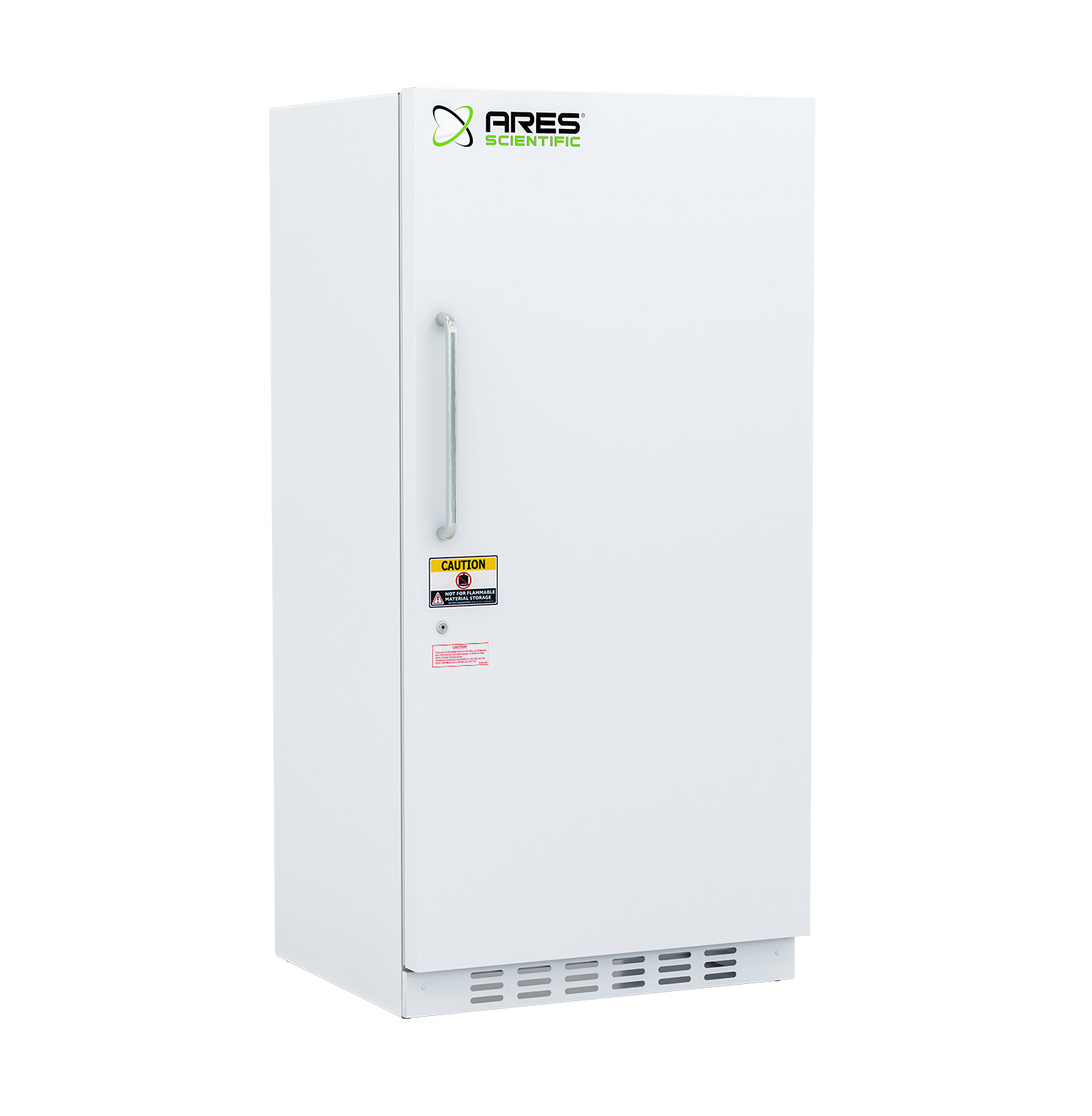
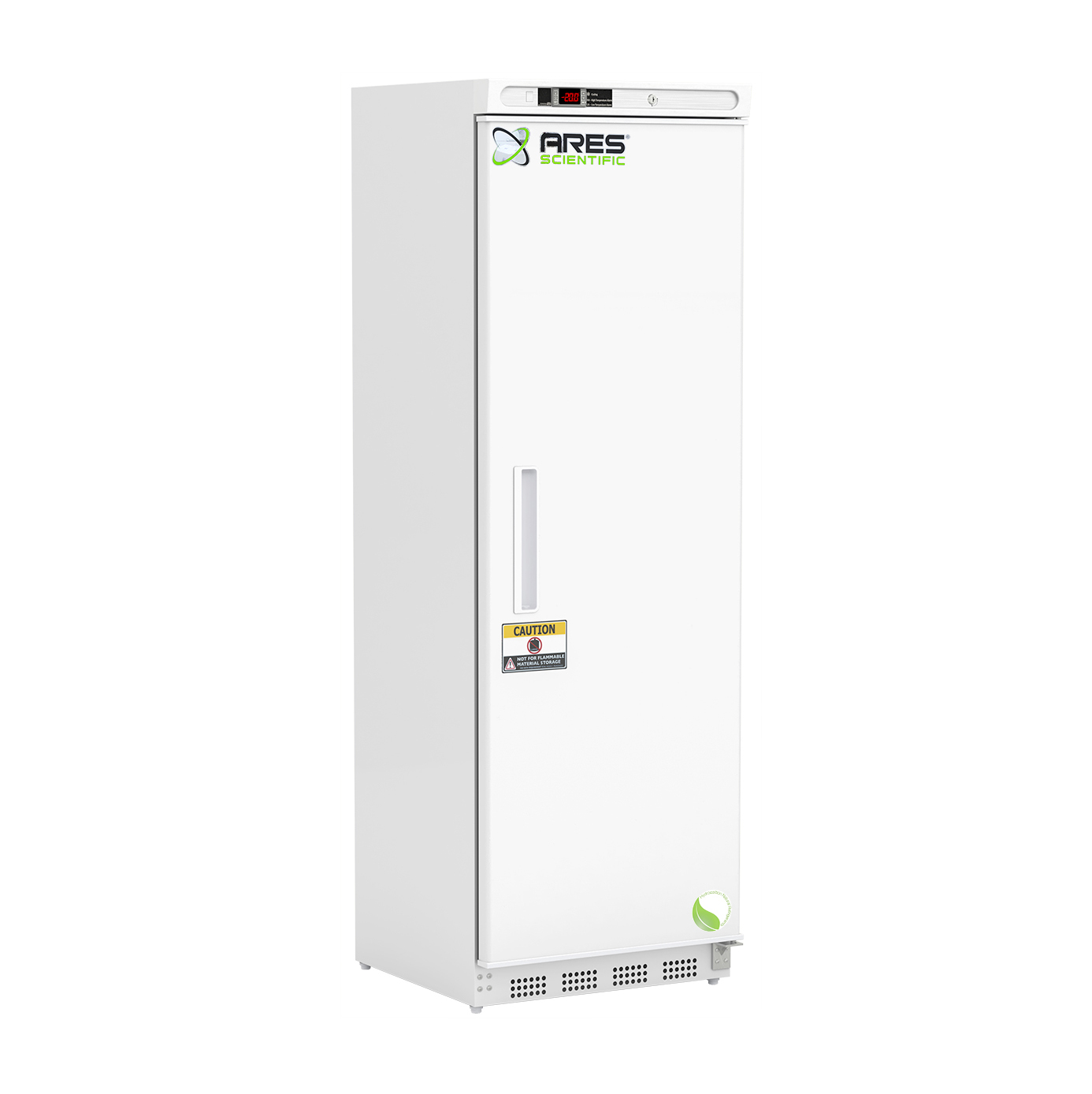
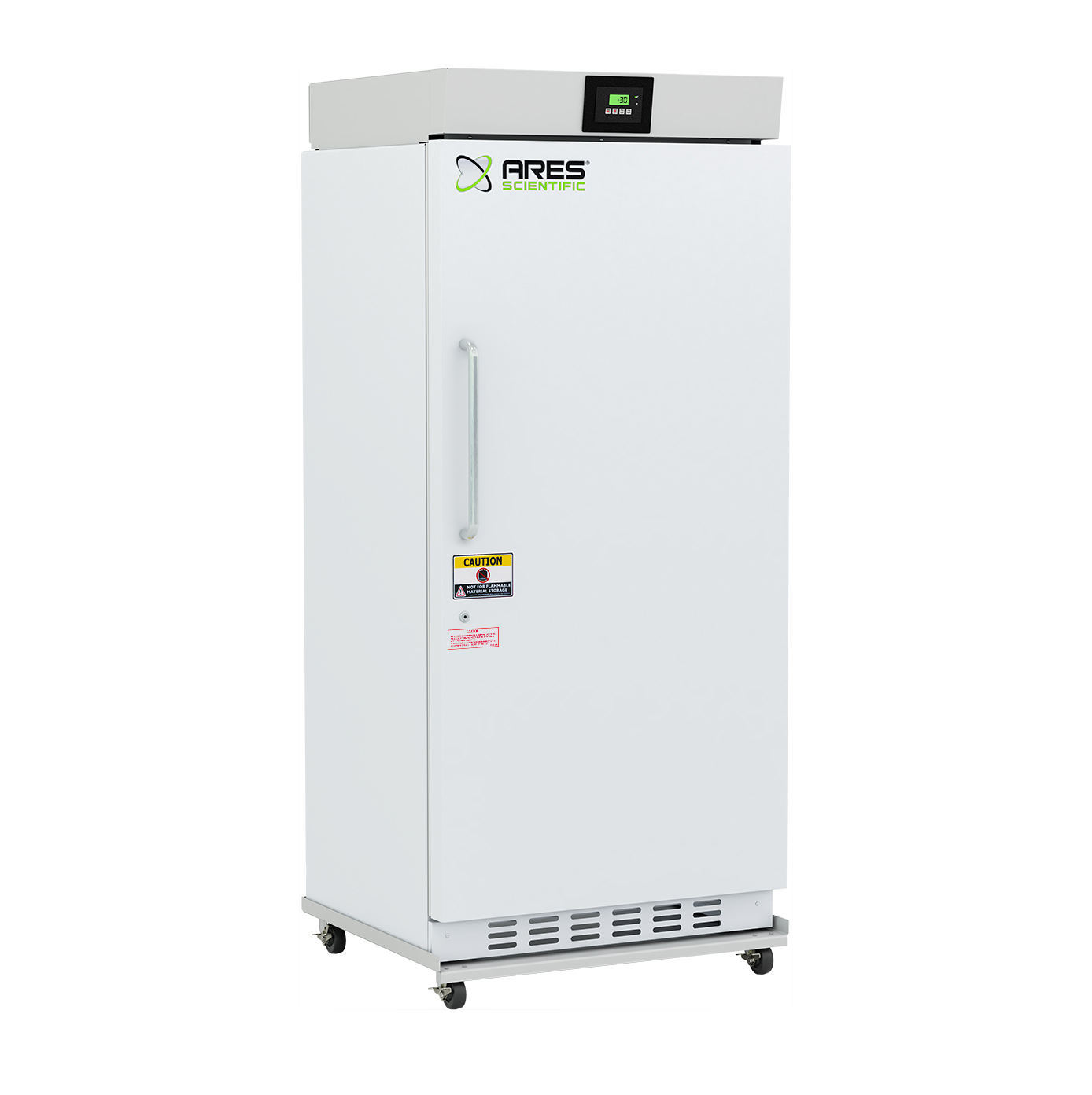
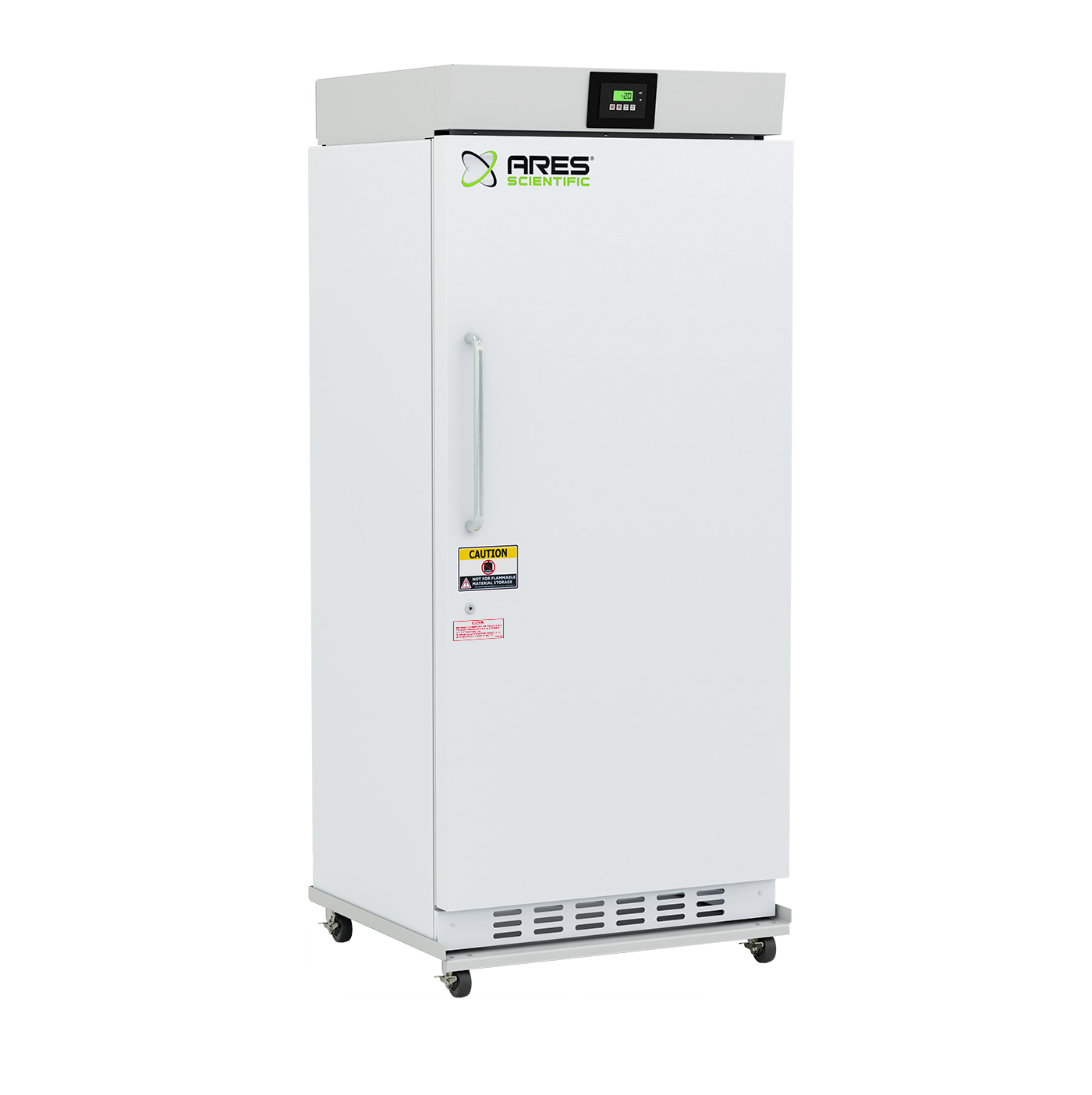
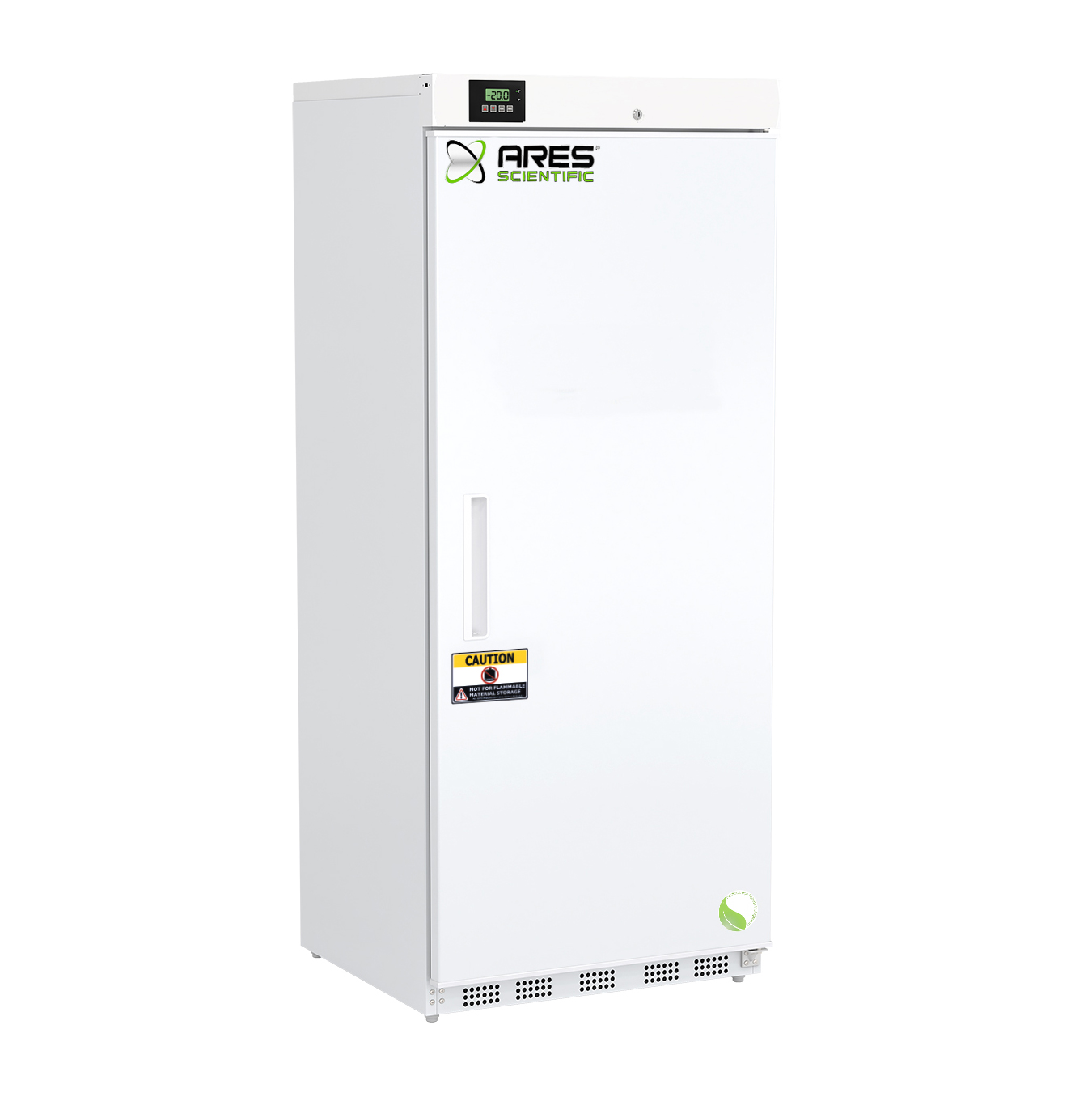
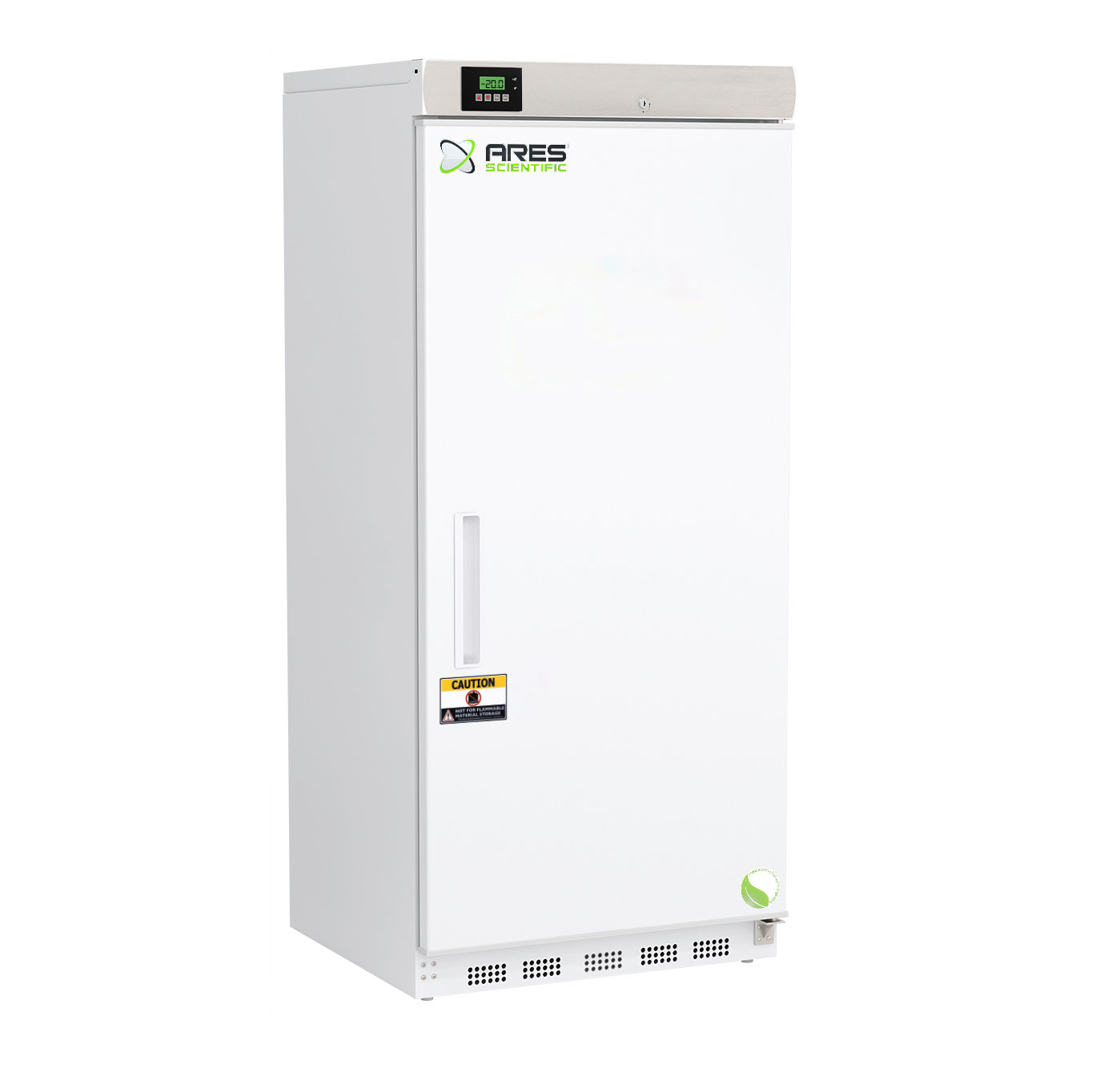
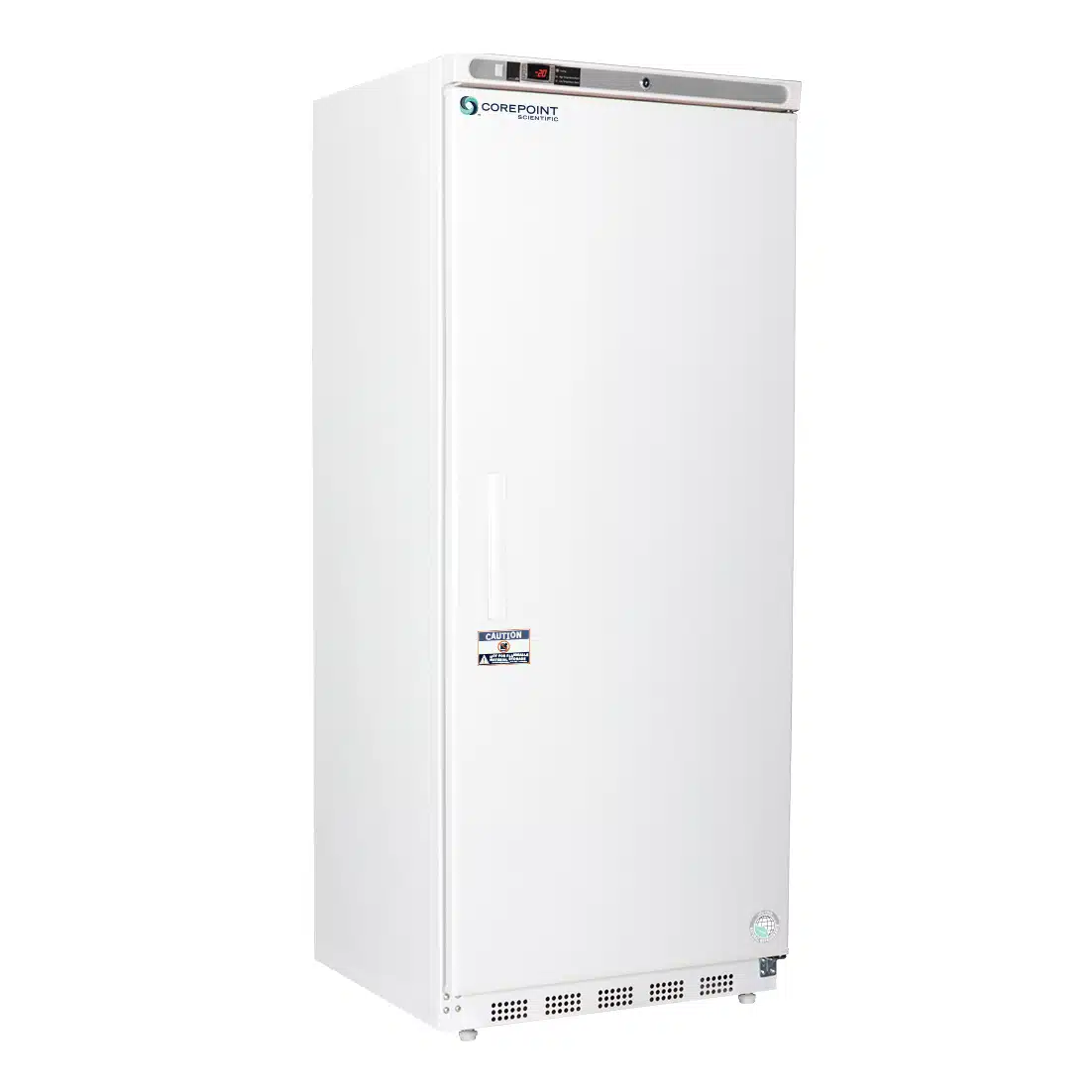
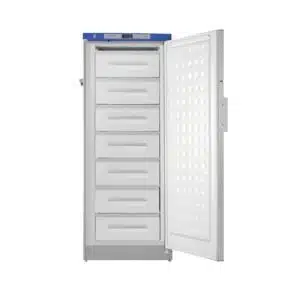
Upright laboratory freezers represent the most common configuration in research and clinical settings. These vertical units open from the front, resembling oversized household freezers but incorporating professional-grade components and controls. Upright freezers maximize vertical space rather than floor area, making them ideal for laboratories where floor space exceeds ceiling height in cost or scarcity.
Interior shelving systems provide excellent organization, allowing samples to be categorized, labeled, and retrieved efficiently. Adjustable shelves accommodate varying container heights, while pull-out drawers or racks support systematic inventory management. Temperature uniformity remains consistent throughout the cabinet, ensuring samples on upper shelves experience the same cold storage conditions as those near the bottom. For facilities requiring frequent sample access, upright configurations minimize cold air loss during door openings compared to chest models.
Undercounter Laboratory Freezers
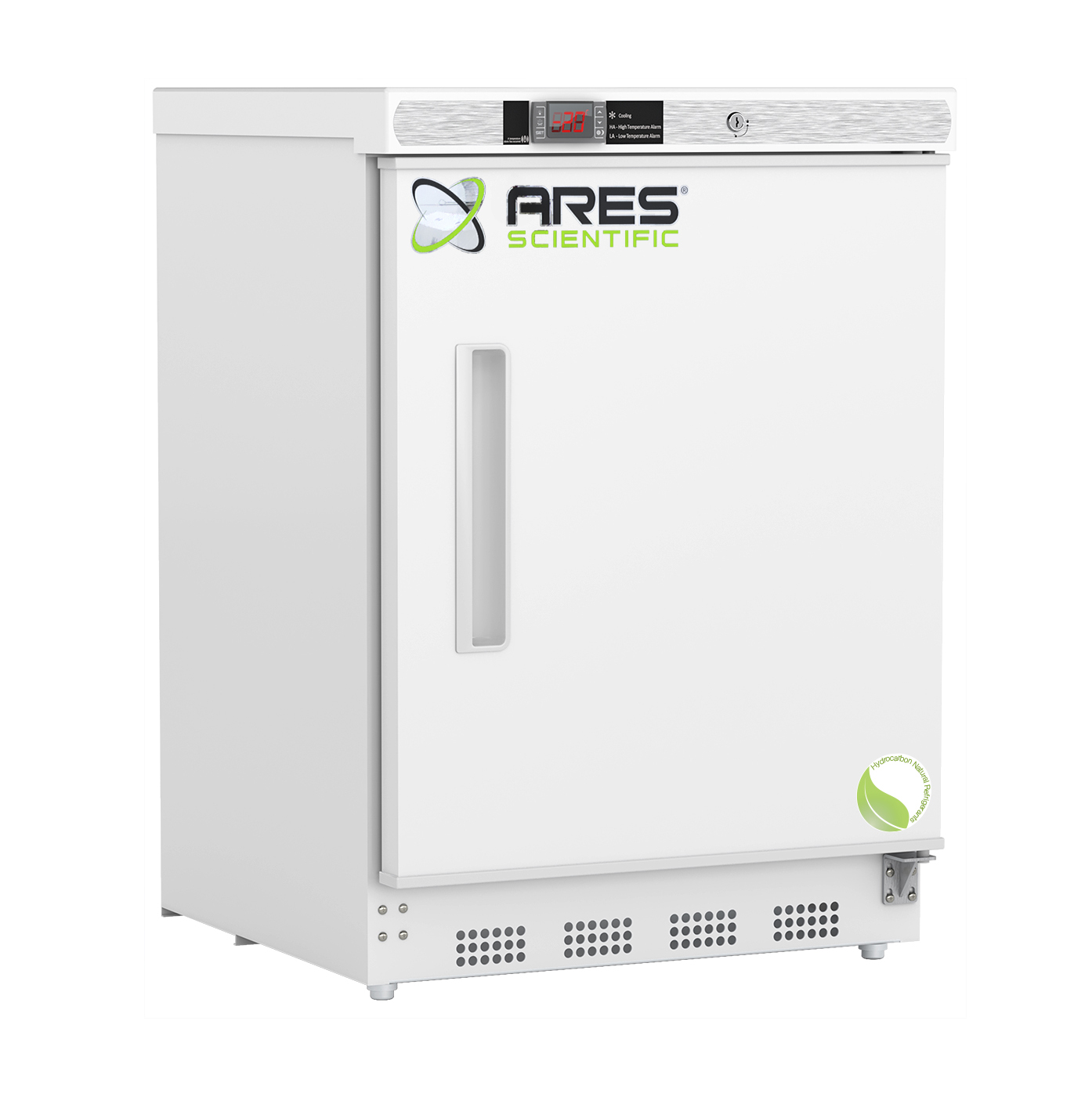
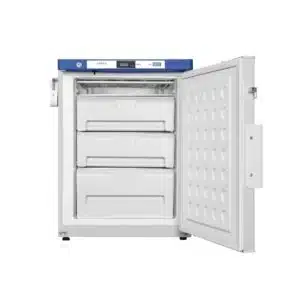
Undercounter laboratory freezers utilize space beneath laboratory benches, installing flush with cabinetry to create integrated, space-efficient cold storage. These compact units typically offer 1.5 to 5 cubic feet capacity—sufficient for individual researchers, small teams, or specialized applications requiring dedicated storage separate from larger shared freezers. Undercounter freezers preserve valuable bench and floor space while positioning frozen materials conveniently near where they're used.
Built-in models feature front-breathing designs exhausting heat through the front grille rather than rear or side vents. This ventilation strategy enables installation flush against walls or within cabinetry without compromising cooling performance. Freestanding undercounter models require clearance on sides and back but offer relocation flexibility as laboratory layouts evolve. Both configurations provide professional-grade temperature control, alarm systems, and monitoring capabilities despite their compact dimensions.
Countertop Laboratory Freezers
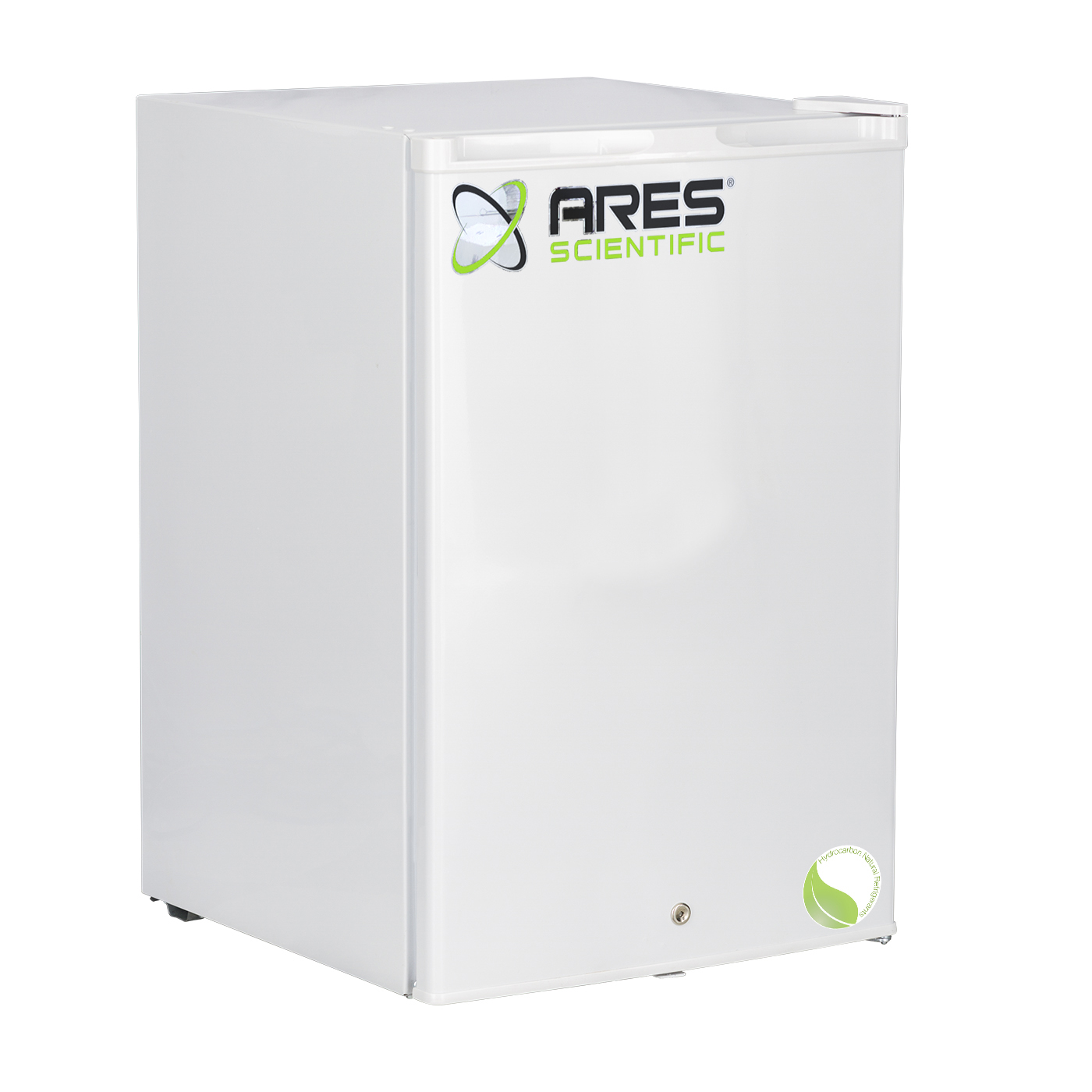
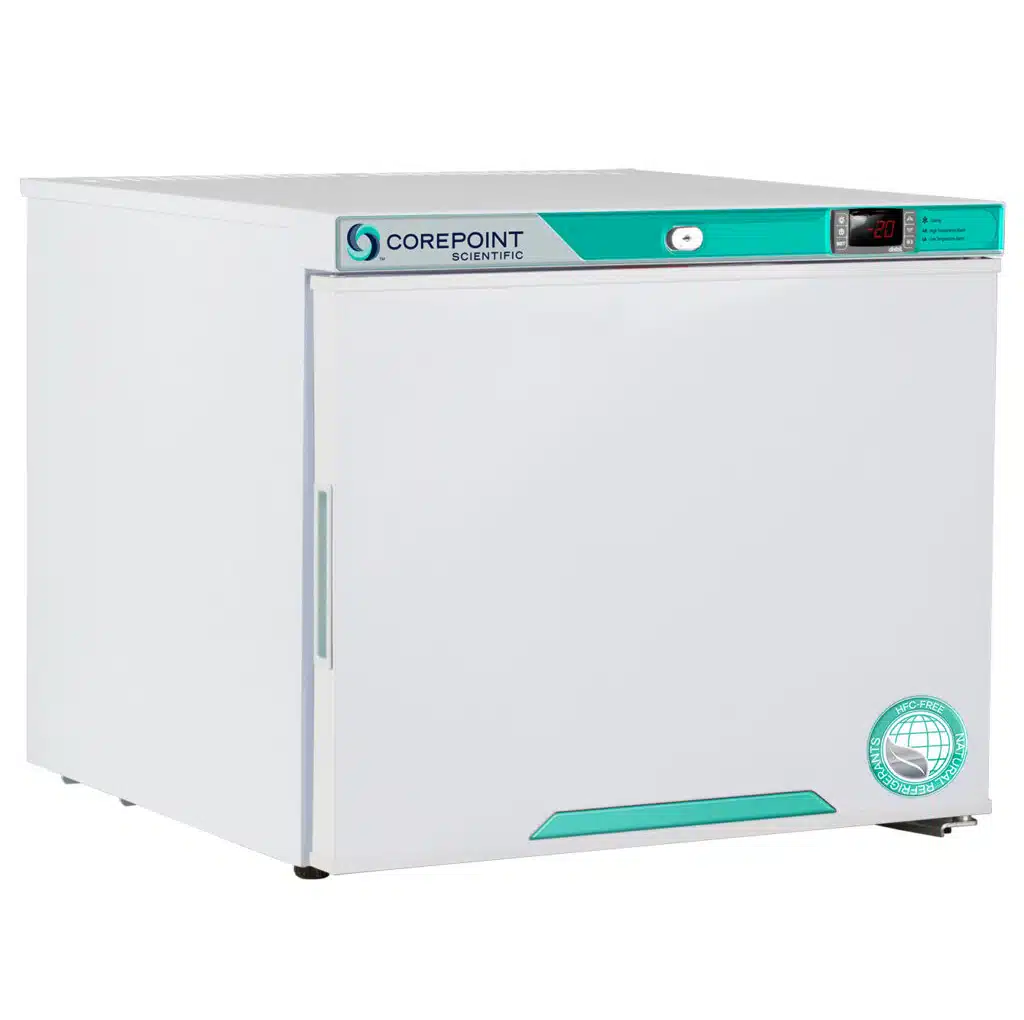
Countertop laboratory freezers sit atop work surfaces, bringing frozen storage to individual workstations. These remarkably compact units—typically 0.8 to 3 cubic feet—position frequently accessed samples at convenient working heights, eliminating walks across the laboratory. Countertop models excel in point-of-use applications where immediate sample access streamlines workflow, such as molecular biology workstations, clinical testing areas, or pharmaceutical compounding stations.
The small footprint and lightweight construction enable flexible placement throughout laboratories, creating distributed cold storage supporting various research groups or clinical functions. While limited in capacity compared to larger freezers, countertop units provide dedicated storage for active projects, working stocks, or frequently accessed materials. Their modest size also makes them appropriate for small clinics, satellite laboratories, or educational institutions with minimal cold storage requirements.
Chest Laboratory Freezers
Chest laboratory freezers open from the top rather than front, offering maximum storage volume within a given footprint. These horizontal configurations excel at storing large items, bulk samples, or materials remaining frozen for extended periods without frequent access. The top-opening design naturally retains cold air—denser than ambient air—minimizing temperature excursions when the lid opens and reducing energy consumption compared to upright models of equivalent capacity.
Chest freezers prove particularly valuable for biobanks, tissue repositories, and research programs accumulating samples over years. Their energy efficiency and temperature stability make them economical choices for long-term storage, though organization presents challenges. Without internal shelving, chest freezers require baskets, dividers, or systematic placement strategies preventing samples from becoming lost in the depths. For applications prioritizing capacity and energy efficiency over frequent access convenience, chest configurations deliver excellent value.
Essential Features and Technologies in Modern Laboratory Freezers
Contemporary laboratory freezers incorporate sophisticated features far exceeding basic refrigeration. These technologies enhance sample protection, improve operational efficiency, ensure regulatory compliance, and provide the monitoring and documentation capabilities essential in regulated environments. Understanding these features helps laboratories prioritize capabilities matching their specific requirements and budget constraints.
Microprocessor Temperature Control
Microprocessor-based temperature controllers represent significant advances over mechanical thermostats found in older equipment or household freezers. Digital controls provide precise temperature management—typically within ±1°C of setpoint—with continuous monitoring and automatic adjustment maintaining stable conditions. Digital displays show real-time cabinet temperatures, enabling staff to verify proper operation at a glance without opening doors or disturbing samples.
Advanced controllers offer programmable features including temperature ramping, multi-stage cooling, and adaptive defrost scheduling. Some systems incorporate self-diagnostic capabilities detecting potential issues before they compromise samples. The precision and reliability of microprocessor controls justify their prevalence in modern laboratory freezers, particularly for applications where temperature excursions risk sample degradation or regulatory violations.
Comprehensive Alarm Systems
Multi-layered alarm systems protect valuable samples by alerting staff to conditions threatening sample integrity. Visual and audible alarms activate when temperatures deviate beyond acceptable ranges—typically configurable based on specific storage requirements. High and low temperature alerts warn of both inadequate cooling and over-cooling, while rate-of-change alarms detect gradual temperature drift suggesting developing equipment problems.
Power failure alarms notify staff when electrical service interrupts, enabling emergency response before samples warm excessively. Door ajar alarms remind users to close freezers promptly, preventing unnecessary temperature excursions and energy waste. Probe failure alerts indicate sensor malfunctions requiring attention. Remote alarm contacts allow integration with building management systems or laboratory alert networks, ensuring appropriate personnel receive notifications regardless of proximity to the freezer. Battery backup systems maintain alarm functions during power outages, guaranteeing continuous monitoring even when electrical service fails.
Data Logging and Documentation
Temperature data logging creates historical records documenting storage conditions over time. This documentation proves essential for regulatory compliance, quality assurance programs, and research integrity in pharmaceutical development, clinical trials, and accredited laboratories. Integral data loggers record temperature at configurable intervals—typically every minute to every hour—storing months or years of data internally.
USB ports enable convenient data download for analysis, archival, and regulatory submission. Some advanced systems offer Ethernet connectivity supporting real-time remote monitoring and automated data backup. Chart recorders provide visual temperature traces, creating permanent records without requiring digital extraction. These documentation capabilities support equipment qualification protocols, regulatory inspections, and quality investigations when questions arise about sample storage conditions.
Security and Access Control
Security features protect valuable samples and controlled substances from unauthorized access. Keyed door locks provide basic security, preventing casual entry while allowing authorized staff access. Digital locks with access codes offer keyless convenience while supporting individual accountability—some models log who accessed the freezer and when. RFID card readers integrate with facility access control systems, limiting entry to specifically authorized personnel.
Lockable setpoint controls prevent unauthorized temperature adjustments, ensuring samples remain at proper storage conditions. Some freezers incorporate password-protected controllers where temperature changes require authentication. These security layers prove particularly important in shared laboratories, clinical settings storing controlled substances, or research environments handling proprietary materials requiring access documentation.
Manual Defrost Versus Auto-Defrost Systems
The defrost system fundamentally impacts laboratory freezer operation, maintenance requirements, and suitability for different applications. Understanding the trade-offs between manual and automatic defrost helps laboratories select equipment aligned with their sample sensitivity, operational preferences, and staffing resources.
Manual Defrost for Maximum Temperature Stability
Manual defrost laboratory freezers prioritize absolute temperature stability over operational convenience. These systems utilize cold wall technology where refrigerant circulates through coils embedded in cabinet walls, creating consistent thermal conditions without cyclical temperature variations. The absence of defrost heaters and circulation fans eliminates temperature spikes that could compromise sensitive samples like vaccines, enzymes, or cell cultures.
Manual defrost requires periodic frost removal—typically every 3-6 months depending on usage patterns and ambient humidity. This maintenance involves transferring samples to temporary storage, powering down the unit, allowing frost to melt, and cleaning interior surfaces before returning samples. While labor-intensive, manual defrost provides the temperature consistency critical for applications where even minor fluctuations risk sample compromise. Regulatory agencies and quality standards often mandate manual defrost for specific applications like vaccine or blood product storage.
Auto-Defrost for Operational Convenience
Automatic defrost laboratory freezers incorporate heating elements and controllers automatically removing frost accumulation without user intervention. Modern auto-defrost systems minimize temperature impact through sophisticated controls, strategic component placement, and rapid defrost cycles. These units work well when storing samples tolerant of minor temperature fluctuations during brief defrost periods—typically a few degrees for 15-30 minutes.
The operational convenience proves valuable in high-humidity environments where frost accumulates rapidly, in understaffed facilities unable to dedicate time to manual defrosting, or for general storage not involving extremely temperature-sensitive materials. Advances in auto-defrost technology have narrowed the temperature stability gap with manual systems, making automatic defrost acceptable for many applications previously requiring manual units. However, critical sample storage, vaccine programs, and regulatory compliance often still mandate manual defrost for its superior temperature consistency.
Laboratory Freezer Applications Across Scientific Disciplines
Laboratory freezers serve diverse roles across scientific, medical, and industrial sectors. Understanding these applications helps laboratories select equipment matching their specific operational requirements while ensuring adequate capacity, appropriate temperature capabilities, and necessary regulatory compliance features.
Research Laboratory Applications
Research laboratories utilize freezers storing reagents, enzymes, antibodies, primers, buffers, and countless other materials enabling daily experimental work. Molecular biology labs maintain frozen stocks of competent cells, plasmids, and DNA samples. Cell culture facilities store frozen cell lines, media components, and serum. Protein biochemistry laboratories preserve purified proteins, enzyme preparations, and standards requiring cold storage.
Long-term research projects accumulate samples over months or years, requiring reliable cold storage protecting investment in time, materials, and intellectual effort. Failed freezers potentially compromise entire research programs, making equipment reliability paramount. Many research laboratories employ tiered storage strategies—frequently accessed working stocks in convenient countertop freezers, general storage in upright units, and archived samples in chest or ULT freezers.
Clinical and Diagnostic Applications
Clinical laboratories store patient samples, quality control materials, calibrators, and reagents supporting diagnostic testing. Frozen patient specimens enable retrospective testing, quality assurance investigations, and proficiency testing participation. Diagnostic reagent kits often require frozen storage, with laboratories maintaining adequate inventory supporting uninterrupted testing operations.
Blood banks operate specialized freezers meeting regulatory requirements for frozen blood products. Plasma freezers maintain -30°C for proper preservation, while rare blood type storage may require ultra-low temperatures. Clinical laboratories must comply with CAP, CLIA, and other accreditation standards mandating specific freezer features including temperature monitoring, alarm systems, and documentation capabilities. Equipment selection directly impacts regulatory compliance and accreditation status.
Pharmaceutical and Vaccine Storage
Pharmaceutical operations utilize laboratory freezers for stability studies, reference standards, investigational compounds, and finished products requiring frozen storage. Quality control laboratories maintain frozen retention samples, supporting investigations when product quality questions arise months or years after manufacture. Research and development groups store synthetic intermediates, compound libraries, and formulation components.
Vaccine storage represents a critical application with strict requirements. CDC guidelines mandate specific temperature ranges, monitoring protocols, and alarm systems for vaccine freezers. Many vaccines require -15°C to -50°C storage, with some newer products demanding ultra-low temperatures. Facilities storing vaccines must document temperature continuously, respond immediately to alarm conditions, and maintain backup cold storage in case of primary freezer failure. NSF/ANSI 456 certification provides third-party validation that freezers meet vaccine storage standards.
Biobanking and Sample Repositories
Biobanks and biological repositories require massive cold storage capacity protecting invaluable sample collections. These facilities may maintain hundreds of thousands or millions of specimens supporting research programs, clinical trials, or patient care. The irreplaceable nature of many biobank samples demands maximum reliability, redundant monitoring, and backup power systems preventing loss even during equipment failures or emergencies.
Ultra-low temperature storage predominates in biobanking applications, with samples stored at -80°C for decades. Automated sample tracking systems integrate with freezer management, documenting exact sample locations and access histories. Some biobanks employ liquid nitrogen storage for maximum long-term stability, though mechanical ULT freezers offer greater accessibility and reduced operational complexity for many applications.
Selecting the Right Laboratory Freezer for Your Needs
Choosing optimal laboratory freezer equipment requires evaluating multiple factors against specific operational requirements. Systematic assessment of temperature needs, capacity requirements, space constraints, and regulatory compliance demands helps laboratories identify equipment delivering necessary performance while optimizing capital investment and operational costs.
Defining Temperature Requirements
Begin by cataloging all materials requiring frozen storage and their specific temperature demands. Most general laboratory reagents and samples tolerate -20°C storage adequately. Specialized materials like plasma, certain vaccines, or specific cell types may require -30°C. DNA, RNA, proteins, and materials for long-term archival typically demand -80°C ultra-low temperature storage. Avoid over-specifying temperature capabilities—ULT freezers consume substantially more energy and cost significantly more than general-purpose units.
Consider future needs alongside current requirements. Research programs expand, clinical volumes grow, and pharmaceutical operations diversify. Selecting freezers with modest excess capacity provides growth headroom without requiring premature equipment replacement. However, dramatically oversized freezers waste energy cooling empty space and may not achieve optimal temperature uniformity when sparsely loaded.
Assessing Capacity and Configuration
Inventory current frozen materials and project reasonable growth over the freezer's expected 10-15 year lifespan. Account for both daily-use items requiring frequent access and archived materials accessed rarely. Different freezer configurations suit these varied needs—upright units for frequently accessed samples, chest freezers for bulk archival storage, undercounter or countertop models for point-of-use applications.
Consider physical dimensions and available laboratory space. Upright freezers minimize floor space consumption but require adequate ceiling height. Chest units demand substantial floor area but offer maximum capacity per square foot. Undercounter and countertop configurations utilize spaces often otherwise wasted. Ensure adequate ventilation clearances—typically 3-5 inches on sides and back for freestanding units—supporting efficient operation and extended equipment life.
Evaluating Monitoring and Compliance Features
Regulatory requirements, accreditation standards, and internal quality systems dictate necessary monitoring and documentation capabilities. Facilities subject to FDA oversight, CAP accreditation, or CLIA regulations must implement continuous temperature monitoring, alarm systems, and documentation meeting specific standards. Even research laboratories benefit from monitoring protecting valuable samples and supporting equipment qualification.
Assess alarm system comprehensiveness—temperature deviation alerts, power failure notifications, door ajar warnings, and sensor fault detection. Remote alarm capabilities enable 24/7 monitoring even when laboratories are unoccupied. Data logging features create documentation supporting regulatory compliance and quality investigations. Some applications mandate specific certifications like NSF/ANSI 456 for vaccine storage, narrowing equipment choices to certified models.
Balancing Cost and Energy Efficiency
Laboratory freezer acquisition represents significant capital investment, with general-purpose models ranging from $2,000-$8,000 and ULT units costing $8,000-$25,000 or more. However, purchase price constitutes only part of total ownership cost. Energy consumption during 10-15 year lifespans often equals or exceeds initial acquisition costs. ENERGY STAR certified models reduce electricity consumption by 15-25%, potentially saving thousands of dollars over equipment lifespans.
Consider maintenance requirements and service availability. Equipment from reputable manufacturers typically costs more initially but offers superior reliability, readily available parts, and established service networks. Evaluate warranty coverage—comprehensive warranties protecting against expensive repairs during early operational years. Factor energy costs, maintenance expenses, and expected reliability into total cost-of-ownership calculations rather than focusing solely on purchase price.
Integration with Laboratory Cold Storage Infrastructure
Laboratory freezers function as components within broader cold storage ecosystems rather than isolated equipment. Effective integration with related systems and equipment optimizes overall laboratory cold storage performance while supporting operational efficiency and sample protection.
Complementary Refrigeration Systems
Most laboratories require both refrigerated and frozen storage, with laboratory refrigerators maintaining +2°C to +8°C for materials not requiring freezing. Strategic placement of refrigerators and freezers near where materials are used minimizes time samples spend outside controlled temperatures. Some applications benefit from combination refrigerator-freezer units providing both storage types in single cabinets, though independent units offer greater temperature control and reduce risk of cross-contamination between compartments.
Consider how different cold storage solutions work together creating tiered storage infrastructure. Frequently accessed materials reside in convenient countertop or undercounter units. Daily-use items occupy readily accessible upright freezers. Bulk storage or archived samples go into high-capacity chest units or centralized ULT freezers. This distributed approach balances accessibility, capacity, and cost-effectiveness.
Environmental Monitoring Integration
Laboratory freezers generate continuous temperature data, but effective monitoring requires systems capturing, analyzing, and archiving this information. Environmental monitoring systems integrate freezer alarms and data loggers with centralized platforms providing comprehensive oversight across all laboratory cold storage assets.
Modern monitoring platforms offer remote access via web browsers or mobile applications, enabling staff to verify temperatures and respond to alarms from anywhere. Automated reporting functions generate documentation supporting regulatory compliance and accreditation requirements. Trend analysis identifies gradually degrading performance suggesting preventive maintenance needs before catastrophic failures occur. Investing in robust monitoring infrastructure protects samples while reducing staff burden for manual temperature checks.
Backup Power and Contingency Planning
Even the most reliable laboratory freezers fail eventually, whether from component wear, power outages, or facility emergencies. Effective contingency planning protects samples during these events. Uninterruptible power supplies (UPS) provide short-term power during brief outages, while emergency generators support extended operation during prolonged electrical service interruptions.
Backup freezers enable emergency sample transfer when primary units fail. Some facilities maintain spare capacity in existing freezers, allowing consolidation when one unit goes offline. Others keep backup units in place but lightly loaded, ready to accept emergency transfers. For irreplaceable samples, arrangements with nearby laboratories or commercial storage facilities provide additional safety nets when on-site backup proves insufficient.
Maintenance and Operational Best Practices
Proper maintenance extends laboratory freezer lifespans, ensures consistent sample protection, and prevents costly failures. Systematic attention to routine maintenance tasks, combined with monitoring for early warning signs of developing problems, maximizes equipment reliability while minimizing total ownership costs.
Routine Cleaning and Inspection
Clean condenser coils quarterly using vacuum attachments or soft brushes, removing dust accumulation impeding heat transfer. Dirty coils force compressors to run longer, increasing energy costs and accelerating component wear. This simple task significantly impacts long-term reliability and operational efficiency. Inspect door gaskets monthly for wear, cracks, or deformation. Compromised seals allow cold air escape and moisture infiltration, reducing efficiency and potentially causing frost accumulation.
Interior cleaning during defrost cycles (for manual defrost units) or annually (for auto-defrost models) maintains hygienic conditions and enables inspection for damage or deterioration. Remove all samples, shelves, and accessories. Clean interior surfaces with mild detergent and water—avoid harsh chemicals potentially damaging protective coatings. Inspect door hinges, latches, and handles, lubricating or adjusting as necessary. Document maintenance activities creating historical records supporting equipment qualification.
Temperature Monitoring and Calibration
Verify displayed temperatures match actual storage conditions using independent temperature monitoring devices. Place NIST-traceable thermometers or data loggers in glycerin bottles mimicking sample thermal mass. Record temperatures at multiple locations within the freezer, ensuring uniformity throughout the cabinet. Significant deviations between displayed and measured temperatures, or between different cabinet locations, suggest calibration needs or cooling system problems requiring attention.
Calibrate temperature displays annually or per manufacturer recommendations using reference thermometers traceable to national standards. Document calibration activities including temperatures recorded, adjustments made, and final verification measurements. This documentation supports equipment qualification and regulatory compliance while ensuring displayed temperatures accurately reflect sample storage conditions.
Alarm System Testing
Test alarm functions monthly by simulating alarm conditions. Verify high and low temperature alerts activate at proper setpoints by adjusting controller settings (return to normal immediately after testing). Confirm power failure alarms function by briefly disconnecting electrical power. Test door ajar warnings by leaving doors open. Document testing activities demonstrating alarm system operational readiness.
Remote alarm notifications require periodic verification ensuring messages reach appropriate personnel. Test during normal business hours and after-hours, confirming 24/7 coverage. Update contact lists as staff changes occur. Alarm system failures represent serious risks—equipment may fail without alerting anyone, resulting in sample loss before problems are discovered.
Regulatory Compliance and Quality Standards
Many laboratory freezer applications involve regulatory oversight or quality standards mandating specific equipment features, monitoring protocols, and documentation practices. Understanding these requirements ensures laboratories select compliant equipment and implement appropriate operational procedures.
FDA and Clinical Laboratory Standards
Facilities subject to FDA oversight—pharmaceutical manufacturers, clinical testing laboratories, blood banks—must comply with regulations governing equipment qualification, temperature monitoring, and documentation. FDA's Current Good Manufacturing Practice (cGMP) regulations require documented evidence that equipment performs as intended throughout its lifecycle. This necessitates installation qualification (IQ), operational qualification (OQ), and performance qualification (PQ) protocols demonstrating freezer performance meets specifications.
Clinical laboratories operating under CLIA (Clinical Laboratory Improvement Amendments) must implement quality systems including equipment monitoring and maintenance. CAP (College of American Pathologists) accreditation standards specify temperature monitoring frequencies, acceptable temperature ranges, and required alarm systems for cold storage equipment. Documentation supporting these requirements proves essential during inspections and accreditation surveys.
Vaccine Storage Requirements
The CDC provides comprehensive guidelines for vaccine storage and handling, mandating specific requirements for freezers storing frozen vaccines. Acceptable freezers must maintain temperatures within narrow ranges (-50°C to -15°C depending on vaccine type), incorporate continuous temperature monitoring with data logging, and provide immediate alarm notification when temperatures deviate beyond acceptable limits.
NSF/ANSI 456 certification provides third-party validation that freezers meet these requirements. Certified units undergo rigorous testing verifying temperature performance, alarm functionality, and monitoring capabilities. For vaccine providers participating in federal programs like Vaccines for Children (VFC), NSF/ANSI 456 certification may be mandatory. Even facilities not strictly required to use certified equipment benefit from the assurance third-party validation provides.
Research Laboratory Quality Standards
While research laboratories often operate with less regulatory oversight than clinical or pharmaceutical facilities, quality standards and research integrity demand proper equipment qualification and monitoring. Grant funding agencies increasingly require documentation demonstrating proper sample storage and handling. Publication of research findings may necessitate providing evidence that samples were maintained under appropriate conditions.
Many research institutions implement quality management systems inspired by ISO 9001 or similar frameworks. These systems require documented procedures for equipment maintenance, calibration, and monitoring. Even without external regulatory drivers, research laboratories benefit from systematic approaches to cold storage management, protecting valuable samples and research investments while ensuring data integrity and reproducibility.
Future Trends in Laboratory Freezer Technology
Laboratory freezer technology continues evolving, with innovations focused on improving energy efficiency, enhancing monitoring capabilities, reducing environmental impact, and integrating with broader laboratory information systems. Understanding emerging trends helps laboratories make forward-looking equipment selections supporting long-term operational goals.
Enhanced Energy Efficiency
Energy consumption remains a significant operating cost for laboratory freezers, particularly ULT units consuming 15-20 kilowatt-hours daily. Manufacturers increasingly incorporate advanced insulation materials, optimized refrigeration systems, and intelligent controls reducing energy demands without compromising performance. Variable-speed compressors adjust cooling capacity matching actual loads rather than cycling on and off at full capacity. High-efficiency heat exchangers extract maximum cooling from refrigerant flows.
Natural refrigerants like hydrocarbons offer excellent thermodynamic properties with minimal environmental impact. These substances replace synthetic refrigerants with high global warming potential, supporting sustainability goals while maintaining or improving cooling performance. ENERGY STAR certification will eventually extend to laboratory freezers as EPA finalizes standards, providing consumers with validated efficiency comparisons across manufacturers and models.
Connected Monitoring and IoT Integration
Internet-connected freezers enable remote monitoring, automated data backup, and integration with laboratory information management systems. Cloud-based platforms aggregate data from multiple freezers, providing comprehensive visibility across entire cold storage infrastructures. Predictive analytics identify patterns suggesting developing problems, enabling preventive maintenance before failures occur.
Integration with laboratory instruments and workflow management systems creates seamless data flows supporting quality systems and research integrity. Sample tracking systems document when specimens are removed from or returned to freezers, creating complete chain-of-custody records. These connected systems reduce manual documentation burden while improving data accuracy and accessibility.
Optimizing Your Laboratory Cold Storage Strategy
Laboratory freezers represent critical infrastructure protecting valuable samples, enabling scientific discovery, and supporting clinical operations. Successful cold storage strategies balance equipment capabilities with operational requirements, regulatory compliance demands, and budgetary constraints. Strategic planning considers current needs while anticipating future growth and evolving research directions.
Ready to enhance your laboratory's cold storage infrastructure with professional-grade freezers engineered for reliability, precision, and sample protection? Explore our comprehensive selection of laboratory freezers spanning general-purpose models through ultra-low temperature units. From space-saving undercounter configurations to high-capacity upright and chest models, find the perfect cold storage solution matching your specific temperature, capacity, and regulatory compliance requirements. Our freezers incorporate advanced microprocessor controls, comprehensive alarm systems, and robust construction supporting continuous operation in demanding laboratory environments, ensuring your critical samples remain protected under precise temperature conditions.