Ultra-High Precision Particulate Control with ISO Class 4 Clean Benches

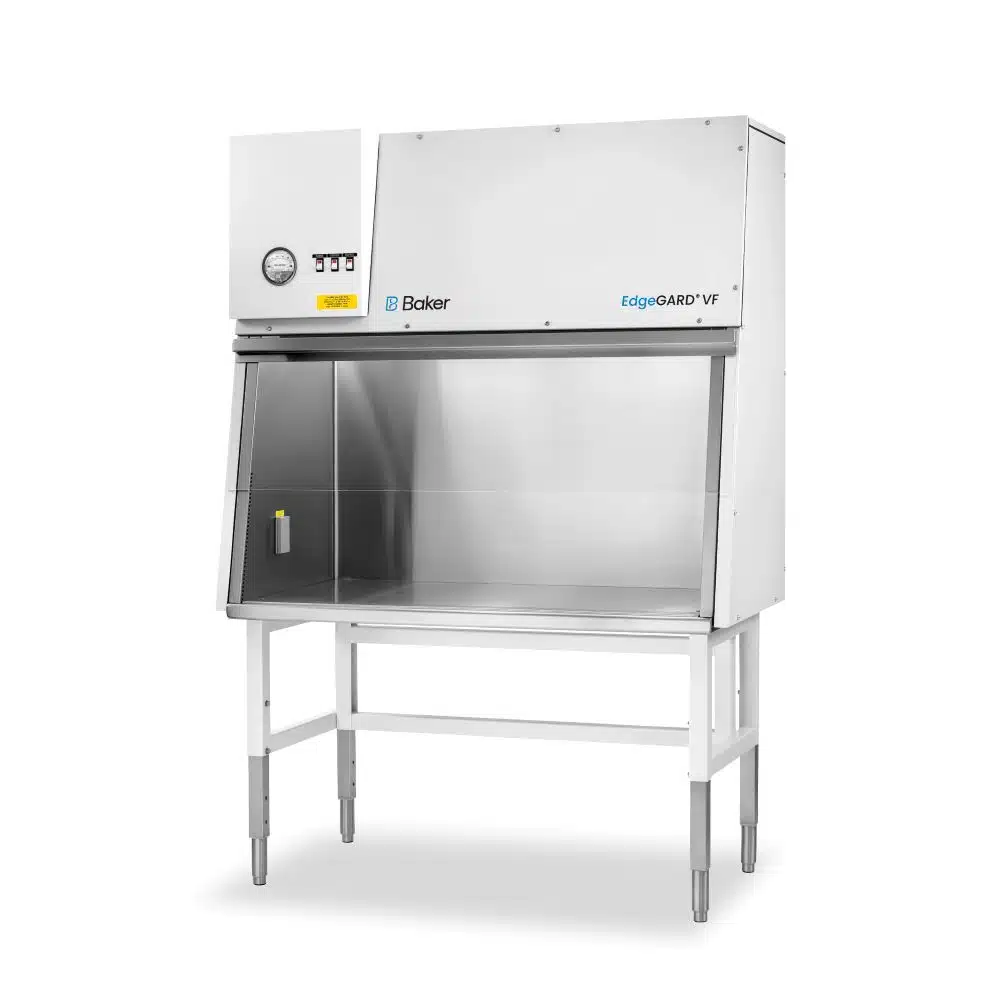
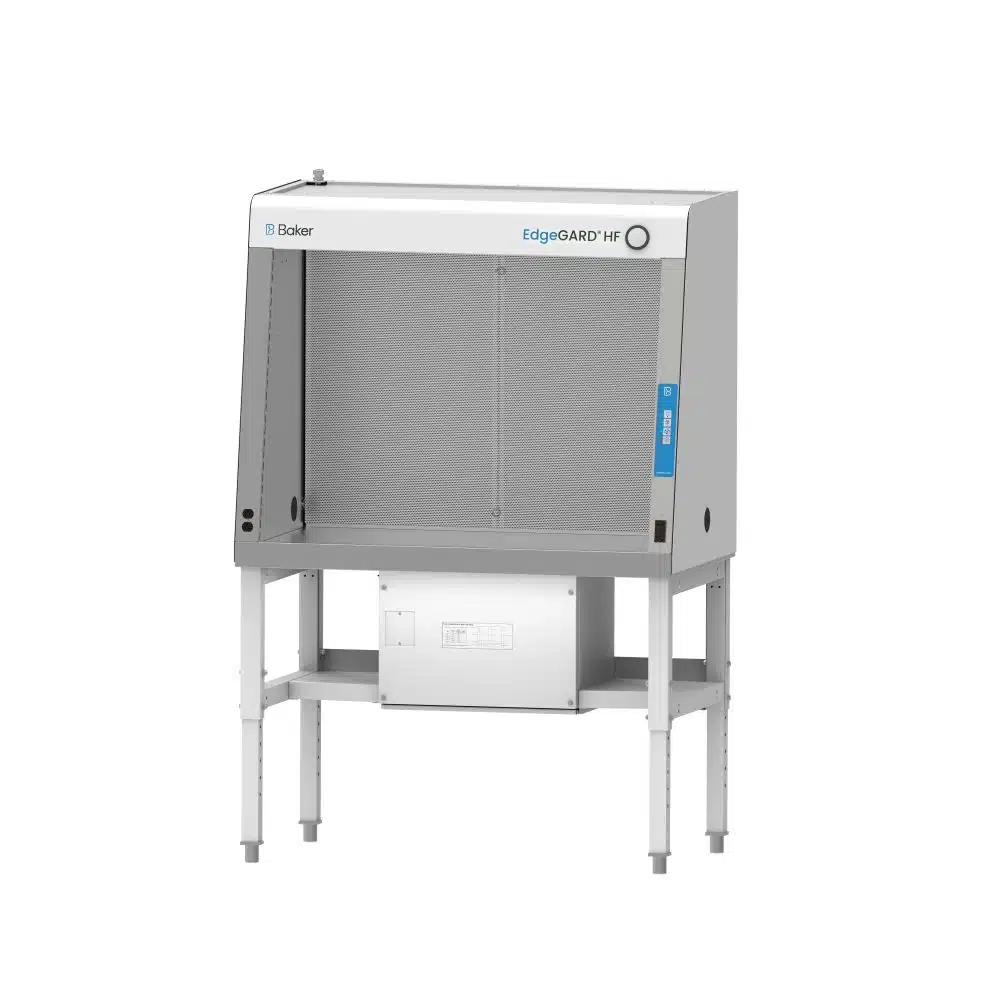
Clean benches, also known as laminar flow hoods, are specialized systems engineered to create extremely clean work environments that meet the strict requirements of ISO Class 4 (equivalent to Federal Standard Class 10). These units continuously draw in room air, filter it through high-efficiency ULPA filtration, and deliver smooth, consistent laminar airflow across the work surface. This protects sensitive processes by preventing airborne particle introduction.

Our clean bench lineup includes both vertical and horizontal airflow designs, each optimized for superior particulate removal and even airflow distribution. Achieving ISO Class 4 performance requires high-quality construction, including seamless stainless steel interiors and low-vibration blower systems that prevent internal particle generation. Because clean benches are designed only for product protection, they should be used exclusively with non-hazardous materials. For applications involving personnel or environmental safety, consider our Biological Safety Cabinets. For larger laminar-flow work zones, see our Cleanroom Laminar Flow Cabinets.

Key Selection Factors for Ultra-Clean Benches

  • Required ISO Classification: Choose a system certified to meet ISO Class 4, which allows extremely low particle levels in the work zone.
  • ULPA Filter Integrity: Select units equipped with ULPA filters, which offer the highest level of fine-particle capture available for clean bench applications.
  • Airflow Monitoring System: Look for digital pressure or airflow monitoring with alarms to ensure stable, uniform airflow is maintained.
  • Surface Material and Construction: Stainless steel interiors reduce particle shedding and support validated cleaning and decontamination.
  • Vibration and Noise Control: Advanced blower designs help minimize vibration that can disrupt delicate work or instrument accuracy.
  • Ergonomics and Accessibility: Select a sash and viewing area that allow comfortable operation without interrupting the laminar airflow.

Frequently Asked Questions About Clean Benches

What are the particle count requirements for an ISO Class 4 environment? ISO Class 4 requires extremely low particle levels. It allows a very small number of particles in the work area and depends on high-performance ULPA filtration and consistent laminar airflow to maintain these conditions.
Why is ULPA filtration necessary for achieving ISO Class 4 standards? ULPA filters capture much smaller particles than standard HEPA filters. ISO Class 4 performance requires this higher level of efficiency because even very small particles must be controlled.
What is the difference between an ISO Class 4 clean bench and an ISO Class 5 model? ISO Class 4 clean benches allow significantly fewer particles than ISO Class 5—roughly ten times fewer. ISO Class 4 is used for the most demanding clean processes.
How often should an ISO Class 4 clean bench be professionally certified? Clean benches should be certified at least once per year, and immediately after any relocation, repair, or airflow-related maintenance.
Can an ISO Class 4 clean bench be used for handling hazardous compounds? No. Clean benches protect the product, not the operator. Any work with hazardous chemicals, biohazards, or fumes requires a Biological Safety Cabinet or a properly exhausted fume hood.