
- Shop Products
- Animal/Vivarium Equipment & Supplies
- Anesthesia Systems
- Animal Transport
- Animal Watering
- Automated Cage Wash Systems
- Bedding Fill and Disposal Systems
- Bulk Trucks
- Caging Accessories
- Cage Change and Transfer Stations
- Cage, Rack and Bottle Washers
- Dry Heat Sterilizers
- Euthanasia Systems
- Ferret Caging
- Large Animal Caging
- Isolators
- Marmoset Caging
- Material Handling
- Necropsy Tables and Procedure Hoods
- Procedure Lights
- Rabbit Caging
- Rodent Caging
- Steam Sterilizers
- Tree Shrew Caging
- Vivarium Dry Heat Sterilizers
- Zebrafish and Aquatics Washers
- Benchtop Instruments
- Aspiration Systems
- Cell Counters
- Centrifuges
- Dry Baths
- Homogenizers
- Hotplates and Stirrers
- Micro Incinerators
- Microplate Readers
- Microplate Washers
- Moisture Analyzers
- PCR
- pH Meters
- Pipettes
- Scales and Balances
- Shakers
- Spectrophotometer and Fluorometers
- Rockers & Tube Rotators
- Vortex Mixers
- Water Baths
- Cannabis Processing
- Clean Air & Containment
- Cold Storage
- Decontamination
- Environmental Monitoring
- Environmental Test Chambers
- cGMP
- Incubators
- Ovens
- Pathology & Mortuary Equipment
- Personal Protective Equipment
- Sterilizers and Autoclaves
- Tables, Storage and Carts
- Washers and Dryers
- X-Rays and Irradiators
- Inventory Outlet
- Animal/Vivarium Equipment & Supplies
- Featured
- Industries
- Manufacturers
- Animal Care Systems
- Avante Animal Health
- Baker
- Benchmark Scientific
- Caron Scientific
- Consolidated Sterilizer Systems
- Corepoint Scientific
- DeNovix
- Envisys
- Euthanex
- Flow Sciences, Inc.
- Gruenberg
- Haier
- Hettich
- KUBTEC Scientific
- Lenderking
- Metro
- Miele
- Mopec
- Ohaus
- Park Bio
- SE Lab Group Inc.
- Sentry Air Systems
- SPOT Imaging
- Steelco
- Sychem
- TOMI Environmental Solutions, Inc.
- Visron
- Resources
- About
- Contact
- Quote

Animal Transport

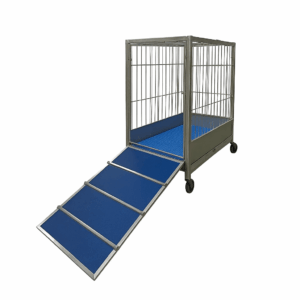
Animal Transport Equipment for Vivariums and Research Facilities
Animal transport equipment moves cages and animals safely between vivarium housing, procedure rooms, wash areas, and facility zones while maintaining biosecurity, reducing stress, and minimizing allergen exposure to staff. ARES Scientific stocks durable, ergonomic transport solutions including the ParkBio Transfer Cart with dual HEPA filtration and Lenderking's stainless steel animal holding and transport units—systems designed for high-frequency use in institutional research facilities.
Types of Animal Transport Systems
Transfer Carts with Filtration
The ParkBio Transfer Cart features dual 8-inch replaceable HEPA filters that provide comprehensive air filtration during cage transport, protecting workers from allergens and maintaining biosecurity when moving animals between housing and procedure areas. Sealed design with filtered air pathways minimizes cross-contamination in multi-room vivarium layouts.
Stainless Steel Holding and Transport Units
The Lenderking Animal Holding and Transport Unit is built from durable stainless steel construction with integrated loading ramp, smooth interior surfaces, and removable drain pan for easy sanitation. Designed for large rodent colonies, rabbit groups, and small primate movement between housing and procedure zones with minimal stress on animals.
Complementary Equipment
Animal transport operates as part of a broader vivarium workflow. Cage change and transfer stations provide the preparation and staging infrastructure where cages are assembled, animals relocated, and biosecurity boundaries maintained before and after transport operations.
Key Features and Technology
Filtration and Containment
HEPA filtration on transfer carts prevents airborne allergen spread during movement through shared facility corridors. Sealed enclosures and filtered air pathways maintain microenvironment stability and reduce labor exposure to cage allergens—a critical health and safety consideration in high-throughput vivarium operations.
Stainless Steel Construction and Sanitation
304 stainless steel units resist corrosion, withstand repeated wash-downs, and integrate seamlessly with institutional cage washers and automated sanitization protocols. Welded seams, perforated floors, and removable components enable thorough cleaning between transport cycles without harboring pathogens or debris.
Ergonomic Design
Smooth-rolling casters, integrated handles, and angled loading ramps reduce technician strain during frequent cage movements. Properly designed transport systems lower injury rates and improve efficiency in facilities moving 50+ cages per day through multiple zones.
Compatibility with Cage Systems
Both ParkBio and Lenderking transport equipment work with standard cage racks and housing systems used across research facilities. Units accommodate multiple species housing configurations without modification, supporting rodent, rabbit, and small primate movement protocols.
Applications and Regulatory Context
Vivarium Workflows
Animal transport is essential in modern vivarium operations where housing zones, procedure rooms, necropsy areas, and wash facilities are physically separated. Transport systems prevent cross-contamination between barrier and non-barrier housing, support cage change protocols, and maintain temperature and humidity control during movement between climate-controlled zones.
Species and Housing Compatibility
Different animal models require species-specific handling during transport. Large-capacity stainless units accommodate rabbit and ferret colony movements, while filtered transfer carts protect technician health during high-frequency rodent cage transport. ARES Scientific carries equipment suitable for rodent, rabbit, ferret, and small primate vivarium operations.
Regulatory Alignment
Animal transport systems support AAALAC (Association for Assessment and Accreditation of Laboratory Animal Care) standards for stress minimization and IACUC (Institutional Animal Care and Use Committee) protocols requiring documented animal welfare during housing transitions. GLP (Good Laboratory Practice) facilities depend on documented, reproducible transport procedures; proper equipment reduces variables and improves compliance documentation.
Selection and Procurement Guidance
Assess Your Transport Frequency and Distance
Facilities with centralized wash areas and distributed housing require robust, frequent-use carts. Cage change and transfer stations should be located strategically between housing and transport zones to minimize travel distance and animal stress. ARES Scientific can help evaluate facility layout and recommend transport equipment that integrates with your existing cage management infrastructure.
Match Equipment to Species and Colony Size
Small rodent facilities benefit from filtered transfer carts; large-animal and rabbit programs need stainless steel holding units with sufficient interior volume. Dual-species facilities may require both cart types to maintain separate transport pathways and prevent cross-contamination during transition periods.
Plan for Integration with Existing Systems
Verify that new transport equipment is compatible with your cage racks, wash systems, and facility doorways. ARES Scientific can verify dimensions, mounting options, and compatibility before purchase to avoid costly installation surprises.
Frequently Asked Questions About Animal Transport Equipment
What does HEPA filtration do in animal transport carts?
HEPA filters trap airborne allergens, pathogens, and odors during cage movement through shared facility corridors, protecting technician health and preventing cross-contamination between housing zones. Replaceable filters maintain effectiveness over time in high-use vivarium operations.
Are stainless steel transport units compatible with cage washers?
Yes. Lenderking and similar stainless units are fully wash-down capable and integrate with institutional cage washers, tunnel washers, and manual sanitation protocols. Removable drain pans and perforated floors enable thorough cleaning between transport cycles.
How do I choose between a transfer cart with filtration and a stainless steel holding unit?
Filtered transfer carts suit frequent rodent cage movement and high-traffic shared corridors where allergen control is critical. Stainless steel holding units provide larger capacity for colony movements (rabbits, ferrets, small primates) and longer transport distances. Many facilities use both for different workflows.
Can transport equipment be used to move animals between barrier and non-barrier rooms?
Yes, with proper protocol. Filtered carts and sealed stainless units minimize cross-contamination when moving between housing levels. ARES Scientific recommends documented procedures for each transition to maintain regulatory compliance and animal welfare standards.
Do transport units require regular maintenance or replacement parts?
HEPA filters on ParkBio carts are replaceable (standard 8-inch filters available from multiple suppliers). Stainless steel units require routine inspection of wheels, handles, and drain seals but have decades of service life with minimal maintenance. ARES Scientific can provide replacement parts and maintenance guidance.
How much floor space do transport carts and units take up?
ParkBio Transfer Carts are compact—designed to fit through standard doorways and between cage racks. Lenderking holding units vary by model but are available in single and double-wide configurations. ARES Scientific can provide exact dimensions to evaluate facility integration before purchase.
Are animal transport systems required by AAALAC or IACUC?
While not explicitly mandated, documented transport procedures and equipment are essential for AAALAC accreditation and IACUC approval, particularly in facilities with separated housing and procedure zones. Proper transport systems reduce animal stress and support institutional compliance documentation.
About Animal Transport Equipment Procurement Through ARES Scientific
ARES Scientific stocks ParkBio Transfer Carts and Lenderking animal holding and transport units, with expertise in facility layout integration and workflow optimization. We support vivarium operations across research institutions, pharmaceutical companies, and contract research organizations with equipment selection, compliance documentation, and technical specifications for IACUC submissions and facility planning.