Benchtop Laboratory Sterilizers & Compact Autoclaves
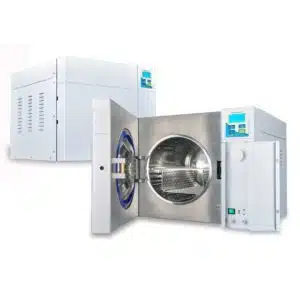
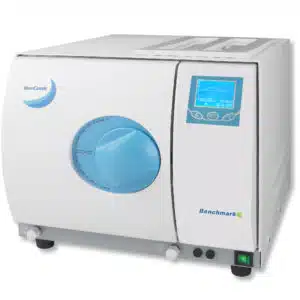
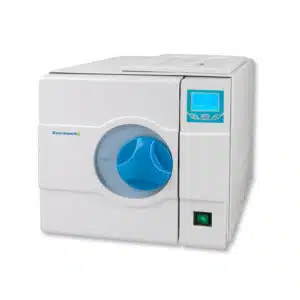
Benchtop sterilizers are compact, space-efficient laboratory autoclaves designed for decentralized sterilization in individual research laboratories, clinical departments, dental offices, veterinary clinics, and small-scale production facilities. These countertop or cart-mounted systems provide chamber capacities from 8 to 75 liters, enabling researchers, laboratory technicians, and healthcare professionals to sterilize instruments, glassware, culture media, and biohazardous waste without relying on centralized sterilization facilities. Modern benchtop sterilizers deliver validated steam sterilization performance in footprints suitable for laboratories with limited floor space, offering programmable cycles, automated documentation, and compliance features previously available only in larger floor-standing sterilizers.
Research laboratories across molecular biology, microbiology, cell culture, and pathology disciplines depend on benchtop autoclaves for daily instrument processing, media preparation, and contamination control. Academic institutions install multiple benchtop units distributed across research groups, providing convenient access to sterilization capacity without the delays associated with transport to central facilities. Clinical laboratories, small animal research facilities, quality control departments, and pharmaceutical R&D labs benefit from benchtop sterilizers offering rapid turnaround times, flexible installation options, and validation capabilities supporting regulatory compliance. Whether supporting routine laboratory operations or specialized applications requiring dedicated sterilization equipment, benchtop systems provide the capacity, reliability, and documentation needed for professional research and clinical environments.
Common Applications & Use Cases for Benchtop Sterilizers
- Microbiology and cell culture laboratories: Daily sterilization of culture vessels, pipettes, bottles, and reusable plasticware supporting bacterial culture, tissue culture, and primary cell research
- Research instrument sterilization: Processing of dissection tools, surgical instruments, forceps, scissors, and specialized laboratory equipment between experiments or animal procedures
- Liquid media and solution preparation: Sterilization of growth media, agar, buffers, saline solutions, and reagents for aseptic applications without autoclaving large batches in centralized facilities
- Biohazardous waste decontamination: Rendering infectious laboratory waste, contaminated pipette tips, culture plates, and disposables safe for disposal in compliance with biosafety regulations
- Small animal research and veterinary clinics: Sterilizing surgical packs, dental instruments, examination tools, and small quantities of materials for rodent surgery, veterinary procedures, and animal husbandry
- Pharmaceutical and biotechnology R&D: Processing of sampling equipment, small production components, quality control materials, and validation test articles in early-stage development laboratories
- Pathology and histology departments: Sterilization of microtome blades, dissection instruments, tissue processing tools, and contaminated supplies in diagnostic and research pathology settings
- Clinical diagnostics and testing laboratories: Processing of specimen collection devices, laboratory glassware, and testing materials requiring terminal sterilization between patient samples
- Cannabis and hemp testing facilities: Sterilizing glassware, extraction equipment, and sampling tools for microbiology testing, potency analysis, and contaminant screening in cannabis laboratories
- University teaching laboratories: Providing accessible sterilization capacity for undergraduate and graduate instruction in microbiology, biochemistry, and life science courses
Types of Benchtop Sterilizers & Autoclave Configurations
Gravity displacement benchtop sterilizers represent the most economical and widely installed configuration, using steam injection to displace air through a bottom drain without vacuum assistance. These systems excel at processing non-porous loads including unwrapped instruments, glassware, metal tools, and simple labware where steam access is not restricted by packaging or complex geometries. Gravity sterilizers offer simple operation, minimal maintenance requirements, and reliable performance for routine laboratory applications, making them ideal first autoclaves for laboratories establishing sterilization capabilities or institutions seeking to distribute basic processing capacity across multiple research areas.
Pre-vacuum benchtop sterilizers incorporate vacuum pumps that remove air from the chamber before steam injection, enabling superior steam penetration into porous materials, wrapped instrument packs, and complex devices with internal channels or lumens. The vacuum evacuation eliminates air pockets that can compromise sterilization efficacy, while post-cycle vacuum drying phases ensure wrapped goods emerge ready for sterile storage or immediate use. Pre-vacuum systems are essential for clinical applications processing wrapped surgical packs, research facilities sterilizing textile materials or animal bedding, and laboratories requiring validated sterilization of complex equipment assemblies. These systems command higher initial investment but deliver faster cycle times, more effective drying, and expanded application versatility compared to gravity models.
Vertical loading benchtop sterilizers feature top-opening doors and vertical chamber orientation, maximizing capacity within limited counter depth while providing ergonomic access for loading tall items like media bottles, flasks, and graduated cylinders. The vertical configuration enables efficient gravity drainage and simplifies chamber cleaning, though operators must exercise care when opening doors immediately after cycles to avoid steam exposure. Front-loading benchtop sterilizers offer horizontal chamber orientation with side-opening doors, facilitating integration with laboratory counters and providing easier loading for heavy items or full instrument trays. Front-loading designs are preferred in facilities where multiple staff access the sterilizer throughout the workday or where installation beneath overhead cabinets is required.
Specialized benchtop configurations include pass-through benchtop sterilizers with doors on opposite sides enabling workflow separation between contaminated loading and sterile receiving areas, valuable for maintaining aseptic processing protocols in cleanroom environments. Combination washer-sterilizer units integrate cleaning and sterilization functions in compact footprints, while rapid cycle benchtop sterilizers employ enhanced steam generation and drying systems to minimize cycle times for high-throughput applications. Laboratories should select configurations matching their specific loading requirements, available space constraints, workflow patterns, and material processing needs.
How to Choose Benchtop Sterilizer Equipment
- Chamber capacity and usable volume: Assess your typical load sizes (number of instrument trays, quantity of bottles, volume of waste) and select chamber capacity providing adequate space without excessive oversizing that extends cycle times
- Gravity vs. pre-vacuum technology: Determine whether your applications require only unwrapped, non-porous loads (gravity sufficient) or include wrapped goods, textiles, or porous materials demanding vacuum-assisted steam penetration
- Cycle flexibility and programmability: Evaluate the variety of loads you process and confirm the sterilizer offers appropriate pre-programmed cycles (unwrapped goods, wrapped goods, liquids, waste) plus custom cycle creation capabilities
- Physical dimensions and installation requirements: Measure available counter or cart space including door swing clearance, verify utility access (water supply, drainage, electrical), and confirm adequate ventilation for steam exhaust
- Throughput and operational demands: Calculate daily cycle frequency and turnaround time requirements to ensure the selected model's cycle times and cooling periods support your workflow without creating processing bottlenecks
- Regulatory and validation requirements: Identify whether your application demands compliance features including FDA 21 CFR Part 11 electronic records, biological indicator ports, validation data packages, or specific certification standards
- Water supply and quality considerations: Determine if your facility can provide adequate water supply for steam generation or if a built-in water reservoir model better suits your installation, and assess water quality requirements
- Documentation and record-keeping needs: Decide between models offering basic printout capability versus advanced electronic data logging, network connectivity, and integration with laboratory information management systems
- Budget and total cost of ownership: Consider not only initial purchase price but also installation costs, ongoing maintenance requirements, consumables (biological indicators, printer supplies), and energy/water consumption
- Service support and parts availability: Verify local service technician availability, preventive maintenance program options, and parts inventory for your selected model to ensure minimal downtime during repairs
Key Features to Compare in Benchtop Autoclave Systems
- Rapid heat-up and cycle times: Advanced steam generators, efficient heating elements, and optimized cycle algorithms reduce total cycle duration from loading to completion, improving throughput in busy laboratories
- User-friendly digital controls: Intuitive touchscreen or button interfaces with clear displays, simple cycle selection, progress indication, and status messaging simplify operation and reduce training requirements
- Comprehensive safety systems: Pressure-interlocked doors preventing premature opening, over-pressure relief valves, over-temperature protection, low-water detection, and automatic shutoff features ensure safe operation
- Effective drying capabilities: Post-cycle drying phases using continued heating, vacuum evacuation, or filtered air circulation ensure glassware and instruments emerge ready for immediate use without manual drying
- Automated cycle documentation: Built-in thermal printers, electronic data capture, USB export, network connectivity, and cloud-based record storage simplify compliance documentation and quality assurance review
- Flexible chamber configurations: Removable or adjustable shelving, various tray sizes, specialized racks for different load types, and accessory options maximize chamber utilization across diverse applications
- Energy and water efficiency: Insulated chambers, heat recovery systems, optimized steam usage, and water conservation features reduce operating costs and environmental impact in high-use installations
- Built-in water systems: Integrated water reservoirs eliminate plumbing requirements for portable installations, while automatic water fill and purification systems simplify fixed installations
- Validation support features: Multiple temperature probe ports, biological indicator access points, programmable test cycles, and comprehensive documentation packages facilitate performance qualification and routine monitoring
- Quiet operation and minimal footprint: Insulated construction reducing operational noise, compact external dimensions, and cable management features enable integration in space-constrained laboratory environments
Maintenance & Best Practices for Benchtop Autoclaves
- Perform daily maintenance including chamber interior inspection for debris or discoloration, door seal cleaning with non-abrasive cleaners, and water reservoir level verification (for reservoir-equipped models)
- Conduct weekly chamber cleaning using appropriate descaling solutions to prevent mineral buildup from water supply, maintaining optimal heat transfer and extending heating element life
- Test biological indicators monthly using Geobacillus stearothermophilus spore strips or vials appropriate for your cycle parameters, incubating according to manufacturer protocols and documenting results
- Inspect and replace door gaskets annually or when visual inspection reveals cracking, deformation, or loss of elasticity that could compromise chamber sealing and sterilization efficacy
- Schedule annual preventive maintenance with qualified service technicians including calibration verification, safety system testing, pressure sensor accuracy confirmation, and comprehensive operational assessment
- Maintain detailed equipment logs documenting cycle parameters, biological indicator results, maintenance activities, repairs, and calibration certificates for regulatory compliance and troubleshooting
- Train all operators on proper loading techniques including appropriate spacing between items, maximum load volumes, correct tray placement, and material-specific cycle selection
- Use only validated cycle parameters for critical applications, avoiding cycle modifications or interruptions that could compromise sterilization and render loads non-sterile
- Monitor cycle printouts or electronic records for each load, investigating any deviations in temperature, pressure, or exposure time before approving materials for use
- Keep spare parts inventory including door seals, temperature sensors, and other consumables to minimize downtime, and maintain contact information for local service support
Frequently Asked Questions About Benchtop Sterilizers
What is the difference between benchtop and floor-standing sterilizers?
Benchtop sterilizers offer chamber capacities typically ranging from 8 to 75 liters, designed for countertop or cart-mounted installation in individual laboratories with limited floor space. Floor-standing sterilizers provide larger capacities from 100 liters to several hundred liters, serving centralized sterilization facilities or high-volume operations processing multiple large loads daily. Benchtop models generally feature simpler installation requirements, lower initial costs, and convenient distributed placement across research groups, while floor-standing units deliver higher throughput, larger chamber access, and features like pass-through doors supporting institutional-scale operations. Many facilities deploy both types: benchtop units for routine daily processing in individual labs and floor-standing models for bulk processing, oversized items, or applications requiring specialized capabilities.
Can benchtop sterilizers process both solid items and liquid media?
Most benchtop sterilizers accommodate both solid loads (instruments, glassware, wrapped goods) and liquid media (culture media, agar, solutions) but require different validated cycles for each application. Solid item cycles use rapid steam injection and fast exhaust for efficient processing, while liquid cycles employ controlled heat-up rates, extended exposure times, and slow exhaust preventing boiling, container breakage, or media degradation from rapid pressure changes. Never run liquid loads using fast exhaust settings due to risk of violent boiling and dangerous container failure. Many laboratories process primarily solid items and use larger bulk sterilizers for liquid media preparation, though benchtop models work well for small-batch media sterilization in decentralized research settings. Always verify your sterilizer offers liquid cycle capability if media processing is required, and follow manufacturer guidelines for maximum container sizes and fill volumes.
How often do benchtop autoclaves need biological indicator testing?
Biological indicator (BI) testing frequency depends on application, regulatory requirements, and institutional quality assurance programs. Research laboratories typically test monthly or quarterly using Geobacillus stearothermophilus spore indicators appropriate for steam sterilization cycles. Clinical facilities often test more frequentlyโweekly or even daily for critical instrument processingโfollowing healthcare accreditation standards. Pharmaceutical and cGMP applications require BI testing according to validation protocols, often including each load for critical materials or weekly testing with comprehensive documentation for routine processing. Additionally, conduct BI testing after any service, repairs affecting sterilization parameters, or relocation of the equipment. Many facilities implement integrating chemical indicators in every load providing immediate cycle verification supplementing periodic BI testing. Establish testing frequency appropriate for your application's risk level and document all results in equipment logs.
What installation requirements do benchtop sterilizers have?
Basic benchtop sterilizers require sturdy counter or cart surfaces supporting equipment weight (50-150 kg depending on model), electrical service (typically 120V or 208-240V depending on capacity), and adequate clearance for door opening, loading access, and ventilation around the unit. Models with built-in water reservoirs need only electrical connection and manual reservoir filling, while models connecting to building water supplies require ยผ" or ยฝ" supply lines with appropriate pressure and flow rates. All installations require drainage access for condensate either through gravity drain lines or collection containers requiring periodic emptying. Ensure adequate clearance above the unit for steam exhaust venting and around sides for service access. Some jurisdictions require pressure vessel certification or periodic inspection for steam sterilizers, so verify local codes before installation. Professional installation ensures proper utility connections, validates performance, and provides documentation supporting regulatory compliance.
Can I sterilize biohazardous waste in a benchtop autoclave?
Yes, benchtop sterilizers effectively decontaminate biohazardous laboratory waste including culture plates, pipette tips, contaminated glassware, and disposable supplies, rendering them safe for disposal in regular waste streams. Use dedicated waste decontamination cycles with extended exposure times ensuring complete inactivation of all microorganisms including resistant bacterial spores. Load waste in autoclavable bags or containers designed to withstand sterilization without melting or failing, and avoid overloading chambers which can prevent adequate steam penetration. Many facilities designate specific benchtop units exclusively for waste processing, preventing cross-contamination concerns with instruments or media preparation equipment. Document waste sterilization cycles and periodically validate efficacy using biological indicators to demonstrate compliance with institutional biosafety policies and environmental regulations. For high-volume waste processing, consider larger sterilization room systems offering greater capacity and throughput than benchtop models.
What chamber capacity should I choose for my laboratory?
Select chamber capacity based on your largest typical load size plus 20-30% additional volume for proper steam circulation and future growth. A 23-liter (approximately 0.8 cu ft) benchtop sterilizer accommodates small instrument sets, several media bottles, or moderate quantities of glassware suitable for individual researcher use. Mid-size 40-50 liter units serve small research groups processing larger instrument trays, multiple flasks, or consolidated daily waste. Laboratories requiring processing of larger volumes, full instrument sets, or serving multiple researchers benefit from 60-75 liter benchtop models approaching the capacity of small floor-standing units. Consider cycle frequency and turnaround time requirements: processing three 25-liter loads daily may be more efficient than one 75-liter load if items arrive for sterilization throughout the workday. Oversizing chambers unnecessarily extends cycle times and increases energy consumption, while undersizing creates processing bottlenecks during peak demand periods.
Are benchtop sterilizers suitable for pharmaceutical or GMP applications?
Benchtop sterilizers can support pharmaceutical R&D and early-stage GMP applications when properly validated and documented, though large-scale production typically employs larger systems with more advanced compliance features. Select models offering FDA 21 CFR Part 11-compliant electronic records with audit trails, user authentication, and secure data storage supporting regulatory requirements. Ensure the manufacturer provides comprehensive validation documentation including installation qualification (IQ), operational qualification (OQ), and performance qualification (PQ) protocols. Benchtop units work well for processing small-scale production equipment, sampling devices, quality control materials, and validation test articles in cGMP environments. Maintain detailed standard operating procedures, perform biological indicator testing according to validation protocols, conduct annual requalification, and document all maintenance activities. For commercial-scale pharmaceutical production, facilities typically specify larger validated sterilization systems with enhanced automation, capacity, and documentation capabilities.
Related Laboratory Sterilization & Processing Equipment
Benchtop sterilizers function as part of comprehensive laboratory processing infrastructure. Consider these complementary equipment categories when establishing sterilization capabilities:
- Floor-standing steam sterilizers โ Larger capacity systems for centralized sterilization facilities and high-volume processing operations
- Dry heat sterilizers โ Alternative sterilization for moisture-sensitive materials, oils, powders, and glassware requiring depyrogenation
- Laboratory glassware washers โ Automated cleaning systems processing reusable items before sterilization
- Biological safety cabinets โ Containment equipment for aseptic processing and handling of sterile materials after sterilization
- Laboratory incubators โ Temperature-controlled chambers for biological indicator incubation and sterility testing
- Decontamination systems โ Complementary technologies including hydrogen peroxide vapor for space and surface decontamination
Request Benchtop Sterilizer Consultation and Quotation
Selecting the optimal benchtop sterilizer requires careful evaluation of chamber capacity, cycle capabilities, validation requirements, installation constraints, and budget considerations. ARES Scientific's laboratory equipment specialists provide expert consultation helping research institutions, pharmaceutical development labs, clinical facilities, and veterinary practices specify benchtop autoclaves matching their unique processing needs. Our team evaluates your applications, reviews material compatibility, assesses regulatory requirements, and recommends systems from leading manufacturers including Consolidated Sterilizer Systems and other trusted brands delivering validated performance, reliability, and long-term value.
We support complete project implementation from specification through delivery, installation coordination, operator training, and validation assistance ensuring your sterilizer meets performance expectations and regulatory standards. Our technical expertise helps laboratories avoid common specification errors, understand total cost of ownership, and select configurations supporting both current operations and future growth. Contact ARES Scientific today to discuss your benchtop sterilization requirements, receive detailed equipment specifications and competitive pricing, or request application-specific recommendations for your laboratory. Our consultative approach ensures you invest in sterilization equipment supporting research productivity, regulatory compliance, biosafety protocols, and operational efficiency throughout years of reliable service.