Laboratory Glassware Washers & Automated Cleaning Systems
Laboratory glassware washers are automated cleaning systems designed to process reusable laboratory glassware, plasticware, utensils, and equipment through validated washing and rinsing cycles, eliminating manual scrubbing while ensuring consistent cleaning results and contaminant removal. These specialized washers employ high-temperature water jets, precision detergent dosing, and multiple rinse phases to remove residues from beakers, flasks, bottles, pipettes, test tubes, and laboratory instruments, preparing items for reuse or subsequent sterilization processes. Academic research institutions, pharmaceutical quality control laboratories, clinical diagnostics facilities, and industrial testing labs rely on glassware washers to improve laboratory efficiency, reduce manual labor costs, enhance cleaning consistency, and support regulatory compliance requiring validated cleaning procedures for reusable laboratory items.
Modern laboratory washers integrate advanced features including programmable cleaning cycles, automated detergent and rinse aid dispensing, conductivity monitoring ensuring final rinse water purity, thermal disinfection capabilities, and comprehensive data logging documenting each wash cycle. Unlike manual washing that introduces variability based on operator technique and attention to detail, automated glassware washers deliver reproducible cleaning performance meeting the stringent requirements of cGMP pharmaceutical manufacturing, clinical diagnostics under CLIA regulations, and research applications where residual contaminants could compromise experimental results. Facilities processing dozens to hundreds of items daily benefit from the labor savings, throughput capacity, and documented cleaning validation that laboratory glassware washers provide, while also reducing repetitive strain injuries associated with manual washing and improving laboratory safety by minimizing chemical exposure during cleaning operations.
Common Applications & Use Cases for Laboratory Washers
- Analytical chemistry and quality control laboratories: Processing glassware, sample containers, volumetric equipment, and analytical instruments requiring trace-level cleanliness for pharmaceutical testing, environmental analysis, and materials characterization
- Microbiology and cell culture laboratories: Cleaning culture flasks, media bottles, petri dishes, spreading rods, and microbiological equipment removing biological residues before steam sterilization in academic and clinical microbiology settings
- Molecular biology and genomics facilities: Processing PCR tubes, microcentrifuge tubes, pipette tips, and molecular biology plasticware removing nucleases, proteases, and amplicon contamination affecting sensitive assays
- Pharmaceutical manufacturing and quality control: Validated cleaning of production glassware, sampling equipment, testing apparatus, and quality control materials meeting FDA requirements for equipment cleaning and cross-contamination prevention
- Clinical and diagnostic laboratories: High-throughput processing of specimen containers, testing tubes, reagent bottles, and clinical laboratory glassware supporting patient sample analysis and diagnostic testing workflows
- University teaching laboratories: Bulk processing of student laboratory glassware, demonstration equipment, and instructional materials supporting undergraduate and graduate education in chemistry, biology, and life sciences
- Environmental testing facilities: Cleaning sample bottles, extraction vessels, and analytical glassware removing environmental contaminants to blank levels supporting water quality testing, soil analysis, and air monitoring programs
- Food and beverage testing laboratories: Processing glassware used in nutritional analysis, microbial testing, and quality assurance for food manufacturing, brewery operations, and agricultural testing
- Petrochemical and materials testing: Removing oils, polymers, and industrial residues from laboratory glassware supporting petroleum analysis, polymer characterization, and materials science research
- Animal research facility support: Washing water bottles, feeding equipment, and laboratory glassware supporting animal care operations and research activities in vivarium facilities
Types of Laboratory Glassware Washers & System Configurations
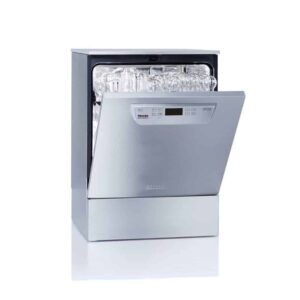
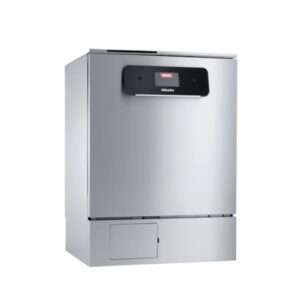
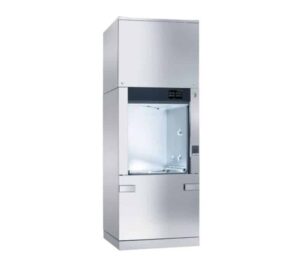
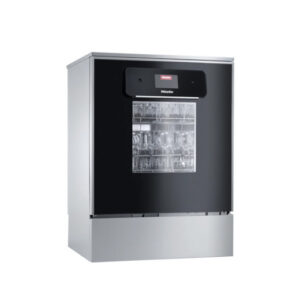
Undercounter laboratory washers provide space-efficient solutions for individual laboratories and small departments, installing beneath standard laboratory countertops with front-loading access similar to residential dishwashers. These compact systems typically offer 2-4 cubic feet of interior capacity, processing 40-80 pieces of glassware per cycle depending on item sizes and rack configurations. Undercounter models serve laboratories with moderate daily washing requirements (1-3 loads), limited floor space, or distributed washing needs where multiple small washers across different research areas provide more convenient access than centralized large-capacity systems. Modern undercounter washers incorporate programmable cycles, detergent dosing systems, and validation features previously available only in larger equipment, making them suitable for quality-conscious laboratories requiring documented cleaning performance in compact installations.
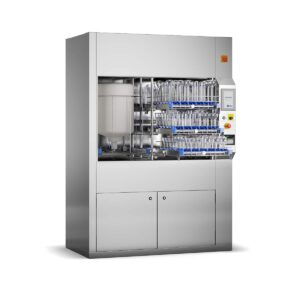
Freestanding glassware washers represent mid-capacity floor-standing systems offering 4-8 cubic feet of interior space, processing 100-200+ items per cycle and serving centralized glassware washing facilities, core laboratories, or departments with moderate to high daily throughput requirements. These systems feature flexible chamber configurations accommodating various glassware sizes from small tubes to large flasks, multiple spray arm arrays ensuring coverage throughout the chamber, and sophisticated control systems with extensive cycle programming capabilities. Freestanding models balance capacity, footprint, and features, providing the optimal solution for many research institutions, quality control departments, and clinical laboratories requiring reliable automated cleaning without the space and utility demands of the largest industrial systems.
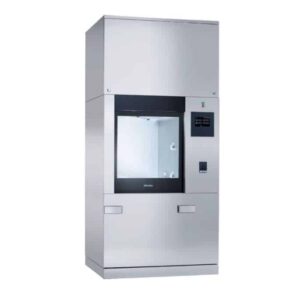
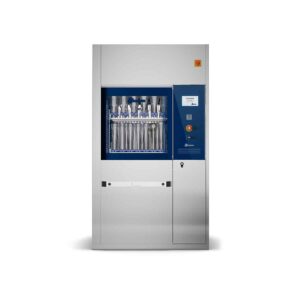
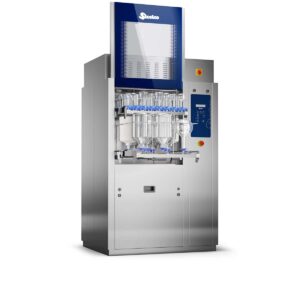
Large-capacity laboratory washers deliver the highest throughput for institutional core facilities, centralized glassware services, and pharmaceutical manufacturing operations processing hundreds to thousands of items daily. These systems offer 8-15+ cubic feet of chamber capacity, accommodating full carts of glassware, bulk processing racks, and oversized items like large carboys and production vessels. Large-capacity washers incorporate advanced features including multiple independent washing zones, sophisticated water treatment systems, enhanced drying capabilities, and comprehensive validation documentation supporting cGMP manufacturing requirements. Many installations include automated loading systems, integrated cart washers, and material handling equipment creating complete glassware processing workflows from contaminated receiving through washing, drying, and sterile storage.
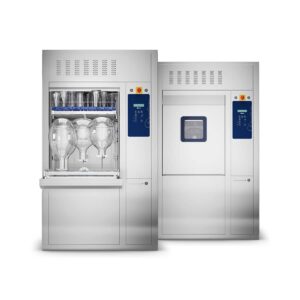
Specialized configurations include tunnel washers with continuous conveyor systems for ultra-high volume pharmaceutical production environments, ultrasonic glassware washers combining traditional spray washing with ultrasonic cleaning for removing difficult residues from complex geometries, and combination washer-dryers integrating heated drying systems eliminating the need for separate glassware drying cabinets. Some facilities implement pass-through laboratory washers with double-door designs enabling workflow separation between contaminated loading and clean unloading areas, particularly valuable in pharmaceutical manufacturing and clinical laboratories maintaining strict contamination control protocols.
How to Choose Laboratory Glassware Washing Equipment
- Daily washing volume and throughput needs: Calculate your typical and peak daily glassware processing requirements accounting for item types, sizes, and research activity patterns to select capacity preventing workflow bottlenecks during high-demand periods
- Glassware types and cleaning challenges: Assess the variety of items requiring washing (narrow-neck bottles, pipettes, complex apparatus, plasticware) and residue types (organic solvents, biological materials, inorganic salts, oils) ensuring selected equipment offers appropriate wash programs and rack accessories
- Space constraints and installation requirements: Measure available space, verify utility access (hot and cold water supply, drainage, electrical service, ventilation), and determine whether undercounter, freestanding, or large-capacity configuration best fits your facility layout
- Water quality and final rinse purity requirements: Determine whether your applications require purified water rinses, deionized water final rinses, or conductivity monitoring validating rinse water quality for analytical work or pharmaceutical manufacturing
- Validation and documentation needs: Identify regulatory requirements (FDA 21 CFR Part 11, cGMP, CLIA, institutional protocols) determining necessary validation features including cycle documentation, data logging, electronic records, and performance qualification support
- Cycle time and laboratory workflow integration: Consider typical cycle durations (30-120 minutes depending on program complexity) and whether rapid cycles, overnight processing, or maintaining processed glassware inventory best supports your laboratory operations
- Detergent compatibility and chemistry options: Evaluate whether equipment accommodates your preferred laboratory detergents, offers automated dispensing systems, and supports various chemistries (alkaline, acidic, enzymatic, specialized residue removers) for diverse cleaning applications
- Drying requirements and post-wash handling: Determine whether integrated drying cycles, separate drying cabinets, or air-drying methods best suit your needs based on immediate item reuse requirements and sterile storage protocols
- Budget including installation and validation: Account for equipment purchase price, utility connections, facility modifications, validation studies, operator training, ongoing detergent and rinse aid costs, and maintenance contract expenses
- Service support and parts availability: Verify local service technician availability, preventive maintenance program options, spare parts inventory accessibility, and manufacturer support quality ensuring minimal downtime affecting laboratory operations
Key Features to Compare in Glassware Washing Systems
- Multiple programmable washing cycles: Diverse pre-programmed cycles addressing different contamination types, glassware materials, and cleanliness requirements, plus custom cycle creation capability accommodating unique laboratory applications and validation protocols
- Automated detergent and rinse aid dispensing: Precise liquid or powder detergent injection systems, automatic rinse aid dosing, and optional acid or enzymatic cleaner dispensers ensure consistent chemistry delivery eliminating manual dosing variability
- High-pressure spray systems with complete coverage: Multiple rotating spray arms at various chamber heights, targeted jets for difficult-to-reach areas, oscillating wash arms, and variable pressure settings ensure thorough cleaning of complex glassware geometries
- Superior rinsing and water quality monitoring: Multiple rinse phases with temperature control, conductivity sensors verifying final rinse purity, optional purified water or deionized water connections, and documented rinse quality supporting analytical applications
- Effective drying systems: Heated drying cycles with forced air circulation, HEPA-filtered air for contamination-free drying, vacuum-assisted moisture removal, and extended drying programs ensuring glassware emerges ready for immediate use or sterile storage
- Flexible loading and rack configurations: Adjustable shelving, specialized inserts for pipettes and small tubes, bottle carriers accommodating various sizes, moveable injectors for internal washing of bottles, and custom racks maximizing chamber utilization across diverse glassware types
- Comprehensive data logging and validation support: Cycle parameter recording, printout capability, USB data export, network connectivity, electronic batch records meeting 21 CFR Part 11 standards, and alarm documentation supporting regulatory compliance
- Energy and water efficiency features: Heat recovery systems, optimized water volume usage, variable cycle intensities matching contamination levels, and intelligent resource management reducing operational costs and environmental impact
- Robust construction for laboratory environments: Stainless steel chambers and components resisting corrosion, chemical-resistant seals and gaskets, reinforced doors and hinges withstanding heavy use, and sanitary design facilitating cleaning and maintenance
- User-friendly controls and safety features: Intuitive touchscreen or button interfaces, clear status displays, progress indicators, door interlocks preventing mid-cycle opening, leak detection systems, and comprehensive alarm notifications
Maintenance & Best Practices for Laboratory Glassware Washers
- Inspect and clean spray arms weekly by removing arms and flushing spray nozzles with water, removing any debris or mineral deposits obstructing water flow and compromising cleaning performance
- Clean chamber interiors and door seals weekly using mild detergents and soft cloths, removing accumulated residues, mineral deposits, or biological films that could contaminate future loads or affect washing efficacy
- Verify wash and rinse temperatures monthly using calibrated thermometers or data loggers, confirming equipment achieves specified temperature setpoints throughout all cycle phases
- Test conductivity meters and sensors quarterly if installed, using calibration solutions verifying accurate final rinse water quality measurements supporting analytical laboratory requirements
- Descale water systems quarterly or as needed based on water hardness, following manufacturer procedures using appropriate descaling agents preventing mineral buildup affecting heating elements, spray systems, and pump performance
- Inspect door gaskets and seals quarterly for wear, cracking, or compression set that could cause leaks or compromise chamber pressure during washing, replacing damaged seals promptly
- Clean or replace water inlet filters monthly preventing debris from entering the washer, protecting pumps and spray systems while maintaining water flow rates and pressure
- Document all maintenance activities including routine cleaning, filter replacements, descaling procedures, repairs, and service calls in equipment logs supporting regulatory compliance and troubleshooting
- Train all operators on proper loading techniques including appropriate item placement, avoiding overloading, selecting correct wash programs, and verifying final rinse quality before approving loads for use
- Implement routine validation checks using cleaning verification tests (protein assays, ATP bioluminescence, visual inspection) confirming adequate residue removal and maintaining validated cleaning status
- Schedule annual preventive maintenance with qualified service technicians including pump inspection, heating element testing, thermostat calibration, spray arm alignment, and comprehensive operational verification
Frequently Asked Questions About Laboratory Glassware Washers
How do laboratory glassware washers differ from standard dishwashers?
Laboratory glassware washers are purpose-built for scientific applications requiring superior cleaning performance, documented validation, and contamination removal to levels far exceeding standard dishwashers. Key differences include: higher wash and rinse temperatures (often 90-95°C), multiple rinse phases with optional purified or deionized water final rinses, conductivity monitoring verifying rinse water purity, specialized racks accommodating laboratory glassware shapes, stronger detergents formulated for laboratory residues, comprehensive cycle documentation and data logging, and construction materials resistant to harsh laboratory chemicals. Laboratory washers remove trace-level contaminants affecting analytical results, biological residues requiring complete inactivation, and chemical residues interfering with sensitive assays—performance impossible with residential or commercial dishwashers. Regulatory compliance for pharmaceutical, clinical, or research applications requires validated laboratory washers with documented cleaning performance and equipment qualification protocols.
Can laboratory washers accommodate both glassware and plasticware?
Yes, most modern laboratory washers effectively process both borosilicate glassware and autoclavable plasticware including polypropylene, polycarbonate, and certain other laboratory plastics, though cycle selection and temperature settings must match material specifications. Plasticware typically requires lower wash temperatures (60-75°C) preventing melting, warping, or degradation compared to high-temperature glass cycles (85-95°C). Many washers offer dedicated plastic washing programs with appropriate temperature limits and extended exposure times compensating for reduced thermal cleaning effectiveness. Verify plastic item heat tolerance before washing, avoid mixing materials with vastly different temperature requirements in single loads, and use racks or accessories preventing lightweight plastic items from displacement during washing. Some delicate plastics, disposable items, or specialty materials may be incompatible with automated washing and require hand cleaning or replacement rather than reuse.
What type of water is required for laboratory glassware washers?
Most laboratory washers connect to standard building hot and cold water supplies for wash phases, with optional purified water or deionized (DI) water connections for final rinses when applications require ultra-clean glassware. Standard municipal water suffices for routine washing, though water hardness affects detergent performance and equipment maintenance frequency—facilities with very hard water may benefit from water softeners preventing excessive mineral buildup. Analytical chemistry laboratories, pharmaceutical quality control, and applications where trace-level contamination affects results often specify purified water or DI water final rinses, requiring dedicated purified water supply lines or integration with laboratory water purification systems. Some washer models include optional conductivity monitoring verifying final rinse water quality meets specifications (typically <10 μS/cm for purified water, <1 μS/cm for DI water). Facilities lacking purified water infrastructure can use standard water with careful monitoring and validation if final contamination levels meet application requirements.
How long do typical washing cycles take?
Cycle duration varies significantly based on program intensity, contamination level, and desired final cleanliness, typically ranging from 30 minutes for rapid light-duty cycles to 2+ hours for intensive cleaning programs with multiple rinse phases. Standard glassware cycles average 60-90 minutes including pre-rinse, detergent wash, multiple intermediate rinses, final rinse, and optional heated drying phases. Short cycles (30-45 minutes) work for lightly contaminated items or routine daily glassware, while intensive programs with extended wash times, elevated temperatures, and additional rinse phases tackle difficult residues, analytical glassware, or pharmaceutical applications requiring exhaustive cleaning. Validated pharmaceutical cycles often exceed 90-120 minutes ensuring documented contamination removal and regulatory compliance. Laboratories should select cycle durations balancing cleaning requirements with operational throughput needs, potentially running longer overnight cycles for heavily contaminated items while using faster programs for routine processing during working hours.
Do glassware washers replace manual washing completely?
Laboratory glassware washers handle the majority of routine reusable item processing, but some materials, specialized equipment, and specific situations still require manual washing. Items unsuitable for automated washing include: delicate or antique glassware prone to breakage, equipment with electronic components or sensitive gauges, items too large for washer chambers, heat-sensitive plastics below washer temperature minimums, and apparatus with complex internal geometries requiring disassembly for adequate cleaning. Heavily contaminated items with baked-on residues may benefit from manual pre-cleaning before washer processing, while analytical glassware requiring absolute cleanliness sometimes receives manual final inspection and spot-cleaning after automated washing. Most laboratories use washers for 70-90% of routine processing while maintaining manual washing capabilities for specialty items. The efficiency gains, labor cost reduction, and cleaning consistency from automated washing far outweigh the small percentage of items still requiring manual attention, making glassware washers essential investments for facilities processing significant daily volumes.
How do I validate glassware washer cleaning performance?
Laboratory washer validation follows principles similar to sterilizer qualification, including Installation Qualification (IQ) documenting proper installation and utility connections, Operational Qualification (OQ) verifying the washer operates according to specifications across all programmable parameters, and Performance Qualification (PQ) demonstrating consistent cleaning performance for actual laboratory glassware and contamination types. PQ studies employ worst-case challenge loads with deliberately contaminated test items using representative residues (proteins, oils, salts, biological materials), followed by analytical testing confirming adequate removal (visual inspection, residual protein assays, ATP bioluminescence, conductivity testing, specific contaminant analysis). Establish validated cleaning cycles with documented parameters (time, temperature, detergent concentration, rinse quality), loading patterns, and acceptance criteria. Ongoing validation includes routine cleaning verification, periodic re-qualification (annually or after equipment changes), and comprehensive documentation supporting regulatory inspections. Pharmaceutical and clinical applications require particularly rigorous validation with extensive documentation meeting FDA, CLIA, or institutional requirements.
What ongoing costs should I budget for laboratory glassware washers?
Beyond initial equipment purchase and installation, budget for ongoing operational costs including water consumption (50-200 gallons per cycle depending on washer size and program), electricity for heating water and drying (varies with local rates and cycle frequency), laboratory detergents and rinse aids ($500-3,000 annually depending on volume and chemistry), and preventive maintenance contracts ($1,000-5,000 annually based on system complexity and service provider). Additional expenses include replacement parts like spray arms, door gaskets, pumps, and heating elements (budget $500-2,000 annually for parts reserve), water treatment or descaling supplies ($200-500 annually), validation and calibration services if required ($500-2,000 annually), and operator training for new staff. Large facilities with high daily throughput should also budget for purified water supply costs if final rinses require DI water. Total annual operating costs typically range from $2,000-8,000 for small undercounter units to $10,000-25,000+ for large-capacity systems running multiple daily cycles. Energy-efficient models, optimized detergent dosing, and proper maintenance significantly reduce long-term operating expenses.
Related Laboratory Washing & Processing Equipment
Laboratory glassware washers integrate into comprehensive laboratory processing infrastructure alongside complementary equipment supporting research operations and quality programs. Consider these related equipment categories:
Request Laboratory Glassware Washer Consultation and Quotation
Selecting optimal laboratory glassware washing equipment requires careful analysis of daily processing volumes, glassware types, cleaning requirements, space constraints, validation needs, and budget considerations. ARES Scientific's laboratory equipment specialists provide comprehensive consultation services helping research institutions, pharmaceutical quality control laboratories, clinical diagnostics facilities, and industrial testing operations specify glassware washers matching their unique processing needs and regulatory requirements. Our team evaluates your specific applications, reviews contamination challenges, assesses facility infrastructure, calculates throughput requirements, and recommends systems from leading manufacturers including Miele and other trusted brands delivering reliable cleaning performance, validation support, and long-term value.
We support complete project implementation from specification through installation coordination, utility planning, validation protocol development, performance qualification, operator training, and ongoing technical support ensuring your glassware washer meets cleaning performance expectations and regulatory standards. Our extensive experience with laboratory washing and processing equipment helps organizations avoid common specification errors, optimize facility integration, select appropriate capacity and features, and implement best practices supporting research productivity, regulatory compliance, contamination control, and operational efficiency. Contact ARES Scientific today to discuss your laboratory glassware washing requirements, receive detailed equipment specifications and competitive pricing, schedule a facility consultation, or request application-specific recommendations for your laboratory operations. Our consultative approach ensures you invest in washing equipment supporting high-quality research, analytical accuracy, regulatory compliance, and operational success throughout years of reliable service in demanding laboratory environments.






![Miele PLW 8683 CD [U DC5 LAN] undercounter laboratory glassware washer with DryPlus hot-air drying](https://aresscientific.com/wp-content/uploads/2022/06/Miele-8683-300x300.jpg)