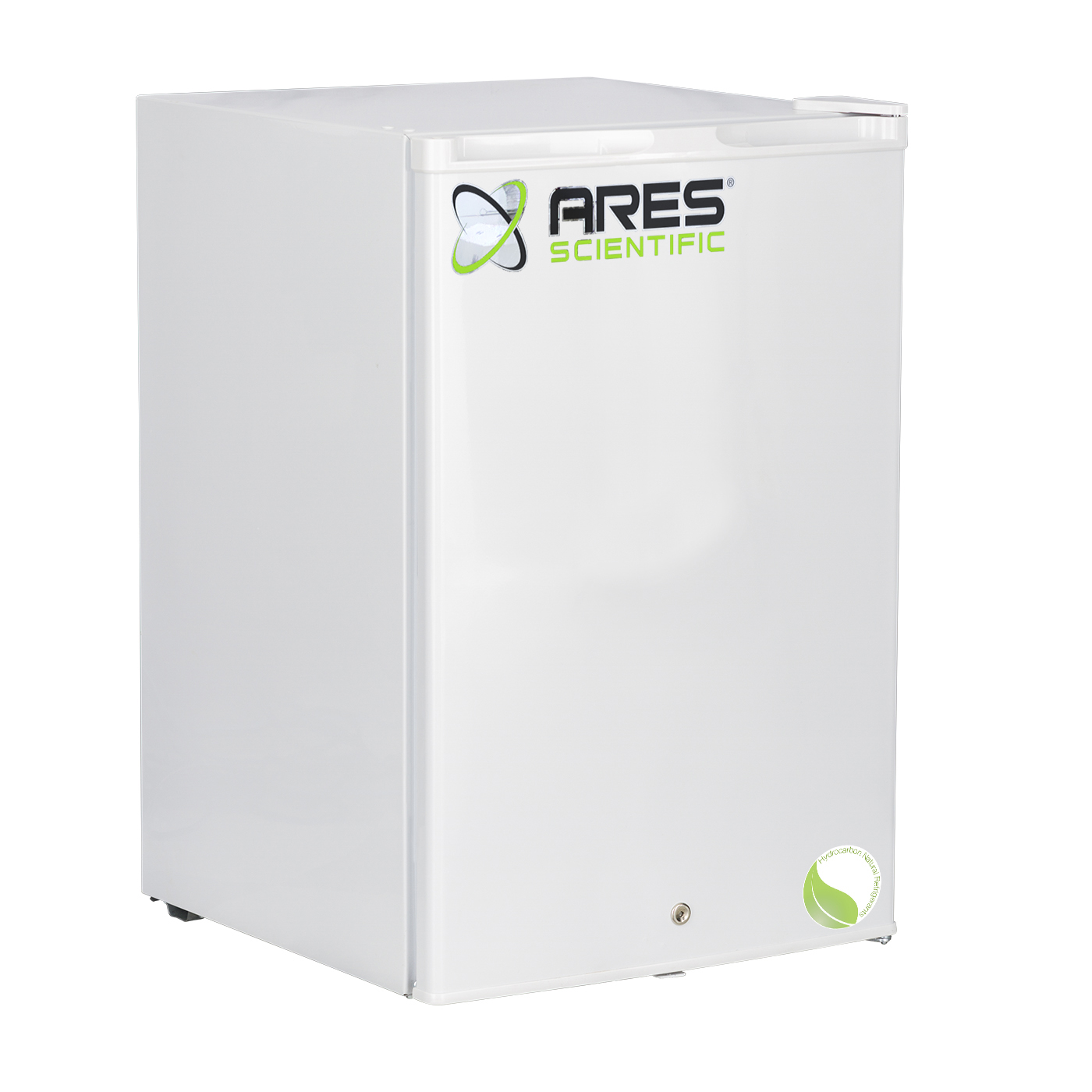
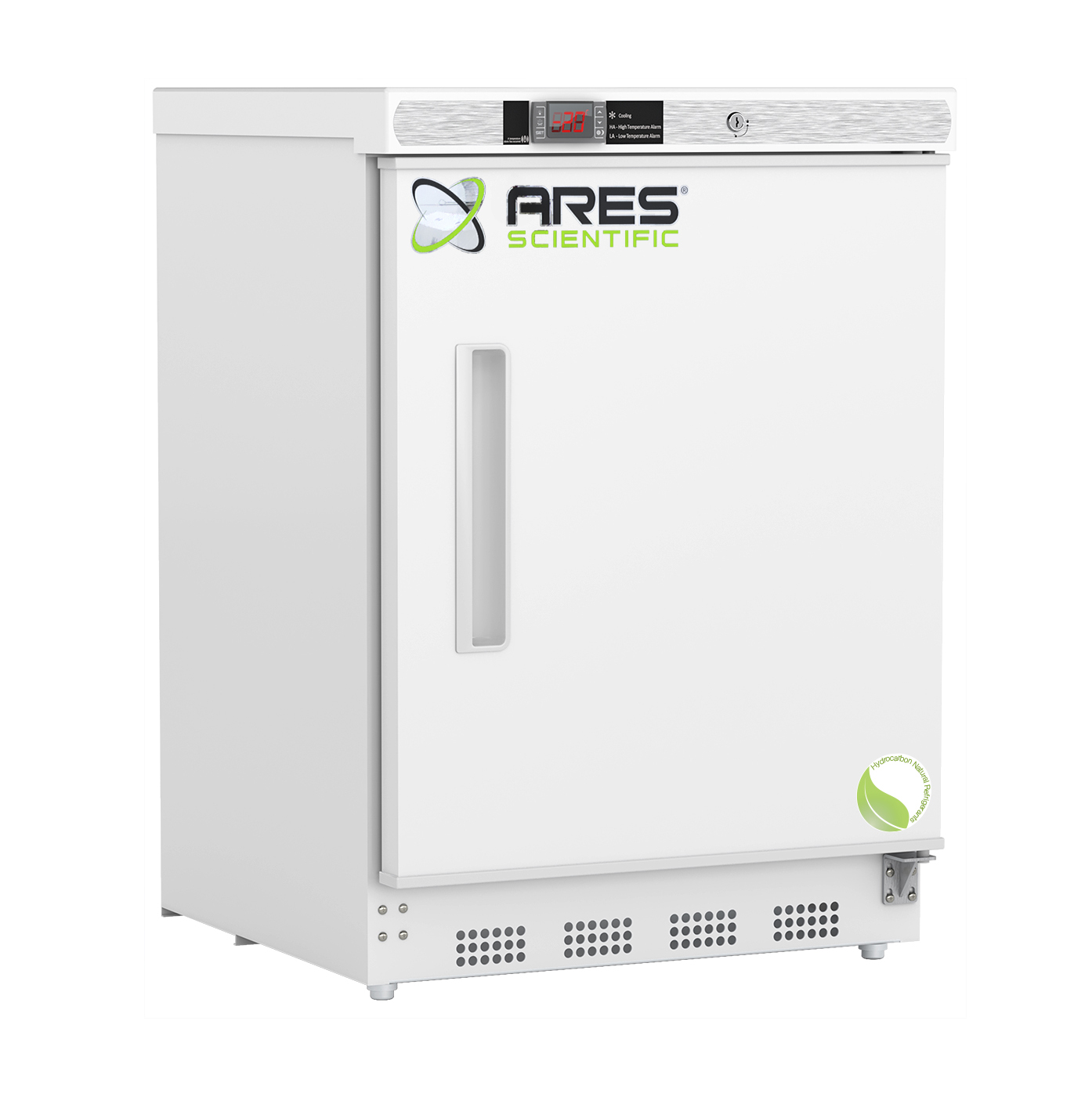
Laboratory Undercounter Freezers for Professional Cold Storage

Space-efficient under-counter freezers provide critical cold storage solutions for laboratories, medical facilities, and research institutions where floor space is at a premium. These compact laboratory freezers deliver reliable temperature control while fitting seamlessly beneath benchtops and counters, maximizing your workspace without compromising storage capacity. Whether you're preserving biological samples, pharmaceuticals, or research materials, undercounter laboratory freezers combine professional-grade performance with a space-saving footprint.

Why Choose Under Bench Freezers for Your Lab?

Under bench laboratory freezers offer distinct advantages over traditional upright models. Their compact design allows installation directly beneath workstations, keeping temperature-sensitive materials within arm's reach while freeing valuable floor space for other essential equipment. Most models maintain temperatures ranging from -15°C to -25°C, with some specialized units reaching -30°C for more demanding applications.

The strategic placement of undercounter models reduces the time samples spend outside controlled temperatures during retrieval. This proximity to work areas improves workflow efficiency in busy laboratories where researchers frequently access stored materials. Additionally, the lower profile makes these units more accessible than standard upright freezers, particularly in facilities requiring ADA-compliant equipment.

Medical-Grade Temperature Control

Professional laboratory freezers feature advanced temperature monitoring systems that maintain precise conditions essential for sample integrity. Microprocessor controllers with digital displays provide real-time temperature feedback, while integrated alarm systems alert staff to any deviations from setpoints. Many models include data logging capabilities and remote monitoring ports, ensuring compliance with regulatory requirements for pharmaceutical and clinical applications.

Applications Across Scientific and Medical Fields

Undercounter freezer units serve diverse purposes across multiple sectors. Clinical laboratories use them to store vaccines, reagents, and patient samples requiring consistent sub-zero temperatures. Research facilities rely on these compact freezers for preserving cell cultures, enzymes, and other biological materials. Pharmaceutical operations utilize them for storing temperature-sensitive medications and compounds under stringent quality control conditions.

Blood banks and transfusion services employ specialized models for blood product storage, while pathology departments integrate them into grossing stations and dissection table setups. The versatility of undercounter laboratory freezers makes them valuable additions to hospital pharmacies, veterinary clinics, and academic research laboratories.

Key Features That Matter

Modern under counter laboratory freezers incorporate several essential features. Manual defrost models provide superior temperature stability for critical samples, while auto-defrost options reduce maintenance requirements in high-volume environments. Front-breathing designs enable installation flush against walls or within cabinetry, maximizing space utilization without compromising ventilation.

Security features include keyed locks and digital access controls to prevent unauthorized entry. Adjustable shelving and drawer configurations accommodate various sample sizes and storage requirements. Stainless steel construction ensures durability and easy cleaning, essential for maintaining hygienic laboratory conditions. Many units offer both solid and glass door options, with glass doors providing visibility without temperature disruption.

Selecting the Right Capacity for Your Needs

Undercounter models typically range from 1.8 to 5.2 cubic feet in capacity. Smaller countertop freezers (1.4 to 2.5 cu ft) suit individual workstations or specialized applications with limited storage needs. Mid-range units (3.5 to 4.5 cu ft) serve as primary storage for small to medium laboratories, while larger 5+ cubic foot models provide substantial capacity comparable to some full-size upright freezers.

Consider future growth when sizing your freezer. A unit operating near capacity may experience more frequent temperature fluctuations and reduced efficiency. For facilities anticipating expansion, investing in additional capacity now can prove more cost-effective than purchasing supplementary units later. Alternative cold storage solutions include full-size upright models and ultra-low temperature freezers for specialized applications.

Energy Efficiency and Operating Costs

Under bench freezers generally consume less energy than larger upright models due to their smaller volume and improved insulation. The reduced interior space requires less power to maintain setpoint temperatures, especially during door openings. However, operating costs vary significantly based on insulation quality, compressor efficiency, and defrost cycle frequency.

Modern energy-efficient models utilize hydrocarbon (HC) refrigerants that reduce environmental impact while maintaining excellent cooling performance. Look for units with thick foam insulation and high-quality door seals that minimize temperature losses. Some manufacturers offer ENERGY STAR certified models that deliver superior efficiency without compromising storage conditions.

Integration with Laboratory Infrastructure

Proper installation ensures optimal performance and longevity. Built-in models require adequate front ventilation clearance, typically 2-4 inches, while freestanding units may need additional side clearances. Electrical requirements usually call for standard 115V outlets, though some high-capacity or ultra-low temperature models require dedicated circuits.

Many laboratories integrate undercounter freezers with laboratory washers and other benchtop equipment to create efficient workflow zones. Consider proximity to related equipment like laboratory refrigerators, centrifuges, and incubators when planning laboratory layouts.

Maintenance Best Practices for Longevity

Regular maintenance extends freezer lifespan and ensures consistent performance. Manual defrost units require periodic defrosting when frost buildup exceeds 1/4 inch, typically every 3-6 months depending on usage patterns. This process involves transferring samples to temporary storage, allowing ice to melt completely, and cleaning interior surfaces.

Routine maintenance includes cleaning condenser coils quarterly, checking door seals for wear, and verifying alarm function monthly. Calibrate temperature displays annually using NIST-traceable thermometers to ensure accuracy. Replace worn door gaskets promptly, as compromised seals significantly increase energy consumption and temperature variability.

Compliance and Regulatory Considerations

Healthcare and pharmaceutical facilities must adhere to specific regulations governing cold storage. NSF/ANSI 456 certification confirms vaccine storage standards compliance, while CDC guidelines provide best practices for immunization programs. FDA regulations may apply to pharmaceutical storage, requiring detailed temperature monitoring and documentation.

Many laboratory freezers include features supporting regulatory compliance, such as password-protected controls, automatic data logging, and remote alarm contacts. These capabilities facilitate validation protocols and audit trail documentation. For facilities requiring sterilization and autoclaving equipment alongside cold storage, comprehensive equipment validation becomes even more critical.

Comparing Under Counter Options

When evaluating different models, compare temperature range, recovery time after door openings, and alarm capabilities. Temperature uniformity throughout the interior prevents hot spots that could compromise sample quality. Recovery time indicates how quickly the unit returns to setpoint after access, crucial for frequently accessed storage.

Noise levels matter in laboratory environments where precision work requires concentration. Look for units with sound-dampening features or those certified for low noise operation. Drawer-style models often provide quieter operation than swing-door versions while offering improved organization for smaller samples.

Installation and Space Planning

Measure available space carefully, accounting for door swing clearance and service access. Built-in models typically require precise dimensional fit within cabinetry, while freestanding units offer more flexibility. Consider ADA height requirements if accessibility matters - standard countertop height is 34 inches, while ADA-compliant installations max out at 32 inches.

Plan electrical service during facility design or renovation. Running dedicated circuits for laboratory equipment prevents overloading and ensures reliable operation. Some facilities incorporate backup power for critical storage units, protecting samples during outages. Larger operations may benefit from upright ULT freezers with integrated backup systems.

Specialized Applications and Configurations

Certain applications require specialized freezer configurations. Flammable material storage demands explosion-proof models with sealed electrical components and spark-free interiors meeting NFPA and OSHA standards. Pharmaceutical operations may need models validated for specific medication storage protocols.

Veterinary practices often prefer glass-door units for easy inventory visibility, while research laboratories may prioritize maximum capacity with solid-door models. Some facilities install multiple smaller units across different work areas rather than centralizing storage, improving convenience and reducing sample handling time. Complement your cold storage strategy with appropriate washing and sterilization equipment for complete laboratory infrastructure.

Making Your Investment Count

Quality laboratory freezers represent significant capital investments that should deliver years of reliable service. Evaluate total cost of ownership, including purchase price, energy consumption, maintenance requirements, and expected lifespan. Premium models with superior insulation and components often prove more economical long-term despite higher initial costs.

Consider warranty coverage and manufacturer support. Comprehensive warranties covering parts and labor for 3-5 years indicate manufacturer confidence in product quality. Responsive technical support and readily available replacement parts minimize downtime when service becomes necessary. Many suppliers offer installation services and validation protocols that streamline setup and regulatory compliance.

Ready to optimize your laboratory's cold storage capabilities? Explore our complete selection of undercounter freezers designed for professional scientific and medical applications. From compact countertop models to full-capacity under bench units, find the perfect freezer to meet your specific requirements while maximizing valuable laboratory space.