Portable Surface Decontamination Systems: Targeted Pathogen Elimination for Equipment & High-Touch Areas
Portable surface decontamination systems provide flexible, handheld pathogen elimination for targeted surface treatment, daily maintenance disinfection, and equipment decontamination applications where whole-room environmental systems aren't practical or necessary. The TOMI SteraMist® portable decontamination portfolio—including the Surface Unit, Select Surface Unit, and SteraPak® backpack system—utilizes Binary Ionization Technology (BIT™) generating ionized Hydrogen Peroxide (iHP®) in compact, mobile configurations delivering proven 6-log (99.9999%) sporicidal efficacy directly to surfaces requiring high-level disinfection.
These portable systems excel in applications requiring frequent spot treatment, equipment surface decontamination, high-touch area disinfection, and tight-space access where manual chemical wiping proves insufficient or impractical. Dry vapor iHP® application prevents moisture damage to sensitive electronics, laboratory instruments, medical devices, and precision equipment while achieving comprehensive surface pathogen reduction. Battery-operated or AC-powered options enable deployment flexibility across healthcare facilities, research laboratories, pharmaceutical cleanrooms, animal facilities, and any environment demanding rapid, effective surface decontamination without prolonged downtime or material compatibility concerns.
Applications for Surface Decontamination Systems
- Laboratory Equipment & Instrument Decontamination: Surface treatment of benchtop instruments, analytical equipment, microscopes, biosafety cabinet interiors, CO2 incubator chambers, and sensitive electronics requiring pathogen elimination without liquid immersion or harsh chemical exposure; dry vapor application prevents electrical damage while achieving sporicidal efficacy
- Biological Safety Cabinet Internal Surfaces: Routine decontamination of BSC work surfaces, side walls, sash interiors, and hard-to-reach areas between experiments or following biohazardous material handling; creates controlled sterile environments within cabinets without formaldehyde hazards or extended downtime
- High-Touch Surface Daily Maintenance: Frequent disinfection of door handles, light switches, control panels, keyboards, workstation surfaces, shared equipment interfaces, and other high-contact points in healthcare facilities, laboratories, and cleanrooms; rapid treatment cycles enable multiple daily applications without workflow disruption
- Medical Device & Healthcare Equipment: High-level disinfection of non-critical medical devices, patient monitoring systems, diagnostic equipment, infusion pumps, ventilators, and mobile medical carts between patient uses; safe for sensitive electronics and materials incompatible with autoclave sterilization or liquid chemical immersion
- Ambulance & Transport Vehicle Interiors: Rapid decontamination of ambulance patient compartments, medical transport vehicles, and mobile healthcare units between transports; portable battery-operated systems enable deployment without external power sources or facility infrastructure
- Confined Space & Tight Area Treatment: Targeted decontamination within incubators, refrigerators, pass-through chambers, gloveboxes, fume hood interiors, and other enclosed spaces where manual wiping cannot effectively reach all surfaces; extended applicator cords and compact nozzles access difficult geometries
- Spot Decontamination & Spill Response: Immediate targeted treatment of contamination events, biohazard spills, or localized pathogen concerns requiring rapid response without full room decontamination protocols; portable systems deploy quickly from storage to incident locations
- Point-of-Care & Procedure Room Surfaces: Between-patient surface disinfection in examination rooms, procedure suites, dental operatories, outpatient clinics, and urgent care facilities; complements manual cleaning protocols with validated high-level surface decontamination
TOMI SteraMist® Portable Surface Decontamination Systems
SteraMist® Surface Unit (Standard Handheld)
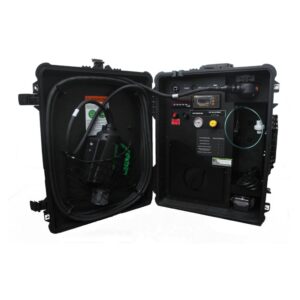
The standard Surface Unit provides lightweight, ergonomic handheld decontamination ideal for routine surface treatment, equipment disinfection, and general-purpose portable applications. Mobile cart-based design enables rapid deployment throughout facilities treating multiple rooms, areas, or equipment locations with a single system. AC-powered operation ensures unlimited runtime for extensive coverage areas or extended treatment sessions without battery recharge interruptions. Applications include healthcare environmental services, laboratory daily maintenance, equipment decontamination, and high-touch surface protocols.
SteraMist® Select Surface Unit (BSC & Cleanroom Optimized)
The Select Surface Unit offers enhanced portability and control specifically optimized for creating controlled sterile environments within biological safety cabinets, cleanroom laminar flow cabinets, and confined workspaces. Compact size enables positioning within cabinet work zones, while precise applicator control facilitates targeted treatment of work surfaces, sidewalls, and equipment without overspray beyond intended areas. Ideal for research laboratories, pharmaceutical aseptic processing areas, and any application requiring validated cabinet-level decontamination between critical procedures.
SteraMist® SteraPak® (Backpack System)
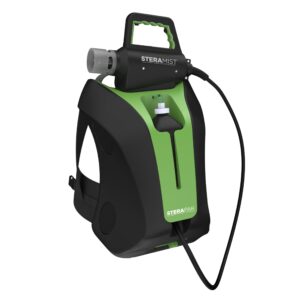
The SteraPak® backpack system delivers maximum portability and maneuverability for navigating tight spaces, multi-level facilities, and extensive coverage areas requiring operator mobility. Worn-on-back design frees both hands for applicator control while distributing system weight comfortably across shoulders. Four-foot applicator cord extends reach enabling easy movement around obstacles, under furniture, and within confined areas. Battery operation or direct AC power options provide operational flexibility—battery mode for cordless mobility across facilities or power-restricted areas, AC mode for unlimited runtime during extensive decontamination sessions. Applications include vivarium animal rooms, multi-story healthcare facilities, emergency response deployments, and any environment benefiting from enhanced operator mobility.
Key Advantages of Portable Surface Decontamination
- Dry Vapor Application Prevents Moisture Damage: Ultra-fine iHP® droplets behave like vapor preventing liquid pooling, condensation accumulation, or moisture penetration into electrical components, circuit boards, displays, and sensitive equipment; safe for electronics, medical devices, and instruments incompatible with liquid disinfectant application
- Rapid Treatment Without Extended Downtime: Targeted surface applications complete in minutes enabling quick equipment return to service, minimal workflow interruption, and frequent daily maintenance protocols without prolonged operational disruptions characteristic of whole-room decontamination or formaldehyde methods
- 6-Log Sporicidal Efficacy: Validated 99.9999% pathogen reduction against bacterial spores (most resistant microorganisms) ensures comprehensive surface decontamination; EPA-registered proven effectiveness against bacteria, viruses, fungi, and mycobacteria matching efficacy of larger environmental systems in portable configurations
- Material Compatibility & Equipment Protection: Lower hydrogen peroxide concentration (7.8%) combined with rapid iHP® decomposition to oxygen and water prevents corrosion, bleaching, degradation, or damage to plastics, metals, glass, fabrics, painted surfaces, and composite materials common in healthcare and laboratory environments
- Deployment Flexibility & Mobility: Portable configurations enable single-system service across multiple rooms, buildings, or facility locations; battery-operated models function without electrical infrastructure supporting emergency response, transport vehicle treatment, or power-restricted areas
- Operator Safety & Ease of Use: Simple applicator controls, minimal training requirements, and automated vapor generation reduce operator complexity compared to manual chemical mixing and application; lower chemical concentrations minimize exposure risks during handling and use
- No Harmful Residues Requiring Removal: iHP® breaks down completely to oxygen and water within minutes of application; eliminates wipe-down requirements, residue concerns, or material off-gassing affecting sensitive processes or cleanroom classifications
- Cost-Effective Daily Maintenance: Single portable system serves entire facility versus dedicated equipment for each location; consumable solution costs remain reasonable for frequent daily use applications; eliminates disposable chemical wipe expenses and manual labor time
Selecting the Right Portable Surface Decontamination Configuration
- Determine Coverage Area & Mobility Needs: Standard Surface Unit suits applications treating defined areas from central locations (single laboratory, department, or facility zone); SteraPak® backpack configuration serves extensive multi-room coverage, multi-story facilities, or environments requiring enhanced operator mobility navigating stairs, corridors, or crowded spaces
- Assess Power Source Requirements: AC-powered systems provide unlimited runtime for extensive treatment sessions or continuous daily operations; battery-operated options enable cordless mobility, emergency deployment without facility power, ambulance/transport vehicle treatment, or operation in areas lacking convenient electrical outlets
- Evaluate Application Specificity: Select Surface Unit optimized for confined spaces, BSC interiors, or precision equipment treatment requiring controlled targeted application minimizing overspray; general-purpose models suit broader surface treatment applications across varied equipment and environments
- Calculate Frequency & Volume: High-frequency daily maintenance programs (multiple treatments per shift) justify dedicated portable systems for departments or facility zones; occasional spot treatment or emergency response applications may share systems across broader facility areas through coordinated scheduling
- Consider Integration with Existing Protocols: Portable surface systems complement rather than replace manual cleaning—integrate as additional validated step following standard surface wiping; coordinate with whole-room environmental decontamination schedules for comprehensive contamination control strategies
Frequently Asked Questions About Surface Decontamination Systems
How do portable surface decontamination systems differ from whole-room environmental systems?
Portable surface decontamination systems provide handheld targeted treatment of specific surfaces, equipment, and localized areas requiring frequent spot disinfection or daily maintenance protocols. Operators direct applicators at intended surfaces achieving rapid treatment of work zones, equipment exteriors, high-touch points, or confined spaces without treating entire room volumes. Whole-room environmental systems employ automated fogging or vapor distribution treating all exposed surfaces throughout entire rooms, suites, or large spaces simultaneously—ideal for terminal cleaning, periodic deep decontamination, or contamination events requiring comprehensive space treatment. The technologies complement each other: surface systems for daily operations and equipment maintenance, environmental systems for scheduled whole-space disinfection. Many facilities deploy both approaches creating layered contamination control programs addressing diverse decontamination needs.
Can portable systems safely decontaminate sensitive laboratory instruments and electronics?
Yes, SteraMist iHP® surface decontamination specifically addresses sensitive equipment through dry vapor application preventing moisture accumulation, liquid infiltration, or condensation affecting electrical components. The technology safely treats centrifuges, spectrophotometers, analytical balances, microscopes, thermal cyclers, medical imaging equipment, patient monitors, and other sensitive instruments routine manual disinfection cannot adequately address. Lower hydrogen peroxide concentration (7.8% vs. 30-35% in some VHP systems) minimizes corrosion risks on metals, plastics, and composite materials. Equipment should be powered off during treatment, and items with exposed circuitry or particularly sensitive components may require protective covering. Extensive compatibility testing validates safe use on common healthcare and laboratory materials, but initial verification on unique high-value equipment is prudent before routine deployment.
How long does surface treatment take and when can treated areas be used?
Treatment duration depends on surface area size, item complexity, and target pathogen reduction requirements. Individual equipment items or workstation surfaces typically require 2-5 minutes of active treatment plus 5-10 minutes aeration allowing iHP® vapor dispersal and decomposition before safe re-use. Larger areas like biological safety cabinet interiors may need 10-15 minutes total including treatment and aeration. Compare this to manual chemical disinfection requiring 10-minute dwell times (often inadequately observed) plus wiping labor, or whole-room fogging demanding 45-60 minutes for complete cycles. Rapid treatment and re-entry timing makes portable surface systems ideal for between-patient disinfection, inter-experiment equipment treatment, or high-frequency daily maintenance protocols minimizing operational disruption. Visual indicators or air monitoring can verify safe hydrogen peroxide levels before equipment return to service.
What training is required for portable surface decontamination system operation?
Portable SteraMist surface systems require substantially less training compared to traditional formaldehyde decontamination or complex whole-room fogging protocols. Basic operator training (typically 1-2 hours) covers equipment operation, iHP® solution handling safety, applicator technique for effective surface coverage, appropriate personal protective equipment (gloves, eye protection), and troubleshooting common issues. Advanced training addresses specific applications like BSC interior decontamination, incubator chamber treatment, or equipment-specific protocols requiring technique modifications. Establish standard operating procedures (SOPs) documenting treatment protocols, safety requirements, and documentation standards. Periodic competency assessment through observation and knowledge verification ensures operators maintain proficiency. For regulated pharmaceutical or clinical applications requiring validation documentation, additional training addresses biological indicator placement, monitoring procedures, and compliance record-keeping. ARES Scientific provides comprehensive operator training, application-specific guidance, and ongoing technical support ensuring safe effective deployment.
Related Decontamination & Contamination Control Equipment
Request a Quote for Surface Decontamination Systems
ARES Scientific provides expert consultation and competitive pricing for TOMI SteraMist® portable surface decontamination systems supporting healthcare facilities, research laboratories, pharmaceutical cleanrooms, and vivarium operations requiring flexible targeted pathogen elimination. Our team assists with system configuration selection, application protocol development, operator training, and validation support ensuring successful implementation.
Get started with portable surface decontamination solutions:
- Request a Custom Quote: Contact us with your application requirements, coverage needs, and operational environment for tailored system recommendations and pricing
- Speak with Application Specialists: Call 720-283-0177 ext 2 to discuss portable vs. environmental system selection, equipment compatibility verification, and protocol integration
- Schedule Equipment Demonstrations: Arrange on-site or facility demonstrations showcasing portable system capabilities, treatment techniques, and application-specific protocols
- Access Technical Resources: Review material compatibility data, efficacy validation studies, and application guides supporting implementation decisions
- Explore Complete Portfolio: Browse our full decontamination systems catalog including surface units, environmental systems, and pass-through chambers
Whether you're implementing daily maintenance surface disinfection protocols, establishing biological safety cabinet decontamination procedures, equipping emergency response teams with portable pathogen elimination capabilities, or replacing manual chemical wiping with validated high-level surface treatment, ARES Scientific delivers proven portable decontamination technology protecting your facility operations, personnel safety, and contamination control objectives.