

Laboratory Glassware Washer Maintenance Guide: Extend Equipment Life & Ensure Analytical Precision
Keep your lab dishwasher performing to analytical standards with a clear, routine maintenance plan. This comprehensive guide covers daily, weekly, and monthly maintenance for Miele, Steelco, and other leading laboratory glassware washers.
Understanding Your Glassware Washer
A laboratory glassware washer, also known as a lab dishwasher or glassware washing machine, is essential for ensuring laboratory glassware, instruments, and containers are cleaned to analytical standards and ready for reuse. Routine maintenance keeps your glassware dishwasher performing efficiently, reduces downtime, and supports compliance with quality standards like GLP, cGMP, and ISO 15883.
This guide covers best practices for maintaining and troubleshooting laboratory glass washers, automatic glassware washers, and other glassware cleaning machines used in pharmaceutical, clinical, research, and industrial laboratories. Whether you operate a compact undercounter laboratory washer or a large-capacity glassware washer, proper maintenance is critical for validated, reproducible results.
Modern labware dishwashers and freestanding glassware washers range from compact benchtop units to large cabinet-style laboratory dishwashers with built-in glassware dryers, automated dosing pumps, and multi-stage disinfection cycles. Most models include rotating spray arms, multi-stage filtration systems, programmable cleaning cycles, and optional HEPA-filtered drying units for a spotless finish. Regardless of type, the goal is simple—achieve consistent, residue-free results while protecting delicate glassware and laboratory instruments.
Why Proper Maintenance Matters
- Validation Compliance: Maintains documented performance for GLP/GMP environments
- Equipment Longevity: Properly maintained washers last 15-20+ years
- Cost Savings: Prevents expensive emergency repairs and downtime
- Analytical Integrity: Ensures glassware is free from protein, TOC, and chemical residues
- Energy Efficiency: Clean systems operate more efficiently, reducing utility costs
Routine Maintenance Practices
Preventive maintenance ensures longevity, optimal performance, and reduced contamination risk. Follow this schedule to care for your glassware washing machine. The specific requirements may vary by manufacturer—always consult your Miele, Steelco, or other manufacturer’s service manual for model-specific guidance.
| Frequency | Key Actions | Estimated Time |
|---|---|---|
| Daily | Inspect residue, clean filters, check spray arms, wipe seals, verify chemical levels. | 5-10 minutes |
| Weekly | Deep clean interior, inspect baskets/inserts, run empty maintenance cycle, check for leaks. | 20-30 minutes |
| Monthly | Descale, inspect dosing system, test door seals, lubricate hinges/locks, check utilities. | 45-60 minutes |
| Quarterly–Semi-Annual | Service drying filters, validate performance, residue testing (protein/TOC), pro servicing. | 2-4 hours (with technician) |
Daily Maintenance (5-10 Minutes)
- Inspect for Residue: Remove any visible debris from the wash chamber after every cycle. Check the sump area for broken glass or foreign objects.
- Clean Filters: Rinse coarse and fine filters daily under running water to prevent blockages that reduce wash effectiveness. Replace damaged filters immediately.
- Check Spray Arms: Ensure they rotate freely and spray jets are clear of mineral deposits or debris. Use a small wire or toothpick to clear blocked nozzles.
- Wipe Interior & Door Seals: Clean with a mild detergent to remove detergent buildup and prevent gasket degradation.
- Check Chemical Levels: Keep laboratory detergent and rinse aid reservoirs filled according to manufacturer specifications. Low levels compromise cleaning performance.
- Verify Cycle Completion: Check that the washer completed its cycle properly and review any error messages or alarms.
Weekly Maintenance (20-30 Minutes)
- Deep Clean Interior Surfaces: Use a soft cloth and non-abrasive cleaner to remove any film or residue from chamber walls and door interior.
- Inspect Baskets & Inserts: Check wash racks, baskets, and specialized inserts for damage. Replace cracked or corroded components to prevent glassware breakage.
- Run a Maintenance Cycle: Clean the glassware dishwasher empty using a neutral detergent and the hottest available cycle to flush internal lines and remove accumulated residue.
- Check for Leaks: Examine door seals, hose fittings, and around the base of the unit for signs of water leakage.
- Clean Door Vents: Remove any lint or dust from ventilation openings to maintain proper air circulation.
- Review Usage Logs: Track cycle counts and note any recurring issues for trending analysis.
Monthly Maintenance (45-60 Minutes)
- Descale the Machine: Use an approved descaling agent (citric acid or manufacturer-specific product) to remove mineral deposits from spray arms, heating elements, and internal plumbing. Hard water areas may require more frequent descaling.
- Inspect Dispensing System: Check dosing pumps and tubing for leaks, cracks, or detergent crystallization. Clean pump chambers if accessible.
- Test Door Seals: Inspect gaskets for cracks, tears, or loss of elasticity. Replace if compromised to prevent leaks and maintain thermal efficiency.
- Lubricate Hinges & Locks: Apply food-grade lubricant to door hinges, latches, and rack slides as recommended by the manufacturer.
- Inspect Electrical & Water Connections: Ensure all connections are tight and free from corrosion. Check water supply lines and drain hoses for wear.
- Clean Water Softener (if equipped): Regenerate or refill softener salt according to water hardness and usage patterns.
- Test Temperature Sensors: Verify that displayed temperatures match actual wash and rinse temperatures using a calibrated thermometer.
Quarterly or Semi-Annual Maintenance (2-4 Hours)
- Clean or Replace Drying Filters: Service HEPA or standard filters in the glassware dryer to maintain airflow and prevent contamination.
- Validate Performance: Check that temperatures, cycle times, and chemical dosing meet specifications. Document results for compliance records.
- Conduct Residue Testing: Use protein swabs, TOC testing, or ATP bioluminescence to confirm cleanliness meets analytical requirements. This is especially critical for cGMP washing systems.
- Inspect Internal Plumbing: Check for scale buildup in spray arms, distribution manifolds, and heating elements.
- Schedule Professional Servicing: Have a certified technician perform comprehensive preventive maintenance, including calibration, safety checks, and replacement of wear items.
- Update Documentation: Maintain detailed service records, calibration certificates, and validation reports for regulatory compliance.
💡 Pro Tip: Create a Maintenance Logbook
Document every maintenance activity with date, technician name, and observations. This creates a service history that helps identify patterns, supports validation, and can extend warranty coverage. Digital tracking systems or simple spreadsheets work equally well.
Troubleshooting Common Issues
Even with regular maintenance, laboratory glassware washers may occasionally encounter performance issues. Here are solutions to the most common problems:
1) Poor Cleaning Results or Residue on Glassware
- Check Detergent: Verify correct laboratory detergent type and dosing levels. Using the wrong chemistry or concentration is the most common cause of poor results.
- Clean Spray System: Remove and thoroughly clean spray nozzles and filters. Mineral deposits can restrict water flow.
- Verify Water Temperature: Ensure wash temperature reaches 60-70°C (140-158°F) and rinse temperature exceeds 85°C (185°F) per manufacturer recommendations.
- Check Loading Pattern: Avoid overloading racks. Items need spacing for complete spray coverage.
- Inspect Water Quality: Hard water or contaminated supply water affects cleaning. Consider water softening or purification.
- Review Cycle Selection: Some residues require specialized cycles with extended wash times or higher temperatures.
2) Washer Won’t Start or Stops Mid-Cycle
- Power Supply: Check main power source, circuit breakers, and internal fuses.
- Door Latch: Ensure the door is properly closed and the safety interlock engages. Worn latches prevent operation.
- Error Codes: Consult the manual to interpret displayed error codes. Common issues include drain blockages, low water pressure, or temperature sensor faults.
- Delayed Start: Check if a delayed start timer is active.
- Water Supply: Verify adequate water pressure (typically 2-6 bar) and that supply valves are open.
3) Water Leaks or Drainage Issues
- Door Gasket: Inspect for tears, warping, or debris preventing proper seal. Replace if damaged.
- Hose Connections: Tighten all supply and drain hose connections. Replace cracked or deteriorated hoses.
- Drain System: Check that drain hose has proper height loop to prevent backflow. Clear any obstructions in drain lines.
- Sump Area: Ensure drain pump operates correctly and sump filters are clean.
- Chamber Cracks: Inspect for cracks in the wash chamber, though this is rare in quality units.
4) Residue, Spots, or Film on Clean Glassware
- Water Quality: Use deionized or purified rinse water to prevent mineral deposits. This is especially important for analytical glassware.
- Rinse Aid: Ensure rinse aid is dispensing correctly. Too little causes spotting; too much leaves a film.
- Softener Salt: Replace exhausted water softener salt in hard water areas.
- Detergent Concentration: Reduce if streaking or filming occurs. Some modern detergents are highly concentrated.
- Drying System: Verify the dryer operates at the correct temperature and duration.
- Glassware Condition: Permanently etched or damaged glassware may never appear completely clear.
5) Unusual Noises During Operation
- Spray Arm Obstruction: Check that spray arms aren’t hitting glassware or racks.
- Drain Pump: Grinding or rattling may indicate a failing pump or foreign object in the sump.
- Bearing Wear: Persistent grinding during rotation suggests worn motor or pump bearings requiring professional service.
- Loose Components: Tighten any loose racks, baskets, or internal hardware.
6) Incomplete Drying or Wet Glassware
- Drying Temperature: Verify the dryer reaches proper temperature (typically 105-120°C).
- Drying Duration: Extend drying cycle time if needed for heavily loaded chambers.
- Filter Maintenance: Clean or replace drying air filters to restore airflow.
- Rinse Aid: Proper rinse aid concentration promotes water sheeting and faster drying.
- Load Configuration: Ensure glassware is inverted or positioned to allow water drainage.
When to Call a Service Technician
Contact a qualified service professional for: electronic control failures, refrigerant leaks (in models with cooling), pump or motor replacement, temperature calibration issues, or any safety-related concerns. Attempting DIY repairs on complex systems may void warranties and compromise validation.
Extending the Life of Your Glassware Washer
With proper care, a quality laboratory glassware washer from manufacturers like Miele or Steelco can deliver 15-20+ years of reliable service. Follow these best practices:
Chemical Selection and Usage
- Use Quality Detergents: Invest in laboratory-grade detergents formulated specifically for glassware washers. These prevent residue buildup and protect internal components.
- Match Chemistry to Application: Alkaline detergents for protein/biological residues, neutral for routine cleaning, acidic for mineral deposits. See our comprehensive detergent guide for selection help.
- Proper Dosing: Follow manufacturer concentrations precisely. Over-dosing wastes chemicals and may leave residue; under-dosing compromises cleaning.
- Fresh Chemicals: Replace stored detergents before expiration dates. Old chemicals lose effectiveness.
Loading and Operation Best Practices
- Avoid Overloading: Maintain spacing between items for complete spray coverage. Overcrowded racks lead to poor results and stress on spray systems.
- Proper Rack Selection: Use appropriate inserts for pipettes, bottles, and specialized glassware. Universal racks work for standard beakers and flasks.
- Pre-Rinse When Needed: Remove concentrated acids, heavy oils, or solvents that might corrode internal components. However, modern washers can often handle moderate contamination without pre-rinsing.
- Invert Containers: Position glassware opening-down for optimal cleaning and drainage.
- Don’t Delay Washing: Process soiled glassware promptly to prevent residues from drying and becoming harder to remove.
Preventive Maintenance and Documentation
- Maintain a Consistent Schedule: Track daily, weekly, and monthly cleaning tasks using a logbook or digital system.
- Annual Professional Servicing: Schedule preventive maintenance with certified technicians who can recalibrate sensors, test safety systems, and verify operational integrity.
- Replace Wear Items Proactively: Change door gaskets, filters, and spray arm nozzles before they fail completely.
- Monitor Performance Trends: Track cycle times, temperatures, and cleaning results. Gradual degradation often precedes failures.
- Keep Validation Current: For regulated environments, maintain up-to-date IQ/OQ/PQ documentation and periodic revalidation.
Environmental Considerations
- Water Quality: Install water softening or deionization systems if needed. Hard water is the enemy of washer longevity.
- Proper Ventilation: Ensure adequate room ventilation to handle steam and chemical vapors during operation.
- Stable Environment: Maintain laboratory temperature within manufacturer specifications (typically 15-30°C).
- Power Quality: Use surge protection and ensure consistent voltage supply to protect electronic controls.
💡 Investment Protection: Service Contracts
Consider annual service contracts that include preventive maintenance, priority response, and discounted parts. For critical operations running multiple washers, this ensures minimal downtime and budget predictability.
Choosing the Right Washer for Your Lab
Proper maintenance starts with selecting the right equipment for your application. Whether you’re setting up a new laboratory or replacing an aging unit, consider these factors:
Capacity and Throughput
- Daily Volume: Calculate your typical glassware load. High-volume labs benefit from large-capacity washers or multiple units.
- Space Constraints: Undercounter washers maximize space in compact labs, while freestanding units offer maximum flexibility.
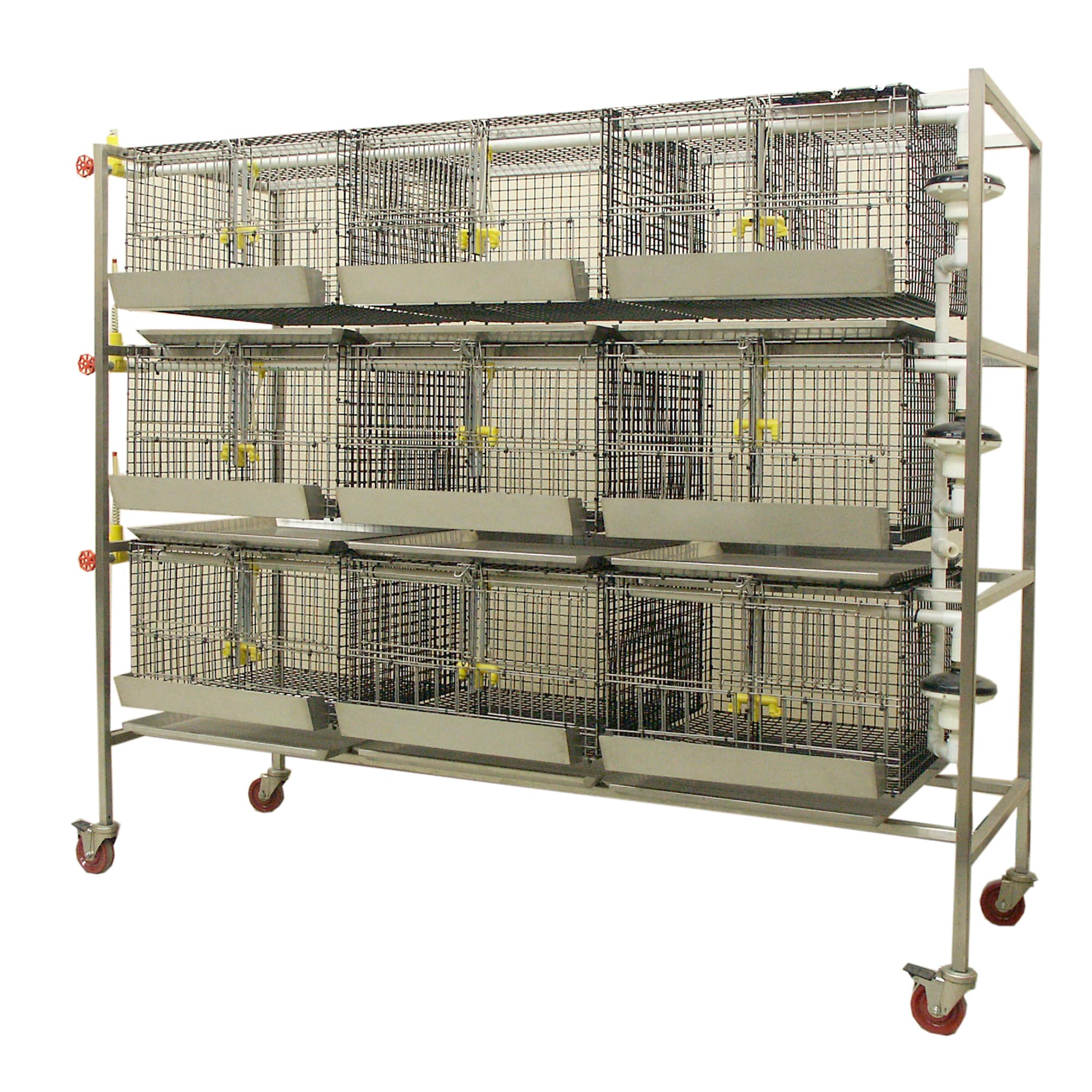
- Specialized Needs: Some labs require cage and bottle washers for vivarium applications.
Features and Validation Requirements
- Regulatory Compliance: cGMP washing systems include enhanced documentation, validation protocols, and audit trails.
- Cycle Options: Look for programmable cycles tailored to your specific contaminants and glassware types.
- Drying Capability: Integrated glassware dryers with HEPA filtration prevent recontamination.
- Automation: Advanced units offer automated detergent dosing, self-diagnostic systems, and data logging.
For detailed selection guidance, see our articles on choosing your ideal laboratory glassware washer and selecting the best features for your application.
FAQ: Glassware Washer Maintenance and Service
What is the best way to clean a laboratory glassware washer?
Run an empty maintenance cycle with a neutral detergent weekly to flush internal lines and remove detergent or residue buildup. Always clean filters, spray arms, and door seals regularly. For stubborn buildup, use a descaling agent monthly. Consult our laboratory glassware cleaning guide for complete protocols.
How often should a lab dishwasher be descaled?
Most glassware dishwashers should be descaled monthly in hard-water areas (>100 ppm hardness). If you use purified water or have a water softener, quarterly descaling may be sufficient. High-volume operations may require more frequent descaling. Always use manufacturer-approved descaling agents to avoid damaging internal components.
What type of detergent should I use in my glassware washing machine?
Use only laboratory-grade detergents designed specifically for lab dishwashers or automatic glassware washers. Household detergents foam excessively, damage sensors, and leave residues that compromise analytical work. Match detergent chemistry to your application: alkaline for proteins, neutral for general use, acidic for minerals. See our comprehensive detergent selection guide for recommendations.
Why is my glassware coming out spotted or cloudy?
Spots or film usually indicate high mineral content in rinse water, improper rinse aid dosing, or excessive detergent concentration. Solutions include: using deionized or purified rinse water, adjusting rinse aid settings, reducing detergent concentration, or regenerating your water softener. Temperature that’s too low during drying can also contribute to spotting.
Can a glassware washer also dry glassware?
Yes. Many modern laboratory glassware washers include integrated glassware dryers with HEPA-filtered hot air that ensure fast, residue-free drying. Drying temperatures typically reach 105-120°C, and HEPA filtration prevents airborne contamination during the drying process. Some labs use separate drying cabinets for additional capacity.
Do I need professional servicing for my lab dishwasher?
Yes. Schedule annual preventive maintenance with a qualified technician to test calibration, verify dosing accuracy, inspect safety systems, and validate temperature performance. Professional servicing helps maintain validation standards, extends equipment life, and prevents costly emergency repairs. For regulated environments, professional servicing with documentation is essential for compliance.
Where can I get laboratory glass washer service or parts?
How long should a laboratory glassware washer last?
With proper maintenance, a quality laboratory glassware washer typically lasts 15-20 years or more. Key factors affecting lifespan include: water quality, maintenance consistency, chemical selection, and usage intensity. Regular descaling, filter cleaning, and annual professional service significantly extend equipment life. For tips on maximizing washer longevity, see our 15 pro tips guide.
What’s the difference between alkaline, neutral, and acidic laboratory detergents?
Alkaline detergents (pH 10-14) excel at removing proteins, oils, and organic residues—ideal for biological labs. Neutral detergents (pH 6-8) offer general-purpose cleaning without etching glassware—best for routine use. Acidic detergents (pH 1-5) dissolve mineral deposits and scale—essential for hard water areas. Most labs stock all three types for different applications. Read our complete detergent guide for detailed recommendations.
Related Resources
Expand your knowledge of laboratory glassware washing with these helpful resources:
Product Selection Guides
- How to Select Your Best “Forever Home” Laboratory Glassware Washer
- Selecting the Best Features for a Laboratory Glassware Washer
- Comprehensive Guide to Laboratory Glassware Washer Detergents
Maintenance and Best Practices
- 15 Pro Tips to Extend Your Lab Glassware Washer’s Lifespan
- How to Clean Laboratory Glassware: Complete Protocol Guide
Product Categories
- Browse All Laboratory Glassware Washers
- Undercounter Laboratory Washers
- Freestanding Glassware Washers
- Laboratory Glassware Dryers
- Laboratory Detergents & Chemicals
Specialized Applications
Leading Manufacturers
- Miele Laboratory Equipment – German-engineered precision washers
- Steelco Laboratory Washers – Italian innovation in lab automation
Conclusion: Invest in Maintenance for Long-Term Success
Maintaining your laboratory glassware washer ensures consistent analytical results, reduces downtime, and maximizes your equipment investment. By following the daily, weekly, monthly, and quarterly maintenance steps outlined in this guide—and scheduling periodic professional servicing—you’ll keep your glassware cleaning system performing reliably for 15-20+ years.
Remember that proper maintenance begins with selecting the right equipment and quality detergents for your application. Whether you operate a compact undercounter unit or a high-capacity washing system, consistent care protects your investment and ensures validated, reproducible results.
Expert Support for Your Laboratory Washing Needs
ARES Scientific is your trusted partner for laboratory glassware washers, professional service, genuine parts, and expert technical support. We offer:
- Factory-authorized service for Miele, Steelco, and other leading brands
- Preventive maintenance contracts and emergency repair services
- Validation support and IQ/OQ/PQ documentation for regulated environments
- Complete selection of laboratory detergents and consumables
- Application consulting and equipment selection assistance
Questions? Call us or visit our glassware washer product page to explore your options.