
- Shop Products
- Animal/Vivarium Equipment & Supplies
- Anesthesia Systems
- Animal Transport
- Animal Watering
- Automated Cage Wash Systems
- Bedding Fill and Disposal Systems
- Bulk Trucks
- Caging Accessories
- Cage Change and Transfer Stations
- Cage, Rack and Bottle Washers
- Dry Heat Sterilizers
- Euthanasia Systems
- Ferret Caging
- Large Animal Caging
- Isolators
- Marmoset Caging
- Material Handling
- Necropsy Tables and Procedure Hoods
- Procedure Lights
- Rabbit Caging
- Rodent Caging
- Steam Sterilizers
- Tree Shrew Caging
- Vivarium Dry Heat Sterilizers
- Zebrafish and Aquatics Washers
- Benchtop Instruments
- Aspiration Systems
- Cell Counters
- Centrifuges
- Dry Baths
- Homogenizers
- Hotplates and Stirrers
- Micro Incinerators
- Microplate Readers
- Microplate Washers
- Moisture Analyzers
- PCR
- pH Meters
- Pipettes
- Scales and Balances
- Shakers
- Spectrophotometer and Fluorometers
- Rockers & Tube Rotators
- Vortex Mixers
- Water Baths
- Cannabis Processing
- Clean Air & Containment
- Cold Storage
- Decontamination
- Environmental Monitoring
- Environmental Test Chambers
- cGMP
- Incubators
- Ovens
- Pathology & Mortuary Equipment
- Personal Protective Equipment
- Sterilizers and Autoclaves
- Tables, Storage and Carts
- Washers and Dryers
- X-Rays and Irradiators
- Inventory Outlet
- Animal/Vivarium Equipment & Supplies
- Featured
- Industries
- Manufacturers
- Animal Care Systems
- Avante Animal Health
- Baker
- Benchmark Scientific
- Caron Scientific
- Consolidated Sterilizer Systems
- Corepoint Scientific
- DeNovix
- Envisys
- Euthanex
- Flow Sciences, Inc.
- Gruenberg
- Haier
- Hettich
- KUBTEC Scientific
- Lenderking
- Metro
- Miele
- Mopec
- Ohaus
- Park Bio
- SE Lab Group Inc.
- Sentry Air Systems
- Steelco
- Sychem
- TOMI Environmental Solutions, Inc.
- Visron
- Resources
- About
- Contact
- Quote

Rockers & Tube Rotators


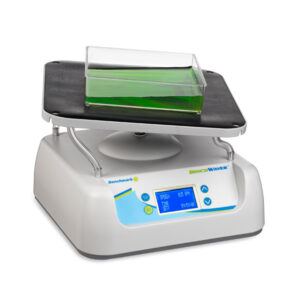

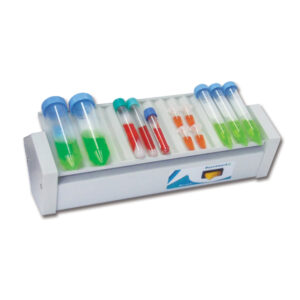
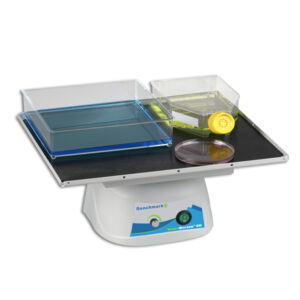

Laboratory Rockers & Tube Rotators for Gentle Sample Mixing & Agitation
Laboratory rockers and tube rotators are essential instruments designed to deliver consistent, gentle agitation for biological, chemical, and clinical sample preparation. Whether you are incubating blotting membranes, maintaining cell suspensions, staining gels, or processing diagnostic specimens, high-quality rockers and tube rotators ensure uniform sample agitation without compromising sample integrity. These mixers are engineered for precision, stability, and operational flexibility to support a wide range of applications in research, quality control, and clinical laboratories.
Our selection of laboratory rockers and tube rotators includes variable speed models, adjustable tilt platforms, multi-directional rotation systems, and interchangeable tube racks that adapt to microcentrifuge tubes, blood tubes, culture vessels, gel trays, and blotting membranes. With robust construction and quiet operation, these mixers provide dependable performance for continuous runs in high-throughput environments. Scientific professionals rely on rockers and tube rotators to maintain homogeneous suspension, ensure complete reagent contact, reduce operator variability, and improve downstream assay accuracy.
Rockers and tube rotators excel in applications requiring gentle, continuous mixing without the aggressive shear forces generated by vortex mixers. This makes them particularly valuable for blotting protocols, gel staining procedures, maintaining cell suspensions cultured in CO₂ incubators, preparing blood samples for clinical analysis, and conducting immunoassays where protein stability is critical. The controlled rocking or rotational motion ensures uniform mixing while preserving delicate biological structures and preventing sample damage.
Explore mixers that combine ergonomic design with advanced features such as digital speed control, adjustable tilt angles, timer functions, and energy-efficient motors. Whether your application requires gentle see-saw rocking motion for membrane washing or complete end-over-end tube rotation for blood mixing, these systems integrate seamlessly alongside complementary equipment such as centrifuges, vortex mixers, and orbital shakers to support efficient laboratory workflows.
Common Applications for Rockers & Tube Rotators
Laboratory rockers and tube rotators are widely used in applications where controlled, low-shear agitation is required to maintain uniform sample composition or ensure complete reagent contact. Their ability to provide continuous and repeatable motion makes them suitable for both routine laboratory tasks and specialized research or clinical workflows.
- Western, Northern & Southern Blotting Protocols: Gentle rocking motion ensures uniform antibody contact with membranes during blocking, primary/secondary antibody incubations, and washing steps without membrane damage or edge effects. Essential for consistent protein detection, nucleic acid hybridization, and signal development in molecular biology workflows.
- Gel Staining & Destaining: Continuous rocking facilitates dye penetration and removal during Coomassie staining, silver staining, and nucleic acid gel staining (ethidium bromide, SYBR), ensuring even color distribution and efficient background reduction. Supports polyacrylamide and agarose gel applications.
- Cell Suspension Maintenance & Culture Media Mixing: Tube rotation prevents cell settling during incubation periods, maintaining homogeneous suspension of mammalian cells, bacterial cultures, and yeast cultures. Coordinate with CO₂ incubators for temperature-controlled mixing during culture maintenance.
- Blood Sample Preparation in Clinical & Diagnostic Laboratories: Continuous tube rolling prevents blood component separation and clotting during processing, ensuring accurate hematology, chemistry, and immunoassay results. Essential for blood banking, clinical diagnostics, and serology workflows.
- Immunoassays, ELISA Workflows & Reagent Preparation: Gentle mixing of antibody-antigen reactions, substrate solutions, and blocking buffers without generating foam or denaturing proteins. Pairs with microplate readers and microplate washers for automated immunoassay protocols.
- Tissue Culture Flask Mixing: Rocking platforms accommodate T-flasks, culture bottles, and roller bottles, ensuring even distribution of media and gases during cell culture while preventing cell stress from excessive agitation.
- Molecular Biology & PCR Sample Processing: Tube rotation for mixing nucleic acid samples, lysis buffers, and enzymatic reactions requiring uniform reagent distribution without introducing bubbles or cross-contamination. Supports DNA/RNA extraction, library preparation, and amplification workflows.
- Chemical Solution Homogenization & Buffer Preparation: Thorough mixing of stock solutions, buffer preparations, and chemical reagents requiring complete dissolution without heat generation or oxidative stress from vigorous agitation.
- Hybridization Protocols: Both rocking and rolling motion support nucleic acid and protein hybridization reactions, ensuring complete probe contact with target molecules during extended incubation periods.
- Antibody Incubations & Immunoprecipitation: Gentle agitation during antibody binding, bead-based capture assays, and immunoprecipitation protocols maintaining suspension while preserving protein-protein interactions.
- Histology & IHC Staining: Rocking platforms support slide staining, tissue processing, and immunohistochemistry protocols requiring gentle reagent exchange and uniform coverage.
- Quality Control & Stability Testing: cGMP-compliant sample mixing for pharmaceutical stability studies, dissolution testing, and quality assurance protocols requiring standardized agitation parameters.
- Research & Clinical Sample Handling: General laboratory mixing applications across biotechnology, academic research, contract research organizations (CROs), and pharmaceutical manufacturing facilities.
Types of Rockers & Tube Rotators
Laboratory Rockers (See-Saw Shakers)
Laboratory rockers provide a gentle see-saw rocking motion at adjustable tilt angles (typically 0-30 degrees) and speeds (5-70 rpm), creating a wave-like agitation ideal for blotting membranes, gel staining, and shallow container mixing. Platform sizes range from compact benchtop models (8" x 10") to large-capacity platforms (20" x 24") accommodating multiple gel trays, blotting containers, or culture flasks simultaneously. Variable speed and tilt controls allow optimization for specific applications—shallow angles and slow speeds for delicate membranes, steeper angles for efficient gel staining. Cold room and incubator-compatible models support temperature-controlled applications. Rockers are the preferred choice for Western blots, Northern blots, Southern blots, gel staining/destaining, tissue culture flasks, and any application requiring gentle back-and-forth agitation.
Tube Rotators (End-Over-End Rotation)
Tube rotators provide complete inversion mixing by rotating samples along their longitudinal axis in a continuous end-over-end motion. This design ensures thorough mixing of viscous samples, prevents settling of dense particles, and maintains suspension of cells or precipitates. Ideal for blood tubes, reagent mixing, cell culture applications, and any protocol requiring complete sample inversion. Variable speed control allows adjustment from gentle rotation (4-6 rpm) for delicate samples to faster speeds (30-80 rpm) for thorough homogenization. Interchangeable racks accommodate microcentrifuge tubes, blood collection tubes, conical tubes (15-50 mL), and culture vessels.
Tube Rollers (Rolling Rotation)
Tube rollers create a rolling motion along the tube's length, providing gentle continuous agitation particularly suited for hybridization reactions, blood sample mixing, and protein-nucleic acid binding assays. The rolling action creates a wave motion within the liquid, ensuring complete surface contact without the complete inversion of end-over-end rotation. Often preferred for applications inside incubators or when minimal agitation intensity is required. Commonly used in clinical laboratories for blood sample processing and diagnostic workflows.
3D Rockers & Nutating Mixers
Three-dimensional rockers combine rocking and rotating motions creating complex wave patterns ideal for gentle mixing of gels, blotting membranes, culture vessels, and staining trays. The 3D motion (typically combining horizontal circular movement with vertical tilt) ensures complete liquid coverage and eliminates dead zones without generating excessive shear forces. Particularly valuable for applications requiring thorough but gentle mixing such as antibody incubations, gel staining, tissue staining, and flask culture mixing. Adjustable speed and tilt angle settings optimize performance across diverse protocols.
Multi-Tube Rotators (High-Throughput Platforms)
Multi-tube platforms accommodate dozens of tubes simultaneously (typically 20-60+ tubes depending on size), supporting high-throughput clinical laboratories, blood banks, and research facilities processing large sample volumes. Interchangeable racks accept various tube sizes from 0.5 mL microcentrifuge tubes to 50 mL conical tubes, providing flexibility for diverse protocols. Essential for laboratories running parallel experiments or processing batches of clinical specimens.
Orbital Rockers (Combination Motion)
Orbital rockers combine gentle orbital circular motion with slight tilting, creating continuous wave patterns across the platform surface. This hybrid motion suits applications requiring more thorough mixing than standard see-saw rocking but gentler agitation than high-speed orbital shakers. Commonly used for cell culture flasks, microplate mixing, and container applications requiring circular fluid motion.
Integration with Laboratory Workflows
Rockers and tube rotators typically integrate into multi-step sample preparation workflows coordinating with other benchtop instruments:
Blotting Workflow Integration:
- Gel Electrophoresis & Transfer: Following protein/nucleic acid separation and membrane transfer
- Blocking: Membrane placed on rocker with blocking buffer (BSA, milk) for 1-2 hours
- Primary Antibody Incubation: Gentle rocking overnight (4°C) or 1-2 hours (room temperature)
- Washing Steps: Multiple wash cycles on rocker ensuring thorough antibody removal
- Secondary Antibody Incubation: Continued rocking for 1-2 hours
- Final Washing & Detection: Extensive washing before chemiluminescent or colorimetric detection
Tube Rotation Workflow Integration:
- Sample Collection & Initial Processing: Specimens collected in blood tubes, culture tubes, or sample containers requiring mixing to prevent separation
- Reagent Addition: Addition of buffers, enzymes, antibodies, or chemical reagents within biosafety cabinets when sterility is required
- Gentle Rotational Mixing: Tube rotator provides controlled agitation ensuring reagent distribution and reaction homogeneity
- Centrifugation (if required): Samples transferred to centrifuges for pelleting, separation, or concentration
- Supernatant Removal: Aspiration systems remove supernatant while preserving pellets or target fractions
- Analysis & Detection: Processed samples analyzed using spectrophotometers, microplate readers, or other analytical instruments
For temperature-sensitive applications, consider models designed for use inside laboratory incubators, refrigerators, or cold rooms (4°C), ensuring consistent mixing at controlled temperatures throughout extended incubation periods. Many blotting protocols require overnight incubations at 4°C, making cold room-compatible rockers essential equipment.
Key Selection Factors for Rockers & Tube Rotators
- Motion Type & Application Compatibility: Select rocking motion for blotting, gel staining, and flat container applications; choose rotational motion (end-over-end or rolling) for tubes requiring complete inversion or continuous rolling. 3D rockers suit applications needing complex wave patterns. Match motion type to protocol requirements for optimal mixing efficiency.
- Platform Size & Sample Capacity: Rocker platforms range from 8" x 10" (single gel tray) to 24" x 24" (multiple trays/flasks). Tube rotators accommodate 4-60+ tubes depending on model. Verify dimensions accommodate your containers, gel trays, blotting boxes, culture flasks, or tube racks with adequate clearance.
- Speed & Tilt Angle Controls: Rockers typically offer 2-70 rpm with 0-30° tilt adjustment; tube rotators provide 4-80 rpm. Digital controls ensure repeatable protocols. Variable settings accommodate gentle antibody incubations (5-10 rpm, low tilt) to vigorous gel destaining (40-60 rpm, high tilt).
- Timer & Programming Features: Programmable timers support timed incubation-mixing protocols (1 hour, overnight, continuous). Advanced models offer interval programming (mixing cycles with rest periods) and memory functions storing protocol parameters.
- Temperature Compatibility: Cold room models (4°C operation) essential for overnight antibody incubations and temperature-sensitive reactions. Incubator-compatible units (up to 65°C) support warm temperature applications. Verify motor and component ratings for intended temperature range.
- Build Quality & Durability: Chemical-resistant platforms (stainless steel, powder-coated steel, polypropylene) withstand common laboratory reagents, stains, and disinfectants. Heavy-duty motors designed for 24/7 continuous operation support long-term reliability in high-use environments.
- Noise & Vibration Levels: Quiet operation (under 60 dBA) suitable for shared lab spaces, biosafety cabinets, or proximity to sensitive equipment. Balanced platforms minimize vibration preventing spillage or equipment interference.
- Non-Slip Surface & Sample Security: Textured platforms, raised edges, or sample retention clips prevent container sliding during operation. Tube rotators require secure tube holders preventing displacement. Consider non-skid mats for additional security.
- Footprint & Space Efficiency: Compact designs maximize bench space while providing adequate mixing capacity. Stackable models or wall-mounted configurations save valuable laboratory workspace. Consider installation location (benchtop, cold room, incubator) when evaluating size.
- Ease of Cleaning & Maintenance: Removable platforms, smooth surfaces, and spill-resistant construction facilitate routine cleaning. Autoclavable components support sterilization in cGMP environments. Chemical resistance ensures compatibility with bleach, ethanol, and laboratory disinfectants.
- Safety Features: Overload protection, automatic shut-off, and secure load retention mechanisms prevent sample spillage and equipment damage. Some models include transparent covers allowing visual monitoring without interrupting mixing cycles.
Frequently Asked Questions About Rockers & Tube Rotators
What is the difference between a rocker and a tube rotator?
A rocker provides a see-saw rocking motion ideal for flat containers such as gel trays, blotting membranes, tissue culture flasks, and staining dishes. The platform tilts back and forth creating a wave motion across the container surface, making rockers the preferred choice for Western blots, gel staining, and membrane washing. A tube rotator provides end-over-end or rolling rotation specifically designed for tubes, ensuring complete sample inversion and preventing settling. Tube rotators are used for blood sample processing, cell suspensions, and reagent mixing in tubes. Choose rockers for platform/container applications and tube rotators for tube-based mixing.
Which motion type is best for Western blot antibody incubations?
Gentle see-saw rocking motion (5-15 rpm at 3-7° tilt angle) is optimal for Western blot antibody incubations. This motion ensures uniform antibody contact across the membrane surface without creating excessive fluid turbulence that could damage delicate membranes or cause uneven antibody binding. Many researchers prefer overnight primary antibody incubations at 4°C using cold room-compatible rockers, followed by 1-2 hour secondary antibody incubations at room temperature. The gentle wave action ensures thorough reagent coverage while minimizing background signal and preserving membrane integrity throughout blocking, antibody binding, and washing steps.
Can rockers be used inside cold rooms and incubators?
Yes, many rocker and tube rotator models are specifically designed for cold room (4°C) and incubator (up to 37-65°C) operation. Cold room-compatible models feature sealed motors, corrosion-resistant construction, and components rated for continuous low-temperature operation—essential for overnight antibody incubations, temperature-sensitive enzymatic reactions, and cold-temperature mixing protocols. Incubator-compatible models withstand elevated temperatures and humidity for bacterial culture, cell culture, and warm-temperature hybridization reactions. Verify the manufacturer's specified temperature range and consider models with external power supplies or battery operation minimizing heat generation inside temperature-controlled environments.
What platform size do I need for gel staining and blotting applications?
Platform sizing depends on your container dimensions and throughput requirements. Standard mini-gel blotting containers (approximately 10 cm x 10 cm) fit comfortably on compact 8" x 10" or 12" x 12" rockers. Medium-format gels and larger blotting containers require 14" x 18" platforms. High-throughput laboratories processing multiple gels simultaneously benefit from large 20" x 24" platforms accommodating 4-6 gel trays or multiple blotting containers. Measure your largest containers (length, width, height with lid) and add 2-3 inches clearance ensuring secure placement without overhang. Consider future capacity needs when selecting platform size.
How do I choose between end-over-end and rolling tube rotation?
End-over-end rotation provides complete 360° tube inversion, ensuring thorough mixing of viscous samples, prevention of particle settling, and uniform suspension maintenance—ideal for cell suspensions, blood sample mixing, and applications requiring complete sample inversion throughout the tube length. Rolling rotation creates gentler agitation with the tube rolling along its axis without complete inversion, suited for hybridization reactions, delicate samples, and protocols requiring minimal agitation intensity. Choose end-over-end for blood banking, cell culture maintenance, and viscous sample homogenization; select rolling motion for gentle hybridization, DNA/RNA protocols, and sensitive biological samples requiring minimal mechanical stress.
What speed and tilt settings should I use for different applications?
Blotting (antibody incubations): 5-15 rpm, 3-7° tilt for gentle, uniform antibody contact
Gel staining: 20-40 rpm, 5-10° tilt for efficient dye penetration and background reduction
Gel destaining: 40-60 rpm, 10-15° tilt for rapid background removal
Cell suspension (tubes): 4-10 rpm end-over-end rotation for gentle suspension maintenance
Blood sample mixing (tubes): 10-20 rpm rolling or end-over-end for preventing clotting and separation
Tissue culture flasks: 10-25 rpm, 5-8° tilt for even media distribution
Start with gentle settings and increase speed/tilt incrementally to optimize mixing efficiency while preventing sample damage.
Can a single rocker accommodate both gel trays and culture flasks?
Yes, rockers with adequately sized platforms (14" x 18" or larger) and appropriate speed/tilt ranges (5-60 rpm, adjustable tilt) can accommodate both gel staining trays and tissue culture flasks (T-flasks, roller bottles). Verify the platform weight capacity supports your containers when filled with liquid. Some rockers include optional platform inserts, bottle holders, or non-slip mats improving compatibility with different container types. This versatility makes rockers valuable multi-purpose instruments serving multiple protocols across molecular biology, cell culture, and biochemistry workflows.
What routine maintenance is required for rockers and tube rotators?
Routine maintenance includes cleaning platforms and tube racks after each use to prevent reagent buildup, wiping exterior surfaces with laboratory disinfectants, and inspecting motion smoothness for signs of mechanical wear. For spill-prone applications (gel staining), immediately clean platforms preventing chemical damage or corrosion. Periodically verify speed accuracy using a tachometer and check tilt angle calibration. Tube rotator racks should be inspected for secure tube retention and autoclavable components sterilized according to cGMP protocols when required. Most rockers and rotators are low-maintenance instruments requiring only basic cleaning and occasional speed verification. Address unusual noises, vibration, or speed inconsistencies promptly.
Are rockers and tube rotators suitable for GMP/GLP environments?
Yes, many models support cGMP and GLP requirements through features including autoclavable components, chemical-resistant construction, validated speed/tilt controls, timer documentation capabilities, and qualification support (IQ/OQ/PQ protocols). For pharmaceutical manufacturing, clinical diagnostics, or regulated research, select models offering validation documentation, reproducible performance parameters, and materials compatible with routine sterilization or disinfection procedures. ARES Scientific can assist with equipment qualification packages and documentation supporting regulatory compliance and audit readiness.
Related Laboratory Equipment & Sample Preparation Solutions
- Benchtop Laboratory Instruments – Complete portfolio of sample preparation, mixing, and analytical equipment supporting diverse laboratory workflows
- Laboratory Shakers – Orbital, platform, and incubator shakers for flask culture, microplate mixing, and high-speed agitation
- Vortex Mixers – Rapid, high-shear mixing for quick homogenization of small volume samples requiring vigorous agitation
- Centrifuges – Sample pelleting and separation equipment complementing tube mixing in multi-step preparation workflows
- Homogenizers – High-intensity tissue disruption and cell lysis for sample preparation requiring mechanical processing
- Hotplates and Stirrers – Magnetic stirring and temperature control for chemical solution preparation and reaction vessels
- Water Baths – Temperature-controlled liquid baths for enzymatic reactions, incubations, and sample warming during processing
- CO₂ Incubators – Mammalian cell culture systems where tube rotators maintain cell suspensions during culture maintenance
- Laboratory Incubators – Temperature-controlled chambers accommodating rockers and tube rotators for temperature-specific mixing applications
- Biological Safety Cabinets – Sterile workstations for aseptic reagent addition and sample manipulation before/after mixing
- Aspiration Systems – Supernatant removal following centrifugation in coordinated sample preparation workflows
- Microplate Readers – Analytical detection for immunoassays and assays following rocker or tube rotator mixing steps
- Microplate Washers – Automated washing for ELISA and immunoassay protocols coordinating with mixing equipment
- cGMP Equipment & Solutions – Validated systems supporting pharmaceutical development and regulatory compliance applications
Request a Quote for Laboratory Rockers & Tube Rotators
ARES Scientific provides expert consultation and competitive pricing for laboratory rockers and tube rotators supporting research laboratories, clinical diagnostics, blood banks, molecular biology facilities, pharmaceutical manufacturing, and biotechnology operations requiring gentle, reproducible sample mixing and agitation. Our team assists with motion type selection (rocking, end-over-end rotation, rolling, 3D), platform sizing, capacity planning, temperature compatibility, and regulatory compliance ensuring successful implementation.
Get started with rocker and tube rotator solutions:
- Request a Custom Quote: Contact us with your application details (blotting, gel staining, tube mixing, cell culture), container types, throughput requirements, and temperature needs for tailored equipment recommendations
- Speak with Sample Preparation Specialists: Call 720-283-0177 ext 2 to discuss motion types, platform sizes, speed/tilt ranges, and integration with incubators, cold rooms, or other temperature-controlled environments
- Schedule Equipment Demonstrations: Arrange on-site or facility demonstrations showcasing rocking/rotation performance, noise levels, and ease of use with your specific containers and tube formats
- Access Validation Support: Receive IQ/OQ/PQ protocols and compliance documentation assistance for cGMP applications, clinical laboratories, and regulated research environments
- Explore Complete Portfolio: Browse our full benchtop instruments catalog including rockers, tube rotators, vortex mixers, shakers, and complete sample preparation solutions
Whether you're performing Western blot analysis in molecular biology labs, staining electrophoresis gels, processing blood samples in clinical laboratories, maintaining cell cultures in research facilities, conducting immunoassay protocols, or establishing GMP-compliant mixing procedures, ARES Scientific delivers proven rocking and tube rotation technology protecting your sample integrity, workflow efficiency, experimental reproducibility, and research quality.
Claude is AI and can make mistakes. Please double-check responses.