Bedding Fill and Disposal Systems for Vivarium Workflow Efficiency
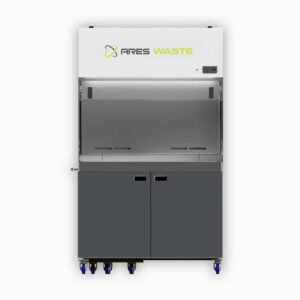
Bedding fill and disposal systems streamline cage processing operations in animal vivarium facilities by integrating automated bedding dispensing with containment-focused waste collection equipment. These systems reduce manual handling, minimize airborne allergen exposure, and support consistent bedding volumes across rodent caging operations while maintaining aseptic conditions within cage change workflows. ARES Scientific supplies engineered bedding management solutions that combine HEPA filtration, programmable dosing controls, and ergonomic access to protect technician health and enhance vivarium facility cleanliness throughout high-volume cage processing cycles.
Professional bedding fill and disposal equipment addresses critical challenges in laboratory animal facilities including dust control during bedding transfer, occupational allergen exposure during cage dump operations, and material waste from inconsistent manual dispensing. Automated bedding delivery systems provide precise volumetric dosing with integrated pre-filtration to reduce airborne particulates, while enclosed bedding disposal units capture used materials through sealed collection chambers with multi-stage HEPA and carbon filtration to prevent allergen release during cage change station operations.
HEPA-Filtered Bedding Dispensing and Containment Technology
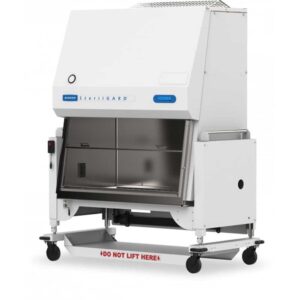
Advanced bedding fill systems utilize programmable control interfaces to deliver consistent bedding volumes ranging from small mouse cages to large rat housing units, eliminating the variability inherent in manual scooping methods. Automated dispensers feature adjustable hopper capacities, multiple pre-programmed dose settings, and dust-suppression airflow designs that maintain negative pressure during material transfer to contain fine particles at the dispensing point. Integration with rodent caging workflows enables technicians to position cages directly beneath discharge chutes for hands-free filling operations, reducing cross-contamination risk while maintaining ergonomic working heights that minimize repetitive strain during extended cage processing sessions.
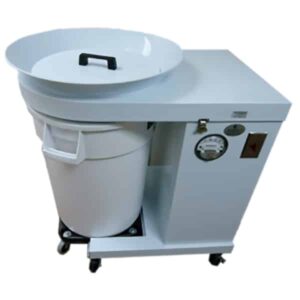
Bedding disposal stations employ sealed waste collection systems with integrated vacuum-assisted suction or gravity-feed designs to capture used bedding materials during cage dump procedures. Multi-stage filtration architectures combine pre-filters for larger debris particles with HEPA final filters rated to capture particles down to 0.3 microns, effectively removing dander, hair, and allergen-carrying dust from exhaust air before environmental discharge. Carbon filtration layers in premium disposal units additionally neutralize ammonia and organic odors generated from used bedding, maintaining improved indoor air quality within vivarium material handling areas and reducing occupational exposure to respiratory irritants throughout cage change operations.
Cage Change Workflow Integration and Automation Compatibility
Bedding fill and disposal systems integrate directly with comprehensive automated cage wash systems to establish closed-loop material flow from dirty cage unloading through washing, sterilization, and clean cage preparation. Strategic placement of disposal stations at cage dump areas creates dedicated contaminated zones, while fill systems positioned near clean cage storage support unidirectional workflow that prevents cross-contamination between soiled and sanitized equipment. Compatibility with cage rack and bottle washers enables coordinated processing schedules where bedding dispensing occurs simultaneously with final cage drying cycles, optimizing technician time utilization and facility throughput capacity.
Advanced bedding management platforms support integration with facility automation systems through programmable logic controllers, sensor-activated dispensing triggers, and data logging capabilities that track bedding consumption rates, filter change intervals, and equipment utilization patterns. Hands-free operation options including foot pedal activation and proximity sensors minimize manual touchpoints during cage processing, reducing glove contamination and supporting aseptic technique requirements in barrier facilities. Autoclavable waste receptacles and tool-free filter access panels simplify maintenance procedures, while stainless steel construction and powder-coated finishes enable effective cleaning protocols that maintain equipment hygiene standards across daily vivarium operations.
Selecting Bedding Fill and Disposal Equipment for Research Facilities
Facility managers evaluating bedding management systems should assess hopper capacity requirements based on daily cage change volume, bedding material type compatibility including corn cob bedding, paper-based substrates, and wood shavings, and filtration specifications appropriate for allergen control objectives and occupational safety protocols. Programmable dispensing accuracy within ±4-5% variance ensures consistent experimental conditions and reduces material waste, while large-capacity disposal units with 32-gallon to 200-gallon collection bins minimize emptying frequency during high-throughput processing schedules. Integration requirements with existing cage change and transfer stations, spatial constraints within vivarium support areas, and compliance with institutional environmental health and safety standards guide equipment configuration decisions for optimal workflow efficiency and technician protection.