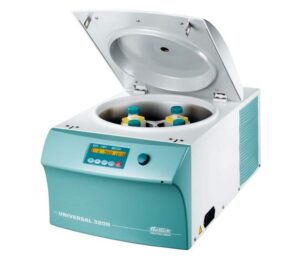
Refrigerated Centrifuges for Temperature-Sensitive Sample Processing
Refrigerated centrifuges are precision instruments equipped with active cooling systems that maintain precise temperature control during centrifugation, protecting heat-sensitive biological samples from degradation caused by frictional heating. These essential laboratory workhorses enable researchers and clinical professionals to safely process proteins, enzymes, cells, blood components, nucleic acids, and other temperature-labile materials while achieving optimal separation results. Unlike ambient-temperature centrifuges where samples can warm significantly during extended runs, refrigerated models maintain temperatures as low as -20°C to ensure sample integrity throughout the entire centrifugation process. This thermal protection is critical for molecular biology, cell culture, clinical diagnostics, pharmaceutical development, and any application where maintaining the biological activity or structural integrity of temperature-sensitive compounds determines experimental success.
ARES Scientific offers refrigerated centrifuges engineered to deliver reliable temperature control combined with consistent separation performance across diverse laboratory applications. Our selection includes benchtop and floor-standing models with varying capacity, speed ranges, rotor options, and advanced features to match different research and clinical requirements. Whether you're processing cell cultures in a research laboratory, separating blood components in a clinical setting, isolating subcellular fractions for biochemistry studies, or conducting pharmaceutical quality control testing, refrigerated centrifuges provide the thermal management and operational precision that protect your valuable samples while maximizing workflow efficiency. Each model combines intuitive controls, comprehensive safety features, and energy-efficient cooling technology to deliver years of dependable performance in demanding laboratory environments.
Common Applications and Use Cases
Refrigerated centrifuges serve essential functions across multiple disciplines requiring temperature-controlled sample processing:
- Protein biochemistry: Protein purification, enzyme assays, antibody isolation, immunoprecipitation, protein precipitation, and maintenance of enzymatic activity during separation
- Cell biology and culture: Cell harvesting, subcellular fractionation, organelle isolation, gradient centrifugation, mitochondrial preparation, and preservation of cellular integrity
- Molecular biology: DNA and RNA extraction, plasmid preparation, viral particle isolation, nucleic acid precipitation, and protection of temperature-sensitive molecular complexes
- Clinical diagnostics: Blood component separation, serum and plasma preparation, clinical chemistry sample processing, lipoprotein analysis, and preservation of analyte stability
- Pharmaceutical development: Formulation studies, stability testing, vaccine production, biopharmaceutical purification, quality control testing, and cold chain processing
- Blood banking: Blood component fractionation, platelet-rich plasma preparation, cryoprecipitate production, compatibility testing, and therapeutic apheresis product processing
- Microbiology and virology: Bacterial concentration, viral purification, culture clarification, spore separation, and processing of temperature-sensitive microorganisms
- Environmental testing: Water quality analysis requiring preservation of biological markers, soil microorganism studies, and environmental sample concentration at controlled temperatures
Types and Configurations of Refrigerated Centrifuges
Understanding the different refrigerated centrifuge configurations helps laboratories select the optimal model for their temperature-controlled processing requirements.
Benchtop Refrigerated Centrifuges
Benchtop refrigerated centrifuges are compact, space-efficient models designed for routine temperature-controlled applications in research and clinical laboratories. These instruments typically operate at speeds up to 15,000-20,000 RPM with maximum RCF values ranging from 20,000 to 30,000 x g, suitable for most standard biochemical and cellular applications. Benchtop models feature temperature ranges from -10°C to +40°C with precise digital control, allowing users to set optimal conditions for specific sample types. They accept interchangeable rotors including fixed-angle, swing-bucket, and specialty configurations, providing flexibility for laboratories processing diverse sample volumes from microtubes to 50 mL conical tubes. Benchtop refrigerated centrifuges are ideal for molecular biology labs, small clinical facilities, pharmaceutical QC departments, and research environments where floor space is limited but temperature control is essential. Their compact footprint, relatively quiet operation, and lower purchase cost compared to floor models make them the preferred choice for many laboratory settings.
High-Capacity Refrigerated Centrifuges
High-capacity refrigerated centrifuges are designed for laboratories requiring larger sample volumes, higher throughput, or processing of multiple sample types simultaneously. These robust instruments accommodate bigger rotors with increased tube positions—often processing 20 to 40+ tubes per run depending on configuration. Larger chamber volumes accept rotors for bottles up to 1 liter capacity, making them essential for preparative biochemistry, large-scale cell culture processing, blood bank operations, and production environments. High-capacity models typically feature more powerful refrigeration systems to maintain temperature stability even during maximum-load, high-speed runs. They may include programmable protocols for complex gradient work, enhanced data logging capabilities for regulatory compliance, and robust construction for continuous-use environments. These centrifuges are particularly valuable in core facilities, hospital blood banks, pharmaceutical manufacturing, contract research organizations, and high-volume clinical laboratories where throughput demands justify the larger investment and footprint.
High-Speed Refrigerated Centrifuges
High-speed refrigerated centrifuges operate at elevated velocities—typically 18,000 to 30,000 RPM generating forces up to 65,000 x g or higher—enabling separations that require extreme centrifugal forces while maintaining temperature control. These specialized instruments are essential for applications like differential centrifugation, high-resolution density gradient separations, virus concentration, ribosome isolation, and other procedures requiring forces beyond standard refrigerated models. High-speed units feature reinforced chambers for safety, advanced rotor materials capable of withstanding extreme forces, and sophisticated refrigeration systems that maintain precise temperatures despite the substantial heat generated at maximum speeds. They typically include microprocessor controls with extensive programmability, rotor pre-cooling capabilities, and vacuum systems in some models to reduce air friction and enable even higher speeds. High-speed refrigerated centrifuges serve advanced research laboratories, structural biology facilities, virology units, and specialized clinical testing environments requiring capabilities beyond routine centrifugation.
Multi-Purpose Refrigerated Centrifuges
Multi-purpose refrigerated centrifuges combine temperature control with the rotor flexibility characteristic of universal centrifuges, accepting diverse rotor types from microplate carriers to large bottle configurations. These versatile instruments provide laboratories with a single platform capable of handling temperature-sensitive samples across a wide range of volumes and applications. Multi-purpose refrigerated models typically operate at moderate speeds (4,000-15,000 RPM) with temperature ranges from -20°C to +40°C, serving laboratories that need both thermal protection and operational flexibility. They're particularly valuable in teaching hospitals, clinical reference laboratories, multi-disciplinary research facilities, and contract testing organizations where workflows vary and one instrument must serve multiple departments or testing protocols. The ability to switch between rotor types while maintaining temperature control eliminates the need for separate ambient and refrigerated instruments for different applications, optimizing both capital investment and laboratory space utilization.
How to Choose the Right Refrigerated Centrifuge
Selecting the appropriate refrigerated centrifuge requires evaluating several critical factors aligned with your temperature-controlled processing needs:
- Temperature range requirements: Determine your lowest required operating temperature—some applications need -20°C while others function well at +4°C—ensuring the model's range covers all protocols
- Temperature stability and recovery: Assess how quickly the centrifuge must recover to set temperature after door opening and whether tight temperature tolerances (±0.5°C vs ±2°C) matter for your applications
- Maximum speed and RCF needs: Match centrifuge capabilities to your most demanding protocols, recognizing that higher-speed refrigerated models command premium prices due to engineering complexity
- Sample volume and throughput: Calculate typical daily sample loads to determine whether benchtop capacity suffices or if high-capacity models justify their larger investment and footprint
- Rotor flexibility requirements: Identify whether you need multiple rotor types (fixed-angle, swing-bucket, specialty) or if dedicated rotor configuration meets all temperature-controlled applications
- Run duration patterns: Consider whether you primarily run quick spins or extended protocols, as longer runs generate more heat requiring more robust refrigeration systems
- Energy efficiency priorities: Evaluate operating costs over the instrument's lifespan, as refrigeration systems consume substantial power—ECO modes and efficient compressors reduce long-term expenses
- Noise level tolerance: Recognize that refrigeration compressors generate noise—important consideration for open laboratories or facilities with extended operating hours near occupied spaces
- Laboratory environmental conditions: Account for ambient temperature and humidity in your facility, as hot or humid environments stress refrigeration systems and may require higher-capacity cooling
- Regulatory and documentation requirements: Verify whether compliance needs demand specific features like temperature monitoring, data logging, audit trails, or qualification documentation packages
Key Features to Compare When Evaluating Refrigerated Centrifuges
Understanding which refrigerated centrifuge features deliver the most operational value helps laboratories make informed equipment decisions:
- Fast cooling performance: Rapid cool-down from ambient to operating temperature minimizes wait time before runs, maximizing laboratory productivity and workflow efficiency
- Precise temperature control: Tight temperature stability (±0.5°C to ±1°C) ensures consistent sample conditions throughout runs, particularly critical for enzymatic assays and temperature-sensitive cellular work
- Pre-cooling capability: Ability to cool the chamber and rotor before sample loading prevents temperature spikes when cold samples are introduced, maintaining thermal integrity from run start
- Temperature monitoring and display: Real-time temperature readout with visual alerts for temperature deviations enables operators to verify thermal conditions and respond immediately to problems
- Energy-efficient refrigeration: ECO modes, intelligent compressor management, and efficient insulation reduce electrical consumption and operating costs while supporting sustainability initiatives
- Low-noise compressor design: Advanced sound dampening and quiet compressor technology create more comfortable laboratory environments, particularly important in shared workspaces
- Programmable temperature profiles: Ability to program step changes in temperature during runs enables specialized protocols requiring temperature transitions without stopping the centrifuge
- Quick-access rotor exchange: Tool-free rotor removal and installation systems facilitate rapid rotor changes while maintaining chamber cooling, reducing downtime between different applications
- Automatic rotor recognition: Intelligent systems that identify installed rotors and adjust maximum speed accordingly prevent overspeed conditions and enhance operational safety
- Data logging and export: Built-in recording of temperature, speed, time, and run parameters with USB or network export supports documentation requirements and regulatory compliance
- Dual mode operation: Ability to operate as both refrigerated and ambient-temperature centrifuge provides flexibility for protocols that don't require cooling, conserving energy
- Robust construction: Corrosion-resistant materials, chemical-resistant coatings, and reinforced chambers withstand demanding laboratory environments and ensure long service life
Temperature Management and Cooling Technology
Understanding refrigeration systems and temperature management capabilities helps laboratories select centrifuges that maintain optimal sample conditions throughout processing.
Compressor-Based Cooling Systems
Most refrigerated centrifuges utilize compressor-based refrigeration systems similar to laboratory refrigerators, employing refrigerant circulation to actively remove heat from the centrifuge chamber. These systems typically use environmentally-friendly refrigerants compliant with current regulations, featuring hermetically-sealed compressors that require minimal maintenance. Compressor-based systems excel at achieving low temperatures (-10°C to -20°C) and maintaining tight temperature control even during high-speed runs that generate substantial frictional heat. The cooling capacity of compressor systems is rated in watts, with higher-capacity units better able to maintain temperature during maximum-load, high-speed operations. Modern compressor designs incorporate variable-speed technology that adjusts cooling output to match thermal load, reducing energy consumption during less-demanding runs while providing full capacity when needed. Regular maintenance including filter cleaning and periodic refrigerant level checks ensures optimal cooling performance and extends compressor lifespan.
Temperature Recovery and Stability
Temperature recovery refers to how quickly a refrigerated centrifuge returns to set temperature after the chamber door opens for sample loading. Fast recovery times minimize the period samples spend at elevated temperatures, particularly important for highly temperature-sensitive materials. High-performance refrigerated centrifuges can recover from ambient temperature to 4°C in 10-15 minutes, while standard models may require 20-30 minutes. Temperature stability during operation is equally critical—the ability to maintain set temperature within tight tolerances (±0.5°C to ±1°C) despite heat generated by rotor friction. Superior temperature stability requires adequate cooling capacity, effective chamber insulation, and sophisticated control systems that adjust compressor output in real-time. For applications requiring the most stringent temperature control like certain enzyme assays or gradient separations, choose models with demonstrated stability specifications rather than just temperature range claims.
Chamber Insulation and Heat Management
Effective insulation minimizes heat transfer between the refrigerated chamber and ambient environment, reducing the workload on the cooling system and improving energy efficiency. High-quality refrigerated centrifuges feature thick insulation layers surrounding the chamber, often using vacuum insulation panels or specialized foam materials with superior thermal properties. Proper insulation also reduces condensation formation on external surfaces when operating at low temperatures in humid environments. Heat generated by the motor and rotor friction is managed through strategic airflow design that directs heat away from the refrigerated chamber while maintaining cooling system efficiency. Some advanced models include separate ventilation pathways that isolate motor heat from the sample chamber, ensuring temperature stability even during maximum-speed operations. Regular cleaning of ventilation pathways and air filters maintains optimal heat management and prevents refrigeration system strain that could lead to premature component failure.
Maintenance Best Practices for Refrigerated Centrifuges
Proper maintenance ensures refrigerated centrifuges deliver consistent temperature control, optimal separation performance, and extended operational lifespan:
- Daily chamber inspection: Check for ice formation or excessive condensation inside the chamber, wipe away moisture to prevent corrosion, and ensure door seals properly after cleaning
- Weekly filter maintenance: Clean or replace air intake filters to maintain proper cooling system airflow, prevent compressor overwork, and ensure efficient temperature management
- Bi-weekly drain inspection: Check and clear condensate drains to prevent water accumulation that could damage electronics or create contamination issues in the chamber
- Monthly deep cleaning: Remove and thoroughly clean rotors, inspect chamber for chemical residue or biological contamination, clean door gaskets with mild detergent, and verify seal integrity
- Quarterly temperature verification: Use calibrated thermometer or temperature probe to verify actual chamber temperature matches display readings, documenting results for compliance records
- Quarterly operational testing: Verify cooling performance by measuring time to reach set temperature from ambient, test temperature stability during typical run conditions, check defrost cycles if equipped
- Semi-annual gasket inspection: Examine door gaskets for cracks, deformation, or loss of elasticity, replace worn gaskets immediately as they compromise temperature control and increase energy consumption
- Annual refrigeration service: Schedule qualified technician inspection of compressor, refrigerant levels, electrical connections, motor bearings, and complete cooling system performance evaluation
- Temperature mapping documentation: For regulated environments, perform periodic temperature mapping to verify uniform temperature distribution throughout chamber and document for validation records
- Preventive rotor care: Store rotors properly when not in use (inverted or with lids off to prevent moisture entrapment), inspect regularly for corrosion from condensation exposure
Energy Efficiency and Operating Costs
Refrigerated centrifuges consume significantly more energy than ambient-temperature models due to continuous cooling system operation, making energy efficiency an important consideration for total cost of ownership. Modern refrigerated centrifuges incorporate several features to reduce electrical consumption while maintaining performance. ECO modes automatically reduce cooling when the centrifuge is idle, maintaining the chamber at a slightly elevated temperature that requires less energy while still enabling quick cool-down when runs begin. Intelligent compressor management adjusts cooling output based on actual thermal load rather than running at full capacity continuously, reducing energy waste during lighter-use periods or when processing smaller sample loads. High-quality insulation minimizes heat infiltration, reducing the workload on refrigeration systems and lowering power consumption. Variable-speed compressors that ramp up only when needed are more efficient than fixed-speed units that cycle on and off frequently. When evaluating refrigerated centrifuges, request actual power consumption data under typical operating conditions rather than just peak power specifications. Calculate annual operating costs by multiplying expected daily usage hours by power consumption and local electricity rates. For high-use environments, the energy savings from efficient models can offset their higher purchase price within 2-3 years, making efficiency features a sound long-term investment.
Frequently Asked Questions
Why do I need a refrigerated centrifuge instead of a standard model?
Refrigerated centrifuges are essential when processing temperature-sensitive biological materials that degrade, denature, or lose activity at elevated temperatures. During centrifugation, friction between the spinning rotor and air generates substantial heat—samples in ambient-temperature centrifuges can warm 10-20°C or more during extended high-speed runs. This temperature increase can irreversibly damage proteins, denature enzymes, degrade nucleic acids, compromise cell viability, and alter experimental results. Refrigerated centrifuges actively cool the chamber to counteract frictional heating, maintaining samples at 4°C or lower throughout the entire run. If your work involves live cells, protein purification, enzyme assays, subcellular fractionation, or any application where maintaining biological activity or structural integrity is critical, refrigeration is necessary. For processing stable compounds, precipitated materials, or protocols specifically designed for ambient temperature where heat won't affect results, standard centrifuges suffice and cost considerably less to purchase and operate.
What temperature should I set for most biological samples?
For most routine biological applications involving proteins, cells, or nucleic acids, 4°C is the standard operating temperature that provides excellent sample protection while minimizing ice formation risk. This temperature effectively prevents enzymatic degradation, maintains protein stability, preserves cell viability during processing, and protects most biological molecules from heat-induced damage. Some specialized applications require lower temperatures: -10°C to -20°C for certain frozen gradient work or when processing samples that must remain frozen during centrifugation. Conversely, some protocols may call for 10-15°C when complete freezing must be avoided but cooling is still beneficial. Always consult your specific protocol requirements, but when protocols don't specify temperature, 4°C serves as a safe default for biological samples. For enzymatic reactions where you want to slow but not stop activity, temperatures around 10-15°C may be appropriate. For completely stopping enzymatic reactions, 0-4°C is preferred. Never set temperatures below the freezing point of your sample buffer unless your protocol specifically requires it, as ice formation can damage cellular structures and disrupt gradients.
How long does it take for a refrigerated centrifuge to cool down?
Cool-down time from ambient temperature to 4°C typically ranges from 10-30 minutes depending on centrifuge model, cooling system capacity, ambient room temperature, and whether the rotor is installed. High-performance models with robust refrigeration systems may reach 4°C in 10-15 minutes, while standard units often require 20-30 minutes for complete cool-down. Larger rotors with greater thermal mass take longer to cool than smaller rotors. Starting from a warm laboratory (25-28°C) takes longer than cooling in climate-controlled facilities (20-22°C). Some advanced centrifuges offer pre-cooling modes that cool the chamber and rotor before sample loading, allowing you to prepare samples while the centrifuge reaches operating temperature. For maximum efficiency, plan ahead by starting cool-down during other preparation steps rather than waiting until samples are ready. Keep the chamber door closed during cool-down as opening introduces warm air that extends cooling time. In high-use laboratories, some facilities leave refrigerated centrifuges running at set temperature continuously, accepting the higher energy cost in exchange for immediate availability, though ECO modes can reduce this consumption during idle periods.
Can I use a refrigerated centrifuge without cooling for some applications?
Yes, most refrigerated centrifuges can operate with cooling turned off or disabled, functioning as ambient-temperature centrifuges when temperature control isn't required. This dual-mode capability provides operational flexibility and reduces energy consumption for applications involving heat-stable samples or protocols designed for room temperature. Many models feature explicit ambient or ECO modes that disable refrigeration while allowing normal centrifuge operation. Using refrigerated centrifuges in ambient mode is particularly useful in multi-purpose laboratories where some protocols require cooling and others don't, eliminating the need for separate refrigerated and non-refrigerated instruments. However, recognize that refrigerated centrifuges still consume more baseline power than dedicated ambient models even with cooling disabled, due to their more complex electrical systems. The compressor and associated components also require maintenance regardless of how frequently cooling is used. If your laboratory never requires temperature control, purchasing a standard ambient centrifuge costs less upfront and has lower lifetime operating expenses. But if you have even occasional need for cooling capability, the flexibility of a refrigerated model operating in both modes provides excellent value.
How do I prevent ice buildup in my refrigerated centrifuge?
Ice formation occurs when moisture from ambient air enters the cold chamber and condenses on surfaces, gradually accumulating as frost. To minimize ice buildup, limit door opening frequency and duration—plan sample loading to minimize the time warm, humid air can enter. Ensure door gaskets seal properly, as gaps allow continuous moisture infiltration even when closed. Some centrifuges feature automatic defrost cycles that periodically warm the chamber slightly to melt accumulated ice, then resume cooling. If your model lacks automatic defrost, schedule manual defrost procedures monthly or when ice buildup becomes visible. For manual defrosting, turn off cooling, remove rotors, leave the door open, and allow all ice to melt completely before wiping dry and resuming operation. Never chip or scrape ice mechanically as this can damage chamber surfaces and cooling elements. Operating at slightly higher temperatures (4°C instead of -10°C) when protocols allow reduces ice formation tendency. In extremely humid environments, consider laboratory dehumidification to reduce ambient moisture levels. Check and clear condensate drains regularly as blocked drains can cause water accumulation that refreezes into problematic ice deposits.
What's the difference between refrigerated centrifuges and cold room centrifuges?
Refrigerated centrifuges have built-in cooling systems that maintain temperature control independent of ambient conditions, allowing operation in standard laboratory environments. Cold room centrifuges are non-refrigerated models designed for installation inside temperature-controlled cold rooms or walk-in refrigerators where the entire room maintains 4°C. Cold room centrifuges cost less than refrigerated models since they don't require built-in cooling systems, compressors, or insulation. They're advantageous for laboratories with existing cold room infrastructure performing high-volume temperature-controlled centrifugation, as multiple centrifuges can operate in one cold room. However, cold room operation requires entering the cold environment for sample loading and rotor changes, which can be uncomfortable during extended work sessions and may not be suitable for laboratories without dedicated cold room space. Cold room centrifuges also lack the precise temperature control of refrigerated models, depending instead on room temperature stability. For most laboratories, self-contained refrigerated centrifuges provide superior convenience, precise temperature management, and operational flexibility without requiring specialized room infrastructure, despite their higher purchase cost.
How often should the refrigeration system be professionally serviced?
Schedule professional refrigeration system service annually for most laboratory applications, or semi-annually in high-use environments with continuous operation. Professional service should include compressor inspection and testing, refrigerant level verification and recharge if needed, electrical connection examination, cooling coil cleaning, door gasket assessment, temperature calibration verification, and complete cooling system performance evaluation. Between professional services, laboratory staff should perform routine maintenance including filter cleaning every 1-2 weeks, condensate drain inspection monthly, chamber cleaning after spills, and temperature accuracy checks quarterly. Document all service and maintenance activities including dates, findings, corrective actions, and service provider information to support regulatory compliance and warranty claims. Signs requiring immediate professional service include: inability to reach set temperature, excessive run times to cool down, unusual compressor noises, visible refrigerant leaks, ice formation in unexpected locations, or error messages related to cooling system faults. Don't delay service when problems arise as minor issues can escalate to complete system failure requiring expensive emergency repairs. Preventive maintenance is far more cost-effective than reactive repairs, and regular service extends refrigeration system lifespan while maintaining the temperature control reliability your samples depend on.
Related Laboratory Equipment Categories
Expand your laboratory capabilities with these complementary instrument categories:
Request a Quote for Refrigerated Centrifuges
ARES Scientific helps laboratories select the optimal refrigerated centrifuge configuration for their temperature-controlled sample processing requirements. Our experienced team understands the critical importance of thermal management in biological sample handling and can guide you through cooling capacity evaluation, temperature range selection, rotor option assessment, and feature prioritization to ensure you invest in equipment that protects your valuable samples while delivering the performance your protocols demand.
Contact us today to discuss your refrigerated centrifugation needs. We'll help you evaluate models based on your specific temperature requirements, sample types, throughput demands, and budget constraints. Our application specialists can prepare a customized quote that includes the refrigerated centrifuge, appropriate rotors, accessories, temperature validation documentation, and installation support to ensure your equipment operates optimally from day one.