![Complete Guide to Selecting Animal Caging Systems for Research Facilities [2026]](https://aresscientific.com/wp-content/uploads/2026/01/Animal-Research-Cage-Guide-2026.png.webp)

Selecting the right animal caging system is one of the most critical decisions for any research facility. The housing you choose impacts animal welfare, research outcomes, staff efficiency, regulatory compliance, and operational costs for years to come. This comprehensive guide walks you through everything you need to know to make an informed decision for your vivarium.
Understanding Your Caging System Options
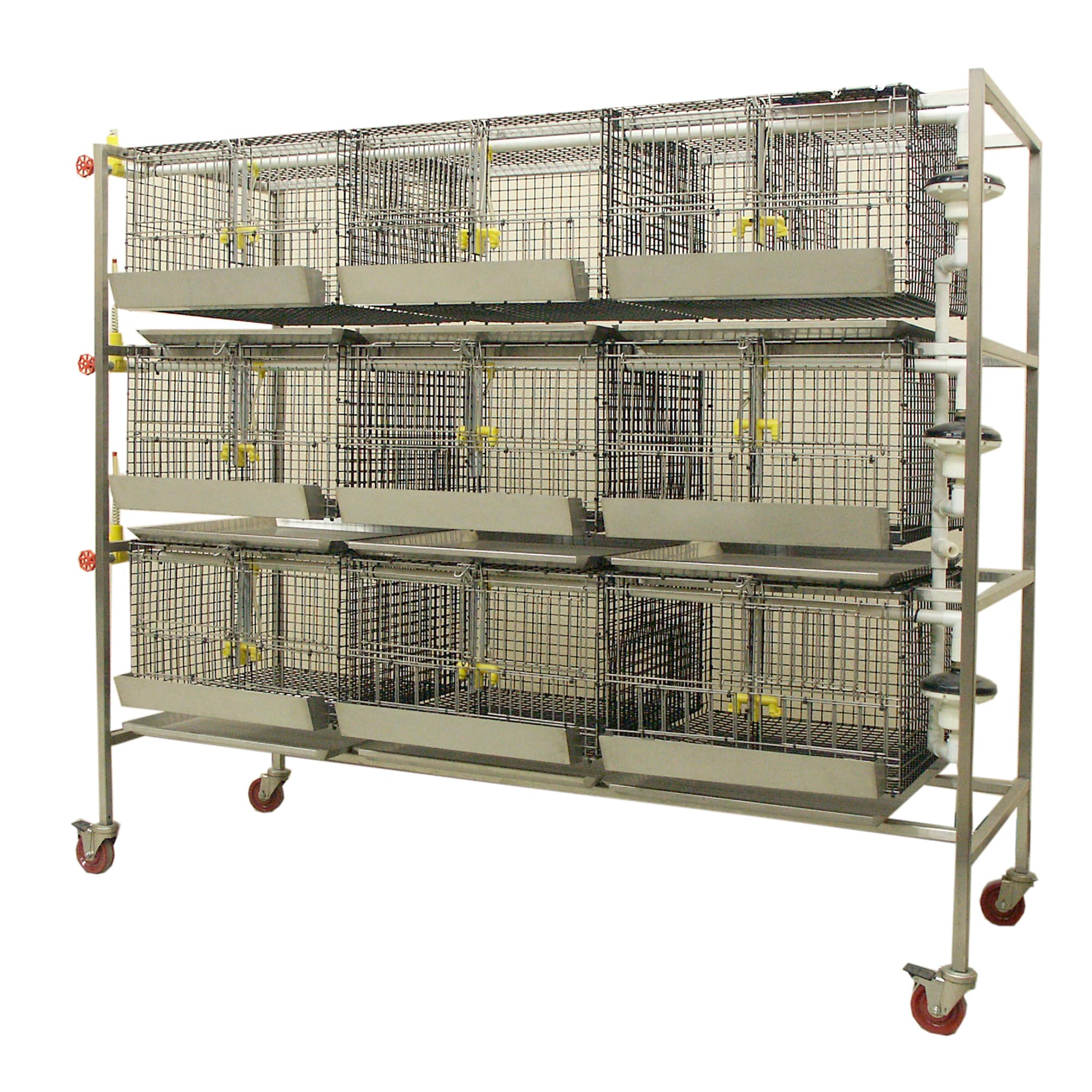
Research facilities have three primary animal housing categories to consider: individually ventilated caging (IVC), static microisolation caging, and open-top conventional caging. Each system offers distinct advantages depending on your facility’s needs, research protocols, and budget.
Individually Ventilated Caging (IVC) Systems
IVC systems represent the gold standard in laboratory animal housing, providing HEPA-filtered air directly to each cage. These systems create individual microenvironments that protect research integrity while maximizing animal welfare and staff safety.
Key advantages of IVC systems:
- Superior biocontainment: Each cage operates as an independent microenvironment, preventing cross-contamination between cages
- Reduced allergen exposure: HEPA filtration and contained airflow dramatically reduce laboratory animal allergens in the facility
- Extended cage change intervals: Controlled ventilation allows 14-21 day change schedules versus 7-10 days for static cages
- Higher density housing: Better microenvironment control enables more animals per room
- Improved animal welfare: Consistent temperature, humidity, and air quality reduce stress
- Research reproducibility: Standardized conditions across all cages minimize variables
Considerations: IVC systems require higher upfront investment ($15,000-$40,000 per rack depending on capacity), dedicated electrical infrastructure, and specialized cage washing equipment. However, many facilities find that reduced labor costs and improved research outcomes justify the investment.
Static Microisolation Caging
Static microisolation cages feature filtered bonnets that provide barrier protection without active ventilation. These systems offer a middle ground between conventional and IVC housing.
Best suited for:
- Short-term studies (under 2 weeks)
- Teaching facilities with lower biosecurity requirements
- Satellite facilities or quarantine areas
- Budget-conscious programs transitioning from conventional housing
- Lower-density housing needs
While static cages cost significantly less than IVC systems, they require more frequent cage changes and provide less environmental control.
Conventional Open-Top Caging
Traditional open caging without filters or barriers continues to serve specific applications, particularly for species requiring frequent observation or handling.
Appropriate uses:
- Large animal housing where frequent access is required
- Behavioral studies requiring constant observation
- Animals receiving multiple daily treatments
- Post-surgical recovery where close monitoring is essential
Species-Specific Housing Requirements
Different species have vastly different housing needs. Selecting caging that meets species-specific physiological and behavioral requirements is essential for both animal welfare and regulatory compliance.
Rodent Caging Systems
Rodent housing represents the largest category of laboratory animal caging. Mice and rats require different space allocations per the Guide for the Care and Use of Laboratory Animals:
| Species | Weight | Floor Area (sq in) | Cage Height (in) |
|---|---|---|---|
| Mice | <10g | 6 | 5 |
| Mice | 10-15g | 8 | 5 |
| Mice | 15-25g | 12 | 5 |
| Mice | >25g | 15 | 5 |
| Rats | <100g | 17 | 7 |
| Rats | 100-200g | 23 | 7 |
| Rats | 200-300g | 29 | 7 |
| Rats | 300-400g | 36 | 7 |
| Rats | 400-500g | 43 | 7 |
| Rats | >500g | 50 | 7 |
Modern rodent IVC systems offer multiple cage sizes within a single rack system, allowing you to house different age groups or strains appropriately. When selecting rodent caging systems, consider whether you need specialized features like:
- Automated watering systems: Automatic watering reduces labor and ensures consistent hydration
- Integrated bedding disposal: Bedding handling systems minimize allergen exposure during cage changes
- Cage change stations: HEPA-filtered stations protect both animals and personnel during transfers
For facilities conducting specific research applications, building custom IVC rack configurations may be necessary to accommodate unique protocols or housing densities.
Rabbit Housing Systems
Rabbit caging requires significantly more space than rodent housing. Adult rabbits (>4 kg) require at minimum 576 square inches of floor space and 14 inches of height. Key considerations include:
- Flooring type: Perforated or slotted floors must prevent foot injuries while allowing waste removal
- Enrichment integration: Caging should accommodate hiding areas, platforms, and gnawing materials
- Feeder and water systems: Must be chew-resistant and accessible without entering cages
- Observation needs: Clear viewing panels while maintaining low light levels to reduce stress
Many facilities choose modular rabbit caging systems that can be reconfigured as colony sizes change or research needs evolve.

Large Animal and Specialized Species Housing
Beyond traditional laboratory rodents and rabbits, research facilities may need specialized caging for:
Ferrets: Require multi-level housing with resting shelves, nest boxes, and secure latches (ferrets are notorious escape artists). Minimum floor space of 432 square inches for adults.
Primates (Marmosets): Need tall vertical caging (minimum 30 inches height) with climbing structures, perches at multiple levels, and visual barriers between neighboring animals. Social housing is strongly preferred.
Tree Shrews: Require complex 3D environments with branches, climbing opportunities, and nest boxes. These arboreal species need height more than floor space.
Birds (Finches): Housing must provide adequate flight space, perching opportunities, and environmental enrichment while maintaining biosecurity and ease of cleaning.
Large Animals: Dogs, pigs, sheep, and other large species require floor pens or kennels with appropriate drainage, enrichment opportunities, and access for veterinary procedures.
Critical Selection Factors
1. Biosecurity and Containment Requirements
Your research protocols and institutional biosecurity requirements will heavily influence caging selection. Consider:
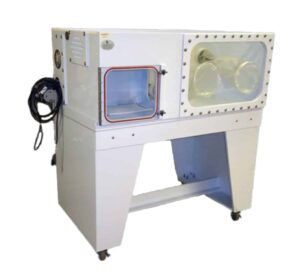
- Germ-free isolators – Complete sterile barrier for gnotobiotic research
- IVC systems with HEPA-filtered supply and exhaust
- IVC systems with HEPA-filtered supply only
- Static microisolation caging
- Conventional open housing
For facilities conducting immunocompromised animal studies, infectious disease research, or maintaining specific pathogen-free (SPF) colonies, IVC or isolator systems are essential. Learn more about establishing gnotobiotic facilities for the highest biosecurity needs.
Don’t forget to consider animal transfer stations and necropsy hoods as part of your comprehensive biosecurity program.
2. Facility Infrastructure and Space Constraints
Your existing facility infrastructure may limit or guide your caging selection:
- Electrical capacity: IVC systems require 110-120V per rack with dedicated circuits
- HVAC capabilities: Room air changes must be adequate even with IVC systems
- Ceiling height: Factor in clearance above racks for maintenance and cage changes
- Door widths: Racks must fit through corridors and doorways (typically 36-48 inches wide)
- Floor loading: Fully loaded IVC racks can exceed 1000 lbs
- Autoclave access: Consider how far cages must travel for sterilization
3. Workflow and Labor Efficiency
Labor represents the largest ongoing cost in vivarium operations. Caging selection significantly impacts staff efficiency:
- Cage change frequency: IVC systems with 2-3 week cycles reduce labor by 40-60% compared to weekly static cage changes
- Ergonomic design: Rack heights, shelf spacing, and cage weights affect staff comfort and injury rates
- Water bottle management: Automated watering eliminates bottle changing labor entirely
- Compatibility with automation: Consider integration with vivarium automation systems
- Washing equipment requirements: Ensure compatibility with your cage washing systems
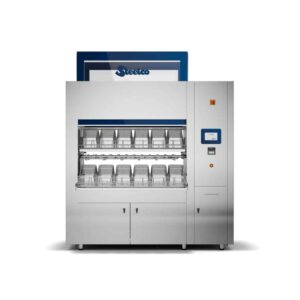
4. Cage Washing and Sanitation Workflow
Your caging decision must align with your washing and sterilization capabilities. IVC cages require specialized washing to maintain HEPA filter integrity and prevent cross-contamination.
Key washing considerations:
- Do you have automated cage washing capability?
- Can your washers handle IVC cage dimensions and filter housing?
- Do you have adequate cage wash racks for your volume?
- Will you sterilize or sanitize cages between uses?
For high-throughput facilities, tunnel washing systems may be necessary to keep pace with cage change schedules. Read our guide on laboratory washing best practices for detailed sanitation protocols.
5. Budget Considerations: Total Cost of Ownership
While IVC systems require higher upfront investment, total cost of ownership over 10-15 years often favors IVC due to labor savings and operational efficiencies.
| Cost Factor | Static Caging | IVC Systems |
|---|---|---|
| Initial cost per cage | $100-200 | $300-500 |
| Rack cost | $2,000-5,000 | $15,000-40,000 |
| Cage change frequency | 7-10 days | 14-21 days |
| Annual labor cost (per 1000 cages) | $35,000-50,000 | $20,000-30,000 |
| Electrical cost per rack/year | $0 | $300-600 |
| Filter replacement | $0 | $500-1,000/year |
Don’t forget to factor in:
- Bedding costs (higher frequency changes = more bedding)
- Water and detergent for washing
- Energy for sterilization
- Staff training and onboarding time
- Maintenance and replacement parts
6. Regulatory Compliance and Accreditation
Your caging must meet or exceed requirements from:
- AAALAC International: Accreditation requires housing that meets Guide standards
- USDA: Animal Welfare Act regulations for covered species
- IACUC: Your institutional animal care and use committee’s policies
- NIH/OLAW: PHS Policy requirements for federally funded research
- FDA: GLP compliance for regulated studies
Ensure your selected caging provides adequate space, enrichment opportunities, and environmental control to satisfy all applicable regulations.

Vendor Selection and Due Diligence
Choosing a caging vendor is a long-term partnership decision. The wrong vendor can lead to years of frustration with equipment failures, poor support, and limited flexibility.
Key Vendor Evaluation Criteria
1. Product Quality and Reliability
- Request references from similar-sized facilities
- Visit installations to observe long-term performance
- Review warranty terms and exclusions
- Evaluate materials quality and construction methods
2. Technical Support and Service
- Response time guarantees for critical failures
- Availability of local service technicians
- Parts inventory and lead times
- Training programs for facility staff
- Documentation quality (manuals, SOPs, maintenance guides)
3. Flexibility and Customization
- Can racks be reconfigured as needs change?
- Are cage sizes interchangeable within racks?
- Do they offer custom solutions for unique requirements?
- Can systems integrate with existing equipment?
4. Long-term Viability
- Company stability and financial health
- Product line continuity (will parts be available in 10 years?)
- Innovation pipeline and future compatibility
- Industry reputation and regulatory standing
Implementation Strategy: Phased Approach vs. Complete Conversion
Few facilities can or should convert all housing at once. Most successful implementations follow a phased approach:
Phase 1: Pilot Installation (3-6 months)
- Install 2-3 IVC racks for evaluation
- Train core staff on operation and maintenance
- Identify workflow adjustments needed
- Document challenges and solutions
- Gather user feedback from researchers and technicians
Phase 2: Strategic Expansion (6-18 months)
- Convert high-priority studies requiring enhanced biosecurity
- Focus on immunocompromised or high-value colonies
- Standardize training across all staff
- Optimize washing and sterilization workflows
- Refine maintenance schedules and procedures
Phase 3: Full Implementation (2-5 years)
- Complete conversion of remaining suitable housing
- Retire aging static cage inventory
- Optimize room utilization with increased density
- Fully integrate with automation systems
Sustainability and LEED Considerations
Modern research facilities increasingly prioritize sustainability. When selecting animal caging systems, consider environmental impact:
- Energy efficiency: Look for ENERGY STAR rated IVC systems with variable speed drives
- Water conservation: Automated watering systems reduce waste compared to water bottles
- Material sustainability: Polycarbonate vs. polysulfone cages have different lifespans and recyclability
- LEED certification support: Equipment choices impact LEED certification for vivariums
Energy-efficient equipment can contribute to LEED points while reducing operational costs over the equipment lifecycle.
Special Considerations for Specific Research Types
Breeding Colonies
High-production breeding programs benefit most from IVC systems due to:
- Extended cage change cycles reduce disturbance to pregnant females
- Improved biosecurity protects valuable breeding stock
- Better environmental control enhances reproductive success
- Higher housing density maximizes facility capacity
Aging Studies
Long-term aging research requires caging that will last the study duration:
- Durable construction that survives years of use and washing
- Reliable automated watering to ensure consistent hydration
- Easy observation without disturbing elderly animals
- Compatibility with geriatric enrichment items
Behavioral Studies
Behavioral research may require specialized features:
- Clear observation panels for video recording
- Adequate space for enrichment and social housing
- Quiet operation to minimize stress and confounds
- Compatibility with behavioral testing equipment
Infectious Disease Studies
Work with infectious agents demands maximum containment:
- IVC systems with exhaust HEPA filtration
- Dedicated Class II biological safety cabinet transfer stations
- Integration with decontamination systems
- Consideration of euthanasia methods that minimize aerosol generation
Emerging Technologies and Future Trends
The field of laboratory animal housing continues to evolve. Keep these emerging trends in mind for long-term planning:
- Smart caging systems: Integration with sensors monitoring temperature, humidity, ammonia levels, and animal activity
- RFID integration: Automatic cage identification and tracking throughout the facility
- Data analytics: Real-time monitoring and predictive maintenance alerts
- Improved energy efficiency: Heat recovery systems and variable air volume controls
- Enhanced enrichment integration: Built-in features supporting species-specific behavioral needs
- Alternative housing models: Increased focus on social housing and environmental complexity
Common Pitfalls to Avoid
Learn from others’ mistakes when selecting animal caging systems:
- Choosing based solely on upfront cost without calculating total cost of ownership
- Failing to involve end users (animal care technicians and researchers) in the selection process
- Ignoring facility infrastructure limitations until after purchase
- Overlooking washing equipment compatibility leading to workflow bottlenecks
- Selecting caging before optimizing room layout and discovering it won’t fit
- Underestimating electrical requirements for IVC systems
- Neglecting long-term parts availability and vendor viability
- Failing to plan for future expansion or changing research needs
- Inadequate staff training budgets and timeline
- Not pilot testing before facility-wide implementation
Making Your Final Decision
Selecting animal caging systems is a complex decision that impacts every aspect of your vivarium operations. Use this framework to guide your final selection:
Decision Framework Checklist
Research Requirements:
- Biosecurity level required for your research protocols
- Species and numbers you need to house
- Study durations and cage change schedules
- Special protocol requirements (behavioral, breeding, aging)
Facility Assessment:
- Available floor space and room dimensions
- Electrical capacity and distribution
- HVAC capabilities and air change rates
- Washing and sterilization capacity
- Door widths and access limitations
Operational Considerations:
- Current and projected staff levels
- Training requirements and timelines
- Maintenance capabilities (in-house vs. vendor service)
- Integration with existing systems and workflows
Financial Analysis:
- Capital budget and funding sources
- Ongoing operational costs (labor, utilities, consumables)
- Replacement and maintenance reserves
- 10-year total cost of ownership comparison
Vendor Evaluation:
- Product quality and reliability track record
- Technical support and service capabilities
- Long-term viability and parts availability
- References from similar facilities
Conclusion
The right animal caging system is a cornerstone of successful research. While IVC systems represent the current standard for most applications, the best choice for your facility depends on your specific research needs, infrastructure, budget, and operational capacity.
Take time to thoroughly evaluate your options, involve all stakeholders in the decision process, and plan for a phased implementation that allows you to learn and adjust. The investment you make today in quality housing will pay dividends in animal welfare, research quality, staff satisfaction, and regulatory compliance for years to come.
For assistance selecting the right animal housing systems for your facility, contact ARES Scientific’s vivarium specialists who can help you navigate the decision process and design a solution that meets your unique requirements.