

Maintaining clean, residue-free laboratory glassware is essential for obtaining accurate and reproducible results in any scientific setting. The right laboratory glassware washer detergent ensures the effective removal of organic and inorganic residues while protecting delicate labware from damage.
Whether you’re running a research laboratory, pharmaceutical facility, clinical diagnostics lab, or academic institution, choosing the correct detergent formulation can significantly impact your experimental outcomes, equipment longevity, and operational costs.
This comprehensive guide provides detailed insights into:
- The different types of laboratory detergents (alkaline, acidic, enzymatic, neutral, and low-foaming) and their chemical properties.
- Specific applications, advantages, and limitations of each detergent type.
- Miele and Steelco detergents—two leading brands in automated laboratory glassware washing.
- Best practices for detergent selection, dosing, and cycle optimization.
- How ARES Scientific can help you select the best washer-detergent combination for your lab’s unique needs.

These common questions will be answered throughout the guide!
- What types of detergents are best for removing organic versus inorganic residues?
- Alkaline detergents remove organic matter (proteins, fats, oils). Acidic detergents remove inorganic residues (scale, lime deposits). See Section 2.
- What are the benefits of using enzymatic detergents?
- Enzymatic detergents break down protein-rich soils like blood and tissue while minimizing manual scrubbing. See Section 2.4.
- How do acidic and alkaline detergents differ in their cleaning action?
- Alkaline detergents work best on organic residues, while acidic detergents target inorganic buildup. See Sections 2.1 and 2.3.
- Why choose Miele detergents for Miele glassware washers?
- Miele detergents are engineered for precise compatibility with Miele laboratory glassware washers, ensuring effective cleaning and residue-free results. See Section 5.
- How do Steelco detergents fit into laboratory workflows?
- Steelco detergents are designed for high-efficiency washing, providing a range of alkaline, acidic, and enzymatic formulations. See Section 6.
- How can ARES Scientific help me select the right laboratory washer and detergent?
- ARES Scientific provides expert guidance on choosing the ideal Steelco or Miele washer and detergent combination for your lab. See Section 7.
Types of Laboratory Glassware Washer Detergents: Alkaline, Neutral, Acidic & More
Understanding the chemistry and applications of different detergent types is crucial for maintaining the integrity of your laboratory glassware and ensuring consistent, reproducible results. Below is a comprehensive breakdown of the most common detergent types used in automated laboratory glassware washers, their specific applications, advantages, and key considerations.
Alkaline Detergents: Heavy-Duty Organic Residue Removal
✔ Best for: Heavy organic residues (proteins, fats, oils, biological media, cell culture debris).
✔ pH Level: 10 to 14 (highly alkaline).
✔ Composition: Sodium or potassium hydroxide, sequestering agents, surfactants, and chelating compounds.
✔ Common Applications: Microbiology labs, biochemistry research, pharmaceutical development, clinical diagnostics.
Advantages:
✅ Powerful soil removal – Saponifies fats and lipids, denatures and dissolves proteins.
✅ Effective for routine cleaning in research and clinical laboratories.
✅ Breaks down complex organic matrices efficiently.
✅ Works synergistically with hot water cycles for enhanced cleaning power.
✅ Excellent for removing biofilms and bacterial residues.
Considerations:
⚠️ May etch or corrode sensitive glassware, especially soft glass and certain metals.
⚠️ Requires thorough rinsing to prevent alkaline residue that can interfere with sensitive assays.
⚠️ Not suitable for cleaning labware used in acid-sensitive experiments.
⚠️ Can damage aluminum, zinc, and soft metal components if not properly formulated.
⚠️ Higher concentrations may affect gaskets and seals over time.
Pro Tip: When working with particularly stubborn protein residues, consider using alkaline detergents in combination with elevated temperatures and extended wash cycles for optimal results.
Neutral Detergents: Gentle Cleaning for Sensitive Applications
✔ Best for: Sensitive materials, delicate instruments, precision glassware, and applications requiring minimal chemical interference.
✔ pH Level: Around 7 (neutral).
✔ Composition: Mild non-ionic surfactants, builders, and gentle cleaning agents without harsh acids or alkalis.
✔ Common Applications: Analytical chemistry, trace analysis, spectroscopy, chromatography sample preparation.
Advantages:
✅ Gentle on glassware, preserving structural integrity and optical clarity.
✅ Leaves minimal residue, ensuring precise analytical results in sensitive applications.
✅ Compatible with a wide range of materials including borosilicate glass, plastics, and metals.
✅ Ideal for cleaning volumetric glassware, pipettes, and graduated cylinders.
✅ Reduces risk of chemical contamination in trace-level analysis.
✅ Safe for use with delicate measuring instruments and sensitive laboratory equipment.
Considerations:
⚠️ Less effective on baked-on, carbonized, or heavy soil deposits.
⚠️ Often used in multi-step wash protocols alongside stronger alkaline or acidic detergents.
⚠️ May require longer wash cycles or higher temperatures to achieve complete cleaning.
⚠️ Not recommended as the sole detergent for heavily contaminated glassware.
⚠️ Best suited for maintenance cleaning rather than heavy-duty decontamination.
Acidic Detergents: Mineral Deposit and Scale Removal
✔ Best for: Removing inorganic deposits, mineral scale, lime residue, rust stains, and water hardness buildup.
✔ pH Level: 1 to 5 (acidic).
✔ Composition: Citric acid, phosphoric acid, sulfamic acid, surfactants, and corrosion inhibitors.
✔ Common Applications: Water quality labs, environmental testing, geology departments, areas with hard water.
Advantages:
✅ Dissolves mineral scale, calcium deposits, and rust-like oxide formations.
✅ Restores clarity to cloudy, etched, or stained glassware.
✅ Effective at removing hard water deposits and preventing spotting.
✅ Removes metal ion contamination from glassware surfaces.
✅ Prevents buildup inside glassware washer spray arms and nozzles.
✅ Can be used for periodic maintenance cycles to prevent system scaling.
Considerations:
⚠️ Overuse or excessive concentrations can cause etching and permanent damage to glassware.
⚠️ Always verify compatibility with washer components, particularly rubber seals and gaskets.
⚠️ May react with alkaline residues if not properly rinsed between cycles.
⚠️ Requires careful handling and appropriate personal protective equipment.
⚠️ Not suitable for use on certain types of specialty glass or coatings.
⚠️ Should be alternated with alkaline cycles rather than used exclusively.
Expert Recommendation: For laboratories in areas with hard water, incorporate acidic detergent cycles weekly to prevent long-term mineral buildup and maintain optimal washer performance.
Enzymatic Detergents: Biological Soil Breakdown
✔ Best for: Protein-rich soils (blood, serum, tissue samples, microbial cultures, biological residues).
✔ pH Range: Neutral to slightly alkaline (6.5-8.5).
✔ Composition: Specific enzymes (proteases, lipases, amylases, cellulases) combined with mild surfactants and stabilizers.
✔ Common Applications: Medical laboratories, pathology departments, microbiology labs, life sciences research.
Advantages:
✅ Highly targeted enzymatic action against complex organic materials and biological contaminants.
✅ Minimizes manual scrubbing, pre-soaking time, and labor requirements.
✅ Works at lower temperatures compared to harsh chemical detergents, saving energy.
✅ Gentle on delicate glassware while effectively removing stubborn biological residues.
✅ Reduces exposure to harsh chemicals for laboratory personnel.
✅ Particularly effective for removing dried blood, serum proteins, and tissue fragments.
✅ Biodegradable and environmentally friendly formulations available.
Considerations:
⚠️ Temperature-sensitive; enzymes denature and lose effectiveness above specific temperatures (typically 60°C/140°F).
⚠️ Shorter shelf life compared to chemical detergents; requires proper storage conditions.
⚠️ May require specific pH ranges for optimal enzyme activity.
⚠️ Storage in extreme heat or cold can reduce enzyme viability.
⚠️ Generally more expensive than standard alkaline detergents.
⚠️ Effectiveness depends on contact time and proper dosing.
⚠️ Should not be mixed with strong oxidizing agents or bleach.
Low-Foaming Detergents: Optimized for Automated Systems
✔ Best for: Automated high-capacity laboratory washers and spray-arm systems.
✔ Key Feature: Formulated to minimize foam production during mechanical washing.
✔ Composition: Specially selected surfactants with low foaming characteristics, defoaming agents.
✔ Common Applications: High-throughput laboratories, automated washing systems, tunnel washers.
Advantages:
✅ Prevents foam-related malfunctions in automated washing equipment.
✅ Ensures proper spray arm rotation and water circulation.
✅ Maintains consistent wash quality across all load positions.
✅ Reduces the need for antifoam additives.
✅ Optimizes rinse efficiency and reduces water consumption.
✅ Compatible with modern sensor-based washing systems.

Best Practices for Selecting the Right Laboratory Detergent
Choosing the optimal detergent requires careful consideration of multiple factors specific to your laboratory’s operations, equipment, and quality requirements. Follow these evidence-based guidelines to make informed decisions.
Critical Selection Factors
✔ Identify the Soil Type: Determine whether you’re primarily dealing with organic contaminants (proteins, fats, oils, biological media) or inorganic residues (mineral scale, lime deposits, metal ions). Many laboratories require both types of cleaning and benefit from alternating alkaline and acidic wash cycles.
✔ Check Material Compatibility: Verify that your chosen detergent is compatible with all materials in your glassware inventory, including borosilicate glass, soft glass, specialty plastics (polypropylene, polycarbonate, PTFE), and metal components. Harsh detergents can damage delicate stopcock valves, ground glass joints, and precision volumetric markings.
✔ Assess Washer Configuration: Modern laboratory glassware washers support sophisticated multi-step programs with separate alkaline, enzymatic, and acidic phases. Ensure your detergent selection aligns with your washer’s capabilities and program options.
✔ Consider Assay Sensitivity: For laboratories performing trace analysis, mass spectrometry, HPLC, or other sensitive analytical techniques, minimal residue is absolutely crucial. Select detergents specifically formulated for analytical applications with verified low-residue characteristics.
✔ Follow Environmental and Safety Regulations: Ensure compliance with local environmental regulations regarding chemical discharge, biodegradability requirements, and workplace safety standards. Consider the environmental impact of detergent disposal and look for eco-certified options when available.
✔ Evaluate Water Quality: Hard water requires different detergent formulations than soft water. Test your facility’s water hardness and select detergents with appropriate sequestering agents and chelating compounds.
✔ Review Throughput Requirements: High-throughput laboratories benefit from concentrated detergent formulations that reduce handling, storage space, and ordering frequency. Calculate cost-per-load rather than cost-per-container for accurate economic comparison.
✔ Manufacturer Recommendations: Always consult your glassware washer manufacturer’s recommendations regarding approved detergents. Using non-approved detergents may void equipment warranties and cause mechanical problems.
Detergent Selection Decision Matrix
| Application Type | Primary Contaminant | Recommended Detergent | Secondary Option |
|---|---|---|---|
| Microbiology Research | Proteins, cell debris, media | Alkaline + Enzymatic | Neutral for delicate items |
| Analytical Chemistry | Trace organic compounds | Neutral, Low-residue | Mild alkaline |
| Clinical Diagnostics | Blood, serum, biological fluids | Enzymatic + Alkaline | Disinfectant additives |
| Environmental Testing | Mineral deposits, sediments | Acidic + Alkaline rotation | Neutral for sensitive equipment |
| Pharmaceutical QC | API residues, excipients | GMP-grade Neutral/Alkaline | Validated low-residue formulations |
Practical Tips for Successful Glassware Washing
Implementing these proven best practices will maximize cleaning efficiency, extend equipment life, and ensure consistent results across all washing cycles.
Pre-Treatment and Preparation
✔ Pre-Rinse Immediately: Rinse glassware with tap water immediately after use to prevent residues from drying and bonding to glass surfaces. This simple step can reduce detergent requirements by 30-40%.
✔ Strategic Pre-Soaking: For heavily soiled items, pre-soak in diluted alkaline or enzymatic detergent solution for 15-30 minutes before loading. This helps loosen dried-on debris, tough protein deposits, and stubborn residues, significantly improving wash cycle effectiveness.
✔ Segregate Load Types: Separate glassware by contamination type and washing requirements. Don’t mix heavily soiled items with lightly contaminated precision glassware in the same load.
Detergent Dosing and Chemistry
✔ Proper Dosage is Critical: Overuse can cause excessive foaming, leave residues, waste chemicals, and increase costs. Underuse leads to incomplete cleaning and requires rewashing. Always follow manufacturer dosing guidelines and adjust based on water hardness and soil load.
✔ Use Automatic Dispensing Systems: Invest in automatic detergent dispensing systems for consistent, accurate dosing. These systems eliminate human error, reduce waste, and ensure optimal cleaning performance with every cycle.
✔ Monitor pH Levels: Periodically test wash and rinse water pH to verify proper detergent function and complete rinsing. Residual alkalinity or acidity can interfere with sensitive experiments.
Cycle Optimization and Temperature Control
✔ Match Temperature to Detergent Chemistry: Align detergent’s ideal temperature range with washer settings for maximum effectiveness. Alkaline detergents work best at 55-65°C (131-149°F), while enzymatic detergents require lower temperatures (40-55°C/104-131°F).
✔ Duration Matters: Extend wash cycle duration for heavily soiled loads rather than increasing detergent concentration. Longer contact time often produces better results than higher chemical concentrations.
✔ Optimize Rinse Cycles: Implement multiple rinse stages with progressively cleaner water. Final rinses should use deionized or reverse osmosis water for trace-analysis applications. Learn more about optimizing wash cycles for better results.
Equipment Maintenance and Monitoring
✔ Routine Preventive Maintenance: Regularly inspect and clean filters, screens, spray arms, and nozzles for clogs or damage. Monthly inspection schedules prevent small problems from becoming major failures. Reference our comprehensive glassware washer maintenance guide for detailed procedures.
✔ Monitor Spray Arm Performance: Verify that spray arms rotate freely and provide complete coverage. Blocked spray nozzles cause inconsistent cleaning results.
✔ Check Door Seals and Gaskets: Inspect door gaskets monthly for wear, cracks, or chemical degradation. Replace damaged seals immediately to maintain proper temperature and pressure.
✔ Descale Water Systems: In hard water areas, run acidic detergent maintenance cycles weekly or bi-weekly to prevent scale buildup in heating elements, spray arms, and water lines.
Quality Assurance and Validation
✔ Validation Checks: Perform regular residue tests using appropriate analytical methods (pH testing, conductivity measurement, TOC analysis) to ensure consistent cleaning results and verify detergent removal.
✔ Visual Inspection: Examine cleaned glassware under good lighting for spots, streaks, films, or residual contamination. Clean glassware should be completely water-break free.
✔ Document Performance: Maintain washing logs documenting cycle parameters, detergent lots, and any deviations. This documentation is essential for troubleshooting and regulatory compliance.
✔ Periodic Performance Testing: Use standardized soil test strips or indicator methods to verify washing effectiveness and calibrate detergent dosing systems.
Safety and Environmental Considerations
✔ Personal Protective Equipment: Always wear appropriate PPE (gloves, safety glasses, lab coat) when handling concentrated detergents, especially alkaline and acidic formulations.
✔ Proper Storage: Store detergents in original containers, away from incompatible chemicals, in temperature-controlled areas. Keep enzymatic detergents refrigerated if recommended by manufacturer.
✔ Waste Management: Dispose of spent detergent solutions according to local regulations and your facility’s chemical waste management procedures.
Spotlight on Miele Detergents: High-Performance Cleaning Solutions
Miele’s laboratory glassware washers are engineered to work seamlessly with their ProCare Lab detergent line, ensuring optimal cleaning performance, minimal residue, reduced maintenance requirements, and extended equipment life. This integrated system approach delivers superior results compared to generic detergent alternatives.
Miele ProCare Lab Detergent Categories
Miele has developed a comprehensive range of specialized detergents to address every laboratory washing requirement, from heavy-duty organic soil removal to gentle cleaning of precision analytical glassware.
Alkaline Detergents (ProCare Lab 10 Series)
The ProCare Lab 10 Series represents Miele’s premium alkaline cleaning formulation, specifically engineered for:
✔ Heavy Organic Soil Removal: Effectively removes proteins, fats, oils, cell culture media, biological residues, and complex organic matrices.
✔ Low-Foam Technology: Formulated with advanced surfactants that minimize foam production while maintaining superior cleaning power.
✔ Hard Water Performance: Contains powerful sequestering agents that prevent mineral deposition even in areas with very hard water.
✔ Material Compatibility: pH-balanced to provide aggressive cleaning without damaging borosilicate glass or modern plastic labware.
✔ Temperature Optimized: Achieves maximum effectiveness at 55-65°C, working synergistically with Miele’s precision temperature control systems.
Neutral and Enzymatic Detergents (ProCare Lab 11 / 30 Series)
These specialized formulations are ideal for sensitive applications and multi-stage washing protocols:
✔ ProCare Lab 11 (Neutral Detergent):
– pH-neutral formulation for delicate and precision glassware
– Ideal for volumetric flasks, burettes, pipettes, and graduated cylinders
– Ultra-low residue characteristics for analytical applications
– Compatible with trace analysis and spectroscopy sample preparation
– Excellent for maintenance cleaning and light soil loads
✔ ProCare Lab 30 (Enzymatic Detergent):
– Multi-enzyme formulation with proteases, lipases, and amylases
– Perfect for clinical laboratories, medical diagnostics, and life sciences research
– Effective at lower temperatures (40-50°C), reducing energy costs
– Biodegradable enzyme blend that’s environmentally responsible
– Outstanding performance on blood, serum, tissue samples, and biological fluids
– Can be used alone or as a pre-wash step before alkaline cycles
Acidic Detergents and Neutralizers (ProCare Lab 12 / 20 Series)
Miele’s acidic formulations prevent and remove mineral buildup while maintaining glassware clarity:
✔ ProCare Lab 12 (Acidic Detergent):
– Dissolves scale, lime deposits, and mineral residues
– Restores optical clarity to clouded or etched glassware
– Essential for hard water environments
– Removes metal ion contamination
– Prevents long-term scaling of washer components
– Should be used in alternating cycles with alkaline detergents
✔ ProCare Lab 20 (Neutralizer/Final Rinse):
– Neutralizes alkaline residues after main wash cycle
– Conditions glassware for spot-free drying
– Reduces surface tension for improved water drainage
– Prevents water marks and streaking
– Particularly important for analytical glassware and optical components
Why Choose Miele ProCare Lab Detergents?
✅ Engineered Compatibility: Precisely formulated to work with Miele laboratory washers‘ spray patterns, temperature profiles, and cycle times.
✅ Validated Performance: Extensively tested and validated for cleaning effectiveness, material compatibility, and residue-free results.
✅ Warranty Protection: Using Miele-approved detergents maintains equipment warranty coverage and ensures long-term reliability.
✅ Technical Support: Miele provides comprehensive application support, dosing guidance, and troubleshooting assistance.
✅ Concentrated Formulations: Highly concentrated products reduce packaging waste, storage requirements, and shipping costs.
✅ Consistent Quality: Batch-to-batch consistency ensures reproducible cleaning results across all loads.
✅ Environmental Certifications: Many ProCare Lab detergents carry eco-certifications and comply with green chemistry principles.
Miele Detergent Application Guide
| Laboratory Application | Primary Detergent | Secondary/Rinse | Typical Cycle |
|---|---|---|---|
| General Research | ProCare Lab 10 | ProCare Lab 20 | Intensive 65°C |
| Clinical Diagnostics | ProCare Lab 30 + Lab 10 | ProCare Lab 20 | Hygiene 93°C |
| Analytical Chemistry | ProCare Lab 11 | DI Water Rinse | Gentle 55°C |
| Hard Water Areas | ProCare Lab 10 + Lab 12 | ProCare Lab 20 | Alternating cycles |
| Pharmaceutical QC | ProCare Lab 10 (GMP) | Validated rinse | Validated program |
Spotlight on Steelco Detergents: Laboratory & Medical-Grade Cleaning
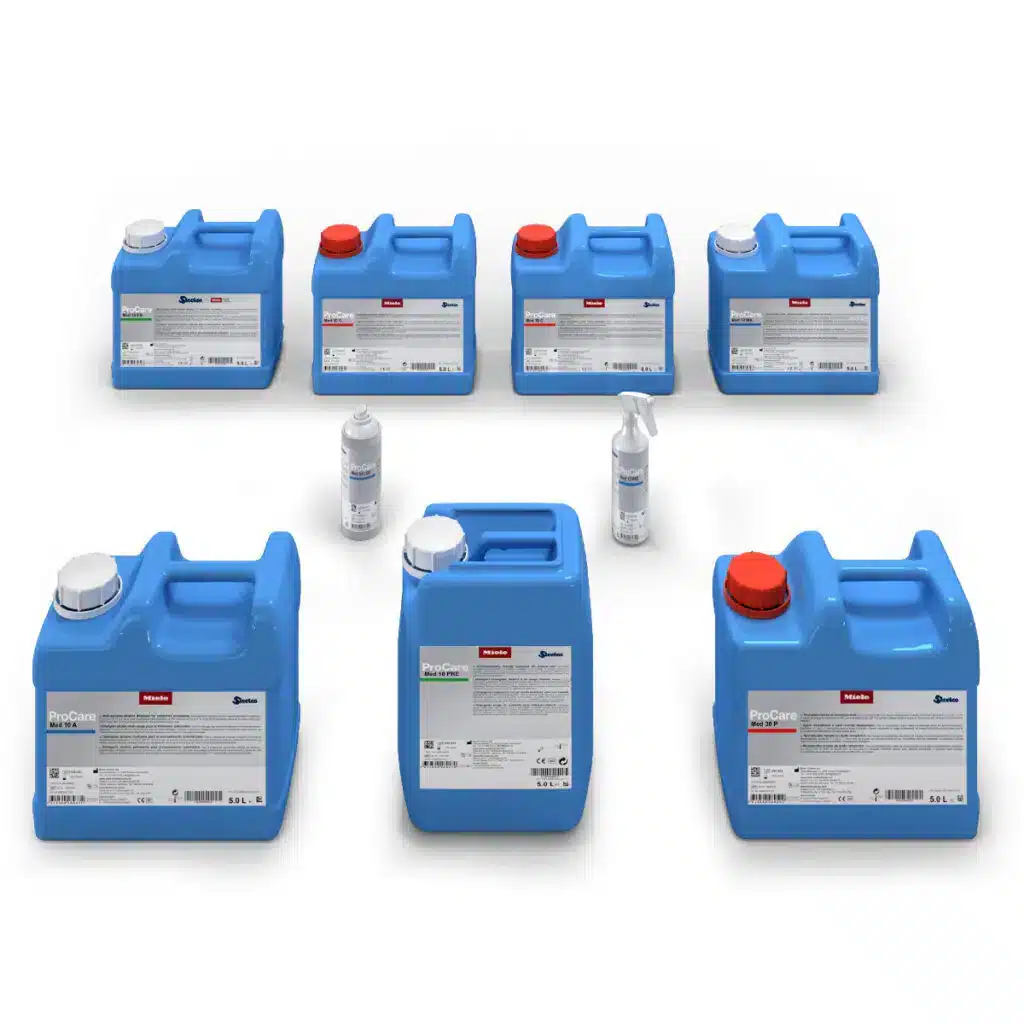
Steelco detergents are rigorously tested for material compatibility and cleaning efficacy, ensuring they meet the highest industry standards for both laboratory and medical-grade applications. Steelco’s comprehensive detergent portfolio addresses the full spectrum of washing requirements in modern research and clinical facilities.
Steelco Detergent Portfolio
Alkaline Formulations
✔ Heavy-Duty Organic Soil Removal: Steelco’s alkaline detergents are specifically engineered to target complex organic matrices including:
– Proteins and peptides from biological experiments
– Fats, lipids, and oils from biochemistry research
– Cell culture media and bacterial growth cultures
– Tissue samples and anatomical specimens
– Food residues in nutrition science laboratories
✔ Advanced Surfactant Technology: Proprietary surfactant blends provide superior wetting and penetration while maintaining low foam characteristics essential for automated spray-arm systems.
✔ pH-Optimized Formulations: Available in multiple alkalinity levels to match specific application requirements without compromising glassware integrity.
Neutral & Enzymatic Detergents
Steelco’s neutral and enzymatic formulations represent the cutting edge of gentle, effective cleaning technology:
✔ Multi-Enzyme Systems: Sophisticated enzyme blends targeting specific substrate types:
– Proteases for protein breakdown
– Lipases for fat and oil removal
– Amylases for starch and carbohydrate residues
– Cellulases for plant-based contamination
✔ Temperature-Stable Formulations: Advanced enzyme stabilization technology extends the effective temperature range while maintaining cleaning power.
✔ Ideal for Delicate Labware: Perfect for precision glassware, graduated cylinders, volumetric flasks, optical components, and specialty plastics that require gentle treatment.
Acidic Detergents
✔ Mineral Deposit Removal: Steelco’s acidic formulations effectively address:
– Hard water scale and lime deposits
– Calcium and magnesium carbonates
– Rust stains and metal oxides
– Mineral buildup in water lines and spray systems
✔ Glassware Restoration: Removes etching, cloudiness, and staining to restore optical clarity and appearance.
✔ System Maintenance: Prevents long-term scaling that can reduce Steelco washer efficiency and increase maintenance costs.
Rinse Aids & Specialty Additives
Steelco’s comprehensive additive portfolio ensures spot-free drying and enhanced cleaning performance:
✔ Advanced Rinse Aids:
– Reduce surface tension for complete water drainage
– Prevent water spots, streaks, and filming
– Accelerate drying time and improve energy efficiency
– Leave glassware crystal clear and ready for immediate use
✔ Specialty Performance Additives:
– Antifoam agents for problematic foam situations
– Water conditioners for extreme hard water conditions
– Neutralizing agents for multi-step washing protocols
– Sanitizing additives for clinical and medical applications
Steelco Quality Assurance and Certifications
✔ ISO-Certified Manufacturing: All Steelco detergents are produced in ISO 9001-certified facilities with rigorous quality control procedures.
✔ Material Compatibility Testing: Extensive testing ensures compatibility with borosilicate glass, plastics, metals, and specialty materials.
✔ Environmental Compliance: Formulations meet or exceed environmental regulations including biodegradability requirements and aquatic toxicity standards.
✔ GMP-Compliant Options: Pharmaceutical-grade detergents available for regulated industries requiring validated cleaning processes.
✔ Technical Documentation: Complete safety data sheets, certificates of analysis, and application guides available for all products.
Integration with Steelco Washing Systems
Steelco detergents are specifically formulated to work optimally with Steelco’s range of laboratory washers, including:
✔ Undercounter Laboratory Washers: Compact, high-performance systems for smaller labs and research groups.
✔ Freestanding Laboratory Washers: Full-size units for high-throughput applications and large glassware items.
✔ Large Capacity Systems: Industrial-scale washers for central washing facilities and shared laboratory resources.
✔ Specialized Tunnel Washers: Continuous-feed systems for maximum throughput in high-volume settings.

ARES Scientific—Your Laboratory Glass Washer & Detergent Experts
ARES Scientific provides comprehensive expert guidance on selecting, implementing, and optimizing the ideal Steelco or Miele glassware washer and detergent solutions for your laboratory’s unique requirements.
Why Choose ARES Scientific?
✔ Tailored Recommendations Based on Your Specific Needs:
Our laboratory equipment specialists work directly with you to understand your facility’s unique requirements including:
– Residue types and contamination levels
– Daily throughput and capacity requirements
– Regulatory and compliance obligations (GLP, GMP, ISO, CLIA)
– Budget constraints and total cost of ownership
– Existing infrastructure and utility limitations
– Staff expertise and training requirements
✔ Streamlined Procurement Process:
ARES Scientific serves as your single source for both Steelco and Miele solutions, simplifying procurement by:
– Eliminating the need to work with multiple vendors
– Coordinating equipment and consumables delivery
– Managing warranty registration and documentation
– Providing consolidated billing and accounting
– Ensuring detergent compatibility with your chosen washer platform
✔ Full Lifecycle Support and Partnership:
Our commitment extends far beyond the initial sale, providing:
– Pre-Installation Planning: Site surveys, utility verification, workflow analysis
– Professional Installation: Factory-trained technicians ensure proper setup
– Comprehensive Training: Hands-on operator training and SOP development
– Process Validation: IQ/OQ/PQ protocols for regulated environments
– Ongoing Technical Support: Troubleshooting, optimization, and preventive maintenance
– Consumables Management: Automated detergent ordering and inventory management programs
Additional Laboratory Solutions from ARES Scientific
Beyond glassware washers and detergents, ARES Scientific provides comprehensive solutions for laboratory infrastructure:
✔ Sterilizers and Autoclaves: Steam, dry heat, and specialized sterilization equipment
✔ Clean Air and Containment: Biological safety cabinets, fume hoods, and clean benches
✔ Laboratory Refrigeration: Ultra-low temperature freezers, refrigerators, and environmental chambers
✔ Benchtop Instruments: Centrifuges, shakers, incubators, and analytical equipment
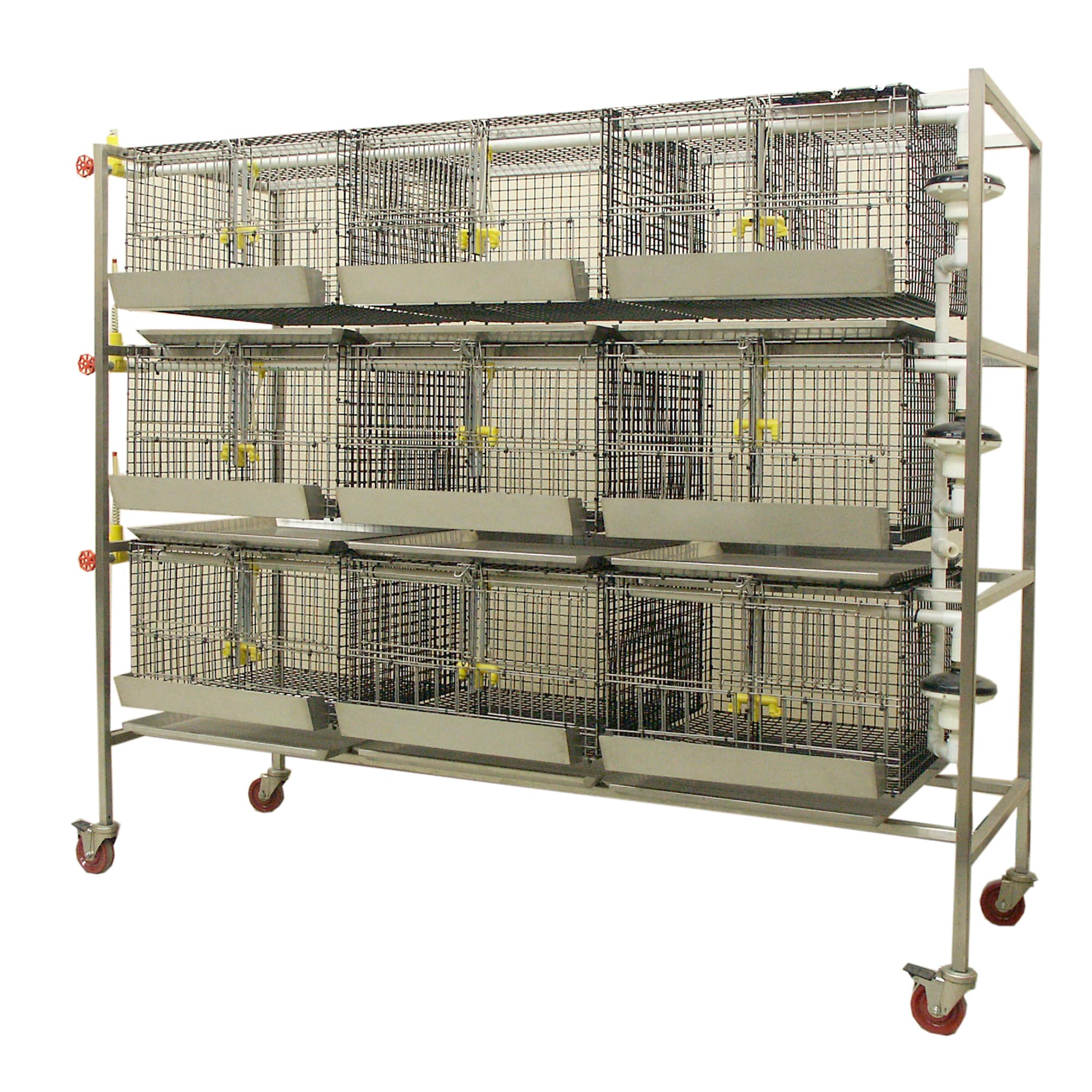
✔ Vivarium Equipment: Animal research facility solutions and vivarium infrastructure
Regional Expertise and National Coverage
ARES Scientific maintains a national presence with regional specialists who understand local requirements, regulations, and market conditions. Our team brings decades of combined experience in laboratory equipment and consumables.
Ready to Optimize Your Glassware Washing?
Contact ARES Scientific today to discuss your laboratory’s specific washing requirements. Our equipment specialists will help you:
✔ Select the optimal washer capacity and configuration
✔ Choose the right detergent portfolio for your applications
✔ Design an efficient workflow and loading strategy
✔ Calculate total cost of ownership and ROI
✔ Develop validated washing protocols for regulatory compliance
✔ Establish preventive maintenance programs
✔ Access exclusive pricing on equipment and consumables bundles
Frequently Asked Questions About Laboratory Detergents
Can I use household dishwasher detergent in my laboratory glassware washer?
No, absolutely not. Household detergents are formulated for food soils and consumer dishwashers, not laboratory contaminants and precision glassware. They produce excessive foam, leave unacceptable residues, may damage laboratory glassware, and void equipment warranties. Always use detergents specifically formulated for laboratory applications.
How often should I alternate between alkaline and acidic detergent cycles?
For optimal results in hard water areas, alternate cycles weekly or bi-weekly. In soft water environments, monthly acidic cycles may be sufficient. Monitor glassware for clouding or spotting as indicators that acidic cycle frequency should be increased. Refer to our maintenance guide for specific recommendations.
Are enzymatic detergents safe for all types of glassware?
Yes, enzymatic detergents are generally safe for all glassware types and are actually gentler than strong alkaline formulations. However, they must be used within their optimal temperature range (typically below 60°C/140°F) to prevent enzyme denaturation.
What causes spotting and filming on clean glassware?
Common causes include:
– Hard water mineral deposits
– Inadequate rinsing or rinse aid deficiency
– Excessive detergent dosing
– Improper drying temperature or duration
– Detergent residue from insufficient rinse cycles
Solutions include using acidic detergent cycles, increasing rinse aid dosing, implementing deionized water final rinse, and optimizing cycle parameters.
How do I determine the correct detergent dosing for my washer?
Start with manufacturer’s recommended dosing rates based on water hardness and soil load. Adjust dosing based on:
– Visual inspection of cleaned glassware
– Presence of foam during wash cycle (reduce dose if excessive)
– Residue testing results
– pH measurements of rinse water
Modern automatic dispensing systems eliminate guesswork and ensure consistent dosing.
Can different detergent brands be mixed in the same wash cycle?
No, never mix detergent brands or types in the same dispensing chamber. Different formulations may react unpredictably, causing precipitation, excessive foaming, or reduced effectiveness. Always use detergents from a single manufacturer’s product line.
What should I do if glassware still appears contaminated after washing?
First, verify you’re using the appropriate detergent type for the contamination. Then check:
– Detergent concentration and dosing accuracy
– Spray arm rotation and water pressure
– Filter cleanliness and water flow
– Cycle temperature and duration
– Proper glassware loading and orientation
Consider switching to a multi-stage washing protocol or implementing enzymatic pre-treatment for stubborn residues.
Conclusion: Achieving Excellence in Laboratory Glassware Cleaning
Selecting the right laboratory glassware washer detergent—whether alkaline, acidic, enzymatic, neutral, or a combination approach—is absolutely critical for effective organic and inorganic residue removal, ensuring experimental accuracy, and maintaining laboratory productivity.
The key takeaways from this comprehensive guide include:
✔ Match Detergent Chemistry to Contamination Type: Use alkaline detergents for organic residues, acidic formulations for mineral deposits, enzymatic options for biological soils, and neutral detergents for sensitive applications.
✔ Invest in Quality Products: Miele and Steelco washers provide optimize