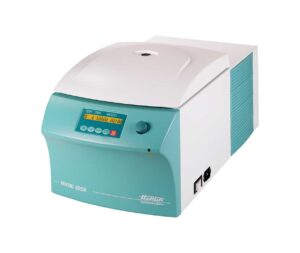
Microcentrifuges for Molecular Biology, Clinical Labs, and Everyday Spin-Downs
Microcentrifuges are essential benchtop workhorses for fast, reliable separations in microtubes and PCR formats. From quick spin-downs and reagent collection to pellet formation and sample clarification, a quality
high-speed microcentrifuge streamlines daily workflows across research, clinical, and biotech labs. Common applications include
DNA/RNA extraction, plasmid prep, PCR cleanup, spin-column protocols, protein prep, and micro-volume sample processing where speed, repeatability, and compact footprint matter.
Modern
benchtop microcentrifuges often combine high g-force performance with user-friendly controls and flexible rotor options that support multiple tube types (for example, 1.5/2.0 mL microtubes, 0.2 mL PCR tubes/strips, and adapters for specialty tubes). If your lab runs temperature-sensitive protocols or wants maximum sample protection, a
refrigerated microcentrifuge can help maintain sample integrity during longer or higher-energy runs. For broader options, you can explore our full
centrifuge selection or pair your setup with complementary
laboratory mixers for end-to-end sample prep.
Selecting the right microcentrifuge comes down to matching performance to your protocols: target
RCF (x g), run profiles, capacity, noise/heat output, and safety features that reduce risk (lid interlocks, imbalance detection, and sealed rotor options when aerosol control is important). The result is faster turnaround, fewer re-runs, and more consistent processing—especially in high-throughput environments where microcentrifuges run continuously throughout the day.
Key Selection Factors for Microcentrifuges
- Maximum RCF (x g) vs. RPM: Choose based on protocol requirements (spin columns, pellet firmness, viscosity) and ensure your target g-force is achievable with your tube/rotor setup.
- Rotor & tube compatibility: Confirm support for 1.5/2.0 mL tubes, 0.2 mL PCR tubes/strips, and any adapters needed for cryovials or larger microtubes.
- Temperature control options: Decide between standard airflow cooling and refrigerated microcentrifuges for temperature-sensitive samples, enzymes, and longer runs.
- Programming & repeatability: Look for saved programs, acceleration/deceleration control, and clear time/speed display to standardize methods across users.
- Footprint, noise, and heat management: Compact dimensions, stable operation, and low heat output are critical for crowded benches and shared lab spaces.
- Safety & sample protection: Prioritize lid locking, imbalance detection, overspeed protection, and sealed rotor options when aerosol containment is a concern.
Frequently Asked Questions About Microcentrifuges
Should I shop by RPM or by RCF (x g)?
For centrifuge selection, RCF (relative centrifugal force) is the more meaningful spec because it reflects the actual force applied to your samples. RPM alone can be misleading since RCF changes with rotor radius. If your protocols specify “x g” (common for spin columns and pellet formation), prioritize a microcentrifuge that can achieve that RCF with the rotor you will actually use. A unit that provides RPM/RCF conversion or displays RCF directly makes it easier to standardize runs and reduce protocol variability between labs and users.
What tube sizes should a microcentrifuge support for a typical molecular biology lab?
Most molecular biology workflows rely on 1.5 mL and 2.0 mL microtubes, plus 0.2 mL PCR tubes and PCR strips. If you routinely process multiple formats, consider a setup that supports both microtubes and PCR strips without constant rotor changes. Also check whether you need adapters for cryovials, specialty microtubes, or larger-volume tubes (such as 5 mL). Planning for tube compatibility up front prevents bottlenecks and avoids purchasing additional rotors later.
When is a refrigerated microcentrifuge worth it?
A refrigerated microcentrifuge is valuable when you run longer protocols, higher-energy spins, or handle temperature-sensitive samples (enzymes, some protein preps, RNA workflows, or samples that degrade with heat). Refrigeration helps stabilize sample temperature during repeated runs and can reduce variability caused by heat buildup—especially in busy labs where the centrifuge is used continuously. If your work is primarily quick spin-downs and short runs, standard models with good airflow cooling may be sufficient.
Do I need a sealed or aerosol-tight rotor?
If your workflows involve potentially infectious materials, volatile solvents, or any application where aerosol generation is a concern, a sealed rotor or sealed lid can add an extra layer of protection. Even in non-clinical settings, sealed rotor options can be beneficial for reducing cross-contamination risk and improving sample integrity. Align this decision with your internal biosafety procedures and the types of samples you routinely process.
How do I prevent imbalance issues and protect the centrifuge?
Always balance tubes by mass (not just volume), place them symmetrically, and use matched tube types when possible. For small-volume tubes, differences in cap type or tube brand can affect weight enough to matter at high speed. If you frequently spin odd numbers of tubes, keep a set of balance tubes and a small scale nearby. A microcentrifuge with imbalance detection and controlled acceleration/deceleration can further reduce stress on the motor and improve long-term reliability.
What maintenance and cleaning practices matter most for microcentrifuges?
Routine care is straightforward but important: wipe down the chamber, inspect the rotor and lid for wear, keep the gasket surfaces clean (if applicable), and promptly clean spills—especially salts, phenol-based reagents, or corrosive buffers. Periodically check rotor seating and look for signs of cracking or damage. Following a simple preventative schedule reduces downtime, improves consistency, and extends rotor life, which is often the most critical wear component in daily centrifuge use.