
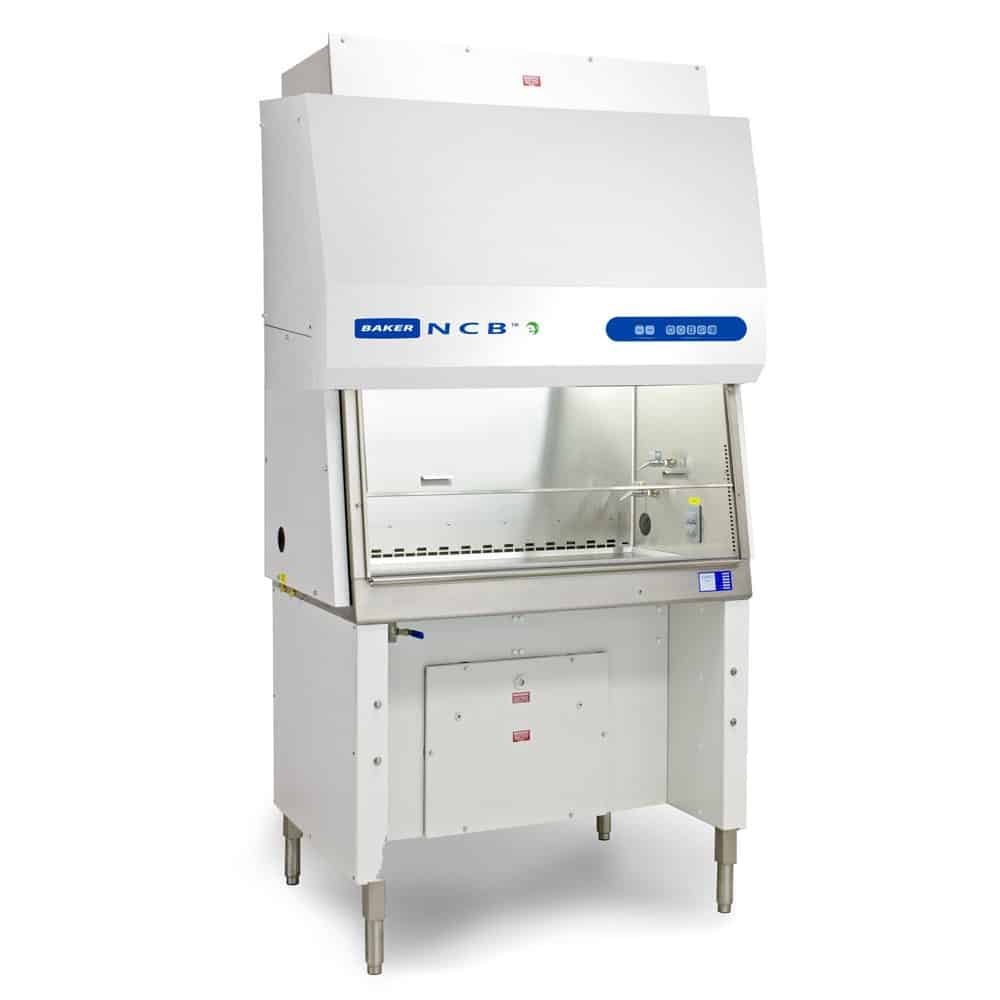
Class II, Type B1 Biological Safety Cabinets: Intermediate Exhaust Containment for Microbiology & Sterile Workflows
Class II, Type B1 biological safety cabinets (BSCs) provide a hybrid airflow design that offers personnel, product and environmental protection while handling moderate-risk microbiological work and limited chemical usage. Unlike full recirculating systems or full-exhaust systems, Type B1 cabinets recirculate approximately 30% of airflow and exhaust about 70% through dedicated ducting, offering enhanced chemical/solvent handling compared to Type A units. :contentReference[oaicite:0]{index=0}
At ARES Scientific, our Type B1 BSC models feature HEPA-filtered downflow, sealed negative-pressure plenums, hard-duct or canopy exhaust connections, digital airflow monitoring and ergonomic designs tailored for cell culture, diagnostic and pharmaceutical labs requiring higher containment flexibility. These cabinets are ideal when you need compatibility with chemical adjuncts, gas usage or volatile micro-biological protocols, yet still require product protection with downward HEPA-filtered laminar flow. :contentReference[oaicite:1]{index=1}
Choosing the right Type B1 cabinet means evaluating exhaust duct infrastructure, chemical compatibility, internal workspace size, serviceability and documentation support. ARES Scientific helps you assess whether your space requires dedicated exhaust fans, how the airflow split affects consumables, and ensures you meet certification of standards such as NSF/ANSI 49 or EN 12469 for microbiological safety. :contentReference[oaicite:4]{index=4}
Key Selection Factors for Class II, Type B1 Biological Safety Cabinets
- Exhaust configuration & ducting: Ensure the cabinet is connected to a dedicated HVAC exhaust system or canopy, as required for Type B configurations. :contentReference[oaicite:5]{index=5}
- Airflow split & performance: Confirm the approximately 30% recirculated and 70% exhausted airflow ratio, and verify inflow/exhaust velocities meet specification. :contentReference[oaicite:6]{index=6}
- Chemical or solvent compatibility: While not full chemical hoods, Type B1 cabinets support low-volatility chemical adjuncts when installed properly and certified. :contentReference[oaicite:7]{index=7}
- Interior workspace & ergonomics: Consider sash height, bench depth, gas/vacuum ports, and serviceability of HEPA/ULPA filters for efficient workflow.
- Certification & audit readiness: Verify that the cabinet meets NSF/ANSI 49 or EN 12469 standards, includes validation documentation, and supports periodic recertification schedules.
- Energy & maintenance footprint: Assess blower efficiency, standby modes, filter accessibility and total cost of ownership for regulated labs.
Frequently Asked Questions About Class II, Type B1 Biological Safety Cabinets
What is unique about a Type B1 cabinet compared to other Class II types?
Type B1 cabinets differ in that they require hard-ducted or canopy exhaust and have a portion of air recirculated (~30%) and the larger part (~70%) exhausted outside the building. This makes them suited for some chemical or radionuclide use, unlike Type A units. :contentReference[oaicite:8]{index=8}
Can I run volatile chemicals inside a Type B1 cabinet?
Only if the cabinet is rated for chemical use, paired with proper exhaust fan, building HVAC connection, and you follow manufacturer guidelines. For heavy chemical use, Type B2 (100% exhaust) is typically required. :contentReference[oaicite:9]{index=9}
How often does a Type B1 cabinet need recertification?
Most institutions require certification upon installation or relocation, and annually thereafter. Tests include inflow/outflow velocity, filter integrity, sash performance and alarm functionality. :contentReference[oaicite:10]{index=10}
What workspace size should I select for a Type B1 cabinet?
Consider your equipment size, number of users, sash height and bench layout. Typical widths range from 3 ft (0.9 m) up to 6 ft (1.8 m) or more depending on throughput. Ensure you verify bench height, utilities and clearance for service access.
What is the impact of a failed exhaust blower in a Type B1 cabinet?
If the exhaust blower fails, the cabinet may recirculate contaminated air back into the workspace or room. Many systems include alarms or interlocks to prevent unsafe operation if exhaust airflow is inadequate. :contentReference[oaicite:11]{index=11}
Baker NCB™ e3 – Class II Type B1 Biological Safety Cabinets
Quote• All exhaust air is removed directly from the work area and pulled through a dedicated exhaust duct into the facility’s separate exhaust system.
• Vapors and gases emitted from vessels or work behind the air split -approximately half way back ...