Class II Biological Safety Cabinets: Complete Personnel, Product & Environmental Protection
Class II biological safety cabinets represent the most widely adopted containment solution in modern laboratory environments, delivering simultaneous protection for personnel, research materials, and the surrounding environment through HEPA-filtered airflow systems. These NSF/ANSI 49-certified workstations combine inward protective airflow at the work opening with laminar HEPA-filtered downflow across the work surface, creating ISO Class 5 sterile environments while containing biological aerosols and protecting operators from exposure. Research institutions, clinical diagnostic laboratories, hospital pharmacies, and pharmaceutical manufacturing facilities worldwide depend on Class II cabinets for critical microbiology workflows, cell culture protocols, sterile compounding operations, and diagnostic specimen processing.
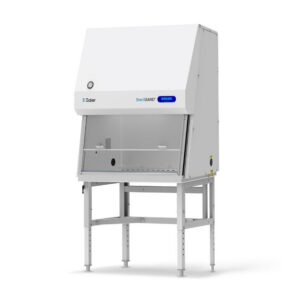
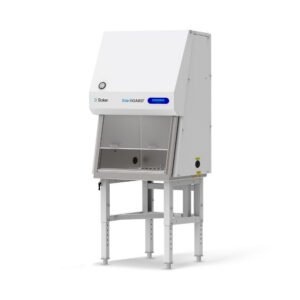
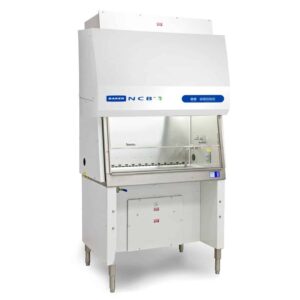
At ARES Scientific, our comprehensive portfolio of Class II biological safety cabinets spans all major subtypes—Type A2, B1, and B2—each engineered for specific application requirements ranging from routine microbiology and cell culture to hazardous drug compounding and volatile chemical containment. As an authorized distributor for The Baker Company, we offer industry-leading biosafety cabinets including the energy-efficient Baker SterilGARD e3 Class II Type A2 and the hard-ducted Baker NCB e3 Class II Type B1, backed by full manufacturer warranty and expert technical support. Whether your laboratory requires energy-efficient recirculating units for standard biosafety work or hard-ducted total-exhaust systems for pharmaceutical applications, our technical specialists help you navigate the selection process, matching cabinet specifications to protocol requirements, facility infrastructure capabilities, and regulatory compliance needs.
Understanding the Class II Biosafety Cabinet Classification System
The Class II designation identifies biological safety cabinets providing triple-barrier protection through engineered airflow patterns verified to meet rigorous performance standards. Unlike Class I cabinets that protect only personnel and environment without product sterility, or Class III totally enclosed gloveboxes reserved for maximum containment BSL-4 work, Class II cabinets balance comprehensive protection with operational accessibility. Room air drawn into the cabinet at controlled velocity creates an inward airflow curtain preventing contaminant escape, while HEPA-filtered air descending as laminar flow across the work zone protects samples from external contamination. Exhaust air passes through additional HEPA filtration before either recirculating to the room or venting to building exhaust systems, ensuring environmental protection regardless of exhaust configuration.
Within the Class II category, cabinet types differ primarily in exhaust configuration and chemical compatibility rather than basic containment performance. NSF/ANSI Standard 49 defines specific airflow patterns, filter placements, and exhaust requirements distinguishing Type A2, B1, and B2 variants. Approximately 90% of all biosafety cabinets installed worldwide are Type A2 units, reflecting their optimal balance of protection, energy efficiency, and installation flexibility for standard microbiological and cell culture applications. Type B cabinets address specialized needs involving chemical vapors, radionuclides, or protocols mandating zero air recirculation, though their hard-ducted exhaust requirements increase installation complexity and operating costs substantially compared to recirculating alternatives.
The Evolution of Class II Cabinet Standards and Nomenclature
The biosafety cabinet classification system has evolved significantly since commercial units first appeared in 1950, with nomenclature changes reflecting improved understanding of containment requirements and airflow dynamics. NSF/ANSI Standard 49 revisions in 2002 reclassified former Type A/B3 cabinets as Type A2, recognizing that these units could operate with either recirculating or canopy-ducted exhaust depending on application needs. The 2016 standard addition of Type C1 cabinets introduced innovative directional airflow designs offering chemical handling flexibility previously unavailable in traditional Type A or B configurations. Contemporary Class II cabinets incorporate decades of refinement in blower design, filter technology, airflow monitoring systems, and construction materials, delivering unprecedented levels of containment performance and operational reliability.
Modern manufacturing and certification processes ensure each cabinet meets stringent performance specifications verified through comprehensive testing protocols. NSF/ANSI 49 certification requires verification of minimum inflow velocities (75-100 feet per minute depending on type), uniform laminar downflow across the work surface (typically 50-65 fpm), HEPA filter integrity testing using aerosol challenge methods, containment verification through smoke pattern visualization or microbiological testing, and electrical safety compliance. Annual field certification by qualified technicians maintains performance throughout the cabinet service life, with facilities operating under pharmaceutical compounding standards requiring semi-annual certification to ensure continuous compliance with USP and requirements.
Class II Type A2 Biological Safety Cabinets: Versatile Recirculating Protection
Type A2 biosafety cabinets provide the foundation of biological containment in research and clinical laboratories worldwide, combining comprehensive triple protection with energy-efficient recirculating airflow design. These units draw room air through the front work opening at minimum 100 feet per minute velocity, mix it with recirculated cabinet air, and pass the combined stream through supply HEPA filters creating laminar downflow protecting work materials. Approximately 70% of filtered air recirculates back through the supply filter while 30% exhausts through a dedicated exhaust HEPA filter, either returning to the room via canopy connection or venting to building systems when minute chemical quantities require vapor removal.
The recirculating design philosophy of A2 cabinets delivers substantial operational advantages for laboratories performing routine microbiology, cell culture, diagnostic testing, and other applications not involving significant chemical vapor generation. The Baker SterilGARD e3 exemplifies this approach with its proprietary StediFLOW technology that automatically compensates for HEPA filter loading, reducing annual operating costs by up to 70% compared to conventional A2 units while maintaining consistent containment performance throughout the filter lifecycle. Facilities exhaust only 30% of cabinet airflow rather than 100%, dramatically reducing make-up air requirements and associated HVAC energy consumption compared to total-exhaust alternatives. Installation flexibility represents another key benefit—A2 units can operate with simple canopy connections avoiding costly ductwork modifications, or adapt to hard-ducted exhaust when protocols evolve to include minute quantities of volatile materials permitted under NSF/ANSI 49 guidelines.
Ideal Applications for Type A2 Cabinets
Type A2 biological safety cabinets excel in applications requiring sterile technique combined with biological containment across biosafety levels 1, 2, and 3. Cell culture laboratories utilize A2 units for routine passage of mammalian, insect, and plant cell lines, media preparation, aseptic reagent transfers, and manipulation of genetically modified organisms under appropriate containment. The ISO Class 5 work zone created by laminar HEPA-filtered downflow prevents contamination that could compromise weeks of experimental work, while the protective inflow shields operators from exposure to cultured biological agents. Integration with CO2 incubators, laboratory centrifuges, and other cell culture infrastructure creates complete workflow solutions supporting high-throughput research operations.
Clinical microbiology laboratories depend on A2 cabinets for safe handling of diagnostic specimens potentially containing pathogenic bacteria, viruses, and fungi. Specimen plating, culture inoculation, antimicrobial susceptibility testing, and subculture procedures all occur within the protective environment preventing technologist exposure to infectious aerosols generated during these manipulations. Research institutions conducting work with recombinant DNA, viral vectors, or select agents under biocontainment protocols rely on properly certified A2 cabinets as primary barriers preventing release of genetically modified organisms to the environment. When combined with appropriate facility design, operational procedures, and personnel training, A2 cabinets enable safe advancement of biological research across diverse scientific disciplines.
Class II Type B1 Biological Safety Cabinets: Intermediate Chemical Compatibility
Type B1 biosafety cabinets occupy an intermediate position between recirculating A2 units and total-exhaust B2 systems, exhausting approximately 70% of cabinet air through hard-ducted connections while recirculating 30% through supply HEPA filters. The Baker NCB e3 Class II Type B1 represents this category, creating zones within the work area with different chemical handling capabilities—air passing over the rear portion of the work surface exhausts directly without recirculation, allowing safe use of minute quantities of volatile chemicals or radionuclides when work occurs in this dedicated exhaust zone. Air flowing over the front work area recirculates through supply filters, maintaining the product protection and energy efficiency benefits of recirculating designs for biological work not involving chemical vapors.
The zoned airflow approach of B1 cabinets addresses specific workflow scenarios where occasional chemical use accompanies primarily biological procedures. Research protocols involving radioactive isotope labeling of biological molecules, chemical fixation of tissue specimens, or small-volume organic solvent extractions from biological samples may benefit from B1 configurations providing dedicated exhaust zones for these chemical manipulations. However, the invisible airflow boundaries dividing recirculating and exhausted zones create potential safety concerns—operators must understand precisely where the "smoke split" occurs and consistently position chemical work in the appropriate cabinet region. Training requirements for safe B1 operation typically exceed those for A2 or B2 units where airflow patterns uniformly affect the entire work zone.
B1 Cabinet Selection Considerations
Laboratories considering B1 biosafety cabinets should carefully evaluate whether the specialized zoned airflow truly matches operational needs, or if simpler alternatives might provide equivalent protection with reduced complexity. For applications involving only occasional minute chemical quantities, properly exhausted A2 cabinets with canopy or hard-duct connections may deliver adequate vapor removal without the training complications and usage restrictions inherent in B1 designs. Conversely, protocols requiring frequent or substantial chemical use often justify the additional expense of B2 total-exhaust systems eliminating recirculation entirely rather than accepting the operational constraints and potential confusion around B1 exhaust zones. Modern Type C1 cabinets offering switchable recirculation/exhaust modes may provide superior flexibility for laboratories with variable workflows spanning both biological and chemical applications.
Class II Type B2 Biological Safety Cabinets: Total Exhaust for Maximum Containment
Type B2 biosafety cabinets provide the highest level of chemical vapor containment available in Class II designs through 100% total-exhaust airflow eliminating all recirculation. Fresh HEPA-filtered air supplies the entire downflow volume, passes across the work surface once, and exhausts through dedicated hard-ducted connections to building HVAC systems after passing through exhaust HEPA filtration. This single-pass airflow pattern ensures that chemical vapors, volatile toxic compounds, or radionuclide off-gassing cannot return to the work zone or laboratory environment through recirculated air pathways, making B2 cabinets essential for pharmaceutical hazardous drug compounding, toxicology research with volatile chemicals, and radioisotope work requiring complete vapor removal.
Hospital pharmacy compounding operations preparing antineoplastic agents and other hazardous drugs under USP regulations frequently specify B2 total-exhaust cabinets to maximize operator protection from vaporized pharmaceuticals during reconstitution and transfer procedures. For hazardous drug compounding applications, Baker offers specialized containment solutions including the ChemoSHIELD compounding aseptic containment isolator designed specifically for USP-compliant sterile hazardous drug preparation. Research laboratories conducting toxicology studies with volatile organic compounds, chemical synthesis generating gaseous byproducts, or work with significant quantities of formaldehyde, radiolabeled compounds, or other materials unsuitable for recirculation depend on B2 total-exhaust design preventing unintended exposure through cabinet airflow.
B2 Infrastructure and Operating Cost Implications
Type B2 total-exhaust cabinets impose substantial facility infrastructure requirements that laboratories must address during installation planning. Dedicated external exhaust blowers maintaining 800-1,500 CFM exhaust volumes require roof mounting or mechanical space installation with appropriately sized ductwork connecting cabinet exhaust ports to blower inlets. Make-up air systems must supply equivalent volumes of conditioned replacement air preventing excessive laboratory negative pressure that would disrupt cabinet airflow patterns. Annual HVAC operating costs for B2 units typically range $3,000-$8,000 per cabinet in heating/cooling climates, reflecting the energy consumed conditioning large volumes of outdoor air replacing exhausted cabinet air. Total lifecycle costs including purchase price, installation, and 20-year operating expenses can be substantial, making careful evaluation of application requirements essential before committing to B2 configurations.
Comparing Class II Cabinet Types: Selection Decision Framework
Selecting the optimal Class II biosafety cabinet type requires systematic evaluation of multiple factors including specific biological agents handled, chemical usage patterns, facility infrastructure capabilities, regulatory requirements, and budget constraints. Begin by documenting all materials processed within the cabinet—biological agents by biosafety level classification, chemicals by volatility and toxicity, radionuclides by type and quantity, and any other materials generating aerosols or vapors during manipulation. Protocols involving only biological agents without chemical components clearly indicate Type A2 selection for optimal energy efficiency and installation simplicity. Introduction of minute chemical quantities may justify canopy-exhausted A2 or consideration of B1 units, while significant volatile chemical use or hazardous drug compounding mandates B2 total-exhaust configurations.
Infrastructure assessment determines feasibility of various cabinet types within existing facility constraints. A2 units require minimal infrastructure—adequate electrical service, proper spatial relationships to other equipment, and optional canopy connections if chemical use occurs. B1 and B2 cabinets demand dedicated hard-ducted exhaust systems with external blowers, extensive ductwork potentially requiring structural modifications, and substantial make-up air capacity that may exceed existing HVAC system capabilities. Facilities lacking appropriate infrastructure for B-type cabinets may find compounding aseptic containment isolators offering equivalent or superior hazardous drug protection through barrier isolation rather than airflow-based containment, potentially at lower infrastructure investment than hard-ducted exhaust systems would require.
Regulatory Compliance and Certification Requirements
Regulatory standards significantly influence cabinet type selection for certain applications. Hospital pharmacies compounding sterile preparations must comply with USP sterile compounding requirements and USP hazardous drug handling standards, both of which specify appropriate primary engineering controls for different drug categories and compounding scenarios. Research institutions receiving federal funding may face requirements from funding agencies or institutional biosafety committees regarding containment equipment for specific biological agents or procedures. cGMP pharmaceutical manufacturing operations work under FDA regulations specifying appropriate environmental controls and equipment validation for drug production processes. Understanding applicable regulatory frameworks before cabinet selection prevents costly modifications or replacements when compliance audits reveal equipment inadequacies.
Annual certification requirements apply to all Class II biosafety cabinets regardless of type, with qualified technicians performing comprehensive performance verification including airflow velocity measurements, HEPA filter integrity testing, containment verification, and alarm function checks. Facilities operating under pharmaceutical compounding standards typically require semi-annual certification providing additional assurance of continuous performance compliance. Certification costs represent ongoing operational expenses factoring into total cost of ownership calculations. Laboratories should budget for certification services and establish relationships with qualified service providers before cabinet installation, ensuring that scheduled maintenance doesn't disrupt critical workflows when annual certification dates approach.
Essential Features and Specifications Across Class II Cabinet Types
While airflow patterns and exhaust configurations differentiate Class II cabinet types, numerous features common across the category significantly impact usability, safety, and long-term performance. Work zone dimensions establish capacity for equipment, samples, and ergonomic operator positioning—standard widths range from 3 feet (0.9m) to 6 feet (1.8m) or larger, with depth and height proportioned to maintain proper airflow patterns. Sash design affects accessibility and safety, with vertical-rising counterbalanced sashes providing infinite positioning for optimal ergonomics versus two-position sashes limiting operational flexibility. Motorized sash systems with programmable memory positions enable consistent height settings across multiple operators while integrating with alarm systems to prevent operation outside certified parameters.
Interior construction materials directly impact cleanability, chemical resistance, and service life. Type 304 stainless steel work surfaces and interior panels resist corrosion from routine disinfection while providing smooth, seamless surfaces that facilitate decontamination procedures. Premium units such as the Baker SterilGARD e3 incorporate one-piece stainless steel work trays with radiused coved corners eliminating seams and crevices where contaminants can accumulate, delivering ultra-smooth surfaces that support rapid decontamination between procedures. Work surface design should include integrated drainage systems or removable trays capturing spills before they reach blower chambers or filter housings. Accessibility for filter replacement and service affects total cost of ownership—front-accessible HEPA filter housings simplify maintenance and reduce service costs compared to designs requiring cabinet disassembly or rear-panel removal for filter access.
Airflow Monitoring and Control Technologies
Advanced airflow monitoring systems have evolved from simple magnetic gauges to sophisticated microprocessor-based controllers providing continuous real-time performance verification. Digital displays present inflow velocity, downflow velocity, and exhaust airflow readings to operators, enabling immediate detection of performance deviations before they compromise containment or sterility. Automatic airflow compensation systems—such as Baker's proprietary StediFLOW variable frequency drive technology featured in the Baker biosafety cabinet lineup—adjust fan speeds to maintain optimal velocities as HEPA filters load with particulates over their service life, eliminating manual damper adjustments that introduced variability and complicated validation documentation. Comprehensive alarm packages provide both visual and audible notification for unsafe sash positions, inadequate inflow or downflow velocities, filter saturation, blower malfunctions, and other fault conditions requiring immediate corrective action.
Premium monitoring systems interface with facility building management systems enabling remote performance oversight, automated data logging supporting regulatory compliance documentation, and integration with laboratory environmental monitoring programs tracking equipment performance across entire research campuses. Connectivity enables predictive maintenance programs identifying declining performance trends before certification failures occur, reducing emergency service calls and unplanned downtime disrupting research schedules. When evaluating cabinet options, consider monitoring capabilities alongside basic containment performance—the most sophisticated airflow system provides minimal value if operators cannot easily verify proper operation or maintenance personnel lack diagnostic information needed for efficient troubleshooting when problems develop.
Proper Use and Maintenance Practices for Long-Term Performance
Even the most advanced Class II biosafety cabinet cannot provide adequate protection when operated improperly or maintained inadequately. Operator training represents the first line of defense against containment failures—personnel must understand proper work techniques including minimizing rapid arm movements disrupting airflow curtains, avoiding placement of equipment blocking front or rear grilles, maintaining clear zones behind the sash opening where protective inflow draws contaminated air away from the operator, and recognizing alarm indications requiring immediate work cessation. Annual refresher training reinforces proper techniques and introduces new personnel to biosafety cabinet operations following institutional biosafety program requirements and manufacturer recommendations.
Daily operational checks verify cabinet readiness before beginning work. Operators should confirm airflow indicators display within normal ranges, test alarm function by momentarily raising the sash above certified operating height, inspect work surfaces for damage or contamination from previous use, and verify that UV germicidal lamps if equipped operated for appropriate durations without leaving photosensitive materials inside the cabinet overnight. Surface disinfection using appropriate chemical agents removes residual contamination from previous procedures while avoiding harsh chemicals that could damage cabinet materials or generate vapors affecting subsequent work. Proper disinfection technique includes adequate contact time for germicidal effectiveness, thorough coverage of all potentially contaminated surfaces, and removal of disinfectant residues before beginning sterile procedures.
Scheduled Maintenance and Filter Replacement
Between annual certifications, implement quarterly preventive maintenance inspections by qualified service personnel examining blower operation, verifying alarm responses, checking airflow indicators against certified values, and identifying developing issues before they progress to failures. Monthly cleaning protocols should address areas outside daily disinfection routines including UV lamp cleaning, drain trough inspection and cleaning, and examination of front grille perforations for blockage from accumulated particulates. Supply and exhaust HEPA filters typically require replacement every 3-7 years depending on laboratory air quality and usage intensity, with filter saturation indicated by declining airflow velocities and increasing pressure differentials across filter housings.
Before any filter replacement or major service procedure, perform formaldehyde or vaporized hydrogen peroxide decontamination protecting service personnel from residual biological contamination within cabinet internals. Some facilities require decontamination before cabinet relocation or disposal regardless of anticipated service procedures. Budget for decontamination services, filter replacement materials, specialized labor for proper filter installation and post-replacement leak testing, and re-certification following major service ensuring the cabinet meets all performance specifications after maintenance activities. Establish preventive maintenance schedules and service agreements before problems develop, avoiding emergency repairs during critical research periods when cabinet downtime disrupts experimental timelines and potentially compromises valuable samples.
Complementary Equipment and Complete Laboratory Solutions
Class II biosafety cabinets function as central components within integrated laboratory systems incorporating multiple equipment types supporting complete workflows. Autoclaves and sterilizers provide essential decontamination of waste materials, culture media preparation, and instrument sterilization complementing cabinet-based aseptic technique. Laboratory incubators maintain appropriate temperature and atmospheric conditions for cell culture growth, microbial propagation, and tissue engineering applications initiated within biosafety cabinet sterile environments. Laboratory refrigerators and freezers preserve reagents, media, and biological samples prepared or processed within containment workstations.
Specialized applications may require additional containment or processing equipment integrated with Class II biosafety cabinets. Clean benches provide positive-pressure HEPA-filtered work zones for powder compounding or non-hazardous material handling not requiring biological containment. Decontamination systems including formaldehyde generators or vaporized hydrogen peroxide units enable cabinet and room decontamination supporting service activities and contamination incident response. Personal protective equipment including laboratory coats, gloves, and respiratory protection provides additional safety layers complementing engineering controls when handling particularly hazardous materials or during elevated-risk procedures.
Why Choose ARES Scientific for Your Class II Biosafety Cabinet Needs
ARES Scientific partners with industry-leading biosafety cabinet manufacturers including The Baker Company, delivering Class II units across all types—A2, B1, and B2—engineered for maximum containment performance, certified to rigorous international standards, and designed for decades of reliable operation in demanding laboratory environments. Our technical specialists bring extensive experience helping research institutions, clinical laboratories, hospital pharmacies, and pharmaceutical manufacturers navigate complex cabinet selection decisions, matching equipment specifications to specific application requirements, facility infrastructure constraints, and regulatory compliance mandates. We provide comprehensive project support from initial needs assessment through installation coordination, operator training, certification verification, and ongoing maintenance resources ensuring your containment equipment delivers continuous protection throughout its service life.
Our biosafety cabinet portfolio includes units in multiple sizes, feature configurations, and price points enabling precise specification of capabilities matching your operational needs without unnecessary expenses for unused features. From the Baker SterilGARD e3 Type A2 with its energy-saving StediFLOW technology and industry-leading six-year warranty for routine microbiology and cell culture work, to the Baker SterilSHIELD for pharmacy compounding applications, we help you balance performance requirements against budget realities while ensuring regulatory compliance and operator safety. Complete laboratory solutions incorporating complementary equipment—sterilizers, incubators, refrigeration, decontamination systems, and facility infrastructure—provide integrated workflows from a single trusted source backed by comprehensive technical support and service resources.
Contact ARES Scientific today to discuss your Class II biosafety cabinet requirements and laboratory containment needs. Our containment specialists will evaluate your biological agents, chemical usage patterns, regulatory requirements, and facility capabilities, recommending optimal cabinet type and configuration for your unique applications. Request a quote by calling (720) 283-0177 or email info@aresscientific.com to connect with your local territory representative for personalized consultation and detailed technical guidance on Class II biosafety cabinet selection, installation planning, and lifecycle support.