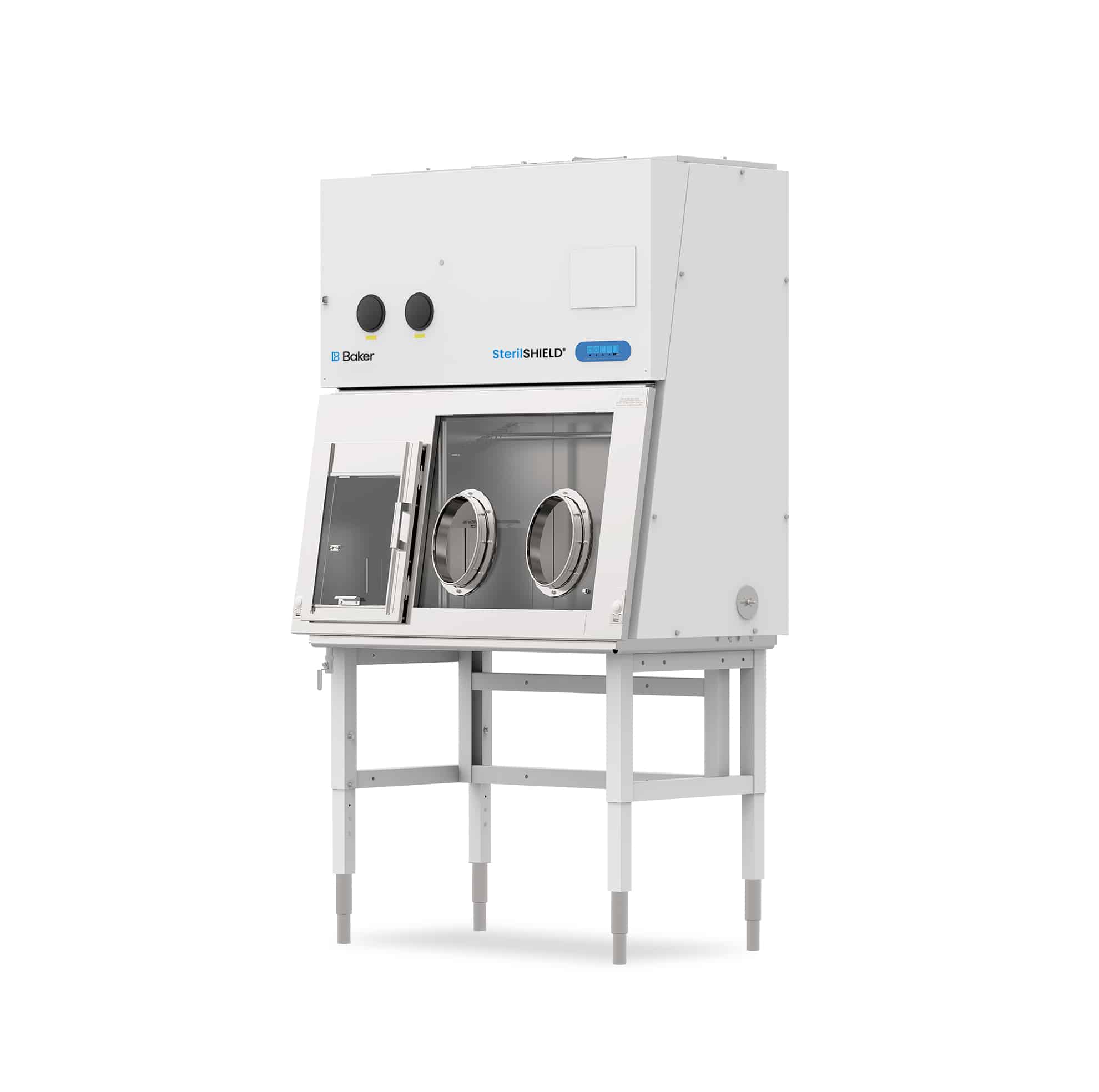
Positive-Pressure Isolators for Sterile Non-Hazardous Compounding
Positive-pressure isolators are designed to protect sensitive sterile products by maintaining a higher pressure inside the work zone than in the surrounding room. Clean, HEPA-filtered air is pushed outward through any potential leaks, preventing unfiltered room air from entering the critical area. These systems are ideal for aseptic preparation of non-hazardous drugs, sterile solutions, and other products where product protection is the primary concern.
Typical applications include compounding of non-hazardous sterile preparations, ophthalmic solutions, parenteral nutrition, and small-batch manufacturing where repeatable, ISO-classified conditions are required. Positive-pressure isolators often provide ISO Class 5 (or better) air quality in the main chamber, with integrated transfer chambers, glove ports, and smooth stainless-steel interiors that simplify cleaning and disinfection workflows.
Selecting the right positive-pressure isolator involves understanding your sterility assurance level, throughput, cleaning and disinfection protocols, and how the unit will integrate into your existing cleanroom or pharmacy layout. ARES Scientific helps you evaluate pressure control, airflow design, transfer processes, monitoring systems, and service access so your team can maintain robust aseptic technique with minimal downtime.
Key Selection Factors for Positive-Pressure Isolators
- Air Cleanliness and Classification: Confirm the isolator provides ISO Class 5 or better conditions in the work chamber, with validated HEPA or ULPA filtration and documented airflow patterns.
- Pressure Control and Monitoring: Look for precise positive-pressure control with clear visual or digital indicators, alarms for pressure deviation, and data logging where required by your quality system.
- Transfer Chamber Design: Evaluate pass-through size, cycle times, and decontamination options to ensure efficient transfer of materials without compromising sterility.
- Cleaning and Disinfection: Choose interior materials, seals, and hardware that tolerate your approved cleaning agents and support routine wipe-downs or vaporized disinfection processes.
- Ergonomics and Workflow: Consider glove-port layout, viewing windows, lighting, and work-surface height so operators can work comfortably during long aseptic procedures.
- Integration and Validation Support: Verify that utility connections, exhaust requirements, and documentation (IQ/OQ, test reports, manuals) align with your facility, validation, and audit expectations.
Frequently Asked Questions About Positive-Pressure Isolators
When should I use a positive-pressure isolator instead of a negative-pressure design?
Positive-pressure isolators are used when product sterility is the main concern and materials handled are not classified as hazardous to personnel. They are common for non-hazardous sterile compounding, aseptic filling, and small-batch manufacturing, where clean air must be kept inside and room air kept out.
What type of products are appropriate for a positive-pressure isolator?
These systems are suitable for non-hazardous sterile preparations such as ophthalmic solutions, parenteral nutrition, dilutions of non-hazardous injectables, and other aseptic manipulations where there is no requirement for containment of hazardous vapors or powders.
Can a positive-pressure isolator be used for hazardous drug compounding?
No. Hazardous drugs require containment to protect personnel and the environment. Those workflows typically call for a negative-pressure containment isolator or other system designed specifically for hazardous drug handling and compliance with standards such as USP .
What kind of maintenance and certification do these isolators require?
Positive-pressure isolators should be commissioned and certified at installation, after major service or relocation, and on a regular schedule defined by your quality program. Common checks include filter integrity testing, pressure control verification, leak checks, and confirmation of airflow and cleanliness classification.
How do positive-pressure isolators integrate into an existing cleanroom or pharmacy?
Integration involves confirming room classification, pressure cascades, and utility connections such as power and any required exhaust. Placement should support logical material flow, safe transfer of supplies, and clear access for cleaning and service, while maintaining required room pressure relationships.