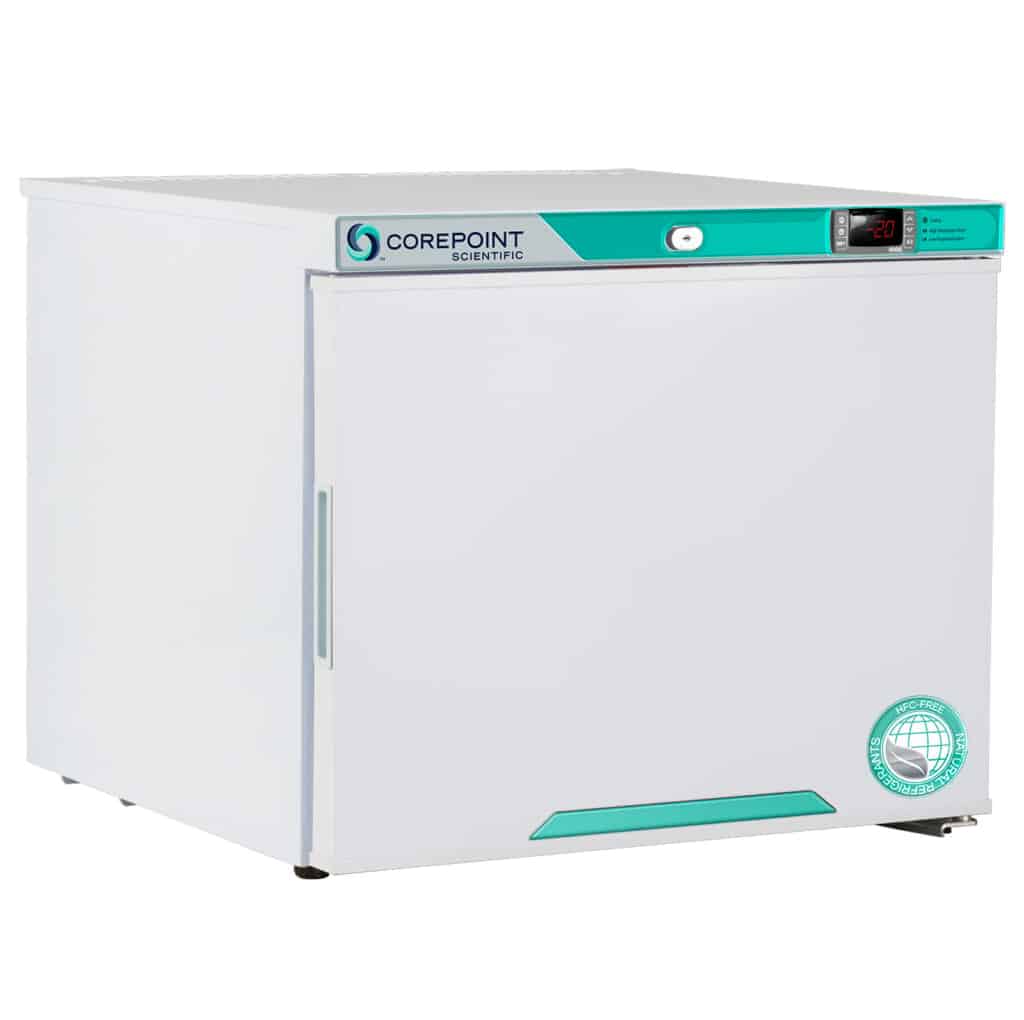
Countertop Laboratory Freezers: Compact Cold Storage for Point-of-Use Applications
Countertop laboratory freezers deliver professional-grade cold storage in remarkably compact packages, designed specifically for laboratories where bench space exceeds available floor area. These benchtop freezers sit conveniently on work surfaces, positioning frozen samples directly within reach of researchers and technicians. With capacities typically ranging from 0.8 to 5 cubic feet, countertop models provide essential cold storage without consuming precious laboratory real estate, making them ideal for small clinics, research labs, pharmacies, and point-of-care facilities.
Space-Saving Design for Modern Laboratories
The defining characteristic of countertop freezers is their ability to occupy existing work surfaces rather than requiring dedicated floor space. These compact units measure approximately 20-24 inches in width and height, fitting comfortably beneath overhead cabinets while maintaining adequate ventilation clearances. This vertical proportion allows laboratories to maximize their available workspace while ensuring critical samples remain immediately accessible.
Modern laboratory environments increasingly face space constraints as equipment density rises. Countertop laboratory freezers address this challenge by utilizing often-underutilized benchtop real estate. Positioning freezers at workstation height eliminates the need for researchers to walk across the lab to access samples, streamlining workflow and reducing time spent away from primary tasks. For facilities conducting point-of-use testing or procedures requiring frequent sample access, this proximity proves invaluable.
Freestanding Versus Built-In Configurations
Countertop freezers come in two primary installation types. Freestanding models require clearance on all sides for proper air circulation—typically 3-5 inches at the back and sides. These units can be repositioned as laboratory needs evolve, offering operational flexibility. Built-in or front-venting models exhaust heat through the front, enabling installation flush against walls or integration into cabinetry without compromising cooling performance.
Freestanding countertop freezers work well in laboratories where layout changes occur periodically or where equipment must be moved for cleaning and maintenance. The ability to relocate these lightweight units—many weigh under 100 pounds when empty—supports flexible laboratory design. Built-in models create seamless, professional appearances when integrated with laboratory casework, though they sacrifice some portability for aesthetic cohesion. Consider how your cold storage infrastructure might need to adapt over time when selecting installation styles.
Temperature Capabilities and Applications
Most countertop laboratory freezers maintain temperatures between -15°C and -30°C, appropriate for general laboratory storage including vaccines, enzymes, reagents, and biological samples. This temperature range suits the majority of routine cold storage applications encountered in clinical, pharmaceutical, and research settings. Advanced microprocessor controllers provide precise temperature management with digital displays showing real-time conditions.
Specialized countertop models extend temperature capabilities significantly. Ultra-low temperature benchtop freezers reach -40°C to -86°C, bringing ULT storage directly to individual workstations. These compact ULT units prove particularly valuable for researchers needing immediate access to DNA, RNA, viral samples, or other materials requiring deep-cold preservation. Rather than traversing to a centralized freezer room, scientists maintain critical samples at arm's length.
Clinical and Pharmaceutical Uses
Medical clinics and pharmacies utilize countertop freezers for vaccine storage, positioning temperature-sensitive immunizations near administration areas. The convenient access reduces handling time and maintains proper cold chain management. Many models meet CDC guidelines for vaccine storage and carry NSF/ANSI 456 certification, ensuring compliance with federal and state requirements.
Pharmaceutical operations employ benchtop freezers for storing stability study samples, reference standards, and investigational compounds requiring frozen conditions. The proximity to analytical instruments streamlines testing workflows, allowing chemists to retrieve samples, conduct analyses, and return materials to storage with minimal interruption. Research laboratories position countertop units near centrifuges, thermal cyclers, and other equipment requiring frozen reagents or samples.
Capacity Considerations for Compact Storage
Countertop freezers typically offer 1.3 to 5 cubic feet of internal volume—substantially smaller than full-size upright laboratory freezers but sufficient for many applications. A 2-cubic-foot model stores approximately 200-300 microcentrifuge tubes or 30-40 standard freezer boxes, providing adequate capacity for individual researchers or small teams.
Larger 4-5 cubic foot benchtop models approach the capacity of smaller undercounter units while maintaining the convenience of countertop placement. These units work well as primary cold storage in small clinics, satellite laboratories, or quality control departments with modest sample volumes. The compact exterior dimensions belie surprisingly functional interior volumes—efficient insulation and refrigeration system design maximize usable space within the cabinet.
Strategic Capacity Planning
When sizing countertop freezers, consider both current needs and anticipated growth. Operating at 70-80% capacity provides optimal performance—sufficient thermal mass for temperature stability without restricting airflow or complicating sample retrieval. For applications requiring additional capacity, multiple countertop units can be distributed across different workstations, creating decentralized storage supporting various research groups or clinical areas.
Some laboratories pair compact countertop models with larger undercounter freezers or upright units. This tiered approach positions frequently accessed materials in convenient benchtop freezers while relegating archived or bulk samples to higher-capacity units. Such strategic placement optimizes both accessibility and overall storage capacity within space-constrained facilities.
Advanced Temperature Control and Monitoring
Modern countertop laboratory freezers incorporate sophisticated control systems rivaling those in full-size units. Microprocessor-based controllers maintain temperature setpoints with precision typically within ±1°C. Digital displays show actual cabinet temperature continuously, providing immediate visibility into storage conditions. Adjustable setpoints allow users to optimize temperatures for specific sample requirements.
Comprehensive alarm packages protect valuable samples from temperature excursions. Visual and audible alerts notify staff when temperatures deviate beyond acceptable ranges, typically configurable based on specific storage requirements. High/low temperature alarms, power failure notifications, and door ajar warnings ensure multiple safeguards against sample compromise. Battery backup systems maintain alarm functions during power interruptions, guaranteeing continuous monitoring.
Data Logging and Compliance Features
Advanced models include integral data logging capabilities documenting temperature history over time. This documentation proves essential for regulatory compliance, quality assurance programs, and research integrity. USB ports enable convenient data download for analysis and archival, supporting environmental monitoring protocols required in regulated environments.
Some countertop freezers feature NIST-calibrated temperature displays providing traceable accuracy. This calibration supports equipment qualification protocols and regulatory inspections. Remote alarm contacts allow integration with building management systems or laboratory alert networks, ensuring appropriate personnel receive notifications regardless of proximity to the freezer. These features make compact models suitable even for critical sample storage requiring stringent documentation.
Energy Efficiency in Compact Designs
Countertop laboratory freezers generally consume less electricity than larger models due to their reduced internal volume. Smaller cabinets require less energy to achieve and maintain setpoint temperatures, potentially reducing operational costs. However, efficiency varies significantly based on insulation quality, compressor design, and refrigeration system optimization.
High-density polyurethane foam insulation minimizes thermal transfer between cabinet interior and ambient environment. Premium door seals prevent cold air leakage, maintaining temperatures with minimal compressor runtime. Many manufacturers utilize hydrocarbon (HC) refrigerants offering excellent cooling performance with reduced environmental impact compared to traditional refrigerants. ENERGY STAR certified models demonstrate superior efficiency, potentially reducing electricity consumption by 15-25% versus standard designs.
Minimizing Environmental Impact
Compact freezers' reduced refrigerant charges contribute to lower overall environmental footprints. The smaller refrigeration systems require less refrigerant volume while maintaining adequate cooling capacity for cabinet sizes. Combined with energy-efficient compressors and optimized insulation, modern countertop models provide environmentally responsible cold storage solutions without compromising sample protection.
Natural refrigerants like hydrocarbons eliminate concerns about high global warming potential associated with synthetic refrigerants. These environmentally friendly systems meet current EPA and ASHRAE guidelines while providing reliable temperature control. For laboratories pursuing sustainability goals, compact countertop freezers offer cold storage aligned with environmental stewardship principles alongside operational efficiency.
Manual Defrost for Temperature Stability
Most countertop laboratory freezers employ manual defrost systems prioritizing temperature stability over convenience. These units utilize cold wall technology where refrigerant circulates through coils embedded in cabinet walls, creating consistent thermal conditions without cyclical temperature variations. The absence of defrost heaters and circulation fans eliminates temperature spikes that could compromise sensitive samples.
Manual defrost requires periodic frost removal—typically every 3-6 months depending on usage patterns and ambient humidity. This maintenance involves transferring samples to temporary storage, powering down the unit, allowing frost to melt, and cleaning interior surfaces. While more labor-intensive than automatic systems, manual defrost provides absolute temperature consistency crucial for critical applications like vaccine or enzyme storage.
Some countertop models offer auto-defrost functionality, particularly beneficial in high-humidity environments where frost accumulates rapidly. Modern auto-defrost systems minimize temperature impact through advanced controls and strategic component placement. These units work well when storing samples tolerant of minor temperature fluctuations during defrost cycles. Evaluate sample sensitivity against operational convenience when choosing between manual and automatic defrost options.
Security and Sample Protection Features
Countertop freezers incorporate multiple features safeguarding stored materials. Keyed door locks prevent unauthorized access, protecting valuable samples and controlled substances. Some models feature digital locks or access logging systems documenting who opened the freezer and when—valuable accountability in regulated environments or shared laboratory spaces.
Robust construction ensures sample security despite compact dimensions. Stainless steel or powder-coated exteriors resist damage and facilitate cleaning, maintaining hygienic storage conditions. Interior surfaces typically utilize stainless steel or aluminum offering durability and easy sanitization. Some specialized models feature spark-free interiors enabling safe storage of flammable solvents or volatile compounds in compliance with safety regulations.
Alarm Systems and Backup Options
Comprehensive alarm packages provide multiple layers of sample protection. Temperature deviation alerts activate when conditions exceed acceptable ranges, while probe failure alarms indicate sensor malfunctions requiring attention. Open door alarms remind users to close freezers promptly, minimizing temperature excursions and energy waste. Remote alarm contacts enable connection to central monitoring systems ensuring 24/7 oversight.
Battery backup systems maintain critical alarm functions during power outages, ensuring staff receives notifications even when electrical service fails. Some advanced models incorporate temperature monitoring ports accepting external data loggers for redundant documentation. These features make compact countertop units suitable even for storing irreplaceable samples or materials subject to strict regulatory oversight.
Comparing Countertop and Undercounter Models
While often mentioned together, countertop and undercounter freezers serve different spatial niches. Countertop models sit atop work surfaces, maintaining bench heights typically 34-36 inches from the floor. Undercounter units install beneath counters, utilizing space below benchtops typically housing cabinetry or leaving voids. Both maximize laboratory space differently—countertops through surface utilization, undercounter through otherwise unused volumes.
Countertop freezers offer superior accessibility, positioning controls and interiors at comfortable working heights requiring minimal bending. This ergonomic advantage benefits staff accessing freezers multiple times daily. Undercounter models preserve work surface area, leaving benchtops available for equipment or procedures. The choice between configurations depends on specific laboratory constraints—available floor space, counter availability, and workflow requirements.
Some laboratories employ both types strategically. Frequently accessed materials reside in convenient countertop units while bulk storage or archived samples occupy undercounter models. This tiered approach optimizes both accessibility and capacity within space-limited facilities. Consider how different benchtop instruments and storage solutions can work together creating efficient laboratory layouts.
Installation and Ventilation Requirements
Proper installation ensures optimal countertop freezer performance and longevity. Freestanding models require adequate clearance for air circulation—typically 3-5 inches on sides and back. Insufficient ventilation forces compressors to work harder, increasing energy consumption and accelerating component wear. Front-breathing designs minimize clearance requirements, enabling installation in tighter spaces or against walls.
Place freezers on stable, level surfaces capable of supporting their weight when fully loaded. While lighter than floor-standing models, a fully loaded 3-cubic-foot countertop freezer can exceed 150 pounds. Ensure benchtops or equipment stands provide adequate structural support. Avoid positioning near heat sources like ovens, autoclaves, or direct sunlight, which increase cooling demands and reduce efficiency.
Electrical Considerations
Most countertop laboratory freezers operate on standard 115V circuits, simplifying installation without requiring specialized electrical infrastructure. Verify circuit capacity supports the freezer's electrical draw—typically 3-5 amps for standard models, higher for ULT units. Avoid overloading circuits shared with other equipment. Some facilities provide dedicated circuits for cold storage units, ensuring reliable power and facilitating emergency backup connections.
Consider proximity to electrical outlets when positioning countertop freezers. Power cords typically extend 6-8 feet, limiting placement flexibility. Avoid extension cords which can create safety hazards and voltage drops affecting freezer performance. When planning laboratory layouts, position outlets strategically supporting anticipated equipment placement including cold storage, analytical instruments, and other benchtop devices.
Maintenance for Long-Term Reliability
Routine maintenance extends countertop freezer lifespan and ensures consistent sample protection. Clean condenser coils quarterly using vacuum attachments or soft brushes, removing dust accumulation impeding heat transfer. Dirty coils force compressors to run longer, increasing energy costs and component wear. This simple task significantly impacts long-term reliability and operational efficiency.
Inspect door gaskets monthly for wear, cracks, or deformation. Compromised seals allow cold air escape and moisture infiltration, reducing efficiency and potentially causing frost accumulation. Replace worn gaskets promptly—their modest cost pales compared to energy waste and potential sample loss from temperature instability. Test seal integrity by closing the door on a dollar bill; if it pulls out easily, gasket replacement becomes necessary.
Calibration and Documentation
Calibrate temperature displays annually using NIST-traceable reference thermometers placed in glycerin bottles mimicking sample thermal mass. This verification ensures displayed temperatures accurately reflect actual storage conditions. Document calibration activities, creating historical records supporting equipment qualification and regulatory compliance. Coordinate freezer maintenance with servicing of related equipment like laboratory incubators for efficient facility management.
Verify alarm systems function correctly by simulating alarm conditions monthly. Test high/low temperature alerts, power failure notifications, and door ajar warnings. Document testing activities demonstrating operational readiness and supporting quality management systems. Regular verification ensures alarms will activate when needed, providing critical early warning of potential sample compromise.
Point-of-Use Placement Strategies
Strategic placement maximizes countertop freezer value within laboratory workflows. Position units near equipment or procedures requiring frozen materials, minimizing time samples spend outside controlled temperatures. For molecular biology applications, place freezers adjacent to thermal cyclers or PCR equipment. Clinical areas benefit from positioning near examination rooms or treatment areas where vaccines and medications are administered.
Consider traffic patterns and workspace organization when siting countertop freezers. Avoid high-traffic areas where frequent passage could lead to inadvertent door openings or equipment damage. Position units where they won't impede access to other equipment or create ergonomic challenges. The compact size enables flexible placement, but thoughtful positioning optimizes both convenience and operational efficiency.
Creating Distributed Storage Networks
Multiple countertop units can create distributed cold storage supporting various laboratory functions. Research groups maintain dedicated freezers near their workstations rather than sharing centralized units. This approach reduces cross-contamination risks, improves accountability, and streamlines workflows by keeping samples close to where they're used. For multi-disciplinary facilities, distributed storage prevents sample mixing and clarifies organizational responsibility.
Quality control departments benefit from dedicated countertop freezers storing reference standards and calibration materials near analytical instruments. Clinical areas position vaccine freezers in medication preparation zones. This distributed approach requires more freezers but can improve workflow efficiency, reduce sample handling, and enhance overall laboratory organization. Balance distribution benefits against equipment costs and maintenance requirements when planning cold storage strategies.
Ultra-Low Temperature Benchtop Models
Compact ULT freezers bring -40°C to -86°C storage to individual workstations, eliminating trips to centralized freezer rooms. These specialized units typically offer 0.8 to 4 cubic feet capacity—sufficient for individual researchers or small teams maintaining working stocks of critical samples. Advanced insulation and compact refrigeration systems achieve ultra-low temperatures despite remarkably small footprints.
Benchtop ULT freezers prove particularly valuable for high-value samples requiring immediate access. Stem cell researchers, molecular biologists, and virologists maintain working inventories near their workstations while bulk samples remain in larger centralized ULT freezers. This tiered storage approach balances convenience, capacity, and cost while optimizing sample accessibility and protection.
Energy-efficient designs minimize the substantial power requirements traditionally associated with ULT storage. Advanced insulation systems and optimized refrigeration reduce electricity consumption to manageable levels for benchtop operation. Some models incorporate natural refrigerants and eco-friendly technologies, providing deep-cold storage aligned with sustainability goals. These compact ULT units democratize ultra-low temperature storage, making it accessible at individual workstation levels.
Selecting the Ideal Countertop Freezer
Choosing optimal equipment requires evaluating multiple factors against specific operational needs. Define temperature requirements based on stored materials—general laboratory freezers suffice for most applications, while specialized samples may demand ULT capabilities. Assess capacity needs accounting for current volume plus anticipated growth, recognizing that adequate capacity improves temperature stability and organizational efficiency.
Consider installation constraints including available bench space, ventilation requirements, and proximity to electrical outlets. Evaluate defrost system appropriateness—manual defrost provides superior temperature stability while automatic systems reduce maintenance burden. Prioritize alarm capabilities, monitoring features, and documentation functions meeting regulatory requirements applicable to your operations.
Compare energy efficiency across models, calculating long-term operating costs beyond initial purchase prices. Review warranty coverage and manufacturer support infrastructure—responsive service and readily available parts minimize downtime when issues arise. Finally, consider how countertop freezers integrate with broader laboratory infrastructure including laboratory refrigerators, analytical equipment, and workflow patterns.
Enhancing Your Laboratory Cold Storage
Countertop laboratory freezers provide versatile, space-efficient cold storage solutions supporting diverse scientific applications. Their compact designs utilize existing work surfaces, positioning frozen samples directly within researchers' reach. From small clinics storing vaccines to research laboratories maintaining enzyme stocks, benchtop freezers deliver professional-grade temperature control without demanding precious floor space.
Ready to optimize your laboratory's cold storage with convenient countertop solutions? Explore our comprehensive selection of countertop laboratory freezers engineered for reliable sample preservation in compact, accessible packages. From economical general-purpose models to advanced ultra-low temperature units, find the perfect benchtop freezer matching your specific temperature, capacity, and spatial requirements.