Undercounter Laboratory Refrigerators: Space-Saving Cold Storage Beneath the Bench
Undercounter laboratory refrigerators maximize laboratory efficiency by utilizing the often-overlooked space beneath work benches and countertops. These compact yet capable refrigeration units deliver professional-grade temperature control while preserving valuable floor and bench surface area for equipment and procedures. Designed specifically for installation in laboratory cabinetry or as freestanding units positioned beneath standard-height counters, undercounter refrigerators provide convenient cold storage exactly where researchers and clinicians need it—at their workstations.
With capacities typically ranging from 1 to 6 cubic feet, undercounter laboratory refrigerators accommodate individual researchers, small teams, or specialized applications requiring dedicated storage separate from larger shared units. Modern undercounter models incorporate the same sophisticated temperature controls, alarm systems, and regulatory compliance features found in full-size upright laboratory refrigerators, delivering reliable sample protection in remarkably compact packages. From vaccine storage in small clinics to reagent organization in research laboratories, undercounter refrigerators solve the fundamental challenge of providing accessible cold storage without consuming precious laboratory real estate.
Maximizing Space Beneath Laboratory Benches
The defining advantage of undercounter laboratory refrigerators is their ability to transform otherwise unused space into functional cold storage. Laboratory benches typically stand 34-36 inches high, creating substantial volume beneath countertops often occupied only by cabinetry storing supplies or remaining completely empty. Installing refrigerators in this space adds critical cold storage capacity without reducing floor area available for equipment or foot traffic, or bench surfaces needed for procedures and instruments.
Undercounter refrigerators typically measure 32-34 inches in height, 20-24 inches in width, and 22-24 inches in depth—dimensions carefully optimized to fit standard laboratory furniture while maximizing internal capacity. This compact footprint enables installation in locations impossible for larger refrigerators. Position undercounter units beneath existing benches, integrate them into custom cabinetry, or place them in tight spaces between equipment where floor-standing models simply won't fit. The space efficiency proves particularly valuable in urban facilities where laboratory real estate costs hundreds or thousands of dollars per square foot annually.
Strategic Placement at Point of Use
Beyond simple space savings, undercounter refrigerators enable strategic cold storage placement directly at points of use. Install units beneath molecular biology workstations storing PCR reagents and enzymes, adjacent to cell culture hoods maintaining media and supplements, or near clinical testing areas housing patient samples and controls. This proximity minimizes time materials spend outside controlled temperatures while eliminating unnecessary walks across laboratories retrieving needed items.
Distributed undercounter storage supports laboratory organization by providing dedicated refrigeration for specific functions or research groups. Individual labs maintain their own undercounter units rather than sharing centralized refrigerators, reducing cross-contamination risks and clarifying material ownership. For facilities with multiple research teams, clinical departments, or testing areas, distributed undercounter refrigerators create logical cold storage infrastructure aligned with actual workflow patterns.
Built-In Versus Freestanding Configurations
Undercounter laboratory refrigerators come in two primary installation types, each offering distinct advantages for specific applications and spatial constraints. Understanding these differences helps laboratories select configurations matching their installation requirements while ensuring optimal performance and longevity.
Built-In Undercounter Refrigerators
Built-in models feature front-breathing ventilation designs exhausting heat through front grilles rather than rear or side vents. This engineering enables installation flush against walls or within cabinetry without restricting airflow or compromising cooling performance. The front-breathing architecture proves essential when integrating refrigerators into laboratory casework or positioning them in alcoves where rear and side clearances are impossible.
Built-in undercounter refrigerators often incorporate finished sides and tops, creating seamless appearances when installed within cabinetry. Some models offer panel-ready doors accepting custom panels matching surrounding cabinetry, achieving fully integrated aesthetics. This professional appearance suits customer-facing environments—clinic treatment rooms, pharmaceutical compounding areas, or educational laboratories where equipment visibility affects overall impressions.
The primary consideration with built-in models is reduced flexibility—once installed within cabinetry, relocation becomes impractical without major laboratory remodeling. However, for facilities with established layouts unlikely to change, built-in refrigerators deliver superior space utilization and professional aesthetics justifying reduced mobility.
Freestanding Undercounter Models
Freestanding undercounter refrigerators require clearance on sides and back for ventilation—typically 2-4 inches. These units feature finished cabinets enabling placement anywhere adequate clearances exist, without requiring integration into cabinetry. The mobility advantage proves valuable in laboratories where layouts evolve, equipment relocates periodically, or future flexibility matters more than integrated appearance.
Freestanding models can slide beneath benches, position in corners, or place between equipment as needs dictate. When laboratory renovations occur or research programs reorganize, freestanding refrigerators relocate easily to new positions. This adaptability supports laboratories experiencing growth, changing research directions, or uncertain long-term space utilization. The trade-off is less integrated appearance and slightly larger footprints accounting for required ventilation clearances.
ADA Compliant Undercounter Refrigerators
ADA (Americans with Disabilities Act) compliant undercounter refrigerators meet specific height requirements enabling installation beneath lowered countertops in accessible facilities. Standard ADA guidelines mandate countertops not exceed 34 inches in height, necessitating refrigerators no taller than 32-32.5 inches to fit beneath these surfaces while accommodating countertop thickness.
ADA compliant models serve essential functions in healthcare facilities, assisted living communities, research institutions, and any public accommodations requiring accessibility. Beyond regulatory compliance, the lower profile proves advantageous in any application where reduced height improves ergonomics or enables installation beneath existing lower counters. Many laboratories adopt ADA height equipment even without regulatory requirements, appreciating the accessibility benefits and installation flexibility.
Modern ADA compliant undercounter refrigerators deliver full professional-grade features despite height constraints. Advanced insulation, efficient refrigeration systems, and compact component packaging provide performance matching taller models. Available in both freestanding and built-in configurations with glass or solid doors, ADA units offer the same versatility as standard-height alternatives while meeting accessibility standards.
Capacity and Storage Organization
Undercounter laboratory refrigerators typically range from 1 to 6 cubic feet, with most models falling between 2.5 and 5 cubic feet. This compact capacity suits applications requiring dedicated cold storage for individual researchers, specific projects, or frequently accessed materials not justifying space in larger shared refrigerators. A 4 cubic foot undercounter unit holds approximately 100-150 sample boxes or equivalent reagent volumes—adequate for many laboratory workflows.
Interior organization maximizes usable space despite compact exteriors. Adjustable shelves accommodate varying container heights from tall reagent bottles to shallow sample racks. Wire or solid shelving provides durability while supporting adequate weight capacities. Some models incorporate pull-out shelves or drawers bringing back contents forward for convenient access, particularly valuable in deeper units where rear items might otherwise prove difficult to reach.
Door Storage and Accessories
Door bins and shelves add valuable capacity for frequently accessed items. Interior door storage holds small bottles, vials, and tubes, keeping commonly used materials immediately accessible while freeing main shelves for larger containers. This dual-zone approach—shelf storage for bulk items, door storage for frequent-access materials—optimizes organization within limited space.
Specialized accessories further enhance functionality. Adjustable dividers segregate different sample types or research materials. Transparent bins consolidate small items preventing loss in crowded interiors. Some undercounter models accept rack systems supporting standardized freezer boxes, enabling systematic sample organization with clear labeling and inventory tracking. These organizational aids prove particularly valuable in shared laboratories where multiple users access common refrigerators.
Temperature Control and Monitoring
Despite compact dimensions, undercounter laboratory refrigerators maintain the same +2°C to +8°C temperature range and control precision as full-size units. Microprocessor-based controllers provide continuous monitoring and automatic adjustment maintaining stable conditions regardless of ambient temperature variations or door openings. Digital displays show real-time temperatures, enabling staff to verify proper operation without opening doors or disrupting stored materials.
Temperature uniformity throughout compact cabinets requires careful engineering. Forced-air circulation systems distribute cold air evenly, preventing warm spots that could compromise sample integrity. Strategic placement of temperature sensors ensures controllers respond to actual storage conditions rather than localized cold or warm areas. Even fully loaded, properly designed undercounter refrigerators maintain temperature consistency within ±1°C of setpoint throughout the cabinet.
Alarm Systems and Safety Features
Comprehensive alarm packages protect stored materials despite compact refrigerator sizes. High and low temperature alarms activate when conditions deviate beyond acceptable ranges, providing immediate notification. Door ajar warnings remind users to close doors promptly, preventing temperature drift from extended openings. Power failure alarms alert staff when electrical service interrupts, enabling emergency response before samples warm excessively.
Battery backup systems maintain alarm functions during power outages, ensuring continuous monitoring even when primary electrical service fails. Remote alarm contacts enable integration with building management systems or laboratory environmental monitoring platforms, ensuring notifications reach appropriate personnel 24/7. These safety features make compact undercounter units suitable even for storing critical materials requiring maximum protection.
Data Logging and Compliance
Modern undercounter laboratory refrigerators incorporate data logging capabilities creating historical temperature records. USB ports enable convenient data download for regulatory compliance, quality assurance, and equipment qualification protocols. Some advanced models offer built-in chart recorders providing continuous visual documentation of storage conditions, particularly valuable in regulated environments requiring permanent records.
This documentation supports regulatory compliance in clinical laboratories, pharmaceutical operations, and vaccine storage applications. CAP, CLIA, and FDA regulations often mandate continuous temperature monitoring with retrievable data demonstrating proper storage conditions. Undercounter refrigerators with integral logging eliminate needs for external monitoring devices, simplifying compliance while reducing equipment costs and installation complexity.
Glass Door Versus Solid Door Selection
Like larger refrigerators, undercounter models offer both glass and solid door options. The choice impacts functionality, energy efficiency, and application suitability. Understanding trade-offs helps laboratories select configurations matching operational priorities.
Glass Door Convenience
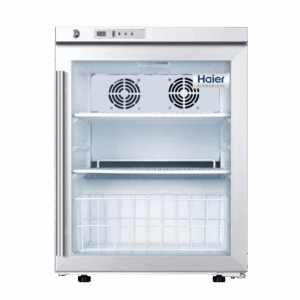
Glass door undercounter refrigerators provide instant visibility to stored contents without opening doors. This transparency proves particularly valuable when refrigerators sit beneath benches where bending to open doors and search for items becomes tiresome with frequent access. Staff can visually verify inventory, locate needed materials, and confirm proper storage through quick visual inspection rather than physical access.
For high-traffic applications where refrigerators are accessed dozens of times daily, glass doors reduce cumulative door-open time by enabling users to identify needed items before opening. This minimizes cold air loss and temperature fluctuations while improving workflow efficiency. Modern double-pane glass construction with low-emissivity coatings provides adequate insulation while maintaining transparency, balancing visibility with energy efficiency.
Solid Door Protection
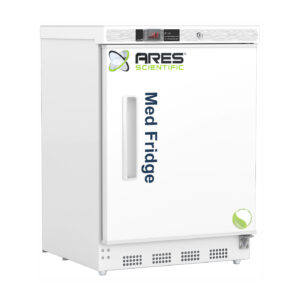
Solid door undercounter refrigerators prioritize maximum thermal insulation and light protection. The opaque construction incorporates thick insulating foam providing superior temperature retention compared to glass alternatives. For laboratories experiencing ambient temperature variations or energy cost concerns, solid doors offer meaningful efficiency advantages. During power interruptions, enhanced insulation extends safe storage duration before temperatures rise dangerously.
Light-sensitive materials require solid door protection. Reagents, vaccines, or biological samples degrading under continuous light exposure benefit from complete darkness solid doors provide. Privacy considerations also favor solid doors when storing controlled substances, expensive materials, or proprietary samples where visible inventory might raise security concerns. The primary trade-off is reduced convenience requiring door opening to view contents, potentially increasing access time and door-open frequency.
Vaccine and Pharmaceutical Applications
Undercounter laboratory refrigerators serve critical roles in vaccine storage, particularly in small clinics, pharmacies, and point-of-care facilities where compact cold storage meets operational needs without consuming excessive space. CDC guidelines for vaccine storage specify requirements these units can readily satisfy when properly selected and maintained.
NSF/ANSI 456 Certification
Many undercounter models carry NSF/ANSI 456 certification, providing third-party validation that refrigerators meet CDC vaccine storage standards. Certified units demonstrate temperature stability, adequate alarm systems, and monitoring capabilities essential for proper vaccine cold chain management. For facilities participating in federal vaccine programs like Vaccines for Children (VFC), NSF/ANSI 456 certification may be mandatory, making certified undercounter refrigerators the only compliant option for compact installations.
Even facilities not strictly requiring certification benefit from the assurance third-party validation provides. NSF testing verifies temperature performance under various conditions, alarm functionality, and feature claims, giving purchasers confidence that equipment will perform as advertised. When sample integrity or regulatory compliance is critical, certified undercounter refrigerators justify premium pricing through verified performance.
Pharmaceutical Compounding and Dispensing
Pharmacy environments utilize undercounter refrigerators positioning temperature-sensitive medications near compounding areas or dispensing counters. This proximity streamlines workflow while maintaining required cold storage. Compact dimensions fit beneath pharmacy counters where floor space is limited and customer areas must remain uncluttered. Glass door models enable pharmacists to quickly verify inventory without accessing refrigerators, improving efficiency during busy periods.
Pharmaceutical operations employ undercounter units for quality control samples, reference standards, and investigational compounds requiring refrigerated storage. Positioning these materials near analytical instruments or testing areas reduces handling time while maintaining proper storage conditions. The controlled access and monitoring capabilities of laboratory-grade undercounter refrigerators support pharmaceutical quality systems and regulatory compliance requirements.
Energy Efficiency and Sustainability
Compact undercounter refrigerators generally consume less electricity than larger units due to reduced internal volumes requiring less cooling. A typical 4 cubic foot undercounter model draws 200-350 kWh annually—substantially less than 20 cubic foot upright units consuming 400-600 kWh yearly. However, efficiency varies significantly based on insulation quality, compressor design, and operational features.
ENERGY STAR certified undercounter refrigerators reduce electricity consumption by 20-30% versus standard models, potentially saving $50-100 annually in energy costs. Over 10-15 year equipment lifespans, these savings accumulate substantially, often justifying higher initial purchase prices. Beyond direct cost benefits, reduced energy consumption decreases carbon footprints, supporting institutional sustainability commitments increasingly important to research institutions and healthcare facilities.
Natural Refrigerants and Environmental Responsibility
Modern undercounter refrigerators increasingly incorporate natural refrigerants like R600a (isobutane) and R290 (propane) offering excellent thermodynamic properties with minimal global warming potential. These environmentally friendly substances meet EPA SNAP requirements and European F-Gas regulations, replacing synthetic refrigerants with high environmental impact. Natural refrigerant systems provide comparable or superior cooling performance while supporting environmental stewardship goals.
Water-blown foam insulation eliminates ozone-depleting blowing agents traditionally used in polyurethane insulation manufacturing. Combined with natural refrigerants, modern undercounter refrigerators achieve dramatically reduced environmental impacts compared to older equipment. For laboratories pursuing LEED certification or institutional sustainability initiatives, environmentally responsible cold storage solutions contribute meaningfully to overall environmental performance metrics.
Installation Considerations and Requirements
Proper installation ensures undercounter laboratory refrigerators achieve optimal performance and longevity. Built-in models require precise measurements confirming refrigerators fit allocated spaces with adequate door clearances. Verify cabinet openings accommodate refrigerator dimensions including any protruding handles, vents, or control panels. Some installations require custom cabinetry modifications creating appropriate openings.
Freestanding models need ventilation clearances—typically 2-4 inches on sides and back—for adequate airflow supporting efficient heat rejection. Insufficient clearances force compressors to work harder, increasing energy consumption and accelerating wear. Level installation on stable surfaces prevents doors from swinging improperly or seals from compressing unevenly, potentially compromising temperature performance. Adjustable leveling feet enable compensation for minor floor irregularities.
Electrical and Environmental Requirements
Most undercounter laboratory refrigerators operate on standard 115V circuits, simplifying installation without specialized electrical infrastructure. Verify circuit capacity supports refrigerator electrical draw—typically 2-5 amps for standard models—without overloading circuits shared with other equipment. Right-angle plugs available on some models reduce depth requirements, enabling installation closer to walls where standard plugs would force refrigerators to extend further from wall surfaces.
Ambient temperature affects refrigerator performance. Most undercounter models specify maximum ambient temperatures of 32°C (90°F), beyond which cooling capacity may prove inadequate. Avoid installation near heat sources like autoclaves, ovens, or direct sunlight, which increase cooling demands and reduce efficiency. Ensure laboratory HVAC systems maintain appropriate ambient conditions supporting reliable refrigerator operation.
Maintenance and Service Access
Undercounter installation complicates some maintenance activities compared to freestanding floor models. Accessing condenser coils for quarterly cleaning may require partial removal from cabinetry or reaching into confined spaces. Some facilities schedule annual maintenance coordinating with laboratory shutdowns when refrigerators can be temporarily relocated for thorough servicing. Plan installation allowing reasonable service access—completely enclosed installations with no access to rear components create maintenance challenges potentially shortening equipment lifespans.
Front-accessible components simplify routine maintenance. Models with front-mounted condensers enable cleaning without moving refrigerators. Front control panels allow temperature adjustments and alarm testing without accessing tight spaces. Door gasket inspections and replacements remain straightforward regardless of installation type. When selecting undercounter refrigerators, consider long-term maintenance requirements alongside initial installation convenience.
Filter and Component Maintenance
Some undercounter models incorporate washable or replaceable air filters protecting condenser coils from dust accumulation. Quarterly filter cleaning or replacement—a simple task requiring only filter removal and cleaning or replacement—substantially reduces needs for complete coil cleaning. This preventive maintenance extends service intervals while maintaining optimal heat transfer efficiency.
Annual interior cleaning maintains hygienic conditions. Remove all contents, shelves, and accessories during scheduled laboratory closures. Clean surfaces with mild detergent and water, avoiding harsh chemicals that might damage protective coatings or leave residues affecting stored materials. Inspect door hinges, latches, and seals, addressing wear before failures occur. Document maintenance activities creating historical records supporting equipment qualification and demonstrating due diligence in sample protection.
Applications Across Laboratory Settings
Undercounter laboratory refrigerators serve diverse roles across scientific, medical, and pharmaceutical environments. Understanding these applications helps facilities select equipment with features matching specific operational requirements.
Research Laboratory Point-of-Use Storage
Research laboratories employ undercounter refrigerators providing dedicated cold storage at individual workstations. Molecular biology researchers maintain enzymes, buffers, and reagents beneath benches where PCR and cloning procedures occur. Cell culture scientists store media, supplements, and harvested samples near tissue culture hoods. This point-of-use placement minimizes material handling, reduces contamination risks, and streamlines workflows by positioning everything needed for experiments within arm's reach.
Undercounter units also support laboratory organization by providing personal or group-specific storage separate from shared facilities. Graduate students maintain their own refrigerators holding experimental samples and special reagents, eliminating concerns about accidental disposal or use by others. Research groups occupy defined bench spaces with integrated undercounter cold storage, creating self-contained work areas supporting focused research programs.
Clinical and Diagnostic Settings
Clinical laboratories utilize undercounter refrigerators near testing instruments storing reagents, controls, and calibrators. Positioning cold storage at point-of-use reduces technician walking time while ensuring materials remain at proper temperatures until needed. Small patient sample volumes requiring refrigeration pending analysis fit conveniently in undercounter units near processing areas, segregating different sample types or testing departments.
Phlebotomy stations and clinic examination rooms benefit from compact refrigerators storing vaccines and medications near administration areas. The convenience supports proper cold chain management by minimizing time temperature-sensitive materials spend outside controlled storage. Glass door models enable quick visual verification that vaccines are available before calling patients back, improving clinic flow and patient satisfaction.
Educational Laboratory Applications
Teaching laboratories in universities and schools employ undercounter refrigerators providing student access to reagents and samples during practical exercises. Individual teaching stations equipped with undercounter cold storage enable hands-on learning without students constantly walking to centralized storage. The compact dimensions fit beneath student benches without consuming floor space needed for movement or emergency egress.
Undercounter refrigerators also support laboratory safety by reducing student traffic and crowding around centralized storage. Distributed cold storage at multiple stations minimizes congestion while ensuring all students have convenient access to needed materials. For institutions with limited laboratory space or high student enrollments, strategic undercounter refrigerator placement maximizes teaching effectiveness within space constraints.
Selecting Optimal Undercounter Refrigerators
Choosing appropriate undercounter refrigerators requires assessing installation constraints, capacity needs, monitoring requirements, and regulatory compliance demands. Begin by measuring available space carefully, accounting for door swing clearances and ventilation requirements. Determine whether built-in or freestanding installation better suits the application, considering both immediate installation and long-term flexibility needs.
Evaluate capacity requirements based on anticipated storage volumes and usage patterns. Smaller 2-3 cubic foot units suit individual researchers or specialized applications, while 4-6 cubic foot models accommodate small teams or higher-volume needs. Consider glass versus solid door preferences, balancing visibility convenience against maximum insulation and light protection. Assess monitoring and alarm capabilities against regulatory requirements or internal quality standards applicable to your operations.
Compare energy efficiency, particularly for installations housing multiple undercounter units where cumulative energy consumption becomes significant. Review warranty coverage and manufacturer support infrastructure—responsive service and readily available parts minimize downtime when issues arise. Calculate total cost of ownership including purchase price, installation costs, energy consumption over equipment lifespan, and anticipated maintenance expenses. This comprehensive evaluation ensures selected refrigerators deliver necessary performance while optimizing value.
Enhancing Laboratory Efficiency with Strategic Cold Storage
Undercounter laboratory refrigerators transform often-wasted space beneath benches into valuable cold storage, providing convenient refrigeration exactly where researchers and clinicians need it. The compact dimensions preserve precious floor area while positioning temperature-sensitive materials within arm's reach of workstations. From vaccine storage in small clinics to reagent organization in research laboratories, undercounter refrigerators deliver professional-grade temperature control, monitoring capabilities, and regulatory compliance features in remarkably space-efficient packages.
Ready to maximize your laboratory's spatial efficiency with strategically placed undercounter refrigeration? Explore our comprehensive selection of undercounter laboratory refrigerators engineered for reliable temperature control, organized storage, and seamless integration beneath work surfaces. From compact 1-cubic-foot models to spacious 6-cubic-foot units, with built-in and freestanding configurations, glass and solid doors, and ADA-compliant options, find the perfect undercounter refrigerator matching your specific space, capacity, and regulatory requirements. Our units incorporate advanced microprocessor controls, comprehensive alarm systems, and energy-efficient designs, ensuring your temperature-sensitive materials remain protected under precisely controlled conditions while optimizing laboratory space utilization.