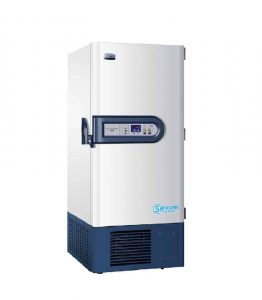
Ultra-Low Temperature Upright Freezers: Precision Cold Storage for Critical Research Applications
Ultra-low temperature upright freezers represent essential infrastructure for modern research laboratories, biobanks, pharmaceutical facilities, and clinical diagnostic centers requiring reliable -80°C to -86°C sample preservation in space-efficient vertical configurations. These specialized laboratory freezers protect irreplaceable biological materials including cell lines, tissue specimens, vaccines, enzymes, DNA/RNA samples, and clinical specimens through precision temperature control, advanced monitoring systems, and robust refrigeration technologies optimized for continuous operation under demanding laboratory conditions.
Professional-grade minus 80 freezers combine cascade refrigeration systems or environmentally-friendly mixed refrigerant technologies with microprocessor-based controls maintaining temperature uniformity within ±3°C across all storage zones. Vertical upright designs maximize floor space utilization while enabling organized sample management through adjustable shelving systems, compartmentalized drawer configurations, and optional inner door assemblies minimizing cold air loss during access events. Leading manufacturers including Haier Biomedical, PHC Corporation (formerly Panasonic Healthcare), and Thermo Fisher Scientific engineer these critical storage systems with comprehensive alarm capabilities, data logging features supporting regulatory compliance, and energy-efficient operation reducing operational costs throughout extended equipment lifecycles.
Why Choose Upright ULT Freezers Over Chest Configurations?
Upright ultra-low freezers deliver distinct operational advantages particularly valuable in high-density laboratory environments where accessibility, organization, and workflow efficiency drive equipment selection decisions. The vertical orientation enables systematic sample organization using labeled shelves or drawer positions, allowing researchers to rapidly locate and retrieve specific specimens without disturbing entire frozen inventories as commonly occurs with horizontal chest-style freezers. This targeted access capability proves especially critical in biobanking operations managing thousands of uniquely identified samples across multiple research projects or clinical trials.
Space-efficient footprints represent another compelling benefit, with upright models typically occupying 40-60% less floor area than equivalent-capacity chest freezers while providing comparable or superior storage density when properly configured with high-efficiency racking systems. Research facilities operating in constrained laboratory spaces or planning future expansion value this compact profile, which simplifies equipment placement and leaves valuable floor area available for benchtop instrumentation and active research workstations. Additionally, vertical configurations facilitate integration with laboratory furniture and standard doorway dimensions, reducing installation complexity and avoiding costly facility modifications often required for oversized horizontal units.
Enhanced Sample Organization and Inventory Management
Modern vertical freezers incorporate sophisticated organization features including adjustable shelf systems accommodating standard 2-inch or 3-inch freezer boxes in polycarbonate or cardboard construction, with typical installations supporting 300-1,500 boxes depending on freezer capacity and configuration choices. Many models offer convertible shelf designs switching between open storage for maximum flexibility and drawer-style compartments providing individual seals that limit temperature exposure when accessing specific sample zones. This compartmentalization proves particularly valuable in shared core facility environments where multiple research groups access designated storage areas throughout each workday.
Some premium upright ULT freezers integrate inventory management capabilities including barcode scanner compatibility, RFID tracking systems, or touchscreen interfaces documenting sample locations and access history. These technological enhancements enable real-time inventory oversight, support chain-of-custody documentation for clinical trial materials, and prevent accidental sample misplacement—challenges that frequently emerge in less structured storage approaches. Facilities managing large specimen collections appreciate these advanced features, which streamline regulatory compliance while reducing administrative burden on research personnel.
Applications Across Research and Clinical Environments
Ultra-low temperature vertical freezers serve diverse applications spanning academic research, pharmaceutical development, clinical diagnostics, and biorepository operations. University research laboratories utilize these systems for long-term preservation of cell cultures, plasmid libraries, antibody stocks, and experimental samples requiring cryogenic storage conditions. Core facilities often deploy high-capacity upright models with designated shelf assignments allocated to individual principal investigators, providing cost-effective centralized storage while maintaining clear sample segregation.
Pharmaceutical and Biotechnology Research
Pharmaceutical companies and biotechnology firms rely on minus eighty freezers for storing investigational drug candidates, stability samples, master cell banks, working cell banks, and critical reagents supporting drug discovery and development programs. Regulatory compliance requirements demand validated storage equipment with comprehensive temperature documentation, making upright freezers with FDA 21 CFR Part 11 compliant data logging, password-protected controls, and automated alarm systems essential infrastructure in GMP environments. Cell therapy manufacturing operations particularly value the rapid accessibility of upright configurations when retrieving specific vials during time-sensitive production campaigns.
Biobanking and Clinical Sample Repositories
Biobanks and biorepositories managing extensive frozen specimen collections benefit from the systematic organization capabilities inherent to vertical freezer designs. Large-scale facilities often deploy multiple 25-32 cubic foot upright units creating redundant storage with sample aliquots distributed across separate systems, protecting against catastrophic loss from single equipment failures. The ability to implement shelf-level organization by study cohort, collection date, or sample type streamlines specimen management while supporting ISBER best practices and CAP biorepository accreditation standards. Integration with temperature monitoring systems provides continuous oversight ensuring sample integrity throughout long-term storage periods.
Clinical Laboratories and Diagnostic Centers
CLIA-certified and CAP-accredited clinical laboratories utilize upright ultra-low freezers for patient specimen retention, quality control materials, calibrator storage, and archived samples supporting retrospective testing requirements. The ability to organize samples chronologically or by accession number enables rapid retrieval during regulatory inspections or when repeat testing becomes necessary. Many diagnostic facilities segregate patient specimens from quality control materials using different freezer compartments or separate units, maintaining clear organizational boundaries required by laboratory accreditation standards.
Critical Selection Factors for ULT Upright Freezers
Selecting the optimal ultra-low temperature upright freezer requires careful evaluation of storage capacity requirements, monitoring capabilities, energy efficiency considerations, and facility constraints. Organizations should calculate current frozen inventory in standard 2-inch box equivalents, project growth rates based on research programs or clinical volumes, and determine whether centralized high-capacity storage or distributed smaller units better serve operational needs and risk management strategies.
Capacity Planning and Growth Projections
Proper capacity planning accounts for both immediate storage requirements and anticipated expansion over 3-5 year equipment lifecycles. Compact 14-17 cubic foot models suit individual research groups or specialized applications, while mid-capacity 20-25 cubic foot systems serve departmental laboratories and shared core facilities. High-capacity 27-32 cubic foot units meet the demands of large biobanks, pharmaceutical research facilities, and institutional repositories managing collections exceeding 1,000 boxes. Many organizations maintain 20-30% reserve capacity accommodating unexpected sample influxes or equipment failures requiring temporary sample relocation.
Monitoring, Alarms, and Regulatory Compliance
Comprehensive monitoring capabilities protect valuable specimen investments through continuous temperature oversight, automated alarm systems, and complete documentation supporting regulatory requirements. Standard alarm features including high/low temperature alerts, power failure notification, and door ajar warnings represent minimum acceptable specifications. Research organizations subject to FDA, GLP, or other regulatory oversight require freezers with validated data logging systems, audit trail documentation, and comprehensive user access logs supporting compliance inspections.
Advanced connectivity options enable integration with building management systems, centralized environmental monitoring platforms, or cloud-based services delivering real-time temperature data accessible via smartphone applications or web browsers. These sophisticated monitoring approaches enable 24/7 oversight regardless of staffing availability, with automated escalation protocols ensuring rapid response to temperature excursions or equipment malfunctions that could compromise irreplaceable research materials.
Energy Efficiency and Operating Costs
Modern ultra-low temperature upright freezers incorporate energy-efficient technologies including variable-speed compressors, vacuum insulation panels, and optimized refrigeration cycles reducing electrical consumption 20-40% compared to conventional designs. Haier Biomedical's Smart Frequency Conversion technology and other advanced systems adjust compressor operation based on thermal load conditions, minimizing energy waste while maintaining consistent -80°C temperatures. Daily consumption typically ranges from 8-10 kWh for compact models to 12-16 kWh for high-capacity units, representing significant operational savings over 10-15 year equipment lifecycles.
Installation Considerations and Facility Requirements
Successful upright freezer installation requires attention to electrical specifications, ventilation clearances, ambient temperature control, and strategic placement considering door swing requirements and service access needs. Compact 14-17 cubic foot models typically require 115V/15A dedicated circuits, while larger institutional units demand 208-230V/20A service. Facilities should verify electrical capacity meets freezer requirements and install separate circuits for each ULT system, avoiding circuit overload risks and enabling individual equipment isolation during maintenance or emergencies.
Adequate ventilation around freezer perimeters enables proper airflow across condenser coils preventing heat buildup that degrades performance and accelerates component wear. Minimum clearance recommendations typically specify 6 inches at sides and 12 inches at rear, though crowded installations often compromise these guidelines leading to elevated operating temperatures. Ambient temperature conditions should remain within 18-26°C (64-79°F) ranges specified by manufacturers, as operation in excessively warm or cold environments increases energy consumption and reduces equipment reliability. Laboratories lacking adequate HVAC control may require supplemental cooling or dedicated climate-controlled storage rooms housing critical cold storage equipment.
Leading Manufacturers and Technology Innovations
ARES Scientific partners with industry-leading manufacturers delivering proven ultra-low temperature upright freezer technologies supporting diverse research and clinical applications. Haier Biomedical's DW-86L series combines hydrocarbon refrigeration systems with advanced insulation achieving energy efficiency improvements exceeding 45% while maintaining reliable -86°C temperatures. PHC Corporation (formerly Panasonic Healthcare) offers VIP ECO and TwinGuard models featuring natural refrigerants, vacuum insulation, and optional dual cooling systems providing redundant protection for critical specimens.
Thermo Fisher Scientific's TSX Universal Series represents another premium option incorporating enhanced V-Drive technology delivering tighter temperature control, faster recovery following door openings, and whisper-quiet operation suitable for laboratory environments where noise control matters. These advanced systems feature touchscreen interfaces, comprehensive data logging capabilities, and network connectivity supporting modern laboratory informatics infrastructures. Regardless of manufacturer selection, ARES Scientific provides expert guidance ensuring equipment specifications align with application requirements, facility constraints, and long-term operational goals.
Maintenance Best Practices and Long-Term Reliability
Proper maintenance protocols maximize ultra-low freezer reliability and extend equipment lifecycles protecting valuable specimen investments while minimizing unexpected failures and emergency service costs. Routine maintenance tasks include quarterly condenser coil cleaning removing dust and debris that impedes heat transfer efficiency, door gasket inspection ensuring proper seals preventing frost accumulation and cold air loss, and alarm function verification confirming protective systems operate correctly. Annual preventive maintenance performed by qualified service technicians should include refrigerant level checks, compressor performance assessment, control system calibration, and comprehensive testing of safety features.
Many organizations implement backup power systems protecting ULT freezers during facility power outages, with uninterruptible power supplies (UPS) providing short-duration protection and backup generators enabling extended operation during prolonged outages. Some facilities install optional LN₂ or CO₂ backup systems maintaining sub-zero temperatures if mechanical refrigeration systems fail, providing additional protection for irreplaceable clinical trial specimens or master cell banks where sample loss presents catastrophic consequences. Regular inventory audits, temperature log reviews, and emergency response drills ensure organizations maintain operational readiness protecting critical research materials throughout extended storage periods.
Partner With ARES Scientific for ULT Freezer Solutions
ARES Scientific serves as your trusted partner for ultra-low temperature upright freezer solutions, offering expert guidance on capacity planning, monitoring integration, and facility requirements ensuring optimal equipment selection for research laboratories, clinical facilities, and biobanking operations. Our experienced team provides comprehensive support including site assessment, installation coordination, and ongoing technical assistance helping laboratories maintain reliable -80°C sample storage protecting irreplaceable biological materials and research investments. Contact us today to discuss your specific cold storage requirements and discover how premium upright ULT freezers from leading manufacturers can enhance your specimen preservation capabilities while optimizing laboratory efficiency and regulatory compliance.