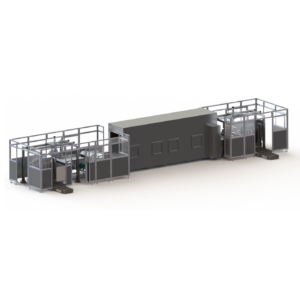
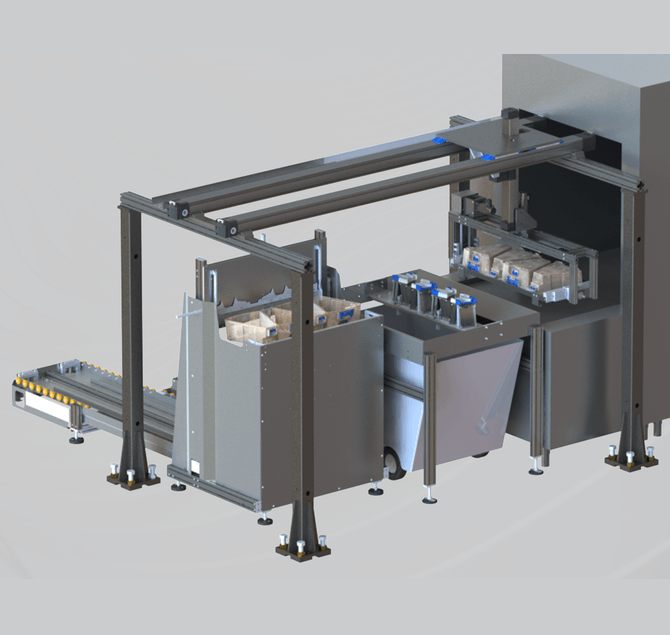
Visron Automated Cage Handling System 240

Quote

The Visron VACH 240 automated cage handling system replaces labor-intensive manual cage scraping and bedding removal with a reliable, continuous-flow automation solution designed for research vivaria, institutional animal facilities, and contract research organizations managing high volumes of rodent and IVC cage processing each day.

Engineered by Visron Automation for facilities that prioritize throughput without sacrificing flexibility, the VACH 240 integrates directly into tunnel washer workflows as a pre-wash cage dumping and bedding extraction stage, reducing technician contact with soiled cage contents and minimizing cross-contamination risk in dirty cage corridors where AAALAC-accredited and GLP-compliant facilities demand strict procedural control.

The VACH 240 accommodates multiple cage types through interchangeable modular components, making it a natural complement to existing cage change and transfer stations and bedding fill and disposal systems that together form a complete automated vivarium cage cycle — from animal and vivarium equipment intake through washing and reprocessing.

Description

Visron Automated Cage Handling System 240 – Product Highlights

  • High-throughput cage processing at up to 500 cages per hour enables even large-scale vivaria to maintain cage change schedules without staffing bottlenecks or workflow backlogs.
  • Row-based pass-through mechanism automatically advances cages that resist standard processing to a dedicated holding bin, preventing system stoppages and keeping the cage line moving without technician intervention.
  • Customizable cage flipping with active or gravity flip options lets facility engineers configure the VACH 240 to match the physical characteristics of their specific rodent caging inventory.
  • Modular multi-cage compatibility through interchangeable components accommodates various cage formats — including individually ventilated cage (IVC) systems — without requiring a separate machine for each cage type.
  • Single-technician operation reduces staffing requirements per cage change shift, delivering direct labor cost savings while supporting ergonomic injury prevention goals in high-repetition vivarium tasks.
  • No infeed or outfeed queue required, giving facilities with constrained dirty cage corridor square footage a space-efficient automated bedding removal solution that integrates smoothly into existing room layouts.
  • Flexible bedding material support accommodates corncob, paper, and wood shaving substrates across different research colony housing configurations, connecting downstream to vivarium bedding disposal systems.
  • Compact footprint and durable construction make the VACH 240 suitable for facilities where space is limited and where daily demands on vivarium automation equipment require robust, low-maintenance performance.
  • Engineered for minimal downtime with easy-access maintenance design, reducing service interruptions that could disrupt scheduled cage change cycles in IACUC-regulated animal facilities.
  • ARES Scientific is an authorized distributor for Visron Automation, ensuring genuine VACH 240 systems with full manufacturer warranty and dedicated pre- and post-sale support for vivarium automation projects.

Frequently Asked Questions – Visron Automated Cage Handling System 240

What is the Visron VACH 240 and what does it do?

The Visron VACH 240 is an automated cage handling system designed to replace manual cage scraping and bedding removal in research vivaria and institutional animal facilities, processing up to 500 cages per hour through a continuous-flow, row-based pass-through mechanism that advances cages through the dirty cage corridor with minimal technician involvement.

Is the VACH 240 compatible with individually ventilated cages (IVC)?

The VACH 240 accommodates multiple cage types through interchangeable modular components, enabling facilities that house rodents in IVC rack systems to process their specific cage formats without requiring a separate machine — contact ARES Scientific to confirm compatibility with your specific rodent caging inventory.

How does the VACH 240 integrate with a tunnel washer?

The VACH 240 functions as a pre-wash cage dumping and bedding extraction stage that feeds directly into tunnel washer systems, removing soiled bedding before cages enter the wash cycle so that washer throughput is not compromised by excess organic load, and so that technicians avoid direct handling of contaminated cage contents.

What bedding materials does the VACH 240 support?

The VACH 240 supports flexible bedding options to accommodate various substrates including corncob, paper-based, and wood shaving materials, making it compatible with a range of rodent colony housing protocols and connecting upstream of downstream bedding disposal and reprocessing workflows.

How does the VACH 240 support IACUC and AAALAC compliance in animal facilities?

By automating cage scraping and bedding removal, the VACH 240 reduces direct technician contact with soiled materials, supports consistent cage change cycle frequency, and contributes to the occupational health and ergonomic safety standards that IACUC protocols and AAALAC accreditation evaluations typically address in vivarium operations assessments.

Does the VACH 240 require a large footprint or dedicated infeed and outfeed queues?

The VACH 240 is designed with a compact footprint and requires no dedicated infeed or outfeed queue, making it well-suited for existing dirty cage corridors with constrained square footage — a practical consideration for facilities integrating automated cage handling into established vivarium equipment layouts.

Technical Specifications – Visron Automated Cage Handling System 240

Model: VACH 240
Processing Speed: Up to 500 cages per hour
Cage Compatibility: Multiple cage types via interchangeable modular components
Pass-Through System: Row-based mechanism with dedicated holding bin for unruly cages
Flipping Mechanism: Active flip or gravity flip (configurable)
Bedding System: Flexible; accommodates various bedding materials
Queue Requirement: No infeed or outfeed queue required
Technician Requirement: Single technician operation
Footprint: Compact; space-saving design
Construction: Durable materials for demanding laboratory environments
Maintenance: Engineered for easy maintenance and minimal downtime
No information available, please contact us for information