

Published: January 2026 | Reading Time: 8 minutes | Category: Vivarium Solutions
The Challenge: Research programs are growing, breeding colonies are expanding, and new studies are launching, but your vivarium is out of space. Facility expansion costs hundreds of thousands to millions of dollars and takes years to complete. What if you could increase capacity by 30-40% in your existing footprint?
For vivarium managers and research facility directors, space constraints represent one of the most pressing operational challenges. Animal census numbers climb while available square footage remains fixed. Traditional solutions—building new facilities or leasing additional space—carry prohibitive costs and lengthy timelines that can stall critical research programs.
Fortunately, strategic equipment upgrades and workflow optimization can dramatically increase housing capacity without breaking ground on new construction. This guide presents five proven strategies that research facilities have successfully implemented to expand capacity while maintaining—or even improving—animal welfare standards and operational efficiency.
1. Transition to High-Density IVC Systems
The single most impactful strategy for increasing vivarium capacity is upgrading from standard individually ventilated caging (IVC) systems to high-density configurations.
The Density Advantage
Traditional IVC racks typically house 70-80 mouse cages per rack, occupying approximately 1.5-2 square meters of floor space1. In contrast, advanced high-density systems like the ARES OptiMice II achieve 110 cages in just one square meter2, representing approximately a 38-40% capacity increase in the same footprint (calculated as: 110 cages/m² vs. 70-80 cages/1.8m² average = 110 vs. 39-44 cages/m²).
| System Type | Cages per Rack | Floor Space | Cages per m² |
|---|---|---|---|
| Standard IVC Rack | 70-80 | 1.5-2.0 m² | 40-53 |
| Compact IVC Rack | 84-90 | 1.2-1.5 m² | 60-70 |
| High-Density System (OptiMice II) | 110 | 1.0 m² | 110 |
Example Calculation: 500-Cage Capacity Increase
Hypothetical scenario based on OptiMice II specifications: A 200 m² vivarium housing 8,000 mice in standard racks replaced 50 racks with high-density systems, adding 1,500 cages (18.75% capacity increase) while actually reducing floor space utilization by 15%.
Beyond Just Density: Operational Benefits
High-density systems offer advantages beyond raw cage counts:
- Reduced HVAC Load: Motor-free systems like OptiMice II eliminate heat generation from blowers, potentially reducing facility cooling requirements3
- Lower Operating Costs: Convection-assisted airflow operates at approximately 40-60 CFM per rack vs. 100-150 CFM for typical blower-based systems4
- Quieter Environment: No motors, fans, or vibration improves animal welfare and breeding performance
- Simplified Maintenance: Fewer moving parts reduce downtime and service costs
Pro Tip: When transitioning to high-density systems, upgrade in phases. Start with one room to validate workflow changes and demonstrate ROI before facility-wide implementation. This also spreads capital expenditure across fiscal years.
Learn more: Explore the ARES OptiMice II High-Density IVC System | View All Rodent Caging Solutions
2. Optimize Vertical Space with Stacking Systems
Most vivariums have 8-10 feet of ceiling height but utilize only 6-7 feet for animal housing. Capturing this unused vertical space can potentially add 15-25% capacity without expanding the facility footprint.
Strategic Stacking Approaches
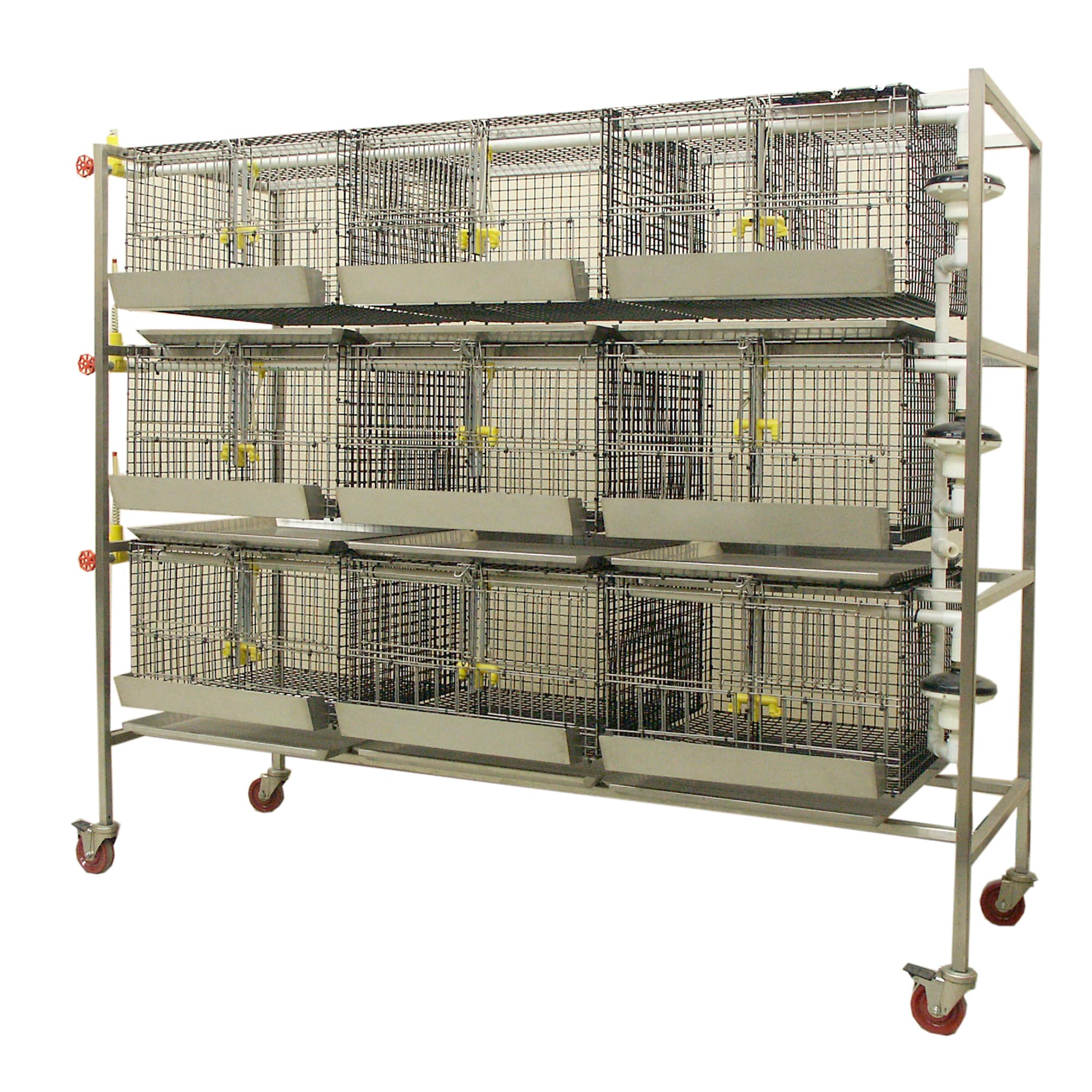
Static Cage Stacking: For facilities still using static housing, double-tier or triple-tier rack systems can double or triple capacity in the same floor area. Modern stacking systems include:
- Ergonomic designs with angled shelves for visibility and access
- Integrated water bottle systems at each level
- Removable tiers for flexible configuration
- High-temperature casters for autoclave compatibility
Mezzanine Storage Solutions: Install overhead storage for supplies, clean caging, and equipment above workstations and corridors, freeing ground-level space for housing.
Accessing Upper Tiers Safely
Implement these solutions for safe, ergonomic access to elevated cages:
- Mobile platforms and step stools with non-slip surfaces
- Hydraulic lift tables for cage changing at comfortable working height
- Rotating rack systems that bring upper cages to ergonomic level
Pro Tip: Evaluate your facility’s ceiling height and structural load capacity before implementing vertical expansion. Many buildings can support additional weight with minor reinforcement, but always consult with a structural engineer.
Related equipment: Laboratory Shelving & Storage Solutions | Material Handling Equipment
3. Consolidate Support Spaces and Equipment
Vivarium support functions—cage washing, storage, quarantine—often occupy significant facility space5. Strategic consolidation can reclaim hundreds of square feet for animal housing.
Cage Wash Room Optimization
Transitioning from manual to automated cage washing systems can significantly reduce required floor space:
| Washing Method | Space Required | Labor Hours/Week | Throughput (cages/hour) |
|---|---|---|---|
| Manual Washing | 40-60 m² | 80-120 | 15-25 |
| Semi-Automated | 25-35 m² | 40-60 | 40-60 |
| Automated Tunnel Washer | 15-25 m² | 20-30 | 100-150 |
Note: Space and efficiency metrics are approximations based on typical equipment specifications and may vary by manufacturer and facility configuration.
Space-saving strategies for cage wash operations:
- Vertical drying cabinets replace horizontal drying racks, potentially reducing footprint by up to 60%
- Integrated wash/dry systems eliminate separate drying areas
- Wall-mounted bottle fillers free up floor space previously occupied by filling stations
- Overhead clean cage storage with hydraulic lowering systems, reclaims usable space
Supply Storage Consolidation
Key Stat: Implementing high-density mobile shelving systems for bedding, feed, and supplies can potentially reduce storage footprint while increasing storage capacity6.
Additional consolidation opportunities:
- Centralized bedding dispensing systems eliminate multiple fill stations
- Demand based supply delivery reduces on-site inventory requirements
- Vertical carousel systems optimize small supplies and equipment storage
- Ceiling-mounted bedding disposal systems save floor space
Related solutions: Automated Cage Wash Systems | Drying Cabinets | Bedding Systems
4. Implement Flexible Multi-Purpose Spaces
Dedicated single-use rooms (breeding only, quarantine only, procedure only) create inefficiencies. Flexible spaces that serve multiple functions based on real-time needs optimize utilization.
Modular Containment Solutions
Modern isolator systems and mobile barriers allow spaces to be reconfigured quickly:
- Mobile isolation units create quarantine space anywhere when needed
- Portable HEPA filtration units convert standard rooms to barrier space temporarily
- Modular animal transfer stations can be relocated based on workflow demands
- Dual-purpose procedure/housing rooms with appropriate equipment maximize room utilization
Right-Sizing Room Allocations
Analyze actual room utilization over 6-12 months to identify underutilized spaces:
- Rooms consistently below 60% capacity may be candidates for repurposing
- Oversized procedure rooms can be subdivided
- Seasonal breeding programs can share space with other studies during off-periods
Example scenario: A pharmaceutical research facility converted three underutilized 20 m² specialized procedure rooms into six 10 m² dual-purpose spaces. This increased total usable capacity by 28% while actually improving procedural efficiency through better room proximity to housing.
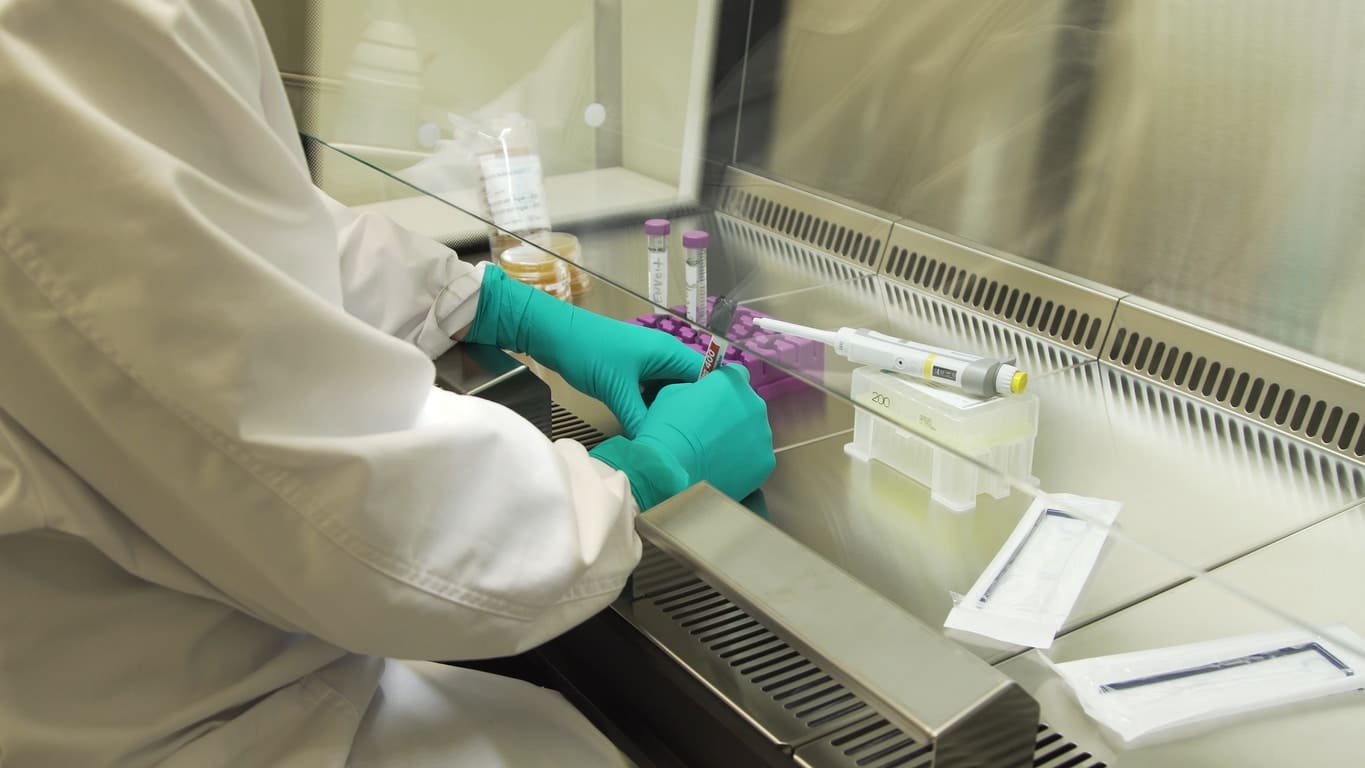
Equipment for flexible spaces: Cage Change & Transfer Stations | Biological Safety Cabinets
5. Enhance Workflow Efficiency to Increase Effective Capacity
Sometimes the constraint isn’t physical space but workflow bottlenecks that prevent full utilization of available capacity. Streamlining operations can increase effective capacity by 10-20%.
Cage Change Efficiency
Implementing centralized cage change stations with Class II biosafety cabinets can reduce change time per cage. For a 5,000-cage facility on bi-weekly change schedules:
Example time savings calculation: If centralized stations reduce cage change time from an average of 5 minutes to 2.5 minutes per cage, this saves 2.5 minutes × 5,000 cages = 12,500 minutes (208 hours) per change cycle. Over a month (2 cycles), this equals approximately 416 hours, representing capacity to manage 750-1,000 additional cages with existing staff.
Material Flow Optimization
Redesign traffic patterns and material handling to eliminate bottlenecks:
- Dedicated dirty/clean corridors prevent cross-contamination and traffic conflicts
- Strategic placement of bedding disposal stations reduces transport distances
- Mobile equipment brings functionality to animals rather than moving animals to equipment
- Automated water systems eliminate bottle changing labor, freeing staff for animal care
Technology Integration
Digital systems reduce time spent on administrative tasks:
- RFID cage tracking eliminates manual census counts and card updates
- Digital health monitoring identifies issues earlier, reducing quarantine needs
- Automated environmental monitoring reduces manual checks and compliance documentation
- Integrated LIMS systems streamline record-keeping
Pro Tip: Conduct time-motion studies of your cage change process. Small inefficiencies (walking to get supplies, waiting for autoclave, searching for documentation) compound across thousands of cages. Eliminating 30 seconds per cage change saves 40+ hours monthly in a 5,000-cage facility.
Related equipment: Auto-Watering Systems | Environmental Monitoring
Key Takeaways: Maximizing Capacity Without Expansion
- High-density IVC systems offer the highest ROI, potentially increasing capacity 30-40% in the same footprint
- Vertical space utilization is the most underutilized opportunity in existing facilities
- Support space consolidation can reclaim significant facility square footage
- Flexible multi-purpose rooms can improve utilization rates substantially
- Workflow optimization increases effective capacity without physical expansion
Calculating Your Capacity Increase Potential
Use this framework to estimate capacity gains in your facility:
1. Current State Assessment:
- Total floor space dedicated to animal housing
- Current cage density (cages per square meter)
- Percentage of vertical space utilized
- Support space as percentage of total facility
2. Improvement Opportunities (theoretical maximums based on equipment specifications):
- High-density IVC upgrade: up to +35-40% capacity
- Vertical optimization: up to +15-25% capacity
- Support space consolidation: up to +10-20% reclaimed space
- Workflow efficiency: up to +10-15% effective capacity
3. Realistic Combined Gain: Facilities implementing 2-3 strategies can potentially achieve 40-65% capacity increase depending on existing configuration and implementation approach.
Ready to Expand Your Vivarium Capacity?
Our vivarium specialists can assess your facility and develop a customized capacity expansion plan with detailed ROI analysis, equipment recommendations, and implementation timeline.
Schedule a Consultation | Request Equipment Quote
Implementation Considerations
Phased Approach
Implement capacity improvements incrementally to:
- Minimize operational disruption
- Validate equipment performance and workflow changes
- Spread capital investment across fiscal years
- Allow staff training and adaptation time
Regulatory Compliance
Ensure all capacity enhancements maintain or improve compliance with:
- AAALAC standards for space, environment, and animal welfare7
- USDA regulations for species-specific requirements
- IACUC protocols for institutional animal care and use
- Local building codes for structural modifications
Staff Training
New equipment and workflows require comprehensive training programs:
- Hands-on equipment operation training
- Updated SOPs and documentation
- Workflow process mapping and role definitions
- Ongoing support during transition period
Explore High-Capacity Vivarium Solutions
Browse our complete range of space-saving, high-efficiency vivarium equipment designed to maximize your research capacity.
View Vivarium Equipment | Vivarium Solutions Overview
Conclusion: Strategic Growth Without Construction
Facility expansion through new construction represents a multi-million dollar, multi-year commitment that may not align with research timelines or budget realities. The five strategies outlined above offer a practical, cost-effective alternative that delivers results in months rather than years.
By combining high-density housing systems, vertical space optimization, support space consolidation, flexible room design, and workflow improvements, research facilities can potentially achieve significant capacity increases while often improving animal welfare, reducing operating costs, and enhancing staff efficiency.
The key is approaching capacity expansion strategically—understanding your specific constraints, identifying highest-ROI opportunities, and implementing changes in phases that demonstrate value and build organizational confidence.
Next Steps: Contact ARES Scientific to schedule a facility assessment and receive a customized capacity expansion proposal with equipment recommendations, space planning, and projected ROI.
References & Notes
- Typical IVC rack specifications based on common industry configurations from major manufacturers (Tecniplast, Allentown, Innovive), 2023-2024.
- Animal Care Systems. (2024). OptiMice II IVC System Technical Specifications. Available at: https://aresscientific.com/product/optimice-ii-ivc-system/
- Motor-free systems eliminate heat load from blower motors. Actual cooling requirement reduction depends on facility HVAC design, ambient conditions, and total equipment load.
- Airflow specifications based on Animal Care Systems OptiMice II documentation and typical blower-based IVC system requirements. Actual CFM requirements may vary by manufacturer and facility design.
- National Research Council. (2011). Guide for the Care and Use of Laboratory Animals (8th ed.). Washington, DC: National Academies Press. Available at: https://grants.nih.gov/grants/olaw/guide-for-the-care-and-use-of-laboratory-animals.pdf
- Space savings estimates based on typical high-density mobile shelving vs. static shelving configurations. Actual results depend on facility layout and storage requirements.
- AAALAC International. (2023). Accreditation Resources and Position Statements. Available at: https://www.aaalac.org
Disclaimer: Capacity increase estimates provided in this article are based on equipment specifications, facility planning principles, and hypothetical scenarios. Actual results will vary based on existing facility configuration, regulatory requirements, operational constraints, and specific implementation approaches. ARES Scientific recommends professional facility assessment before making equipment purchasing decisions.