
ARES Scientific as Your Vivarium Equipment Supplier
ARES Scientific serves research institutions, universities, pharmaceutical companies, and government facilities as a full-service vivarium equipment supplier — providing integrated solutions across animal and vivarium equipment, containment, wash and sterilization, cold storage, decontamination, and material handling. Multiple members of our team have direct, hands-on experience managing animal facility operations, and our specialists collectively bring over 75 years of vivarium-specific expertise to every client engagement. We participate actively in local and national AALAS chapters, with several specialists having served as AALAS chairs and board members — a level of industry involvement that directly informs how we help facilities select, configure, and support their equipment investments.
In 2017, ARES completed one of the most technically complex vivarium construction projects in the country, integrating rodent housing, automatic watering, fully automated cage wash systems, bedding delivery and removal, portable and fixed decontamination equipment, and electronic cage cards across four manufacturing partners within a compressed timeline. The project earned the Turnkey Facility of the Year award and remains a benchmark for the integrated, operationally focused approach ARES brings to every vivarium project — from single-room equipment upgrades to ground-up facility builds.
Vivarium Equipment Categories We Supply
ARES supports the full operational scope of research animal facilities with equipment spanning containment, environmental control, cage management, wash and sterilization, and biosafety. Our rodent caging portfolio covers individually ventilated caging (IVC) systems, static microisolator cages, and metabolic and specialty research configurations for mice, rats, and other small rodents. Large animal caging options include rabbit, ferret, marmoset, and primate housing for facilities maintaining non-rodent species alongside standard rodent colonies.
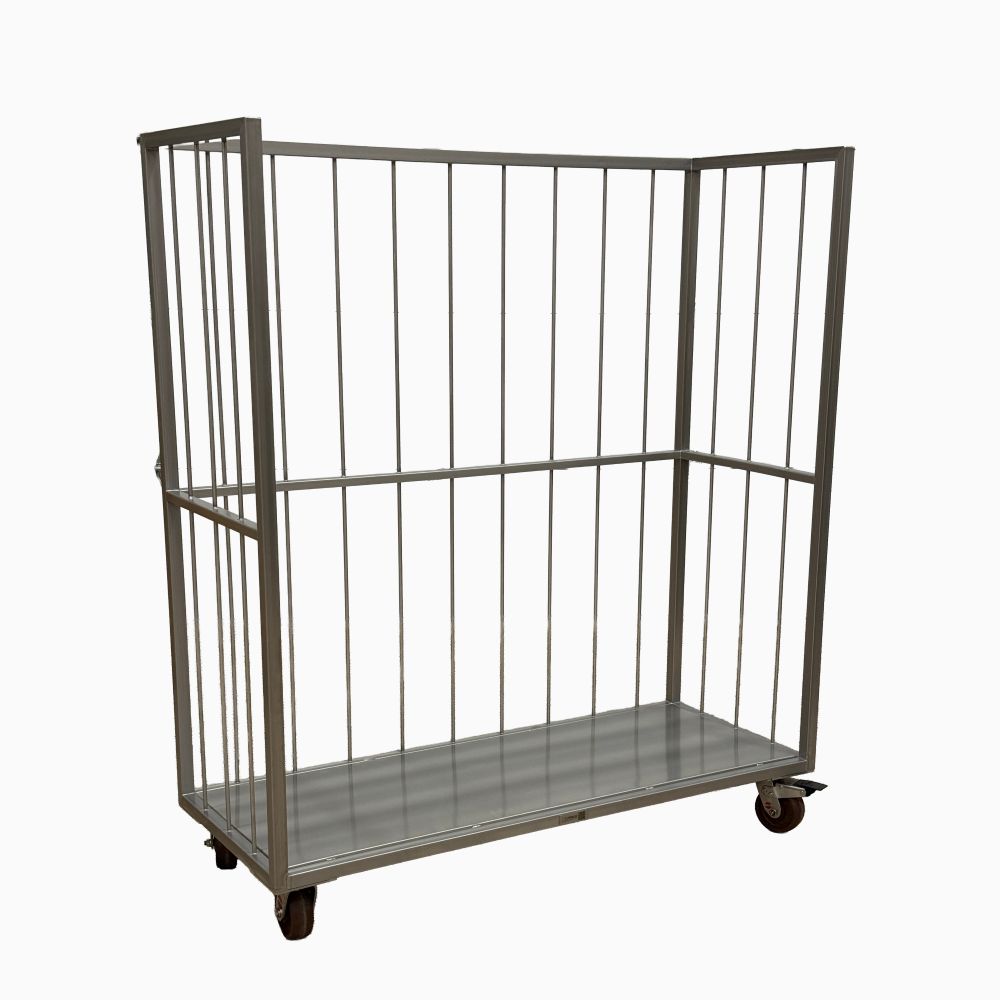
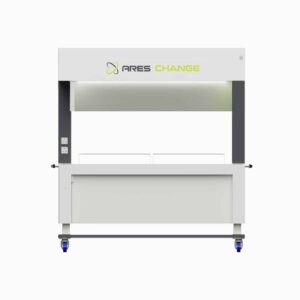
Containment and clean air equipment includes biological safety cabinets, cage change and transfer stations, and isolators — all critical to maintaining the separation of clean and dirty corridors, protecting technicians from allergen and pathogen exposure, and preventing cross-contamination during routine cage changing and animal transfer procedures. Wash and sterilization infrastructure includes cage, rack, and bottle washers, steam sterilizers, and vivarium dry heat sterilizers — the equipment backbone of every compliant cage wash area. Decontamination systems from TOMI Environmental Solutions support both room-level and surface-level biological decontamination requirements for barrier facilities, import/export suites, and outbreak response scenarios. Automatic watering systems, bedding fill and disposal systems, material handling equipment, anesthesia systems, euthanasia systems, necropsy tables and procedure hoods, and imaging systems round out the complete vivarium equipment portfolio available through ARES Scientific.
How ARES Supports Vivarium Operations
ARES representatives engage with vivarium directors, managers, supervisors, and technicians at every stage of a facility’s lifecycle — from initial equipment selection through installation, staff training, and long-term service coordination. Our support model is built around four areas where operational expertise directly affects outcomes: facility analysis, cost analysis, coordination and support, and training.
Facility Analysis. ARES representatives conduct in-person facility evaluations, take detailed measurements to confirm equipment fit and utility compatibility, and perform room layouts that balance housing density, animal welfare, and technician safety. In cage wash areas, we complete throughput analyses to verify that washer and sterilizer capacity aligns with colony size and operational schedules. We also work closely with facilities and engineering personnel to identify HVAC considerations that affect clean air and containment equipment performance and room pressure relationships.
Cost Analysis and Facility Integration. ARES interfaces directly with architects, engineers, and contractors during facility design and construction to confirm that utility provisions — electrical, plumbing, drain, and exhaust — match equipment requirements before installation. Because we maintain active relationships with a broad network of vivarium equipment manufacturers, we are positioned to coordinate equipment integration across multiple suppliers and manage the sequencing and dependencies that complex facility projects require.
Coordination and Support. Coordinating delivery and installation of new vivarium equipment into an operating facility without disrupting colony operations or inspection timelines demands precise logistics management. ARES specialists work directly with project management teams, local service providers, and independent NSF certifiers and equipment service companies to manage delivery sequencing, installation oversight, and post-installation testing and verification.
Training. Our local ARES specialists provide on-site training for facility staff on equipment operation, maintenance procedures, and compliance documentation — ensuring that the teams responsible for day-to-day vivarium operations are equipped to maintain equipment performance and meet institutional biosafety and veterinary oversight requirements. When selecting rodent caging, for example, we guide clients through material compatibility questions — polycarbonate versus polysulfone — to ensure cage selection is compatible with their specific wash and sterilization processes and autoclave parameters. For investigators running cannula studies or metabolic research requiring temperature-controlled housing, we navigate the available options to enhance animal welfare, reduce experimental variables, and improve operational efficiency across the facility.
Our experience as a vivarium equipment supplier
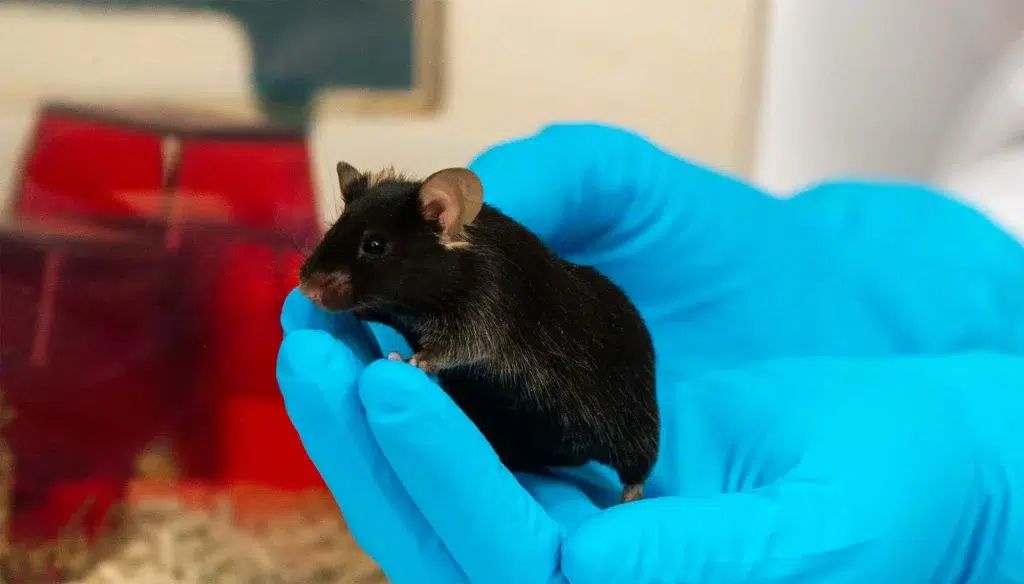
Multiple members of our team possess hands-on experience managing animal facility operations and our specialists have over 75 combined years of experience working with and in vivariums. We participate regularly in local and national AALAS chapters and many of our specialists have served as AALAS chairs and board members.
In 2017, ARES completed one of the most advanced vivarium construction projects in the world. This project included rodent housing, automatic watering, fully automated cage wash, bedding delivery and removal, portable and fixed decontamination equipment and electronic cage cards. During the process, ARES helped solve numerous ongoing operational challenges for the client and managed the integration of equipment between four different manufacturing companies in a very short timeframe. The facility won the Turnkey Facility of The Year award.
Products we carry for Vivarium
ARES offers a comprehensive selection of vivarium equipment configured for the full operational scope of research animal facilities — from barrier rooms and cage wash areas to procedure suites, biosafety containment zones, and animal transfer corridors. Our rodent caging portfolio includes individually ventilated caging (IVC) systems, static microisolator cages, and specialty configurations for metabolic studies and investigator-specific research protocols, while our large animal caging options cover rabbit, ferret, marmoset, and primate housing for facilities maintaining mixed-species colonies.
Containment and clean air solutions include biological safety cabinets for BSL-2 and BSL-3 animal work, cage change and transfer stations that protect technicians from allergen and pathogen exposure during routine cage changes, and isolators for germ-free, gnotobiotic, and immunocompromised animal housing requiring the highest level of environmental barrier protection. Facilities managing infectious disease research or import and export quarantine requirements will find dedicated decontamination systems for room-level and surface-level biological decontamination across barrier suites and outbreak response scenarios.
The cage wash and sterilization infrastructure ARES supplies forms the operational backbone of every compliant vivarium — including cage, rack, and bottle washers scaled to colony throughput requirements, steam sterilizers for bedding, cages, and supplies, and vivarium dry heat sterilizers for heat-stable materials requiring dry sterilization cycles. Automatic watering systems reduce manual labor and improve watering consistency across large rodent colonies, while bedding fill and disposal systems and material handling equipment streamline the movement of cages, racks, and supplies through clean and dirty corridors to minimize cross-contamination risk and reduce technician ergonomic strain.
Procedure suite equipment available through ARES includes anesthesia systems for rodent and small animal procedures, euthanasia systems configured for institutional and IACUC compliance, and necropsy tables and procedure hoods that support tissue collection, organ harvest, and gross examination workflows in dedicated procedure areas. Imaging systems for in vivo and post-mortem sample documentation round out the procedure suite equipment portfolio available through ARES Scientific.

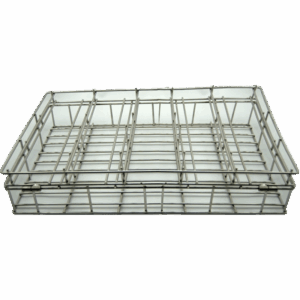
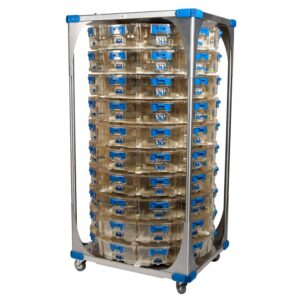
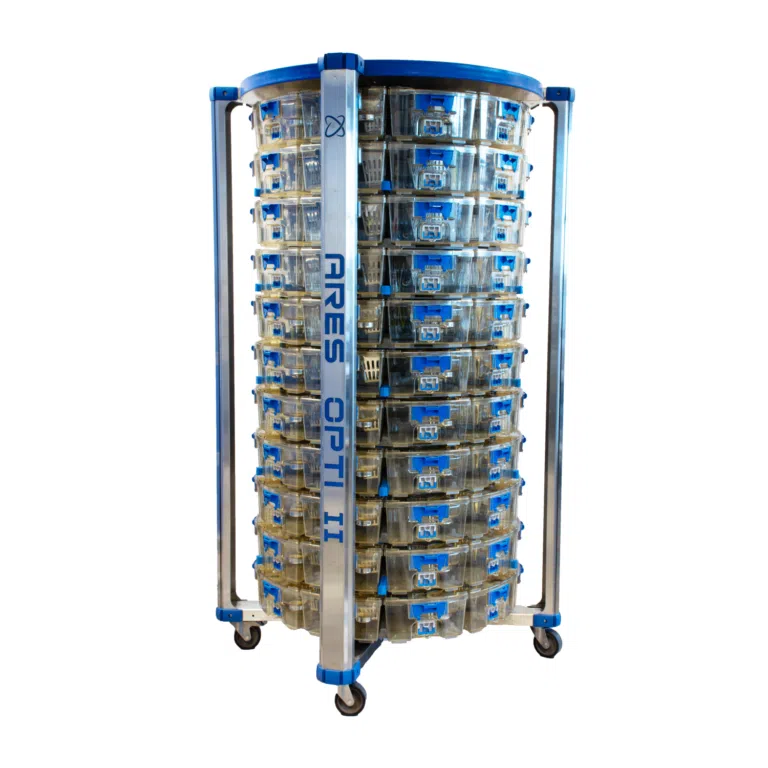
Animal Care Systems Optimice Rack
Quote• Ultra-high density
• Fits through standard 36-inch (91 cm) door with cages removed
• Small footprint
• Complete bio-containment and isolation
• Also suitable for invertebrates
• Available single-use caging, interchangeable wit…

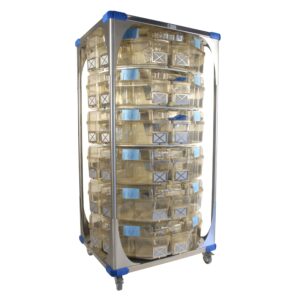
Animal Care Systems Optirat Plus Rack
Quote• Large, multi-level cages; increased height and floor space
• Mezzanine adds complexity and more living space
• Ultra-high density
• Large enough to house rats, hamsters, gerbils, guinea pigs, deer mice, and wild-caught rodents •…

Animal Care Systems Optirat GenII Rack
Quote• Ultra-high density
• Large enough to house rats, hamsters, gerbils, deer mice, and wild-caught rodents
• Also suitable for invertebrates
• Integrated cage card holder
• Flat-bottom cage bases
• Fits through standard 36″ door w…
How we support the vivarium industry
Helping our clients succeed is our primary concern. In addition to helping select the proper laboratory equipment for scientific applications, we support our clients with facility layout, coordination and training.
Facility Analysis
ARES Representatives will schedule an in-person evaluation of your facility, take detailed measurements to ensure that equipment will fit in the desired locations and advise on utility requirements. We will also help perform layouts of equipment in your rooms to ensure that housing density, animal welfare and technician safety are maximized. In cage wash areas, we conduct a detailed throughput analysis to ensure that ensure that your facility runs at maximum efficiency. Since HVAC is an important part of every facility’s operation we work closely with facilities/engineering personnel to find solutions to optimize air quality.
Cost Analysis
We interface with architects, engineers, and contractors during facility design and construction to help ensure that the correct utilities are supplied for the equipment. Because ARES has relationships with many vivarium equipment manufacturers, we are able to seamlessly interface between companies to provide facilities with fully integrated solutions for optimizing operational efficiencies.
Coordination and Support
ARES recognizes that coordinating seamless delivery and installation of new equipment into your vivarium is critical to minimizing operational downtime and meeting inspection timelines. Our specialists interface with many local service providers and your project management team to help coordinate delivery, installation and testing of the equipment that we sell. Our network consists of independent certifiers and service companies that can assist with ongoing support and proper maintenance of your equipment investments.
Training
Our local ARES specialists offer training services for your staff on the equipment operation and use. We pride ourselves in being knowledgeable about the vivarium requirements and in our ability to support clients with our long-term relationships with the highest quality manufacturing and service companies in the field.
Product Selection
ARES specialists work closely with vivarium Directors, Managers, Supervisors and Technicians to help select and configure the appropriate products for their needs. When selecting rodent caging, we will ask questions about cage materials such as polycarbonate and polysulfone to ensure compatibility with wash and sterilization processes. For investigators doing studies with cannulas that require wire obstructions to be removed from the cage or metabolic studies that need controlled temperature housing, we navigate our customers through options that will enhance welfare, reduce research variables and create space and productivity efficiencies.
Manufacturing Partners
Elite Partners







Portfolio Partners