
CO2 Incubator Orbital Shakers
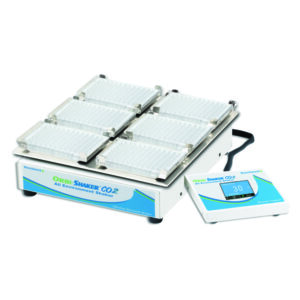
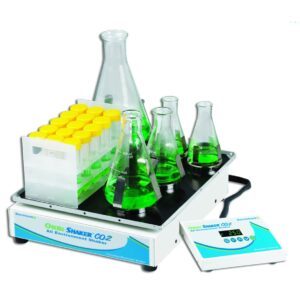
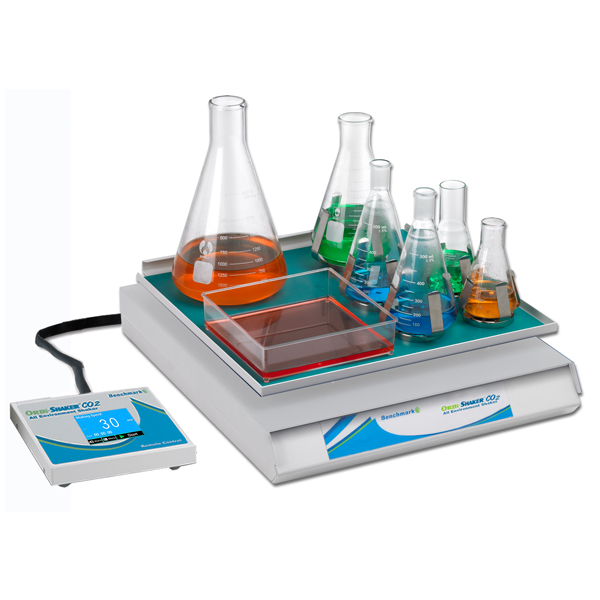
Benchmark Orbi-Shaker™ CO2 with remote controller and rubber mat platform (13×12″)
$3,379.67• Designed to fit and maximize capacity in most CO2 incubators
• Remote control, adjust without disrupting the CO2 Environment
• Horizontally circular 19mm orbit for aeration & mixing
• Instantly exchange flask clamps with MAGic Clampâ„...
Other Orbital Shakers Products
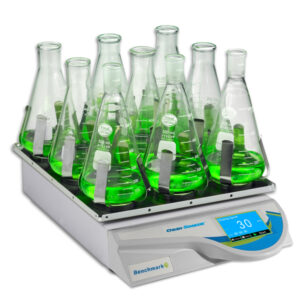
Benchmark Orbi-Shaker Touch Screen Orbital Shaker with Rubber Mat Platform 13″ x 12″ (BT3001)
$1,656.42
Product Highlights
Touch screen orbital shaker for streamlined control: Easy-to-use touch screen interface for repeatable control of speed and run time.
High-capacity benchtop platform shak...
Add to cart
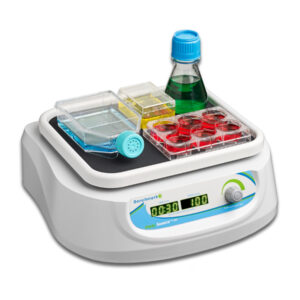
Benchmark Orbi-Shaker Jr Mini Orbital Shaker with Non-Slip Rubber Mat Platform (BT302)
$1,087.07Product Highlights
Small shaker for crowded benches: Compact footprint for low-to-medium capacity mixing where a full-size platform shaker won’t fit.
Mini orbital shaker for flasks, Petri d...
Add to cart
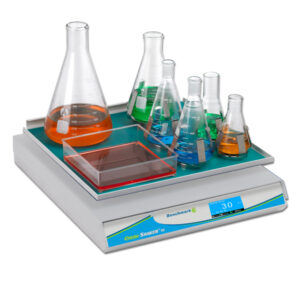

Ohaus Heavy Duty Orbital Shaker SHHD6825DG
Quote• Ready for your lab - all models include a tray and rubber mat and can be customized with over 70 accessory options.
• Rely on the digital shakers’ exclusive Accu-Drive shaking system for exceptional speed control, accuracy and durability. All...

Ohaus Heavy Duty Orbital Shaker SHHD6850DG
Quote• Ready for your lab - all models include a tray and rubber mat and can be customized with over 70 accessory options.
• Rely on the digital shakers’ exclusive Accu-Drive shaking system for exceptional speed control, accuracy and durability. All...

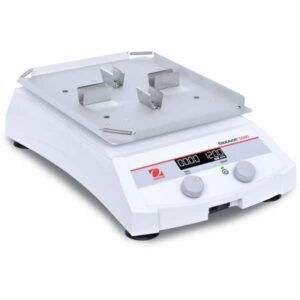
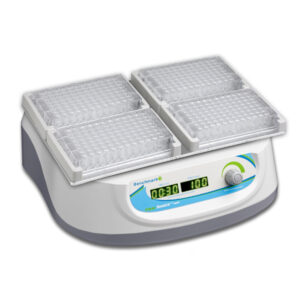
Ohaus Endeavor 5000 Series e-E51LDMP03 AM Light Duty Microplate Shaker
Quote
Speed range of 100 to 1,200 RPM with an orbital motion of 3 mm.
Can hold up to 4 microplates or 2 microtube racks.
Features a triple eccentric drive for stable shaking and a maintenance-free brushless DC motor.
...
Add to Quote

Ohaus Heavy Duty Orbital Shaker SHHD1619AL
Quote• Ready for your lab - all models include a tray and rubber mat and can be customized with over 70 accessory options.
• Rely on the digital shakers’ exclusive Accu-Drive shaking system for exceptional speed control, accuracy and durability. All...

Ohaus Heavy Duty Orbital Shaker SHHD1619DG
Quote• Ready for your lab - all models include a tray and rubber mat and can be customized with over 70 accessory options.
• Rely on the digital shakers’ exclusive Accu-Drive shaking system for exceptional speed control, accuracy and durability. All...

Ohaus Heavy Duty Orbital Shaker SHHD2325AL
Quote• Ready for your lab - all models include a tray and rubber mat and can be customized with over 70 accessory options.
• Rely on the digital shakers’ exclusive Accu-Drive shaking system for exceptional speed control, accuracy and durability. All...

Ohaus Heavy Duty Orbital Shaker SHHD2325DG
Quote• Ready for your lab - all models include a tray and rubber mat and can be customized with over 70 accessory options.
• Rely on the digital shakers’ exclusive Accu-Drive shaking system for exceptional speed control, accuracy and durability. All...

Ohaus Heavy Duty Orbital Shaker SHHD4525DG
Quote• Ready for your lab - all models include a tray and rubber mat and can be customized with over 70 accessory options.
• Rely on the digital shakers’ exclusive Accu-Drive shaking system for exceptional speed control, accuracy and durability. All...

Ohaus Heavy Duty Orbital Shaker SHHD4550DG
Quote• Ready for your lab - all models include a tray and rubber mat and can be customized with over 70 accessory options.
• Rely on the digital shakers’ exclusive Accu-Drive shaking system for exceptional speed control, accuracy and durability. All...