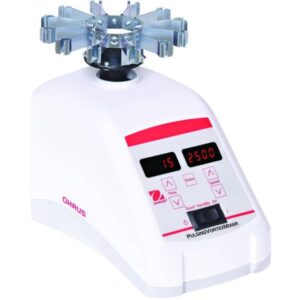
Laboratory Vortex Mixers & Shakers
ARES Scientific supplies research-grade
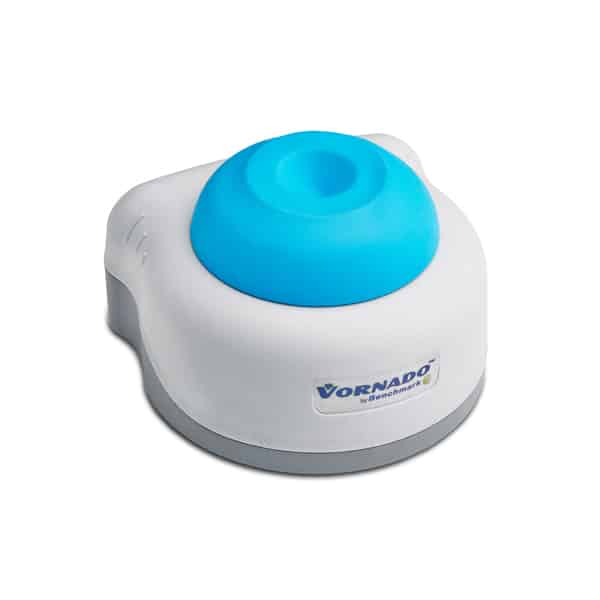
laboratory vortex mixers
engineered for rapid, uniform mixing of tubes, microtubes, PCR strips, cryovials, and small-volume samples.
Whether you work in a clinical diagnostic lab, molecular biology core, pharmaceutical facility, or vivarium research
environment, our
benchtop vortex mixers
provide consistent agitation, variable-speed control, and dependable performance for daily sample preparation as part of our broader
benchtop instruments
portfolio.
Vortex mixers support essential workflows including pellet resuspension, reagent preparation, enzyme reactions,
nucleic acid protocols, and assay development. They integrate seamlessly into processes involving
microplate readers
and
automated cell counters,
and pair well with complementary equipment such as
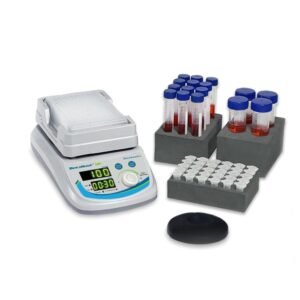
orbital and platform shakers
and
tube rotators and laboratory mixers,
helping labs improve efficiency and repeatability in sample handling and analysis.
Common Applications for Laboratory Vortex Mixers
Laboratory vortex mixers are used across cell culture labs,
molecular biology workflows, clinical diagnostics,
biotech research, and vivarium facilities. Typical applications include:
- Pellet resuspension after centrifugation
- Nucleic acid extraction (DNA/RNA workflows)
- Protein and enzyme preparation
- Small-volume homogenization
- Reagent mixing and buffer preparation
- ELISA and assay development
- Microbiology & tissue culture sample mixing alongside
laboratory incubators
and
water baths
Types of Vortex Mixers We Offer
- Analog Vortex Mixers: Simple dial-based variable speed for everyday workflows.
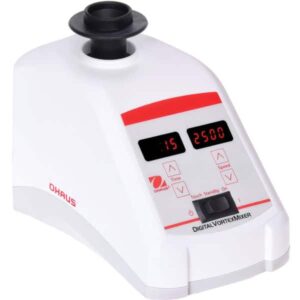
- Digital Vortex Mixers: Precise RPM control, timers, and reproducibility for protocol-driven labs.
- Fixed-Speed Vortex Mixers: High-speed, single-mode mixing for quick resuspension tasks.
- Variable-Speed Mixers: Adjustable RPM for sensitive or high-intensity vortexing.
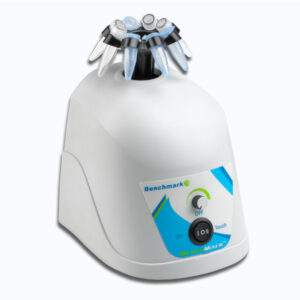
- Multi-Tube Vortexers: Mix several tubes simultaneously for higher throughput.
Why Choose ARES for Vortexing Equipment?
- High-Performance Mixing: Supports everything from gentle agitation to aggressive vortexing for tubes, microplates, and small vessels, and complements our
laboratory shakers
and
tube rotators.
- Durable, Lab-Grade Construction: Built for long-term stability, quiet operation, and reliability in demanding research environments.
- Versatile Attachments: Interchangeable cup heads, microplate platforms, and multi-tube adapters expand application flexibility.
- User-Friendly Operation: Touch-activated or continuous modes streamline repetitive mixing workflows.
Additional Sample Preparation Tools
For complementary instruments used alongside vortex mixers, explore our
laboratory microcentrifuges
and other
benchtop instruments
designed for efficient workflow integration, including
dry baths and block heaters
and
water baths.
Vortex Mixer FAQ
What is a vortex mixer used for?
A vortex mixer rapidly agitates liquid samples in tubes, microtubes, or vials to resuspend pellets, mix reagents, or homogenize small volumes. It is a core tool in workflows that also rely on
microcentrifuges
and
laboratory shakers.
What is the difference between analog and digital vortex mixers?
Analog mixers use a dial for variable speed control, while digital models offer precise RPM settings, timers, and enhanced reproducibility for protocol-driven laboratories.
Can vortex mixers handle 15 mL and 50 mL conical tubes?
Yes. Many vortex mixers support optional cup heads or tube platforms that accommodate 15 mL and 50 mL tubes, and can be paired with
tube rotators and laboratory mixers
for end-over-end mixing when required.
Are vortex mixers compatible with microplates?
Yes. Many models include microplate platforms or adapters for uniform plate-based mixing and can be integrated into workflows with
microplate readers.
What speed range do vortex mixers typically offer?
Most laboratory vortex mixers operate between approximately 200 and 3,200 RPM, with variable-speed models supporting gentle to vigorous vortexing depending on the application.
What is the difference between touch mode and continuous mode?
Touch mode activates mixing only when the tube is in contact with the cup head; continuous mode keeps the mixer running hands-free for higher-throughput or repetitive workflows.
Can vortex mixers be used inside biosafety cabinets?
Yes. Compact vortex mixers are frequently used inside
biosafety cabinets
for sterile sample preparation where containment and aseptic technique are required.
Do vortex mixers require maintenance?
Maintenance is minimal—typically limited to cleaning the unit, checking attachments, and inspecting wear surfaces according to your lab’s preventive maintenance schedule.
Can a vortex mixer mix multiple tubes at the same time?
Yes. Multi-tube platforms allow simultaneous mixing for higher throughput workflows and can complement
tube rotators
in more complex sample preparation protocols.
How do I choose the right vortex mixer?
Consider vessel compatibility, speed range, analog vs. digital control, available attachments, and whether you require touch or continuous mixing mode. You may also want to ensure the unit integrates well with your other
benchtop instruments
and supports operation inside biosafety cabinets or incubators as needed.