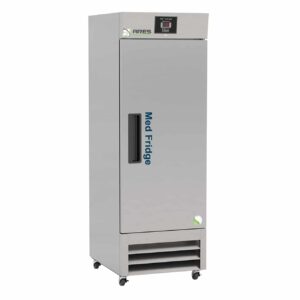
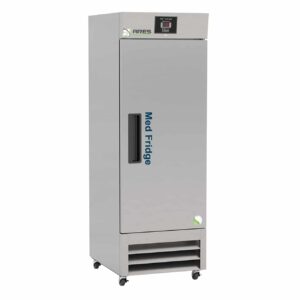
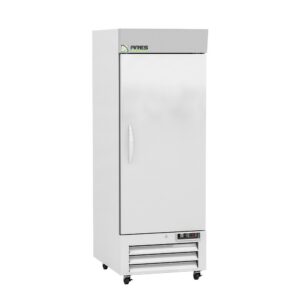
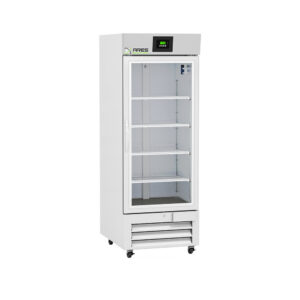
Blood bank equipment covers every instrument, storage system, and environmental control platform required to safely collect, process, store, and release blood components for transfusion. ARES Scientific supplies blood bank and transfusion service facilities with a comprehensive portfolio of laboratory cold storage, centrifugation and component processing instruments, clean air systems, and continuous environmental monitoring systems engineered to meet AABB, FDA 21 CFR Part 606, and CAP accreditation requirements. The ARES Cool proprietary cold storage line provides blood banks and hospital transfusion services with purpose-built refrigerators and freezers across the full storage temperature spectrum — from 1°C–6°C whole blood and red blood cell storage through −80°C rare unit and long-term plasma archival. For workflow-based guidance on equipping a transfusion service or community blood center, visit the blood bank industry page.
Blood Collection and Component Processing Equipment
Biological Safety Cabinets and Clean Processing Environments
Component processing, serology testing, and infectious disease screening in blood bank laboratories require contained work environments that protect both personnel and product. NSF/ANSI 49-certified biological safety cabinets provide the HEPA-filtered, inward-airflow protection required when handling open blood components, pathogen-reactive samples, and viral marker testing reagents. Class II A2 biological safety cabinets are the standard configuration for AABB-accredited blood bank laboratories, providing personnel, product, and environmental protection at inflow velocities of 0.38–0.53 m/s through HEPA-filtered supply and exhaust air. Key containment considerations for blood bank environments include:
- Class II A2 BSCs for open component manipulation, serology reagent preparation, and infectious disease testing workflows
- NSF/ANSI 49 certification required for equipment used in CAP-accredited and AABB-accredited transfusion service laboratories
- Cabinet size selection (4-foot vs. 6-foot) based on concurrent workflow tasks and available bench space in the blood bank
- Exhaust configuration — thimble-connected A2 cabinets provide additional chemical protection where reagent vapors are a concern
- Annual NSF/ANSI 49 recertification required for regulatory compliance documentation in CAP and AABB audits
Browse the full range of clean air and containment equipment available through ARES Scientific, including laminar flow clean benches for non-biological product protection workflows.
Centrifuges for Blood Component Separation
Whole blood centrifugation is the primary method for separating blood into its clinically useful components — red blood cells, platelet-rich plasma, platelet concentrate, and fresh frozen plasma. Centrifuge selection for blood banking depends on rotor capacity, RCF range, temperature control capability, and regulatory validation requirements. Centrifuges used in component processing typically operate at 1,000–5,000 × g depending on whether hard or soft spin protocols are in use; refrigerated centrifuges maintaining 4°C chamber temperature are required for platelet-poor plasma preparation and for red blood cell washing protocols where temperature sensitivity is critical. The broader benchtop instruments catalog includes additional processing support platforms:
- Refrigerated centrifuges: 4°C chamber temperature, interchangeable rotors for 50–250 mL blood bags and conical tubes, validated spin protocols for component separation
- Universal centrifuges: multi-adapter rotors accommodating standard blood collection tubes (3–50 mL) for serology, crossmatch, and type-and-screen workflows
- Microcentrifuges: for gel card centrifugation in blood group serology and antibody identification testing at 100–21,000 × g
- Serological water baths: precise 37°C incubation for antibody screening, crossmatch testing, and enzyme technique panels
- Vortex mixers and tube rockers for reagent preparation, antibody elution, and cell suspension homogenization
Blood Bank Cold Storage Equipment and Temperature Requirements
Blood Bank Refrigerators for Whole Blood and Red Blood Cell Storage
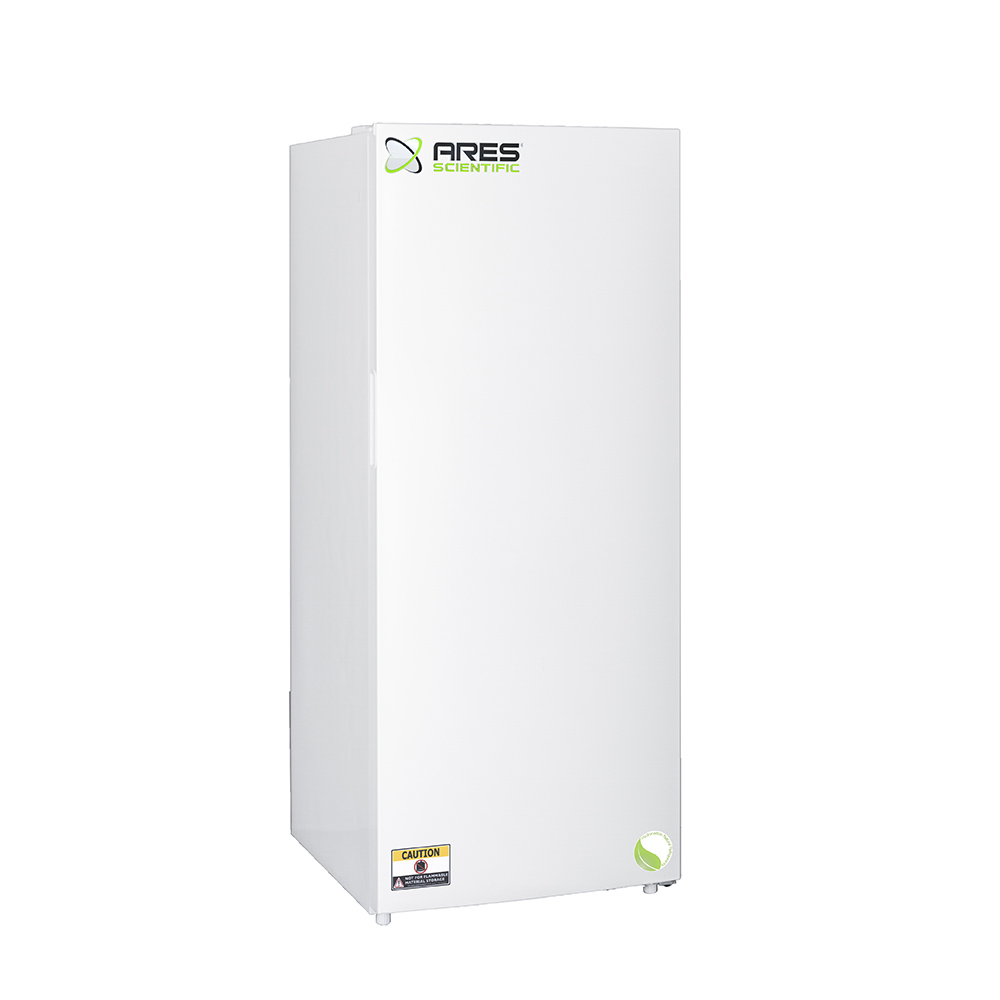
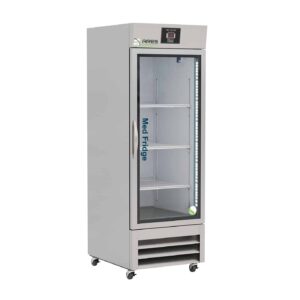
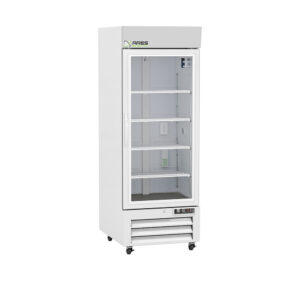
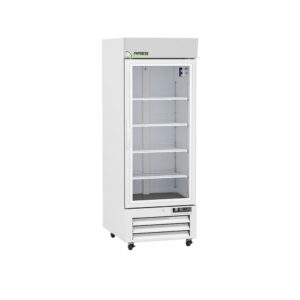
AABB Standards and FDA 21 CFR Part 606.122 mandate that whole blood and red blood cell components be stored at 1°C–6°C in dedicated blood bank refrigerators equipped with continuous temperature monitoring and audible alarms. General-purpose laboratory or household refrigerators do not meet these requirements. ARES Cool laboratory refrigerators are engineered with microprocessor temperature control, forced-air circulation for ±1°C uniformity across all shelf positions, temperature monitoring device (TMD) ports, and high/low temperature alarm systems with battery backup. Both upright laboratory refrigerators and undercounter refrigerators are available for blood bank installations requiring flexible footprints. Critical blood bank refrigerator specifications include:
- Temperature range: 1°C–6°C continuous with ±1°C uniformity across all internal positions — verified by temperature mapping studies at installation
- Continuous temperature monitoring with TMD port, chart recorder compatibility, or direct LIS/data logger interface
- Audible and visual high/low temperature alarms with documented alarm response procedures required by AABB and CAP
- Glass door configurations preferred in blood bank applications for visual inventory inspection without temperature disruption
- Capacity sizing: calculate units/day throughput × maximum storage inventory to determine required interior volume with 20% growth margin
- Dedicated blood bank use only — AABB prohibits storage of blood components in refrigerators used for other purposes
Plasma Freezers, ULT Freezers, and Cryogenic Storage
Fresh frozen plasma (FFP) and cryoprecipitate require storage at ≤−18°C, with optimal preservation achieved at −30°C or below per AABB Standards. Laboratory freezers serving blood bank applications must maintain consistent temperatures under routine door-opening conditions and include validated alarm systems with documented response protocols. Upright laboratory freezers provide the shelf access and capacity suitable for high-volume plasma inventories in community blood centers, while ULT freezers operating at −65°C to −86°C serve rare blood unit archival, long-term plasma storage, and research biobanking workflows. For facilities requiring both refrigerated and frozen storage in a compact footprint, refrigerator and freezer combo units from the ARES Cool line offer dual-zone storage at −20°C, −30°C, or −40°C freeze compartments paired with 2°C–8°C refrigerator sections. Cryogenic and long-term storage options include:
- −20°C upright freezers: standard FFP storage at ≤−18°C; manual defrost required for long-term plasma preservation to avoid freeze-thaw cycling
- −30°C and −40°C combo units: enhanced plasma preservation with improved protein stability versus standard −18°C to −20°C storage
- ULT freezers (−80°C to −86°C): rare blood unit archival, frozen deglycerolized red cells, and long-term clinical research specimen storage
- Liquid nitrogen storage: −196°C cryogenic preservation for rare phenotype red cell reference panels and hematopoietic progenitor cell (HPC) products
- Combo units: space-efficient dual-temperature storage for smaller hospital blood banks with limited floor space
Blood Bank Quality Control, Monitoring, and Compliance Equipment
Environmental Monitoring and Temperature Logging
Continuous temperature monitoring is a non-negotiable compliance requirement in AABB-accredited and CAP-inspected blood banks — not an optional upgrade. FDA 21 CFR Part 606.122(g) requires that blood storage equipment be equipped with temperature recording devices, and AABB Standards require documented alarm response procedures, equipment maintenance logs, and temperature out-of-range investigation records. Temperature and humidity monitoring systems from ARES Scientific provide continuous data logging with user-defined alarm thresholds, enabling real-time notification of temperature excursions before blood component viability is compromised. Key monitoring requirements and equipment include:
- Continuous temperature recording required for all blood storage refrigerators, freezers, and platelet storage equipment under AABB Standards and FDA 21 CFR 606
- Alarm systems must be tested at defined intervals and documented — calibration certificates required for CAP and AABB inspection
- Data loggers with 21 CFR Part 11-compliant audit trails support electronic record requirements in regulated blood bank environments
- Wireless monitoring systems enable centralized oversight of multiple storage units across a facility or multi-site blood center network
- Temperature mapping studies at installation verify uniform temperature distribution within each storage unit and are required for IQ/OQ validation documentation
Platelet Incubation, Agitation, and Serological Testing Equipment
Platelets require storage at 20°C–24°C with continuous gentle agitation to maintain viability and prevent aggregation — conditions distinct from every other blood component. Platelet incubators with integrated agitators maintain the required temperature band while providing the horizontal or elliptical agitation pattern needed to prevent platelet activation. Beyond platelet storage, blood bank QC and serological testing workflows depend on water baths held precisely at 37°C for antibody screening and crossmatch incubation, rockers and tube rotators for cell suspension preparation and gel card workflows, and centrifuges calibrated to specific RCF × time combinations for gel technology and tube technique serology. Supporting QC equipment includes:
- Water baths: 37°C ± 0.5°C for enzyme panels, antibody elution, and crossmatch incubation; validated temperature accuracy required for CAP compliance
- Rockers and tube rotators: 3D platform rocking for gel card workflows, antibody identification panels, and direct antiglobulin tests (DAT)
- Refrigerated centrifuges: validated spin protocols (e.g., 900–1,000 × g for gel card centrifugation) with documented RCF calibration
- Vortex mixers: red cell suspension preparation for tube technique serology at controlled speeds that avoid hemolysis
- Optical readers and microplate readers for automated serological testing platforms in high-volume transfusion services
Selecting Blood Bank Equipment: Regulatory Alignment and Procurement Considerations
Matching Equipment to AABB, FDA, and CAP Requirements
Blood bank equipment procurement carries compliance implications that general laboratory purchasing does not. Every storage unit in an AABB-accredited or CAP-inspected blood bank must be validated, temperature-mapped, and enrolled in a continuous monitoring program with documented alarm response procedures. The most common compliance gaps identified during blood bank inspections involve three equipment failures: use of non-dedicated refrigerators for blood storage, absence of continuous temperature recording (chart recorders or electronic loggers), and inadequate alarm systems without documented response time requirements. Selecting purpose-built blood bank refrigerators and freezers from the outset eliminates these risks. Key procurement checkpoints include:
- Confirm dedicated blood bank design — storage units used for blood components must not be shared with medications, reagents, or food
- Verify TMD port or integrated data logger compatibility before purchase — retrofitting monitoring capability after installation adds cost and validation complexity
- Specify manual defrost freezers for plasma storage — automatic defrost cycles cause temperature fluctuations that degrade plasma protein integrity over time
- Request IQ/OQ documentation packages at time of order — temperature mapping data and calibration certificates are required for AABB and CAP initial accreditation surveys
- Evaluate alarm notification method: local audible/visual alarms are a minimum; networked or remote notification is best practice for after-hours coverage
Post-Processing Decontamination and Facility Support Equipment
Blood bank operations generate regulated medical waste and require validated decontamination protocols for work surfaces, centrifuge rotors, and processing equipment that contact blood or blood-derived materials. OSHA 29 CFR 1910.1030 (Bloodborne Pathogens Standard) mandates documented decontamination procedures for all surfaces and equipment that contact potentially infectious materials. Decontamination systems and washers and dryers support the post-processing cycle for reusable blood bank equipment and glassware. For complete blood bank and transfusion service equipment specifications, contact ARES Scientific at 720-283-0177 ext. 2 or review the laboratory equipment catalog for broader scientific equipment coverage across research and clinical applications.