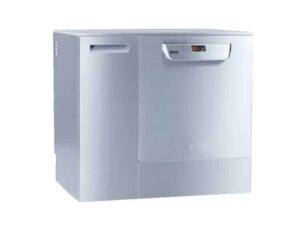
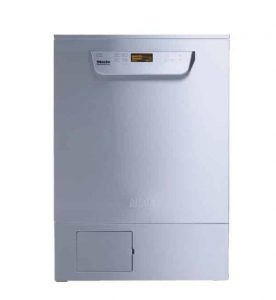
Space-Saving Undercounter Laboratory Washers for Efficient Glassware Cleaning
Maximize valuable bench space without compromising cleaning performance. Undercounter laboratory washers deliver professional-grade glassware cleaning in a compact footprint designed to integrate seamlessly beneath standard laboratory casework. These space-efficient systems provide the same advanced washing technology found in larger units while fitting into tight laboratory layouts where every square foot counts.
For research facilities, teaching laboratories, and clinical environments with limited floor space, under counter glassware washers represent the optimal solution. Modern compact lab washers process 60-128 pieces per cycle through multi-level injection washing systems that deliver superior coverage for both narrow-neck and wide-mouth vessels. With chamber volumes typically ranging from 150-180 liters, these underbench washers handle daily processing demands without requiring dedicated equipment rooms or consuming precious laboratory real estate. Popular undercounter models include the Steelco LAB 500 Series and the Miele PG and PLW series, including the Miele PG 8504, PG 8593, and PLW 8505.
Unlike residential dishwashers that lack the temperature control and chemical compatibility required for laboratory applications, professional glassware washers meet stringent cleanliness standards through programmable cycles, HEPA-filtered drying, and validated cleaning processes. For facilities requiring greater throughput, explore our large capacity laboratory washers that offer expanded chamber volumes and multi-level configurations.
Why Under Counter Design Optimizes Laboratory Workflows
Space constraints challenge laboratory planners across academic, clinical, and industrial settings. Undercounter laboratory glassware washers solve this fundamental problem by utilizing vertical space beneath benchtops that would otherwise remain empty. Standard 24-inch width and 34-inch height dimensions mirror typical cabinet specifications, enabling installation into existing casework without facility modifications or costly renovations.
This integrated design approach delivers multiple operational advantages. Loading and unloading occurs at ergonomic working height, reducing strain and improving efficiency compared to floor-level or elevated systems. Drop-down doors provide clear access to upper and lower racks, while telescopic runners allow full rack extension for convenient item placement. Many models accommodate the same rack systems used in freestanding units, facilitating future capacity expansion without replacing accessories.
Modern compact laboratory washers incorporate variable-speed circulation pumps that automatically adjust water flow and pressure based on cycle requirements. This intelligent approach reduces resource consumption while maintaining excellent cleaning results. Pre-programmed cycles optimize temperature, duration, and chemical dosing for specific applications—from gentle washing of delicate plasticware to high-temperature disinfection of contaminated items. Advanced models offer 20-40 customizable programs that accommodate diverse laboratory needs.
Understanding Injection Washing Technology
The distinction between basic spray washing and professional injection systems defines performance capabilities. Undercounter lab washers feature direct injection nozzles that insert into narrow-neck glassware, directing pressurized water streams throughout interior surfaces. This targeted approach ensures thorough cleaning of volumetric flasks, burettes, pipettes, and other precision glassware where residue removal proves critical for accurate results.
Two-level injection washing represents standard configuration in quality underbench systems. Upper and lower racks connect independently to the hydraulic circuit, each receiving dedicated water supply at controlled pressure and temperature. Combined with overhead spray arms that address exterior surfaces, this dual-path approach provides comprehensive coverage regardless of vessel geometry or loading configuration. Some premium models incorporate separate drain and wash pumps that prevent contamination and enhance cleaning consistency.
Chemical management systems ensure proper detergent dosing throughout wash cycles. Peristaltic pumps deliver precise quantities of alkaline cleaners and acid neutralizers based on programmable parameters, eliminating manual handling and reducing chemical waste. For laboratories using deionized water, optional conductivity sensors monitor final rinse quality and automatically extend cycles until specifications are met—critical for trace analysis and sensitive applications.
Selecting the Right Capacity for Your Laboratory
Determining appropriate washer capacity requires honest assessment of daily processing volumes and peak demand periods. Laboratories processing 50-100 pieces daily find entry-level undercounter models sufficient for routine operations. These systems typically handle 60-75 narrow-neck items or 100+ standard beakers per cycle, completing processing in 60-90 minutes depending on soil level and temperature requirements.
Mid-range compact washers accommodate 100-150 items per cycle through optimized chamber design and flexible rack configurations. These units prove ideal for teaching laboratories, quality control departments, and research groups supporting multiple investigators. Higher processing demands—exceeding 150 pieces daily or requiring specialized vessel sizes—may necessitate larger undercounter models or consideration of freestanding alternatives.
Chamber volume directly impacts versatility and loading flexibility. Models offering 150-170 liters provide adequate space for standard laboratory glassware while maintaining compact dimensions. Units approaching 180 liters accommodate larger vessels including 2-liter beakers and medium-sized carboys, though height limitations may restrict extremely tall items. Always verify internal dimensions and rack specifications against your specific glassware inventory to prevent compatibility issues.
Installation and Infrastructure Requirements
Successful undercounter washer installation depends on proper infrastructure preparation. Electrical requirements vary by model and heating method—standard configurations include 115V single-phase and 208V options, with some European designs requiring 240V service. Steam-heated models demand adequate steam supply at specified pressure, while electrically-heated units require appropriately rated circuits and overcurrent protection.
Water supply specifications merit careful attention. Most compact lab washers require hot water inlet (minimum 140°F/60°C for optimal performance), cold water connection, and adequate supply pressure (typically 20-60 PSI). Laboratories using deionized water for final rinse must ensure sufficient pressure, as low-pressure DI systems may require booster pumps for proper function. Optional water softeners protect equipment and improve cleaning results in hard water areas.
Drainage infrastructure represents a frequently overlooked consideration. Under counter washers discharge substantial water volumes during drain cycles, necessitating proper drain line sizing and slope. Most installations require 1.5-inch minimum drain diameter with adequate air gap or backflow prevention. Floor drain capacity should accommodate peak discharge rates to prevent overflow during simultaneous equipment operation. Consult our comprehensive guide on how to clean laboratory glassware for complete system integration recommendations.
Drying Systems and Performance Optimization
Effective drying separates professional laboratory washers from basic cleaning equipment. Moisture retention leads to contamination, spotting, and compromised experimental results—particularly problematic for narrow-neck glassware where passive air drying proves inadequate. Modern undercounter systems incorporate forced-air drying technology that accelerates moisture removal while preventing recontamination.
HEPA-filtered hot air drying represents the gold standard for laboratory applications. These systems draw ambient air through HEPA 14 filters before heating and circulating it throughout the chamber. Dual drying paths—delivering heated air through both chamber outlets and injector nozzles—ensure complete moisture removal from interior and exterior surfaces. Adjustable temperature and duration settings accommodate heat-sensitive plasticware while providing thorough drying for standard borosilicate glass.
Chamber drying and EcoDry systems offer alternative approaches with different performance characteristics. Standard chamber drying relies on residual heat and natural convection, requiring longer cycle times and potentially leaving moisture in complex geometries. EcoDry technology enhances passive drying through optimized air circulation and extended holding periods, representing a middle ground between basic and forced-air systems. Select drying method based on glassware types, throughput requirements, and budget constraints.
Maintenance and Long-Term Performance
Proactive maintenance protects equipment investment and ensures consistent cleaning results. Daily tasks include removing debris from chamber and drain filters, inspecting door seals for damage or residue buildup, and verifying proper chemical supply levels. Weekly maintenance extends to spray arm inspection, rack condition assessment, and verification of drain line flow.
Monthly procedures address deeper system health. Clean circulation pump filters, inspect chemical dosing lines for blockages or crystallization, and verify temperature accuracy using calibrated thermometers. Descaling cycles remove mineral buildup in hard water areas, protecting heating elements and maintaining heat transfer efficiency. Many manufacturers provide detailed maintenance schedules with model-specific procedures—following these recommendations significantly extends equipment lifespan.
Performance verification through periodic testing maintains confidence in cleaning efficacy. Simple protocols including visual inspection, water break tests, and occasional residue analysis confirm systems continue meeting specifications. For critical applications, implementing quarterly validation with documented results demonstrates ongoing process control and supports regulatory compliance. Review our article on laboratory glassware washer maintenance for comprehensive preventative care strategies.
Advanced Features Enhancing Laboratory Efficiency
Modern undercounter laboratory washers incorporate sophisticated control systems that simplify operation while enabling process documentation. Microprocessor controllers with digital displays offer intuitive interfaces for cycle selection, parameter adjustment, and status monitoring. Color touchscreens on premium models provide graphical program representation, making complex operations accessible to all staff skill levels.
Programmable cycle libraries accommodate diverse washing requirements through customizable parameters. Entry-level models typically offer 5-10 preset programs with limited modification capability, while advanced units provide 40+ programs with complete parameter control including temperature, duration, chemical dosing, and rinse sequences. This flexibility proves invaluable when processing multiple glassware types or adjusting protocols for specific contamination scenarios.
Data logging and process validation capabilities support quality management systems and regulatory compliance. Units equipped with RS-232 or USB connectivity export cycle data including temperature profiles, duration records, and chemical dosing information. This documentation demonstrates process control during audits and facilitates troubleshooting when results deviate from expectations. Some models support 21 CFR Part 11 compliance features including electronic signatures and audit trails—essential for pharmaceutical and clinical laboratories.
Chemical Selection and Optimization
Proper detergent selection dramatically impacts cleaning performance and equipment longevity. Laboratory glassware washers require specialized alkaline cleaners formulated for high-temperature use and compatibility with diverse contaminants including biological residues, organic solvents, and mineral deposits. Avoid residential dishwasher detergents that lack chemical compatibility testing and may damage washer components or leave unacceptable residues.
Alkaline detergents provide primary cleaning action through saponification and emulsification of organic contaminants. Phosphate-based formulations offer excellent cleaning power but face environmental restrictions in some jurisdictions. Phosphate-free alternatives using enzymes and surfactants deliver comparable results with reduced environmental impact. Acid neutralizers in the final rinse remove alkaline residues and prevent spotting, critical for trace analysis applications.
Powder versus liquid detergent selection involves trade-offs between cost, convenience, and performance. Powder detergents typically cost less per wash cycle but require proper dissolution and may leave residues if dosing errors occur. Liquid formulations provide precise dosing through automated pumping systems, eliminate dissolution concerns, and simplify inventory management through integrated storage. For detailed chemical recommendations, consult our comprehensive guide to laboratory glassware washer detergents.
Cost Analysis and Return on Investment
Undercounter laboratory washers represent significant capital expenditures, yet their long-term value extends beyond equipment cost. Automated washing eliminates labor expenses associated with manual cleaning—conservatively estimated at 2-4 hours daily for laboratories processing 100+ items. At prevailing technician wages, annual labor savings alone often justify equipment investment within 18-24 months.
Resource efficiency improvements enhance economic benefits. Modern compact washers consume 3-6 gallons of water per cycle compared to 10-15 gallons for manual washing, reducing annual water and sewer costs by 60-70%. Energy-efficient heating systems and insulated chambers minimize electrical consumption while delay-start features enable operation during off-peak utility periods. Variable-speed pumps reduce electricity usage by 30-40% compared to fixed-speed designs.
Indirect benefits including improved safety, consistency, and documentation add substantial value. Eliminating manual exposure to hazardous residues and aggressive cleaning chemicals reduces worker compensation claims and chemical disposal costs. Validated automated cycles deliver reproducible results that prevent experimental failures from contaminated glassware—potentially saving thousands in reagent costs and researcher time. For facilities evaluating equipment options, total cost of ownership analysis should include these often-overlooked factors.
Sustainability and Environmental Considerations
Laboratory sustainability initiatives increasingly focus on equipment efficiency and resource consumption. Undercounter washers contribute to environmental goals through multiple pathways. Reduced water usage directly decreases wastewater generation and treatment requirements—particularly significant for facilities discharging to municipal systems with volume-based fees. Energy-efficient heating and pumping systems lower electrical consumption and associated carbon emissions.
Chemical management optimization reduces environmental impact while improving safety. Automated dosing systems deliver precise detergent quantities based on actual requirements, eliminating the overuse common with manual mixing. Concentrated formulations minimize packaging waste and transportation emissions compared to dilute ready-to-use products. Selecting phosphate-free detergents where appropriate supports water quality protection in sensitive watersheds.
Equipment longevity represents an often-overlooked sustainability factor. Quality undercounter laboratory washers provide 12-15 years of reliable service with proper maintenance, avoiding the environmental burden of premature replacement. Stainless steel construction enables recycling at end-of-life, recovering valuable materials rather than contributing to landfill waste. When evaluating equipment options, consider lifecycle environmental impact alongside upfront costs.
Integration with Laboratory Systems
Undercounter washers function most effectively as components within integrated laboratory workflows. Coordinating equipment placement with material handling systems streamlines glassware processing and reduces handling time. Position washers near collection points for dirty glassware and adjacent to glassware dryers or storage areas for efficient post-wash distribution.
Rack compatibility facilitates seamless integration with other laboratory equipment. Many manufacturers design rack systems that interchange between undercounter models, freestanding washers, and drying cabinets. This standardization eliminates repacking between processing steps and enables economical capacity expansion by utilizing existing accessories with new equipment. Verify rack compatibility when specifying washers to maximize operational flexibility and minimize accessory costs.
Laboratory information management system (LIMS) integration supports advanced tracking and quality control. Some undercounter washers offer network connectivity that enables cycle data export to central databases. This integration facilitates automated record-keeping, trend analysis for preventative maintenance, and documentation of cleaning processes for quality systems. For GMP and clinical laboratories, electronic integration proves increasingly valuable for demonstrating process control and supporting regulatory compliance.
Choosing Your Undercounter Laboratory Washer
The ideal compact lab washer balances capacity, features, and budget while accommodating future growth. Entry-level models serve small laboratories and teaching environments where basic cleaning suffices and validation requirements remain minimal. Mid-range systems provide enhanced drying, expanded programming, and improved process monitoring for research and quality control applications. Premium undercounter washers deliver comprehensive validation support, advanced data logging, and sophisticated control systems required for regulated environments.
Feature prioritization depends on specific laboratory requirements and operational constraints. Research facilities prioritizing flexibility benefit from extensive program libraries and customization capabilities. Clinical laboratories emphasizing validation and documentation require data logging, electronic signatures, and comprehensive process monitoring. Teaching environments value simplicity and reliability over advanced features, while production facilities demand maximum throughput and minimal downtime.
Our team brings extensive experience specifying compact laboratory washing solutions across diverse applications. We partner with leading manufacturers including Miele and Steelco to provide systems featuring the latest injection washing technology, efficient drying capabilities, and comprehensive support services. Whether establishing a new laboratory, replacing aging equipment, or optimizing existing workflows, we'll help identify the optimal undercounter solution for your specific needs. ARES Scientific is a licensed distributor for both Steelco and Miele, ensuring direct access to factory-trained support, genuine accessories, and authorized service for every system we supply.
Discover complementary equipment including laboratory sterilizers and autoclaves that integrate seamlessly with washing operations. For cannabis research and testing laboratories, explore our specialized cannabis equipment solutions. Contact us today to discuss your undercounter laboratory washer requirements and receive expert guidance on selecting the perfect space-saving system for your facility.