
Selecting the Right Biosafety Cabinet for Pharmaceutical Hazardous Compounding
Pharmacy technicians face significant occupational health risks when performing sterile compounding of hazardous drugs—including carcinogenic, genotoxic, and teratogenic substances. The United States Pharmacopeia (USP) chapters <797> (sterile compounding) and <800> (hazardous drug handling) establish strict requirements for chemical and pharmaceutical handling, storage, and biosafety considerations to protect healthcare workers and ensure patient safety.
Biological safety cabinets serve as the primary engineering control in pharmacy compounding environments, providing critical protection for pharmacy technicians while maintaining sterile conditions essential for pharmaceutical preparation. Understanding which type of biosafety cabinet meets USP compliance requirements and protects staff from occupational exposure is fundamental to safe pharmacy operations.

Understanding USP 797 and USP 800 Requirements
USP <797> focuses on sterile compounding procedures to prevent contamination and ensure product sterility, while USP <800> specifically addresses hazardous drug handling to minimize healthcare worker exposure. Together, these standards mandate appropriate primary engineering controls—specifically biological safety cabinets or compounding aseptic containment isolators (CACIs)—for hazardous drug preparation.
These regulations require that compounding areas maintain ISO Class 5 air quality within the primary engineering control (the BSC or isolator) and ISO Class 7 or 8 in the surrounding buffer room. Facilities must also implement proper room pressurization, with negative pressure relative to adjacent areas to prevent hazardous drug vapor migration. Compliance extends beyond equipment selection to include comprehensive training protocols, surface wipe sampling programs, and documented standard operating procedures.
Class II Biological Safety Cabinets: A2 vs B2 Configurations
Biological safety cabinets are classified into three main classes, with Class II biosafety cabinets providing the optimal combination of personnel protection, product protection, and environmental protection required for pharmaceutical compounding. Within Class II cabinets, two primary configurations serve pharmacy applications:
Class II Type A2 Cabinets
Class II A2 biosafety cabinets recirculate approximately 70% of HEPA-filtered air within the work chamber while exhausting 30% either into the room through a HEPA filter or through an optional canopy connection. These energy-efficient units represent the most cost-effective option for non-volatile hazardous drug compounding, including most chemotherapy preparations that don’t involve volatile solvents or high concentrations of alcohol-based formulations.
Type A2 cabinets provide adequate protection when compounding hazardous drugs with low volatility and when following proper aseptic technique. They’re particularly suitable for facilities with limited exhaust infrastructure or those seeking to minimize operational energy costs while maintaining USP compliance.
Class II Type B2 Total Exhaust Cabinets
Class II B2 biosafety cabinets are 100% exhausted, drawing all air from the room, passing it once through the work zone, and exhausting it through HEPA filtration via dedicated hard-ducted exhaust systems. This total exhaust design makes B2 cabinets ideal for handling volatile toxic chemicals, radioactive materials, and high-risk hazardous drugs where vapor containment is paramount.
USP <800> recommends Class II B2 or Class III cabinets as the preferred primary engineering controls for hazardous drug compounding due to their superior containment capabilities. B2 cabinets eliminate concerns about recirculation of potentially hazardous vapors and provide maximum operator protection during extended compounding sessions. However, they require substantial facility infrastructure including dedicated exhaust ductwork capable of handling 800-1200 CFM airflow and may significantly increase HVAC operational costs.
For a detailed technical comparison, see our article on Class II A2 vs B2 biological safety cabinets.
Conducting a Comprehensive Hazard Assessment
The most critical step in selecting appropriate containment equipment is performing a thorough hazard assessment of the specific drugs and chemicals being compounded. This assessment should evaluate:
- Drug Volatility: High-volatility compounds (significant vapor pressure at room temperature) require 100% exhaust containment found in B2 cabinets. Low-volatility drugs may be safely compounded in A2 cabinets with proper technique.
- Toxicity Profile: Highly toxic substances, particularly those with low occupational exposure limits or reproductive toxicity, warrant maximum containment via B2 cabinets or isolator systems.
- Formulation Requirements: Compounds requiring heating, sonication, or other procedures that increase vapor generation should be prepared in total exhaust systems regardless of base drug volatility.
- Compounding Volume: Facilities preparing large volumes or extended preparation sessions benefit from B2 cabinets’ superior vapor removal capacity.
- Radioactive Materials: Any compounding involving radioactive pharmaceuticals (nuclear pharmacy) requires B2 or specialized containment with appropriate shielding.
Environmental health and safety professionals should participate in hazard assessments to ensure selections meet both USP requirements and institutional safety policies. Many facilities maintain a formulary-specific matrix documenting which drugs require A2 versus B2 containment based on their hazard assessment findings.
HEPA Filtration and Air Quality Considerations
All pharmaceutical-grade biological safety cabinets utilize HEPA (High-Efficiency Particulate Air) filtration to remove 99.99% of particles 0.3 microns and larger, including bacteria, fungal spores, and pharmaceutical particulates. HEPA filters protect both the compounded product (by providing ISO Class 5 air quality) and the environment (by filtering exhaust air).
In A2 cabinets, supply HEPA filters provide sterile downflow air while exhaust HEPA filters clean recirculated and exhausted air. B2 cabinets typically use supply HEPA filters for product protection and exhaust HEPA filters before room or building exhaust. Regular HEPA filter integrity testing during annual NSF/ANSI 49 certification ensures continued performance and identifies filter degradation before containment failures occur.
Facilities should establish protocols for environmental monitoring including viable and non-viable particulate sampling to verify ISO classification maintenance and proper cabinet performance during routine operations.
Advantages of Biosafety Cabinets Over Chemical Fume Hoods
While chemical fume hoods effectively remove toxic vapors through high-velocity exhaust, they lack the product protection essential for sterile pharmaceutical compounding. Fume hoods use turbulent airflow to capture and exhaust chemical vapors but don’t provide HEPA-filtered laminar airflow necessary to maintain sterility and prevent environmental contamination of compounded preparations.
Biological safety cabinets provide the dual protection required by USP standards: operator protection from hazardous drug exposure and product protection ensuring pharmaceutical sterility. This makes BSCs indispensable for pharmacy applications where both occupational safety and product quality are non-negotiable requirements.
The vertical laminar airflow in Class II cabinets creates a protective barrier at the work opening while bathing the compounding area in sterile HEPA-filtered air, preventing both contamination of preparations and exposure of pharmacy staff to hazardous particulates and aerosols generated during compounding procedures.
Secondary Containment and Facility Design Requirements
USP <800> mandates that hazardous drug compounding occur within properly designed containment suites providing secondary containment beyond the primary engineering control. Key facility requirements include:
- Negative Pressure Rooms: Buffer rooms housing hazardous compounding must maintain at least 0.01 inches water column negative pressure relative to adjacent areas, with 12+ air changes per hour. This prevents migration of hazardous drug vapors or particulates into general pharmacy or patient care areas.
- Anterooms: ISO Class 7 or 8 anterooms with positive pressure provide proper gowning areas and maintain environmental separation between controlled compounding spaces and general pharmacy operations.
- Proper Airflow Patterns: Air should flow from clean areas toward areas with greater contamination potential, typically from anteroom to buffer room to external exhaust.
- Surface Finishes: Smooth, impervious, and easily cleanable surfaces (walls, floors, ceilings) facilitate decontamination and prevent hazardous drug accumulation in porous materials.
- Dedicated Equipment: Counting trays, spatulas, and other compounding tools used for hazardous drugs should remain dedicated to the containment area and undergo appropriate cleaning and surface decontamination.
While properly functioning biosafety cabinets provide primary containment, these secondary engineering and administrative controls work synergistically to minimize occupational exposure risks and prevent cross-contamination of non-hazardous pharmaceuticals.
Personnel Training and Safety Protocols
Equipment alone cannot ensure safe hazardous drug handling—comprehensive training programs and strict adherence to safety protocols are equally essential. Pharmacy staff must receive initial and ongoing training covering:
- Proper Aseptic Technique: Mastering sterile compounding procedures within the laminar airflow field to prevent both contamination and exposure events.
- Personal Protective Equipment (PPE): Appropriate use of chemotherapy gloves, gowns, face shields, and respiratory protection when indicated. ARES Scientific offers comprehensive personal protective equipment solutions for pharmaceutical compounding applications.
- Spill Management: Immediate and appropriate response to hazardous drug spills using spill kits and following documented cleanup procedures without compromising containment or spreading contamination.
- Cabinet Operations: Understanding sash height requirements, proper equipment placement within the work zone, and recognizing alarm conditions indicating containment compromise.
- Surface Wipe Sampling: Participating in environmental monitoring programs documenting surface contamination levels and verifying cleaning effectiveness.
USP <800> requires documented evidence of initial and ongoing competency assessments, ensuring all personnel handling hazardous drugs demonstrate proper technique and understand safety principles protecting their health and ensuring product quality.
Compounding Aseptic Containment Isolators as an Alternative
For facilities seeking maximum containment with reduced facility infrastructure requirements, compounding aseptic containment isolators (CACIs) provide an advanced alternative to traditional biological safety cabinets. These closed-system glove box isolators offer:
- Superior Containment: Gas-tight construction with glove ports eliminates the open-face design of BSCs, providing maximum operator protection and allowing installation in less stringently controlled spaces.
- Reduced HVAC Requirements: Many CACI systems can operate effectively without dedicated negative pressure rooms, though proper risk assessment should guide final facility design decisions.
- Integrated Decontamination: Built-in vapor phase hydrogen peroxide or other decontamination systems allow regular sterilization cycles between compounding sessions.
- Flexible Installation: Self-contained design may reduce facility construction costs compared to traditional buffer room installations, though total system costs are typically higher than standard BSCs.
Facilities should evaluate CACIs when planning new construction, significant renovations, or when existing facility limitations prevent proper negative pressure room implementation. These systems may also benefit operations compounding extremely high-risk agents or radioactive materials where maximum containment justifies additional investment.
Storage and Cold Chain Considerations
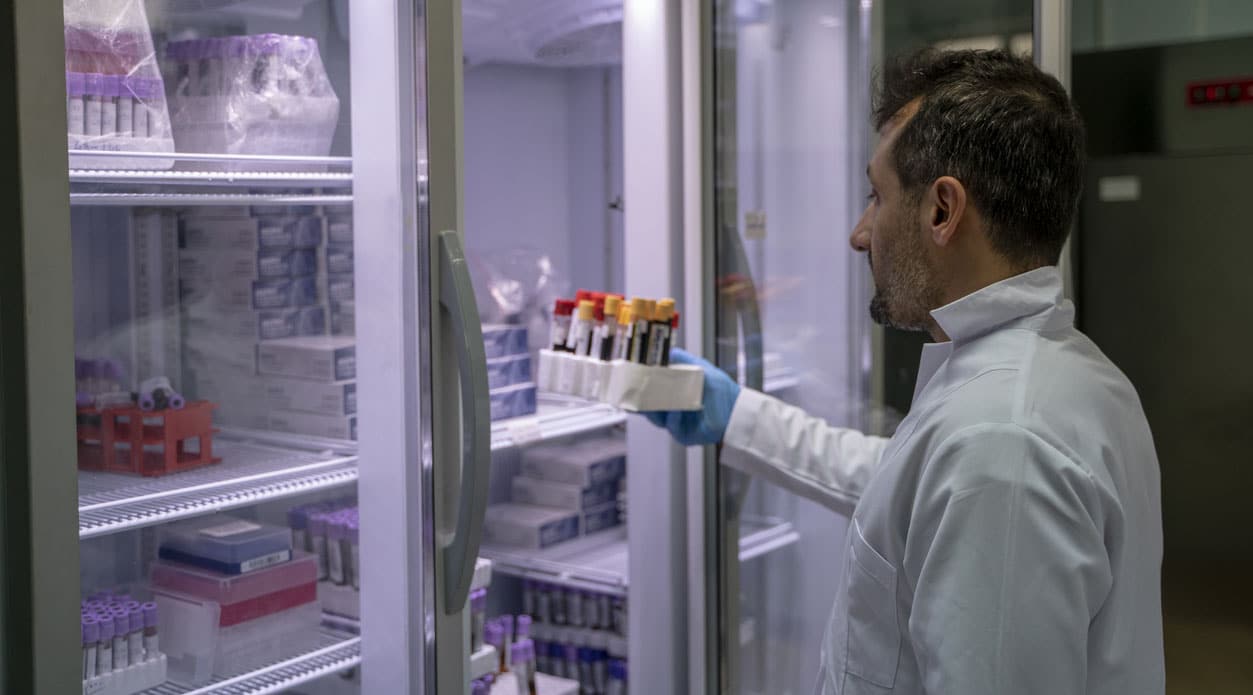
Hazardous drug compounding facilities require appropriate refrigeration and storage solutions for both raw materials and finished preparations. Many chemotherapy agents and hazardous drugs require specific temperature control to maintain potency and stability.
Pharmaceutical-grade refrigerators and freezers with digital temperature monitoring, alarm systems, and backup power considerations ensure product integrity throughout the cold chain. These units should be located in properly ventilated areas with appropriate containment for hazardous materials requiring refrigeration.
For detailed guidance on pharmaceutical refrigeration requirements, see our article on selecting medical-grade refrigerators and critical features for pharmaceutical cold storage.
ARES Scientific: Your Partner for Pharmaceutical Compounding Solutions
ARES Scientific offers a comprehensive range of biological safety cabinets specifically designed for pharmaceutical compounding applications—from benchtop isolation systems to walk-in containment enclosures. Our product portfolio includes both Class II A2 and Class II B2 configurations meeting NSF/ANSI 49 certification standards and USP <797>/<800> compliance requirements.
Each biosafety cabinet solution is highly customizable to meet your facility’s unique requirements, including low-profile models for rooms with limited ceiling height, additional electrical outlets for infusion pumps and other compounding equipment, and specialized exhaust configurations matching your facility’s HVAC capabilities.
Comprehensive Support Services
To ensure you select the optimal containment solution protecting staff wellbeing while meeting regulatory requirements, ARES Scientific provides:
- Free Consultation Services: Our pharmacy containment specialists assess your hazard profile, facility constraints, and workflow requirements to recommend appropriate cabinet configurations.
- Site Assessments: On-site evaluations documenting room dimensions, utility availability, HVAC capacity, and facility infrastructure to ensure successful installation and compliance.
- Installation Coordination: Turnkey installation services including rigging, utility connections, and initial NSF/ANSI 49 certification testing.
- Ongoing Certification: Annual and post-relocation certification services ensuring continued compliance and performance throughout your cabinet’s operational life.
- Validation Support: IQ/OQ/PQ documentation assistance for pharmaceutical facilities requiring validated equipment as part of quality management systems.
Whether you need a compact cabinet for limited-volume compounding or a large-format system accommodating complex robotics and automation, ARES Scientific has the expertise and product portfolio to meet your needs.
Related Resources
Explore additional resources to support your pharmaceutical compounding facility:
- Class II Biosafety Cabinets for Pharmaceutical Compounding – Detailed application guide
- Things to Consider When Purchasing a Class II Biological Safety Cabinet – Buyer’s checklist
- Cleanroom Laminar Flow Cabinets – Alternative containment solutions
- cGMP Washing Systems – Equipment cleaning and decontamination
- Sterilizers and Autoclaves – Supporting equipment sterilization needs
Contact ARES Scientific for Expert Guidance
Selecting the right biosafety cabinet for hazardous drug compounding requires careful consideration of drug characteristics, facility capabilities, regulatory requirements, and operational workflows. Don’t compromise on safety or compliance—partner with contamination control experts who understand the unique challenges of pharmaceutical compounding.
Contact ARES Scientific today for personalized guidance: Call (877) 517-5111 or email info@aresscientific.com to schedule your free consultation. Our specialists will help you navigate Class II A2 vs B2 selection, facility design requirements, and USP <797>/<800> compliance to ensure your compounding operation protects staff health while maintaining the highest pharmaceutical quality standards.
Whether you’re handling sterile microbiological samples, compounding hazardous chemotherapy preparations, or preparing other controlled pharmaceuticals, ARES Scientific delivers the containment solutions, technical expertise, and ongoing support ensuring safe and compliant operations for years to come.
References and Further Reading
- NIOSH (2022) USP 800, https://www.usp.org/compounding/general-chapter-hazardous-drugs-handling-healthcare, accessed July 2022
- United States Pharmacopeia (2019) General Chapter <797> Pharmaceutical Compounding—Sterile Preparations
- NSF International (2022) NSF/ANSI 49: Biosafety Cabinetry – Design, Construction, Performance, and Field Certification
- Centers for Disease Control and Prevention (2020) Biosafety in Microbiological and Biomedical Laboratories (BMBL), 6th Edition