
Why Laboratory-Grade Refrigerators and Manual Defrost Freezers Are Essential: The Critical Difference from Household Units
Discover why consumer-grade refrigerators and freezers compromise sample integrity, violate regulatory compliance, and put your research at risk. Complete guide to laboratory-grade cold storage requirements for vaccines, pharmaceuticals, and biological materials.

Why Cold Storage Choice Matters: Protecting Your Research Investment
In the demanding world of laboratory research, clinical diagnostics, and pharmaceutical operations, every decision that affects the integrity of temperature-sensitive materials carries profound consequences. Whether you are safeguarding life-saving vaccines worth thousands of dollars per vial, irreplaceable biological samples representing years of research, or delicate reagents critical for diagnostic accuracy, the quality and reliability of your cold storage solutions can determine the success or failure of your entire operation.
The temptation to use consumer-grade refrigerators or freezers in laboratory settings is understandable. They appear similar to professional units, cost significantly less upfront, and are readily available from retail suppliers. However, this apparent cost savings masks hidden risks that can devastate research programs, compromise patient safety, and result in regulatory violations carrying severe penalties.
This comprehensive guide examines why laboratory-grade refrigerators and manual defrost freezers are not merely preferred options but essential requirements for professional scientific and medical environments. We’ll explore the fundamental engineering differences, regulatory compliance requirements, performance data, and real-world consequences of equipment choices that impact sample integrity every single day.
⚠️ The True Cost of Using Household Equipment
Consider this scenario: A research laboratory loses an entire freezer of samples worth $250,000 because a consumer-grade auto-defrost freezer experienced temperature fluctuations during a defrost cycle. The samples cannot be replaced—they represent three years of clinical trial work. The study must restart from the beginning, delayed by years and hundreds of thousands in additional costs.
This is not hypothetical. It happens regularly in laboratories that attempt to save money with inappropriate equipment. The question isn’t whether household equipment might fail—it’s when it will fail, and how much damage it will cause.
Understanding the critical differences between consumer and laboratory-grade equipment begins with recognizing their fundamentally different design purposes, engineering standards, and operational capabilities.
The Core Differences Between Household and Laboratory Cold Storage
Design Philosophy: Convenience vs. Precision
Household refrigerators and freezers are engineered with a single, straightforward objective: preserving food safely and cost-effectively for typical consumers. Their temperature targets (generally 0-5°C for refrigerators, -15 to -20°C for freezers), insulation thickness, and internal circulation methods all reflect this baseline consumer goal. Temperature variations of several degrees are acceptable because they have minimal impact on food safety within reasonable timeframes.
In stark contrast, laboratory refrigerators and freezers must maintain dramatically stricter temperature uniformity, stability, and reliability. They store materials whose integrity and efficacy can be irreversibly compromised by temperature deviations as small as 1-2°C maintained for even brief periods:
- Vaccines: Many vaccines lose potency permanently if exposed to temperatures outside 2-8°C range, even for 30 minutes
- Enzymes and Reagents: Protein-based reagents can denature at temperatures just a few degrees above optimal storage conditions
- Cell Cultures: Viability decreases rapidly with temperature excursions in cryopreserved samples
- Blood Products: Plasma and platelets have strict storage requirements for patient safety
- Pharmaceuticals: Chemical stability and potency depend on precise temperature maintenance
- DNA/RNA Samples: Genetic material degrades progressively with inadequate temperature control
Temperature Precision and Stability: The Engineering Difference
The temperature control systems in household versus laboratory equipment represent entirely different engineering approaches:
| Feature | Household Equipment | Laboratory Equipment |
|---|---|---|
| Temperature Control | Mechanical thermostat with ±3-5°C accuracy | Microprocessor-based control with ±0.5°C accuracy |
| Display Accuracy | Single-point analog dial or basic digital | Precision digital display calibrated to NIST standards |
| Temperature Uniformity | ±5-8°C variation throughout cabinet | ±1-2°C maximum variation (validated) |
| Recovery Time | 15-30 minutes after door opening | 5-10 minutes after door opening |
| Insulation | Standard foam (2-3 inches) | High-density urethane foam (3-5 inches) |
| Compressor Quality | Standard efficiency, consumer-grade | High-efficiency, continuous-duty rated |
| Monitoring | None or basic LED indicator | Continuous data logging, alarms, remote monitoring |
| Validation | Not validated | Factory validated with multi-point temperature mapping |
Household refrigerators use relatively forgiving temperature tolerances because minor fluctuations minimally impact food quality over typical storage periods. Laboratory equipment, by contrast, incorporates microprocessor-based temperature controllers, precision sensors, high-density foam insulation (often 50-100% thicker than consumer units), and robust stainless steel construction to achieve and maintain critical conditions hour after hour, day after day, year after year.
Temperature Uniformity Throughout the Cabinet
One of the most critical—and often overlooked—differences between household and laboratory equipment is internal temperature uniformity. In a typical household refrigerator, cold air distribution is optimized for general food preservation, not precision:
- Temperature Stratification: Cold air settles, creating zones that can vary by 5-8°C from top to bottom
- Hot Spots: Areas near doors, lights, or less insulated walls run warmer
- Cold Spots: Back corners or areas near cold air vents can be significantly colder than set point
- Unvalidated Performance: No multi-point temperature testing to verify uniformity
These variations are perfectly acceptable for storing leftovers or beverages, but they pose serious problems for laboratory samples where different materials may have different temperature sensitivities. A vaccine vial stored in a warm zone could lose potency while samples in a cold zone might freeze when they shouldn’t.
Laboratory refrigerators and freezers employ sophisticated air distribution systems—often forced-air circulation with multiple diffusers—to maintain uniform internal temperatures. Before leaving the factory, units designed for sensitive storage undergo extensive validation using numerous test probes placed strategically throughout the cabinet, with temperature data collected over extended periods to verify compliance with stringent storage standards.
💡 Understanding Temperature Mapping
Laboratory-grade equipment undergoes temperature mapping validation using 9-12 or more temperature probes positioned throughout the storage compartment. Data is collected over 24-72 hours under loaded conditions to identify any areas that deviate from specifications. This validation documentation is critical for:
- FDA and regulatory inspections
- Good Manufacturing Practice (GMP) compliance
- Accreditation requirements (CAP, CLIA, Joint Commission)
- Insurance and liability protection
Household units have no such validation, making regulatory compliance impossible to demonstrate.

Manual vs. Auto Defrost: Critical Choice for Sample Stability
How Auto (Frost-Free) Defrost Systems Work
Consumer-grade freezers and many commercial units use automatic (frost-free) defrost cycles to eliminate the inconvenience of manual defrosting. The system operates through a periodic heating cycle:
- Frost Detection: Timer or sensor detects frost accumulation on evaporator coils
- Heating Activation: Internal heating element activates (typically 300-500 watts)
- Ice Melting: Heat melts accumulated frost over 15-30 minutes
- Water Drainage: Melted water drains to collection pan where it evaporates
- Cooling Resumption: Compressor restarts to restore target temperature
This cycle typically occurs every 6-12 hours in consumer freezers, and each cycle causes internal temperatures to rise. The convenience for households is undeniable—users never need to manually defrost. However, this convenience introduces temperature fluctuations that can be catastrophic for sensitive materials.
The Temperature Excursion Problem
During a typical auto-defrost cycle in a consumer freezer:
- Surface Temperature Rise: Items near freezer walls can warm by 5-10°C
- Cabinet Temperature Increase: Overall internal temperature rises 2-5°C
- Recovery Duration: 20-45 minutes to return to setpoint temperature
- Cycle Frequency: Occurs 2-4 times daily in heavily used units
For comparison, consider vaccine storage requirements: the CDC specifies that vaccine storage units must maintain temperatures between 2-8°C with minimal fluctuation. A single auto-defrost cycle that temporarily warms contents to 10-12°C can irreversibly damage vaccine potency—and this happens multiple times per day in consumer units.
Manual Defrost Advantages for Laboratory Applications
In laboratory and pharmacy settings, manual defrost freezers are often strongly preferred or even required because they eliminate the temperature destabilization inherent in auto-defrost systems:
Key Advantages of Manual Defrost:
- Continuous Temperature Stability: No heating cycles means no temperature spikes—ever
- Consistent Low Temperature: Maintains setpoint continuously without periodic warming
- Predictable Performance: Temperature behavior is stable and documented
- Extended Sample Viability: Absence of thermal cycling prevents cumulative damage
- Regulatory Compliance: Meets strict requirements for vaccine storage and pharmaceutical applications
- Documented Stability: Validation data shows continuous performance without excursions
- Audit-Ready: Temperature logs demonstrate consistent compliance
The trade-off, of course, is that manual defrost units require periodic defrosting—typically every 3-6 months depending on usage and ambient humidity. However, laboratories can plan defrost procedures during convenient times, transfer samples to backup storage temporarily, and complete the process in a controlled manner that doesn’t compromise sample integrity.
Still Air vs. Forced Air Circulation
Manual defrost freezers often operate without internal fans, relying on cold wall technology where the refrigerated walls themselves provide cooling. This “still air” approach offers several benefits:
- No Sample Dehydration: Forced air can dry out samples in open or semi-sealed containers
- No Disturbance: Still air prevents contamination risks in open containers
- Quieter Operation: Absence of fan motors reduces noise in laboratory environments
- Simplified Design: Fewer moving parts means enhanced reliability
While still-air systems may have slightly less temperature uniformity than forced-air models (though still far superior to consumer units), the stability and consistency they provide make them ideal for storing sensitive reagents, biological samples in open containers, and other applications where temperature constancy outweighs the need for perfect uniformity.
Understanding Defrost Planning
Laboratories using manual defrost freezers typically establish defrost protocols that include:
- Scheduled defrost intervals based on frost accumulation monitoring
- Backup storage capacity (redundant freezer or ultra-low temperature freezer) for temporary sample transfer
- Documented defrost procedures as part of standard operating procedures (SOPs)
- Temperature monitoring during and after defrost to verify proper recovery
- Staff training on proper defrost techniques
This planned approach provides complete control over when and how defrost occurs, eliminating the unpredictability of automatic cycles.
The Hidden Risks of Using Consumer-Grade Freezers in Laboratory Environments
Risk 1: Unpredictable Temperature Variability
The single most significant risk of using consumer-grade equipment is unpredictable and undocumented temperature variability. While occasional fluctuations may not harm frozen foods over the course of days or weeks, the same cannot be said for critical laboratory materials:
- Enzyme Degradation: Restriction enzymes, polymerases, and other protein-based reagents lose activity with each freeze-thaw cycle or temperature excursion. A reagent that should provide 100% activity may deliver only 60-70% after exposure to improper storage.
- Vaccine Potency Loss: Temperature excursions cause irreversible changes in vaccine antigens. The CDC estimates that temperature control failures waste $300+ million in vaccines annually in the United States alone.
- Cell Culture Viability: Cryopreserved cell lines experience progressive viability loss when stored at temperatures warmer than -70°C to -80°C, or when exposed to temperature cycling.
- Antibody Stability: Monoclonal and polyclonal antibodies can aggregate, lose binding affinity, or undergo other conformational changes when improperly stored.
- Sample Degradation: RNA samples are particularly vulnerable, with significant degradation occurring at temperatures above -20°C or during thermal cycling.
Risk 2: Misleading or Absent Temperature Displays
Consumer units often feature primitive temperature indicators that provide false confidence:
Consumer Unit “Temperature Control”:
- Single thermostat dial with vague settings (“cold” to “coldest” or numbered 1-7)
- No actual temperature display—just relative setting indicators
- If digital display present, often measures at single point (usually near door)
- No calibration to traceable standards
- Display may show target temperature, not actual internal temperature
- No temperature uniformity verification
Laboratory Unit Temperature Control:
- Precision digital display showing actual measured temperature
- Calibrated to NIST-traceable standards
- Multiple temperature probes verify uniformity
- High/low temperature alarms alert to deviations
- Continuous data logging creates compliance records
- Remote monitoring capabilities for off-hours surveillance
Without precise control and monitoring, laboratories cannot ensure that all areas of the cabinet remain within required ranges. The displayed temperature—measured at a single point—may show acceptable values while other cabinet areas experience hotspots or cold spots that damage sensitive materials. This makes real-time temperature monitoring systems not just helpful but essential.
Risk 3: Inadequate Response to Environmental Challenges
Laboratory and pharmacy environments present unique challenges that consumer equipment cannot handle:
- Frequent Door Openings: Research and clinical operations require multiple access events daily. Consumer units lose significantly more cold air per opening and recover slowly.
- Heavy Loading: Full storage capacity with dense materials (sample boxes, reagent bottles) creates thermal mass that consumer compressors struggle to cool adequately.
- Higher Ambient Temperatures: Many laboratories maintain 23-25°C ambient temperatures; consumer units designed for 18-20°C home environments cannot maintain stable internal temperatures.
- Power Fluctuations: Consumer units lack surge protection and backup systems that laboratory models incorporate.
- Extended Runtime: Continuous operation 24/7/365 exceeds the duty cycle consumer compressors are designed for, leading to premature failure.
Risk 4: Catastrophic Sample Loss
The cumulative effect of these risks is the potential for catastrophic sample loss:
📋 Real-World Case Study: University Research Laboratory
Situation: A university biochemistry laboratory used a consumer chest freezer to store protein samples representing 18 months of doctoral research.
Failure Event: The freezer’s auto-defrost cycle malfunctioned, causing the unit to remain in defrost mode for 6 hours overnight. Internal temperature rose to +5°C before the problem was discovered.
Consequences:
- Complete loss of 247 protein samples worth approximately $85,000 in reagent costs
- 18 months of research work invalidated—samples could not be re-collected
- Graduate student’s dissertation delayed by 14 months
- Grant funding at risk due to inability to complete proposed research timeline
- No temperature logging data to document what occurred
- No insurance coverage (consumer equipment excluded from research policy)
Outcome: The university implemented a policy prohibiting consumer-grade equipment for research applications and invested in laboratory-grade manual defrost freezers with comprehensive temperature monitoring.
Risk 5: Regulatory Non-Compliance and Legal Liability
Using non-certified refrigeration solutions creates serious compliance and liability issues:
- CDC Vaccine Storage Violations: CDC guidelines explicitly prohibit dormitory-style or bar-style refrigerators for vaccine storage and strongly recommend purpose-built units
- FDA Inspection Failures: Pharmaceutical facilities using household equipment will fail FDA inspections
- CAP/CLIA Deficiencies: Clinical laboratories face accreditation deficiencies for inadequate equipment
- Insurance Exclusions: Many research and clinical insurance policies specifically exclude coverage for losses involving consumer equipment
- Malpractice Exposure: Healthcare facilities using non-compliant equipment face increased liability if patient care is affected
- Grant Compliance: Federal research grants often require proper equipment and may demand return of funds if equipment standards are violated
Non-compliance can lead to failed audits, loss of accreditation, inability to bill for clinical services, grant funding termination, and in severe cases, legal action. The apparent cost savings of consumer equipment evaporate when regulatory and legal consequences are considered. Learn more about medical-grade refrigeration standards.

Performance Comparison: Real-World Data from Validated Testing
How Laboratory Equipment Is Validated
Purpose-built laboratory refrigerators and freezers undergo rigorous factory validation before shipment. This testing process typically includes:
- Multi-Point Temperature Mapping: 9-12 temperature probes positioned throughout the cabinet (corners, center, near door, top, middle, bottom)
- Extended Duration Testing: Continuous monitoring for 24-72 hours under loaded conditions
- Environmental Challenge Testing: Performance verification across full ambient temperature range (typically 18-30°C)
- Door Opening Recovery Testing: Temperature recovery measurement after simulated use cycles
- Power Failure Recovery: Testing of alarm systems and temperature recovery after power interruption
- Uniformity Analysis: Statistical analysis of temperature variation throughout cabinet
This validation documentation provides laboratories with the evidence needed to demonstrate regulatory compliance and provides baseline performance data against which ongoing monitoring can be compared.
Head-to-Head Performance Data
Independent testing comparing properly validated laboratory freezers to consumer-grade units reveals dramatic performance differences:
| Performance Metric | Consumer Freezer (Auto-Defrost) | Laboratory Freezer (Manual Defrost) |
|---|---|---|
| Setpoint Temperature | -20°C (dial setting) | -20°C (calibrated) |
| Average Internal Temperature | -17.3°C to -14.9°C | -19.8°C to -20.2°C |
| Temperature Range (Min-Max) | -22.1°C to -10.4°C | -21.1°C to -19.2°C |
| Spatial Uniformity (Std Dev) | ±3.7°C | ±0.8°C |
| Temperature Excursions >-15°C | 2-4 times daily (defrost cycles) | Never (unless door left open) |
| Recovery Time After Opening | 25-40 minutes | 8-12 minutes |
| Temperature Stability (24 hrs) | ±2.8°C variation | ±0.5°C variation |
Critical Threshold Analysis
For many laboratory applications, specific temperature thresholds must not be exceeded:
- -15°C Threshold: Many biological samples and reagents require storage below -15°C. Consumer freezers regularly exceed this during auto-defrost cycles.
- 0°C Threshold: Some materials must never freeze. Consumer refrigerators with inadequate controls can freeze items in cold spots.
- 8°C Maximum: Vaccine storage requires temperatures never exceed 8°C. Consumer units regularly violate this during malfunction or power disruption.
Under similar operating conditions, consumer-grade freezers routinely warm to -14.9°C or higher, exceeding the critical -15°C threshold needed for safe storage of many laboratory samples. This performance gap underscores the fundamental design differences between household convenience appliances and precision scientific equipment.
Long-Term Reliability Comparison
Expected service life and reliability also differ dramatically:
| Factor | Consumer Unit | Laboratory Unit |
|---|---|---|
| Design Life | 8-12 years (residential use) | 15-20+ years (continuous duty) |
| Duty Cycle | Intermittent (8-12 hrs/day active cooling) | Continuous (24/7/365 operation) |
| MTBF (Mean Time Between Failures) | Not rated for continuous use | 50,000-100,000 hours |
| Warranty | 1-2 years parts/labor (residential use) | 3-5 years parts/labor (commercial use) |
| Service Availability | Consumer repair services | Factory-trained technicians, priority service |
For ultra-sensitive applications requiring temperatures below -70°C, the performance gap becomes even more pronounced. Learn about ultra-low temperature (ULT) freezers designed specifically for these demanding applications.
Regulatory Compliance Requirements: Meeting Industry Standards
CDC Vaccine Storage and Handling Guidelines
Vaccine potency is extraordinarily sensitive to temperature excursions. The Centers for Disease Control and Prevention (CDC) guidelines and the Vaccines for Children (VFC) Program establish strict requirements:
CDC Temperature Requirements:
- Refrigerated Vaccines: Must maintain 2°C to 8°C (36°F to 46°F) at all times
- Frozen Vaccines: Must maintain -15°C (5°F) or colder continuously
- Temperature Monitoring: Requires continuous temperature monitoring device (not just display)
- Temperature Recording: Minimum/maximum temperatures must be recorded twice daily
- Alarm Systems: Units must have visual and audible alarms for out-of-range conditions
- Backup Power: Emergency power or procedures for power failure events
- Equipment Requirements: Purpose-built units strongly recommended; dormitory-style units prohibited
A household refrigerator or freezer is simply not built to meet these rigorous standards. Using non-compliant equipment can result in loss of vaccine potency worth thousands of dollars, administration of ineffective vaccines to patients, loss of VFC program eligibility, and potential legal liability if vaccine failures cause patient harm. For vaccine-specific solutions, explore our comprehensive vaccine storage refrigerator guide.
FDA Requirements for Pharmaceutical and Biological Storage
The U.S. Food and Drug Administration (FDA) regulates storage of pharmaceuticals, blood products, biologics, and other medical products. Key requirements include:
- 21 CFR Part 211 (Pharmaceuticals): Requires appropriate storage conditions and equipment qualified for its intended use
- 21 CFR Part 600 (Biologics): Mandates storage at specified temperatures with documented monitoring
- 21 CFR Part 606 (Blood Products): Specifies temperature ranges and alarm requirements for blood bank refrigeration
- 21 CFR Part 11 (Electronic Records): For facilities using electronic temperature monitoring, requires validated, secure data systems
Good Manufacturing Practice (GMP) inspections demand that equipment maintain tight temperature ranges, provide temperature uniformity throughout the storage area, include continuous monitoring with alarm capabilities, and maintain complete documentation and validation records. Laboratory-grade equipment meets these requirements by design and includes features like continuous temperature monitoring, high/low temperature alarms, data logging capabilities, and validation documentation. Learn about blood bank refrigerator requirements for these critical applications.
Clinical Laboratory Standards (CAP, CLIA, Joint Commission)
Clinical laboratories must meet accreditation standards that explicitly address cold storage:
| Accrediting Body | Key Requirements |
|---|---|
| CAP (College of American Pathologists) | • Temperature monitoring twice daily minimum • Alarm systems for out-of-range conditions • Documented preventive maintenance • Backup procedures for equipment failure |
| CLIA (Clinical Laboratory Improvement Amendments) | • Equipment appropriate for test system requirements • Temperature monitoring and recording • Equipment maintenance and function checks • Corrective action documentation |
| Joint Commission | • Medication storage at manufacturer-specified temperatures • Temperature monitoring equipment calibrated • Documentation of temperature excursions • Emergency procedures for equipment failure |
Consumer equipment cannot meet these comprehensive requirements, putting laboratory accreditation at risk.
International Standards (ISO, WHO)
For laboratories operating under international standards or conducting global clinical trials:
- ISO 15189 (Medical Laboratories): Requires validated equipment with appropriate performance characteristics
- WHO PQS (Performance, Quality, Safety): Specifies requirements for vaccine cold chain equipment
- ICH Guidelines (Pharmaceutical Development): Stability testing requires documented, validated storage conditions
Advanced Temperature Control, Monitoring, and Alarm Systems
Microprocessor-Based Precision Control
Unlike household units with simple mechanical thermostats, laboratory refrigerators and freezers employ sophisticated microprocessor-based control systems:
- PID (Proportional-Integral-Derivative) Control: Advanced algorithms minimize temperature overshoot and hunting
- Adaptive Control: System learns usage patterns and adjusts to maintain stability
- Multi-Sensor Monitoring: Multiple temperature probes throughout cabinet provide comprehensive monitoring
- Precision to ±0.1°C: Digital displays show actual temperature with exceptional accuracy
- Programmable Setpoints: Users can set precise target temperatures for specific applications
- NIST-Traceable Calibration: Factory calibration with documentation traceable to national standards
Comprehensive Monitoring and Data Logging
The CDC recommends manual temperature recording twice daily, even when automated systems are present, as a backup for technology failures. However, automated monitoring provides critical capabilities that manual recording cannot:
Laboratory-Grade Monitoring Features:
- Continuous Data Logging: Temperature recorded every 1-30 minutes (user-configurable)
- External Digital Displays: View temperature without opening door
- USB Data Download: Export temperature history for compliance documentation
- Network Connectivity: Integration with laboratory information management systems (LIMS)
- Cloud-Based Platforms: Remote access to temperature data from any location
- Automated Reporting: Generate compliance reports for audits and inspections
- Long-Term Trending: Identify performance degradation before equipment fails
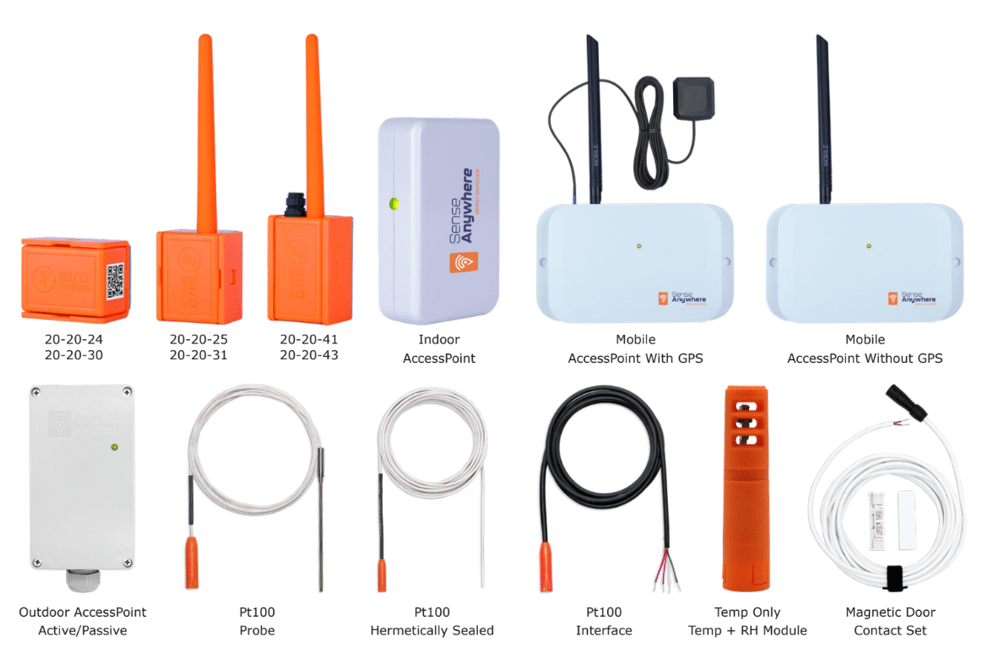
Modern systems like those available through environmental monitoring solutions provide 24/7 surveillance with immediate notification of any temperature deviations, ensuring that problems are caught and addressed before sample damage occurs.
Multi-Level Alarm Systems
Laboratory equipment incorporates comprehensive alarm systems that provide multiple layers of protection:
Local Alarms (On Unit):
- Audible Alarms: Loud (typically 80+ dB) alarms activate for out-of-range conditions
- Visual Alarms: Flashing LED or strobe lights provide visual notification
- Display Alerts: Digital display shows specific alarm condition and temperature
- Door Ajar Alarms: Alert if door is left open beyond programmed duration
- Power Failure Alarms: Battery-backed systems continue operating during power outages
Remote Alarm Capabilities:
- Dry Contact Relays: Connect to building management systems or remote alarm panels
- Email Notifications: Automated emails sent to designated personnel when alarms activate
- SMS Text Alerts: Immediate text messages to on-call staff for critical alarms
- Phone Dialers: Automated phone calls to emergency contact list
- Mobile App Notifications: Push notifications to smartphones for instant awareness
Buffering Against False Alarms
To prevent nuisance alarms from brief, non-critical temperature changes (such as door openings), laboratory equipment uses several strategies:
- Glycol Bottle Sensors: Temperature probe inserted into glycol-filled bottle buffers against transient temperature changes
- Delayed Alarming: Alarms activate only if temperature remains out of range for programmed duration (typically 2-15 minutes)
- Adjustable Alarm Limits: Users set appropriate alarm thresholds based on application requirements
- Alarm Inhibit: Temporary alarm suspension during planned maintenance or defrosting
These features minimize false alarms while ensuring that genuine temperature excursions trigger immediate notification. Discover how real-time temperature monitoring systems provide comprehensive protection for critical samples.
Specialized Applications and Combination Units
Combination Refrigerator/Freezer Units: Considerations and Trade-offs
Space constraints often lead laboratories to consider combination refrigerator/freezer units that provide both refrigeration and freezing capability in a single footprint. However, these units present important considerations:
Single Compressor Combination Units:
- Advantages: Lower cost, smaller footprint, simpler installation
- Disadvantages: Temperature in one compartment affects the other; less precise control; single point of failure affects both compartments
- Best For: Less critical applications where slight temperature variations are acceptable
Dual Compressor Combination Units:
- Advantages: Independent temperature control; better uniformity; one compartment can continue operating if other fails; more precise temperature maintenance
- Disadvantages: Higher cost; slightly larger footprint; increased energy consumption
- Best For: Critical applications requiring precise control in both refrigerator and freezer compartments
When storing highly sensitive materials, the increased investment in dual-compressor units with separate controls for each compartment provides reliability and temperature precision that justify the additional cost.
Explosion-Proof and Flammable Material Storage
Laboratories storing flammable solvents, reagents, or explosive materials face unique safety requirements. Standard refrigerators—both household and laboratory models—pose significant fire and explosion hazards when used for flammable storage:
- Ignition Sources: Light switches, thermostats, defrost timers, and relay contacts create electrical arcs that can ignite flammable vapors
- Vapor Accumulation: Flammable vapors are often heavier than air and accumulate in lower areas of refrigerators
- Catastrophic Results: Refrigerator explosions from flammable vapors have caused laboratory fires, destroyed facilities, and caused serious injuries
Explosion-proof and flammable storage refrigerators are specifically engineered for this hazardous application:
Flammable Storage Refrigerator Features:
- Spark-Free Interior: All electrical components removed from refrigerated compartment or sealed in explosion-proof housings
- External Controls: Thermostats, lights, and switches located outside refrigerated space
- Sealed Compressor Compartments: Separate, ventilated compartments prevent vapor infiltration
- Static Grounding: Proper grounding prevents static electricity discharge
- NFPA Compliance: Meets National Fire Protection Association standards
- OSHA Compliant: Satisfies Occupational Safety and Health Administration requirements
- FM Approved: Factory Mutual approval for hazardous location use
No household refrigerator can provide this level of safety assurance. Using standard equipment for flammable storage creates serious safety violations and liability exposure.
Ultra-Low Temperature (ULT) Freezers
For applications requiring temperatures of -40°C to -86°C, such as long-term biobanking, enzyme storage, or certain pharmaceutical applications, specialized ultra-low temperature freezers are essential. These units employ cascade refrigeration systems or other advanced technologies completely unavailable in consumer equipment. Learn how modern -80°C ULT freezers achieve 70% energy savings compared to older models.

Proper Placement and Installation Considerations
Space Planning and Physical Requirements
Before purchasing laboratory refrigeration equipment, careful space planning ensures proper installation and optimal performance:
- Door Clearance: Measure doorway widths and heights; consider stairways and elevators if applicable
- Installation Location: Ensure sufficient space at final location with appropriate electrical service
- Weight Considerations: Laboratory units are significantly heavier than consumer models; verify floor load capacity
- Future Access: Plan for equipment removal for maintenance or eventual replacement
Ventilation and Clearance Requirements
Proper ventilation is critical for equipment performance and longevity:
Undercounter/Built-In Models:
- Front ventilation design allows installation in cabinets or under counters
- Specific clearance requirements vary by manufacturer and model
- Toe kick ventilation must not be blocked
- Cabinet ventilation openings must remain clear
Freestanding Models:
- Typically require 2-6 inches clearance on sides and back
- Top clearance of 6-12 inches for heat dissipation
- Cannot be placed directly against walls without appropriate spacing
- Condenser coil location determines ventilation requirements
Inadequate ventilation causes compressors to overheat, leading to premature failure, excessive energy consumption, and inability to maintain target temperatures. Always consult manufacturer specifications and follow installation guidelines precisely.
Environmental Factors Affecting Performance
Placement decisions significantly impact equipment performance and energy efficiency:
Optimal Placement:
- ✓ Climate-controlled indoor environment (18-25°C ambient temperature)
- ✓ Level, stable floor surface
- ✓ Away from heat sources (autoclaves, incubators, heating vents)
- ✓ Protected from direct sunlight
- ✓ Low-traffic areas to minimize door openings
- ✓ Near dedicated electrical circuits with appropriate amperage
- ✓ Accessible for cleaning and maintenance
Avoid These Locations:
- ✗ Near windows with direct sun exposure
- ✗ Adjacent to heating vents or radiators
- ✗ In high-traffic corridors with frequent temperature changes
- ✗ Areas with poor air circulation
- ✗ Locations where ambient temperature exceeds equipment specifications
- ✗ Areas prone to water exposure or flooding
- ✗ Spaces shared with equipment generating heat or vibration
Electrical Requirements and Power Quality
Laboratory refrigeration equipment requires proper electrical infrastructure:
- Dedicated Circuits: Use dedicated circuits to prevent voltage drops from other equipment
- Appropriate Amperage: Ensure circuit breaker capacity matches or exceeds equipment requirements
- Proper Grounding: Three-prong grounded outlets are essential; never use adapters
- Surge Protection: Consider UPS (uninterruptible power supply) or surge suppressors for critical applications
- Emergency Power: Connect to emergency generator circuits if available for critical storage
- Voltage Stability: Ensure stable voltage supply; voltage fluctuations reduce equipment life
Customization Options for Laboratory Applications
Door Configurations: Glass vs. Solid Doors
Laboratory refrigerators and freezers offer various door options to suit different applications:
| Feature | Glass Doors | Solid Doors |
|---|---|---|
| Visibility | Visual inspection without opening door minimizes temperature disturbance | No visibility; must open door to view contents |
| Insulation | Double or triple-pane glass; good but less than solid doors | Maximum insulation with high-density foam |
| Energy Efficiency | Slightly higher energy use due to reduced insulation | Most energy efficient option |
| Best Applications | High-turnover storage; frequently accessed materials; inventory management | Sensitive materials requiring maximum stability; long-term storage |
| Cost | Moderate to higher cost | Standard pricing |
Interior Organization: Shelves, Drawers, and Baskets
Flexible interior configurations optimize storage efficiency:
- Adjustable Wire Shelves: Allow customization of storage heights; promote air circulation
- Solid Shelves: Prevent small items from falling; may restrict air circulation
- Pull-Out Drawers: Organize samples by type or project; reduce door-open time
- Basket Inserts: Ideal for smaller containers and tubes
- Dividers and Organizers: Separate different sample types or projects
- Inventory Management Systems: Integrated barcode scanning or RFID for sample tracking
Security and Access Control
Protection of valuable or controlled substances requires comprehensive security:
- Keyed Door Locks: Standard mechanical locks prevent unauthorized access
- Digital Keypad Locks: Programmable access codes with audit trails
- Card Reader Systems: Integration with facility access control systems
- Biometric Locks: Fingerprint or retinal scanning for high-security applications
- Alarm Integration: Door position sensors alert to unauthorized opening
- Video Surveillance: External cameras monitor equipment access
Surface Finishes and Materials
Laboratory equipment offers various finish options for different environments:
- Stainless Steel Exterior: Durable, professional appearance; easy to clean; resists corrosion
- Painted Steel Exterior: Cost-effective; available in various colors; adequate for most laboratories
- Stainless Steel Interior: Easy sanitation; chemical resistant; ideal for GMP environments
- White Epoxy Interior: Standard option; good corrosion resistance; suitable for most applications
Sensor Ports and Electrical Integration
Laboratory refrigerators often include features that facilitate monitoring and research:
- Sensor Ports: Sealed openings allow installation of external temperature probes without compromising cabinet integrity
- Internal Electrical Outlets: Power data loggers or other equipment inside unit
- CO₂ Backup Systems: Automatic CO₂ injection maintains temperature during power failures (specialty models)
- Chart Recorder Mounts: Brackets for mounting traditional chart recorders
Energy Efficiency and Environmental Sustainability
The Energy Cost of Continuous Operation
Laboratory and pharmaceutical refrigerators and freezers operate continuously, 24 hours per day, 365 days per year. This constant operation makes energy efficiency a critical consideration for both operational costs and environmental responsibility:
Annual Energy Cost Example:
Consumer-Grade 20 cu ft Freezer:
- Typical consumption: 850-1,200 kWh/year (inefficient for continuous use)
- At $0.12/kWh: $102-$144/year
- 15-year lifespan cost: $1,530-$2,160
ENERGY STAR® Laboratory Freezer (20 cu ft):
- Typical consumption: 450-650 kWh/year
- At $0.12/kWh: $54-$78/year
- 15-year lifespan cost: $810-$1,170
- Lifetime savings: $720-$990
ENERGY STAR® Certification
ENERGY STAR®-rated laboratory refrigerators and freezers meet strict energy efficiency criteria set by the U.S. Environmental Protection Agency:
- 20-40% More Efficient: Compared to standard models of similar size
- Advanced Components: High-efficiency compressors, improved insulation, optimized refrigerant systems
- Microprocessor Controls: Intelligent temperature management reduces unnecessary compressor cycling
- Environmental Benefits: Reduced greenhouse gas emissions from electricity generation
Eco-Friendly Refrigerants
Modern laboratory refrigeration equipment increasingly uses natural, low-global-warming-potential refrigerants:
- R290 (Propane): Natural refrigerant with near-zero global warming potential; excellent efficiency
- R600a (Isobutane): Natural hydrocarbon refrigerant; environmentally friendly; high efficiency
- R744 (CO₂): Carbon dioxide refrigerant systems for specialized applications
- EPA SNAP Compliance: Meets Environmental Protection Agency Significant New Alternatives Policy
These natural refrigerants provide exceptional cooling efficiency while dramatically reducing environmental impact compared to traditional synthetic refrigerants (HFCs) with high global warming potential.
Variable Speed Compressor Technology
Advanced laboratory refrigeration units incorporate variable-speed compressor technology:
- Adaptive Cooling: Compressor speed adjusts to cooling demand rather than simple on/off cycling
- Enhanced Temperature Stability: Continuous, modulated cooling provides better temperature consistency
- Reduced Energy Consumption: 20-30% energy savings compared to fixed-speed compressors
- Extended Equipment Life: Fewer start/stop cycles reduce mechanical wear
- Quieter Operation: Variable-speed motors run more quietly than constant on/off cycling
This technology reflects the growing industry trend toward sustainable, high-performance refrigeration solutions that benefit both laboratory operations and the environment.

Choosing the Right Supplier and Manufacturer
Evaluating Quality, Support, and Long-Term Partnership
Selecting laboratory refrigeration equipment involves more than comparing specifications and prices. The manufacturer’s reputation, support capabilities, and long-term commitment significantly impact equipment performance and your laboratory’s success:
Key Selection Criteria:
- Manufacturing Quality: Track record of reliable, durable equipment with documented performance
- Regulatory Expertise: Understanding of FDA, CDC, CAP, CLIA, and other relevant standards
- Technical Support: Availability of knowledgeable support staff who understand laboratory applications
- Service Network: Access to factory-trained service technicians in your geographic area
- Parts Availability: Commitment to long-term parts availability for equipment maintenance
- Warranty Terms: Comprehensive coverage reflecting confidence in product quality
- Validation Support: Assistance with installation qualification (IQ), operational qualification (OQ), and performance qualification (PQ)
- Industry Experience: Years of experience serving laboratory, clinical, and pharmaceutical markets
Application-Specific Expertise
Different laboratory applications have unique cold storage requirements. Working with suppliers who understand your specific needs ensures optimal equipment selection:
- Vaccine Storage: Experience with CDC guidelines and VFC program requirements
- Blood Banking: Understanding of AABB standards and blood component storage needs
- Pharmaceutical Research: Knowledge of GMP requirements and validation protocols
- Biorepository/Biobanking: Expertise in long-term sample preservation and ultra-low temperature storage
- Clinical Diagnostics: Familiarity with CAP and CLIA accreditation requirements
Beyond the Initial Sale: Long-Term Partnership
The relationship with your equipment supplier extends far beyond the initial purchase:
- Installation Support: Professional installation ensuring proper setup and initial validation
- User Training: Comprehensive training for laboratory staff on proper operation and maintenance
- Preventive Maintenance: Scheduled PM programs to maximize equipment life and minimize failures
- Emergency Service: Priority response when equipment problems threaten sample integrity
- Calibration Services: Regular calibration maintaining measurement accuracy
- Upgrade Consultation: Guidance when expanding or updating laboratory capabilities
- Regulatory Updates: Information about changing standards and compliance requirements
Established manufacturers and distributors like ARES Scientific bring expertise, innovation, and reliability backed by years of serving the scientific community. This partnership approach ensures laboratories receive not just equipment, but comprehensive solutions for their cold storage needs.
ARES Scientific Laboratory Cold Storage Solutions
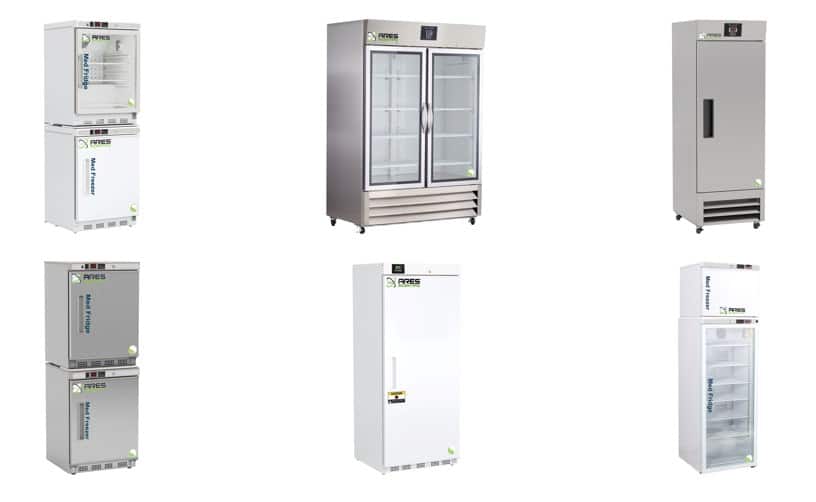
As we’ve established, purpose-built laboratory refrigerators and freezers—rather than consumer-grade equipment—provide the stable, compliant, and secure environments that temperature-sensitive materials require. ARES Scientific offers a comprehensive portfolio of laboratory-grade cold storage solutions specifically designed to meet the demanding requirements of clinical, research, and pharmaceutical professionals.
Precision Temperature Control Across All Models
Every ARES Scientific refrigerator and freezer incorporates microprocessor-based temperature management systems that deliver the precision control essential for regulatory compliance. Models like the ARS-HC-SSP-23 single swing solid door stainless steel laboratory refrigerator maintain temperatures between 1°C and 10°C with digital displays providing at-a-glance verification—assurance no standard household appliance can provide.
Whether you choose upright glass door configurations for easy inventory management, double-door units for high-capacity storage, or specialized models for specific applications, all ARES Scientific equipment features:
- Microprocessor temperature controllers maintaining precise setpoints
- Strategically placed temperature probes minimizing deviations
- High and low-temperature alarms alerting personnel to excursions
- Systems designed to preserve vaccine, reagent, and biological sample integrity
- Compliance with CDC, FDA, and other regulatory standards

Environmental Responsibility Through Eco-Friendly Refrigeration
ARES Scientific prioritizes environmental sustainability without compromising performance. Many models use natural hydrocarbon refrigerants like R290 (propane) or R600a (isobutane) that dramatically reduce global warming potential while meeting or exceeding EPA SNAP guidelines.
This commitment to eco-friendly design spans the entire product line—from compact undercounter units ideal for space-constrained facilities to large 49 cubic foot refrigerators for high-volume operations. The result: exceptional cooling efficiency combined with reduced environmental impact, demonstrating that laboratory refrigeration excellence and environmental responsibility can coexist.
Comprehensive Security Features
When storing expensive reagents, rare biological samples, or potentially life-saving pharmaceuticals, security becomes paramount. ARES Scientific refrigerators and freezers incorporate multiple security layers:
- Keyed Door Locks: Prevent unauthorized access to valuable or controlled materials
- Integrated Alarm Systems: Audible and visual alerts notify staff of temperature deviations or security breaches
- Remote Alarm Contacts: Extend monitoring beyond the physical laboratory, enabling off-site personnel or facility management systems to receive real-time alerts
- Access Logging: Some models support digital tracking of when units are accessed and by whom
These comprehensive security measures distinguish purpose-built laboratory equipment from consumer appliances, enhancing user confidence and protecting critical inventory.
Built for Durability and Long-Term Reliability
ARES Scientific equipment is engineered for the demanding 24/7/365 operation that laboratory environments require:
- High-Density Urethane Foam Insulation: Provides superior temperature stability and energy efficiency
- Stainless Steel Construction: Exteriors and interiors resist corrosion and withstand rigorous cleaning protocols
- Heavy-Duty Hinges: Support frequent door operation without wear or alignment problems
- Continuous-Duty Compressors: Designed specifically for uninterrupted operation, not intermittent residential use
- Robust Cabinet Design: Prevents temperature stratification and reduces susceptibility to external heat loads
This construction quality ensures units withstand frequent door openings, variable ambient conditions, and the daily challenges of busy laboratory environments. Long-term durability translates to better sample preservation, lower total cost of ownership, and enhanced return on investment—advantages consumer-grade units simply cannot match.
Flexible Configurations for Every Application
ARES Scientific understands that every laboratory has unique requirements. The product portfolio reflects this diversity:
Defrost Options:
- Manual Defrost Models: Provide unwavering temperature consistency for extremely sensitive applications
- Controlled Auto Defrost (CAD) Technology: Precisely times defrost cycles to maintain stable conditions for materials that cannot tolerate warming events
Door Styles:
- Glass Doors: Allow visual inventory management without opening doors, minimizing temperature disturbance
- Solid Doors: Provide maximum insulation for sensitive or long-term storage applications
Capacity Options:
- Undercounter Models: Space-saving designs integrate seamlessly into laboratory cabinetry
- Mid-Size Units: Balance capacity and footprint for medium-volume facilities
- Large-Capacity Refrigerators: High-volume storage for extensive sample collections or pharmaceutical inventory
Specialty Solutions:
- Controlled Room Temperature (CRT) Cabinets: Maintain stable 15-25°C storage for pharmaceuticals requiring room temperature conditions
- Combination Refrigerator/Freezer Units: Dual-compartment designs when both refrigeration and freezing are needed
- Pharmacy-Specific Models: Designed specifically for retail and hospital pharmacy applications with appropriate features and configurations

Why ARES Scientific Equipment Outperforms Consumer Alternatives
The features of ARES Scientific laboratory refrigerators and freezers—precise temperature control, eco-friendly refrigerants, integrated alarms, durable construction, and extensive configuration options—directly address the fundamental limitations of consumer-grade appliances discussed throughout this article:
| Critical Requirement | Consumer Equipment | ARES Scientific Solutions |
|---|---|---|
| Temperature Precision | ±3-5°C accuracy; no validation | ±0.5°C with microprocessor control; factory validated |
| Temperature Stability | Auto-defrost cycles cause fluctuations | Manual or controlled defrost maintains consistency |
| Monitoring & Alarms | None or basic indicator lights | Comprehensive alarms, data logging, remote notification |
| Regulatory Compliance | Not designed for compliance | Meets CDC, FDA, CAP, CLIA, GMP standards |
| Durability | 8-12 year residential lifespan | 15-20+ year continuous-duty operation |
| Environmental Impact | Traditional refrigerants; lower efficiency | Natural refrigerants; ENERGY STAR® efficiency |
By investing in purpose-built ARES Scientific equipment, laboratories gain reliability and performance needed to maintain sample integrity, ensure regulatory compliance, and preserve valuable research assets. These products minimize the risk of costly sample loss, prevent experimental inconsistencies, and provide the peace of mind that comes from knowing critical materials are protected 24/7/365.
Partnering with ARES Scientific: More Than Equipment
At ARES Scientific, we recognize that your laboratory’s success depends on more than just equipment specifications. That’s why we provide comprehensive support throughout the entire equipment lifecycle:
- Application Consultation: Expert guidance in selecting the optimal cold storage solution for your specific needs
- Installation Services: Professional installation ensuring proper setup and initial validation
- Validation Support: Assistance with IQ/OQ/PQ documentation for regulatory compliance
- User Training: Comprehensive staff training on operation, maintenance, and troubleshooting
- Technical Support: Knowledgeable support team available to address questions and concerns
- Preventive Maintenance: Scheduled service programs maximizing equipment life and reliability
- Emergency Service: Priority response when equipment issues threaten sample integrity
- Parts Availability: Genuine OEM parts ensuring continued optimal performance
Our extensive knowledge of laboratory applications, robust product portfolio, and unwavering commitment to customer success mean you receive personalized solutions and reliable service that generic consumer equipment suppliers cannot provide.
Frequently Asked Questions
Q1: Can I use a household refrigerator for laboratory applications if I add a temperature monitoring device?
No. Adding temperature monitoring to a household refrigerator does not address its fundamental design limitations: poor temperature uniformity (5-8°C variation), auto-defrost cycles causing temperature spikes, inadequate insulation, lack of alarm systems, absence of factory validation, and compressors not rated for continuous duty. While monitoring helps detect problems, it cannot prevent the temperature instabilities inherent in consumer equipment. Regulatory agencies like the CDC explicitly recommend against using household refrigerators for vaccine storage and other critical applications. The investment in proper laboratory-grade equipment protects against sample loss worth far more than the equipment cost difference.
Q2: What’s the real cost difference between consumer and laboratory-grade refrigeration equipment?
While consumer refrigerators cost $500-$1,500 and laboratory units cost $2,000-$8,000+, total cost of ownership tells a different story. Laboratory equipment lasts 15-20+ years vs. 8-12 years for consumer units, uses 20-40% less energy (ENERGY STAR® models), requires less frequent repairs, maintains warranty coverage that consumer equipment used commercially voids, and most importantly, prevents sample loss. A single failure event destroying $10,000-$250,000 in samples far exceeds any equipment cost savings. Additionally, insurance policies often exclude consumer equipment used for commercial/research purposes, creating uninsured liability. View our laboratory cold storage solutions for properly designed equipment.
Q3: Are manual defrost freezers really necessary, or can I use a laboratory-grade auto-defrost unit?
The choice depends on your application’s sensitivity. Manual defrost freezers are essential for highly temperature-sensitive materials (vaccines, certain enzymes, cell cultures, RNA samples) because they provide unwavering temperature stability without periodic warming cycles. Laboratory-grade auto-defrost units with controlled defrost technology can be acceptable for less sensitive applications where convenience outweighs the minor temperature variations during planned defrost cycles. The CDC specifically requires manual defrost or controlled auto-defrost for vaccine storage, prohibiting standard auto-defrost consumer freezers. Consult with cold storage specialists to determine which approach best suits your specific materials and compliance requirements.
Q4: What happens to my samples if there’s a power failure with laboratory-grade equipment?
Laboratory-grade equipment provides multiple protections during power failures: thick high-density insulation maintains internal temperatures longer (typically 4-12 hours depending on ambient temperature and door opening frequency), battery-backed alarm systems continue operating to alert personnel, remote alarm contacts notify off-site staff, and optional CO₂ backup systems (specialized models) inject liquid CO₂ to maintain temperature during extended outages. Many facilities also connect critical cold storage to emergency generator circuits. Best practice includes written emergency procedures, backup storage capacity for sample transfer, and regular testing of alarm systems. Real-time temperature monitoring systems provide immediate notification enabling rapid response before sample damage occurs.
Q5: Do I need separate refrigerators and freezers, or can I use a combination unit?
This depends on your storage requirements and available space. Combination units with dual compressors and separate controls for each compartment provide excellent performance and are suitable for most applications. Single-compressor combination units are less expensive but may compromise temperature precision in one or both compartments. For critical applications storing highly sensitive materials, separate dedicated units often provide optimal performance. Advantages of separate units include: no cross-contamination between refrigerated and frozen compartments, independent temperature control and monitoring, redundancy if one unit fails, and ability to optimize each unit for specific storage requirements. Space-constrained facilities often successfully use dual-compressor combination units, while high-volume or critical-application laboratories prefer dedicated units.
Q6: How often should laboratory refrigerators and freezers be serviced?
Manufacturer recommendations typically call for professional preventive maintenance every 6-12 months, with the frequency determined by usage intensity, ambient conditions, and criticality of stored materials. High-use facilities (frequent door openings, heavily loaded) benefit from quarterly service. Maintenance should include: temperature calibration verification, door seal inspection and replacement as needed, condenser coil cleaning, drain line verification, alarm system testing, and compressor operational assessment. Between professional service visits, laboratory staff should perform daily visual inspections, weekly filter and coil cleaning (if accessible), monthly seal cleaning and inspection, and quarterly documentation review. Medical-grade refrigeration used in regulated environments often requires more frequent documented maintenance to maintain compliance.
Q7: What should I do if my laboratory currently uses household refrigerators for sample storage?
Take immediate action to assess and mitigate risks: (1) Conduct temperature mapping using multiple probes over 24-72 hours to document actual temperature performance and identify hot/cold spots. (2) Implement temporary enhanced monitoring with independent data loggers placed in multiple locations. (3) Develop a replacement plan prioritizing the most critical applications first (vaccines, irreplaceable samples, high-value materials). (4) Review insurance coverage—you may not be covered for losses involving consumer equipment. (5) Consult with ARES Scientific specialists to identify appropriate laboratory-grade replacements. (6) Document the transition plan for regulatory compliance. (7) Establish SOPs for proper equipment use once laboratory-grade units are installed. Don’t wait for a failure event to force action—proactive replacement protects both samples and compliance status.
Q8: Can laboratory-grade refrigerators be used for storing food in a break room?
While technically possible, this is strongly discouraged and often prohibited by institutional policies. Mixing food storage with scientific materials creates contamination risks, regulatory compliance issues (FDA and CDC guidelines prohibit food storage in units used for pharmaceuticals/vaccines), validation problems (food storage invalidates temperature mapping and compliance documentation), and warranty violations (manufacturers may void warranties if units are used for non-intended purposes). Additionally, laboratory refrigerators are designed for different usage patterns than food service and may not meet food safety requirements. Facilities should maintain separate, clearly labeled equipment: dedicated laboratory-grade units for samples/reagents/pharmaceuticals, and separate food-service refrigerators for employee use. Never store food in vaccine storage refrigerators or any equipment used for medical/scientific purposes.
Conclusion: Ensuring the Integrity of Your Research and Clinical Work
The decision to invest in laboratory-grade refrigerators and freezers versus using consumer equipment is not simply about purchasing appliances—it’s about protecting the fundamental integrity of your research, the validity of your results, and ultimately, the health and safety of patients who may depend on the outcomes of your work.
Throughout this comprehensive guide, we’ve examined the critical differences that make purpose-built laboratory equipment essential:
Key Takeaways:
- Temperature Precision: Laboratory equipment maintains temperatures within ±0.5°C with validated uniformity, while consumer units vary by 5-8°C throughout the cabinet
- Stability: Manual defrost and controlled defrost systems eliminate temperature fluctuations that destroy sensitive materials
- Regulatory Compliance: Purpose-built units meet CDC, FDA, CAP, CLIA, and GMP requirements that consumer equipment cannot satisfy
- Monitoring & Safety: Integrated alarms, data logging, and remote notification protect against failures and excursions
- Long-Term Reliability: 15-20+ year service life with continuous-duty components versus 8-12 years for consumer units
- Total Cost: Lower total cost of ownership when energy savings, reduced failures, and prevention of sample loss are considered
While consumer-grade freezers and refrigerators may appear economical initially, their hidden risks—temperature instability, regulatory non-compliance, lack of monitoring capabilities, and potential for catastrophic sample loss—far outweigh any short-term cost savings. A single equipment failure resulting in sample loss can cost tens or hundreds of thousands of dollars, delay research by months or years, compromise patient care, and create serious regulatory and legal consequences.
By choosing purpose-built laboratory refrigerators and manual defrost freezers from trusted manufacturers like ARES Scientific, you gain:
- Consistent temperature performance validated by factory testing and supported by ongoing monitoring
- Robust alarm systems that alert personnel before problems cause sample damage
- Thorough documentation supporting regulatory compliance and audit readiness
- Compliance with CDC, FDA, and other regulatory standards essential for clinical and research operations
- Long-term reliability backed by comprehensive warranties and professional support
- Peace of mind knowing your most valuable assets are protected around the clock
This investment enhances not only the reliability of your current projects but safeguards your laboratory’s or pharmacy’s reputation, credibility, and long-term success.

Partner with ARES Scientific for Your Cold Storage Needs
At ARES Scientific, we understand that your laboratory’s success depends on more than just equipment specifications. That’s why we provide comprehensive solutions spanning:
- Expert consultation on product selection tailored to your specific applications
- Professional installation with initial qualification and validation support
- Comprehensive staff training on proper operation and maintenance
- Ongoing technical support from knowledgeable specialists
- Preventive maintenance programs maximizing equipment life
- Emergency service when critical situations demand immediate response
- Genuine OEM parts ensuring continued optimal performance
Our extensive product portfolio includes solutions for every laboratory cold storage requirement:
- Laboratory Refrigerators from compact undercounter to large-capacity models
- Manual Defrost Freezers for maximum temperature stability
- Ultra-Low Temperature (ULT) Freezers for -40°C to -86°C applications
- Combination Units maximizing space efficiency
- Flammable Storage Refrigerators for safe storage of hazardous materials
- Temperature Monitoring Systems for comprehensive compliance
Don’t leave the integrity of your critical samples to chance. Contact ARES Scientific today to discuss your cold storage requirements. Our team of specialists is ready to help you select the perfect equipment for your unique needs, ensuring that your laboratory, pharmacy, or clinical facility maintains the highest standards of sample protection, regulatory compliance, and operational excellence.
Your research matters. Your patients matter. Your samples deserve the protection that only purpose-built laboratory equipment can provide.