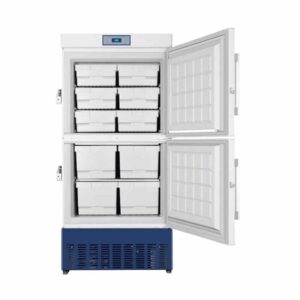
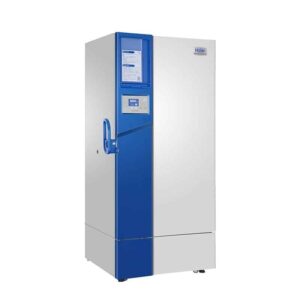
Upright Laboratory Freezers: Vertical Storage Solutions for Scientific Applications
Upright laboratory freezers provide essential vertical cold storage for research facilities, medical laboratories, and pharmaceutical operations requiring organized sample preservation. These stand-up freezers combine substantial storage capacity with space-efficient footprints, offering superior accessibility and organization compared to horizontal chest models. With temperature capabilities ranging from -15°C to -86°C, upright lab freezers accommodate diverse applications from routine reagent storage to ultra-low temperature preservation of critical biological materials.
Understanding Upright Freezer Design and Function
Upright freezers feature front-opening doors and vertical construction, resembling traditional refrigerators in orientation. This design maximizes floor space efficiency while providing shelved interiors that simplify organization and inventory management. Laboratory upright freezers typically range from 10 to 30 cubic feet in capacity, with some specialized models extending beyond these parameters for high-volume applications.
The vertical configuration offers distinct advantages over chest-style alternatives. Samples stored on adjustable shelves remain easily accessible without requiring users to dig through stacked contents. This organization proves particularly valuable in high-throughput laboratories where staff frequently retrieve specific samples. Interior compartments and door storage options further enhance usability, creating designated zones for different sample types or research projects.
Temperature Range Capabilities
General-purpose laboratory freezers maintain temperatures between -15°C and -30°C, suitable for most pharmaceutical, biological, and chemical storage requirements. These units preserve vaccines, enzymes, reagents, culture media, and standard biological samples effectively. For applications demanding deeper cold, ultra-low temperature upright freezers reach -40°C to -86°C, protecting highly sensitive materials like DNA, RNA, viral samples, and specialized cellular preparations.
Temperature uniformity throughout the cabinet ensures consistent preservation conditions. Advanced models employ sophisticated refrigeration systems with precise microprocessor controls that maintain setpoints within tight tolerances. This stability prevents localized temperature variations that could compromise sample integrity, particularly important when storing irreplaceable research materials or expensive pharmaceuticals.
Manual Defrost Versus Auto-Defrost Technology
Laboratory freezers employ either manual or automatic defrost systems, each offering distinct operational characteristics. Understanding these differences helps facilities select equipment matching their specific sample requirements and workflow patterns.
Manual Defrost Systems
Manual defrost laboratory freezers utilize cold wall technology where refrigerant circulates through coils embedded in cabinet walls. This approach maintains highly stable internal temperatures without the cyclical fluctuations inherent in automatic systems. The absence of heating elements and circulation fans results in lower energy consumption and more consistent storage conditions.
However, frost gradually accumulates on interior surfaces, requiring periodic manual defrosting. This process involves transferring samples to alternative cold storage, powering down the unit, allowing ice to melt, and cleaning surfaces before restoring operation. While labor-intensive, manual defrost provides absolute temperature stability—critical when storing vaccines, cell cultures, or other materials intolerant of even minor temperature variations.
Auto-Defrost Advantages
Automatic defrost freezers incorporate evaporator coils in ceiling-mounted housings with integrated fans that circulate cold, low-humidity air throughout the cabinet. When frost detection triggers a defrost cycle, heating elements briefly warm the coils to melt accumulated ice. This moisture drains away and evaporates, maintaining frost-free conditions without manual intervention.
Modern auto-defrost systems minimize temperature impact during defrost cycles. Advanced models limit sample temperature increases to 2°C or less, with rapid recovery to setpoint. This automation eliminates labor requirements and avoids exposing samples to ambient conditions during transfer. For laboratories with high sample volumes or limited staff, automatic defrost significantly reduces operational burden while maintaining appropriate storage conditions for most applications.
Organizational Benefits of Vertical Design
The front-access configuration of upright laboratory freezers facilitates superior organization compared to top-opening chest models. Adjustable shelving systems accommodate various sample container sizes, from microcentrifuge tubes to large storage boxes. Clear interior visibility allows staff to quickly locate required materials without extensive searching.
Drawer-style compartments available in some models provide additional organizational flexibility. These pull-out sections create dedicated storage zones while maintaining temperature isolation when accessing specific areas. Door-mounted racks utilize otherwise wasted space for frequently accessed items like commonly used reagents or daily-use materials. This thoughtful interior design reduces door-open time, minimizing temperature fluctuations and improving energy efficiency.
Inventory management becomes substantially easier with vertical storage. Staff can implement logical organization schemes—grouping by project, sample type, or storage date—that remain visually apparent. This accessibility proves invaluable during audits, inventory checks, or when locating specific samples urgently needed for experiments. Integration with laboratory instruments creates cohesive workflows supporting efficient research operations.
Space Efficiency in Laboratory Environments
Upright freezers optimize valuable laboratory floor space through their vertical orientation. A typical 20 cubic foot upright model occupies approximately 3 square feet of floor space while providing substantial storage volume. Comparable capacity in a chest freezer requires nearly double the floor area due to its horizontal footprint.
This space efficiency proves critical in crowded laboratories where every square foot counts. Upright units fit against walls, into corners, or between other equipment without requiring clearance above for lid access. Multiple units can be positioned adjacent to one another, creating cold storage banks that maximize capacity within limited footprints. For facilities planning laboratory layouts, upright freezers integrate more flexibly than chest alternatives.
The vertical design also supports ergonomic access. Shelves positioned at waist to chest height eliminate excessive bending or reaching, reducing strain during frequent sample retrieval. This ergonomic advantage becomes particularly significant for staff who access freezers multiple times daily. Pairing upright freezers with complementary equipment like upright laboratory refrigerators creates uniform equipment heights and streamlined workflows.
Energy Efficiency Considerations
While upright laboratory freezers typically consume more energy than comparable chest models, modern designs incorporate features minimizing power usage. High-density polyurethane foam insulation reduces thermal transfer, while precision door seals prevent cold air loss. Energy-efficient compressors and advanced refrigeration systems optimize cooling cycles to maintain temperatures with minimal electricity consumption.
The front-opening design does result in cold air loss when doors open, as dense cold air naturally flows out and is replaced by warmer ambient air. However, rapid cooling systems and delayed fan activation after door closing help units recover quickly to setpoint. Maintaining freezers near full capacity with samples or thermal ballast materials further stabilizes temperatures and reduces energy demands.
ENERGY STAR certified models demonstrate superior efficiency, potentially reducing operating costs by 20-30% compared to conventional designs. Over a freezer's 10-15 year lifespan, these energy savings can offset higher initial purchase costs. Facilities committed to sustainability should evaluate total cost of ownership, factoring both acquisition price and long-term operational expenses when selecting equipment.
Clinical and Research Applications
Upright laboratory freezers serve diverse applications across scientific and medical sectors. Clinical laboratories utilize them for storing diagnostic reagents, quality control materials, and patient specimens requiring frozen preservation. The organized interior facilitates efficient workflow during high-volume diagnostic operations where staff must quickly access specific materials.
Research facilities depend on upright freezers for protecting cell lines, tissue samples, and genetic materials. The accessibility enables researchers to retrieve samples without disrupting surrounding materials—important when working with carefully organized sample collections. Pharmaceutical laboratories store active pharmaceutical ingredients, stability study samples, and reference standards under controlled conditions meeting regulatory requirements.
Specialized applications include blood banking, where upright freezers preserve plasma and other blood components, and biorepositories storing large sample collections for long-term studies. Veterinary facilities use them for vaccine storage and biological sample preservation. The versatility of upright designs makes them suitable for virtually any application requiring organized frozen storage with reliable temperature control. Complement your cold storage infrastructure with appropriate sterilization equipment for comprehensive laboratory operations.
Features Supporting Sample Protection
Modern upright laboratory freezers incorporate numerous features enhancing sample security and preservation. Microprocessor-based temperature controllers with digital displays provide precise setpoint management and real-time monitoring. Visual and audible alarm systems alert staff to temperature deviations, power failures, or door ajar conditions that could jeopardize stored materials.
Many models include chart recorders or electronic data logging systems documenting temperature history. This documentation proves essential for regulatory compliance, quality assurance programs, and sample integrity verification. Remote alarm contacts enable integration with building management systems or laboratory alert networks, ensuring appropriate personnel receive notifications regardless of their location.
Security features like keyed locks or digital access controls prevent unauthorized entry and protect valuable or controlled substances. Some systems incorporate access logging, recording who opened the freezer and when—valuable for accountability in regulated environments. Battery backup systems maintain alarm function and monitoring during power interruptions, while some units offer CO2 or LN2 backup cooling for the most critical applications.
Advanced Monitoring Capabilities
Sophisticated upright freezers offer network connectivity enabling remote monitoring via laboratory information management systems. Staff can review temperatures, alarm status, and operational parameters from desktop computers or mobile devices without physically visiting the freezer. This connectivity supports comprehensive environmental monitoring programs ensuring consistent sample storage conditions.
Choosing Between Upright and Chest Configurations
While this guide focuses on upright models, understanding when chest freezers prove advantageous helps facilities make informed decisions. Chest freezers offer superior energy efficiency—up to 20-30% lower consumption—due to minimal cold air loss when opened. Their simple design often translates to longer operational lifespans, potentially 5 years beyond comparable upright models.
However, chest freezers present organizational challenges. Samples stack vertically, making lower items difficult to access without removing upper contents. This limitation complicates inventory management and increases retrieval time. The horizontal orientation also consumes more floor space—a critical consideration in space-constrained laboratories.
Upright freezers excel when frequent access, superior organization, and space efficiency outweigh the modest energy efficiency advantage of chest models. For laboratories prioritizing workflow efficiency and sample accessibility, upright configurations typically prove optimal. Facilities with available floor space and long-term storage needs might consider chest alternatives or employ both types strategically. Some laboratories maintain undercounter freezers for frequently accessed materials alongside larger upright units for bulk storage.
Installation and Infrastructure Requirements
Proper installation ensures optimal upright freezer performance and longevity. Units require adequate ventilation clearances—typically 3-6 inches on sides and back—allowing condenser heat dissipation. Insufficient clearance forces compressors to work harder, increasing energy consumption and accelerating wear. Front-breathing designs minimize clearance requirements, enabling installation in tighter spaces or built-in applications.
Electrical requirements vary by model size and temperature capability. Standard laboratory freezers typically operate on 115V circuits, while larger or ultra-low temperature models may require 208-230V dedicated circuits. Verify electrical specifications match available infrastructure before purchasing. Consider circuit capacity when installing multiple freezers, ensuring electrical panels can support the cumulative load.
Floor loading becomes relevant for large-capacity models, particularly when fully loaded. A 25 cubic foot freezer filled with samples can exceed 800 pounds. Ensure floor structures accommodate this weight, especially in upper-story installations. Adjustable leveling feet compensate for uneven floors, ensuring proper door closure and optimal drainage in auto-defrost models. Some facilities install units on casters for mobility, though this requires proper wheel locks preventing unintended movement.
Maintenance Protocols for Optimal Performance
Regular maintenance extends freezer lifespan and ensures consistent sample protection. Clean condenser coils quarterly using vacuum attachments or soft brushes, removing dust accumulation that impedes heat transfer. Dirty coils force compressors to run longer, increasing energy costs and wear. This simple maintenance task significantly impacts long-term reliability.
Inspect door gaskets monthly for wear, cracks, or deformation. Compromised seals allow cold air escape and moisture infiltration, reducing efficiency and potentially causing frost accumulation. Replace worn gaskets promptly—their modest cost pales compared to energy waste and potential sample loss from temperature instability. Test seal integrity by closing the door on a dollar bill; if it pulls out easily, replacement is necessary.
Calibrate temperature displays annually using NIST-traceable reference thermometers. Place calibrated sensors in glycerin bottles mimicking sample thermal mass for accurate product temperature readings. Verify alarm systems function correctly by simulating alarm conditions monthly. Document all maintenance activities, creating historical records supporting equipment qualification and regulatory compliance. Coordinate freezer maintenance with servicing of related equipment like laboratory incubators for efficient facility management.
Regulatory Compliance and Qualification
Healthcare and pharmaceutical facilities must meet stringent regulations governing sample storage. FDA guidance documents outline requirements for temperature-controlled storage of investigational and approved products. Good Manufacturing Practice (GMP) regulations mandate validated storage conditions, documented monitoring, and comprehensive maintenance records.
Clinical laboratories storing diagnostic samples must comply with Clinical Laboratory Improvement Amendments (CLIA) requirements. CDC guidelines provide specific recommendations for vaccine storage, including acceptable freezer types, temperature ranges, and monitoring protocols. Many facilities implement NSF/ANSI 456 certified freezers for vaccine storage, ensuring equipment meets established performance standards.
Equipment qualification protocols typically include Installation Qualification (IQ), Operational Qualification (OQ), and Performance Qualification (PQ). These documented processes verify freezers meet specifications and perform consistently under actual operating conditions. Maintain detailed records of qualification activities, routine monitoring, maintenance, and any deviations—documentation proves essential during regulatory inspections and quality audits.
Optimizing Your Laboratory Cold Storage Strategy
Effective cold storage planning considers current needs alongside future growth. Assess total storage volume requirements, including projected expansion over 3-5 years. Operating freezers at 70-80% capacity provides optimal performance—sufficient thermal mass for stability without compromising airflow or accessibility. Plan for growth by slightly oversizing initial installations or allocating space for additional units.
Stratify storage by access frequency and sample criticality. Frequently accessed materials benefit from upright freezer organization, while long-term archival storage might utilize higher-capacity chest models. Implement redundancy for irreplaceable samples, maintaining duplicate aliquots in separate freezers on different electrical circuits. This safeguards against equipment failure or power outages.
Consider total laboratory infrastructure when planning cold storage. Coordinate freezer placement with workflow patterns, positioning units near areas where samples are processed or analyzed. Ensure adequate aisle space for door opening and sample cart movement. Integration with laboratory information systems enables inventory tracking and sample management. Comprehensive planning creates efficient, reliable cold storage systems supporting research and clinical operations. Explore complementary equipment like laboratory centrifuges and washing systems for complete laboratory solutions.
Selecting the Right Upright Freezer for Your Laboratory
Choosing optimal equipment requires evaluating multiple factors against specific operational requirements. Define temperature needs based on stored materials—general laboratory freezers suffice for most applications, while specialized materials may demand ultra-low capabilities. Assess capacity requirements accounting for current volume plus anticipated growth, recognizing that adequate capacity reduces temperature fluctuations and improves efficiency.
Evaluate defrost system appropriateness for your samples. Critical materials sensitive to any temperature variation demand manual defrost precision, while high-volume operations benefit from automatic defrost convenience. Consider organizational features like adjustable shelving, drawer compartments, and interior lighting supporting efficient sample management. Prioritize alarm systems, monitoring capabilities, and documentation features meeting regulatory requirements applicable to your operations.
Compare energy efficiency across models, calculating long-term operating costs beyond initial purchase prices. Review warranty coverage and manufacturer support infrastructure—responsive service and readily available parts minimize downtime when issues arise. Finally, verify physical dimensions fit available space with appropriate clearances, and confirm electrical requirements match existing infrastructure or budget for necessary upgrades.
Ready to enhance your laboratory's cold storage capabilities? Explore our comprehensive selection of upright laboratory freezers engineered for reliable sample preservation across diverse scientific applications. From compact models for space-limited facilities to high-capacity units supporting major research operations, find the perfect freezer solution meeting your specific temperature, capacity, and organizational requirements.