Zebrafish and Aquatics Washers for Research Facility Water Quality Management
Zebrafish and aquatics washers are specialized automated cleaning systems designed to process tanks, lids, feeding rings, filtration components, and other equipment used in laboratory fish housing facilities. Unlike conventional laboratory washers, aquatics-specific systems must address unique challenges including biofilm removal, algae elimination, mineral deposit prevention, and residual organic matter that can compromise water quality and fish health. These purpose-built washers incorporate specialized wash cycles, appropriate chemical compatibility, gentle handling preventing damage to delicate components, and validated protocols ensuring equipment is returned to service without residual contaminants affecting sensitive aquatic organisms. Proper automated washing dramatically reduces labor requirements, improves sanitation consistency, extends equipment lifespan, and supports regulatory compliance in zebrafish facilities.
ARES Scientific offers complete aquatics washing solutions including undercounter and freestanding models specifically configured for zebrafish facility operations. Our systems from leading manufacturers including Miele, Steelco, and others feature programmable cycles optimized for aquatics applications, compatibility with specialized detergents safe for subsequent fish exposure, and integration capabilities with existing laboratory washing infrastructure. Whether managing a small zebrafish core facility with 100-200 tanks or a large-scale breeding operation with thousands of units, we provide expert guidance ensuring optimal washer selection supporting operational efficiency, biosecurity maintenance, and fish health protection. Our comprehensive article on the future of zebrafish research and automated tank cleaning explores emerging technologies and efficiency improvements in aquatics facility management.
Zebrafish Research Applications and Facility Requirements
Zebrafish (Danio rerio) have become one of the most important vertebrate model organisms in biomedical research, driving demand for efficient aquatics facility operations:
- Developmental Biology and Genetics: Transparent embryos enabling real-time visualization of developmental processes, short generation time (3-4 months), high fecundity (200-300 eggs per spawn), and extensive genetic resources including CRISPR-based genome editing make zebrafish ideal for studying vertebrate development, organogenesis, and genetic mechanisms. Large breeding colonies require efficient tank processing
- Drug Discovery and Toxicology: High-throughput screening using zebrafish embryos accelerates compound evaluation for efficacy and toxicity. Pharmaceutical and biotechnology companies maintain large facilities processing hundreds to thousands of tanks weekly supporting drug development pipelines. Consistent water quality through validated washing is critical for reproducible results
- Disease Modeling and Human Health: Zebrafish models for cancer, cardiovascular disease, neurological disorders, infectious diseases, and rare genetic conditions support translational research. Immunocompromised lines and disease models require stringent biosecurity including validated equipment sanitation preventing pathogen persistence
- Neuroscience and Behavior: Complex behaviors, accessible nervous system, and genetic manipulability enable neuroscience research on learning, memory, addiction, anxiety, and neurological disorders. Behavioral studies demand consistent environmental conditions maintained through proper equipment sanitation
- Regeneration Biology: Remarkable regenerative capabilities including heart, fins, spinal cord, and retina regeneration make zebrafish powerful models for regenerative medicine research. Longitudinal studies require stable, healthy colonies supported by consistent husbandry including equipment sanitation
- Environmental Toxicology and Ecotoxicology: Sensitivity to environmental contaminants makes zebrafish valuable for assessing chemical safety, water quality impacts, and ecological risks. These applications demand exceptional equipment cleanliness preventing cross-contamination between chemical exposures
Types of Zebrafish and Aquatics Washing Systems
Selecting appropriate washing equipment depends on facility size, tank types, throughput requirements, and available space.
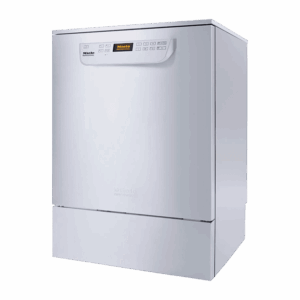
Undercounter Zebrafish Washers provide compact solutions ideal for small to mid-sized facilities processing 50-300 tanks weekly. These systems install beneath laboratory counters or benches, maximizing space efficiency in facilities with limited square footage. Undercounter models typically feature 24-inch width accommodating standard zebrafish tanks (dimensions vary but common sizes include 3L, 10L, and larger breeding tanks), programmable cycles specifically designed for aquatics applications (longer wash times, specialized rinse sequences), and compatibility with existing plumbing and electrical infrastructure requiring minimal facility modifications. Modern undercounter units incorporate stainless steel interiors resisting corrosion from mineral-laden aquatics waste, specialized rack configurations holding tanks securely during washing, and quiet operation (<60 dBA) suitable for installation in occupied laboratory spaces. These systems represent optimal solutions for academic research labs, core facilities serving multiple investigators, and pharmaceutical screening operations with moderate throughput demands. Our selection includes undercounter laboratory washers that can be configured for aquatics applications.
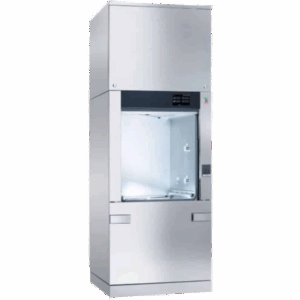
Freestanding Aquatics Washers offer larger capacity for high-throughput facilities processing 300-1,000+ tanks weekly. These floor-standing units provide greater chamber volume (100-300+ liters internal capacity) accommodating larger or more numerous items per cycle, more powerful pumps and heating elements enabling faster cycle times and superior cleaning performance, and enhanced spray arm configurations ensuring thorough coverage of complex geometries including tank corners, lid channels, and filtration components. Freestanding models suit centralized aquatics facilities supporting institutional zebrafish programs, contract research organizations maintaining large colonies, and pharmaceutical companies with dedicated zebrafish screening platforms. Installation requires dedicated floor space (typically 3-4 feet width × 2-3 feet depth) and adequate utility capacity (water supply, drainage, electrical service, and potentially steam connections). These systems justify their footprint and higher initial cost through superior throughput, reduced labor per tank processed, and enhanced cleaning efficacy supporting biosecurity.
Pass-Through Aquatics Washers incorporate double-door designs enabling loading from "dirty" side (adjacent to tank breakdown areas) and unloading from "clean" side (in clean equipment storage or tank filling areas). This configuration maintains directional workflow preventing cross-contamination between soiled and sanitized equipment—particularly important in facilities maintaining disease models, quarantine operations, or multiple genetic lines requiring biosecurity separation. Pass-through systems require wall penetration and adequate space on both sides but provide workflow advantages justifying installation complexity in large facilities. These configurations are especially valuable when integrated with comprehensive aquatics facility design following principles similar to vivarium equipment infrastructure where contamination control is paramount.
Specialized Component Washers focus on specific equipment types requiring unique cleaning approaches. Sump filter washers accommodate irregular shapes and internal chambers of biological filtration systems. Feeding ring washers handle numerous small items simultaneously. Some facilities use combination approaches—general-purpose aquatics washers for standard tanks and dedicated units for specialized components. Modular loading systems with interchangeable basket configurations provide flexibility accommodating diverse equipment inventories common in zebrafish facilities supporting multiple research protocols.
Custom and Modified Systems address unique facility requirements including extremely high-throughput operations, oversized equipment (large breeding vats, commercial aquaculture tanks adapted for research), or specialized biosecurity protocols. Facilities processing >1,000 tanks weekly may benefit from tunnel washing systems enabling continuous loading and processing, though these represent substantial capital investment justified only by very large operations. Work with equipment specialists and aquatics facility designers to identify optimal solutions balancing throughput, budget, and space constraints.
How to Select Zebrafish and Aquatics Washing Equipment
Optimal washer selection requires comprehensive evaluation of facility operations, tank inventory, biosecurity requirements, and growth projections:
- Throughput Capacity Assessment: Calculate weekly tank processing volume including breeding tanks requiring frequent changes, nursery tanks with growing fry, experimental tanks, quarantine units, and system maintenance equipment. Account for peak demand periods and study initiation surges. Size washer capacity handling typical weekly volume without creating bottlenecks. Undersized washers force compromises (manual washing, delayed tank changes, reduced cleaning quality) compromising fish health and research quality
- Tank Types and Dimensions Inventory: Document all tank sizes, shapes, and configurations used in your facility. Standard zebrafish tanks range from small embryo containers (<1L) to large breeding systems (50-100L). Ensure washer chamber dimensions and loading configurations accommodate your largest tanks. Verify door openings allow tank insertion and removal without damage. Consider future tank additions as facility programs evolve
- Component Compatibility: Beyond tanks, aquatics facilities must wash tank lids, feeding rings, siphons, filtration media containers, air stones, heater guards, breeding inserts, and system plumbing components. Verify washer accommodates this diverse equipment inventory through appropriate basket systems, spray coverage patterns, and cycle flexibility. Some components may require hand washing or separate processing
- Cycle Time and Daily Capacity: Typical aquatics wash cycles range 45-90 minutes including pre-wash, main wash, multiple rinses, and optional drying. Calculate daily processing capacity based on realistic cycle times and facility operating hours. For example, an undercounter washer completing 60-minute cycles can process 8-12 loads in a typical workday depending on loading/unloading time. Multiply by tanks per load to determine daily capacity
- Water Quality Requirements: Final rinse water quality critically impacts fish health upon tank return to service. Specify washers using purified water (RO, DI) for final rinses, eliminating chlorine, chloramines, heavy metals, and other contaminants harmful to fish. Municipal tap water may suffice for pre-wash and wash cycles if followed by purified water rinses. Conductivity monitoring ensures rinse water meets specifications (typically <10 μS/cm for sensitive applications). Integration with facility water treatment systems may require coordination during installation
- Chemical Compatibility and Safety: Aquatics washing demands careful detergent selection—aggressive alkaline or acidic cleaners effective for laboratory glassware may leave residues toxic to fish even after rinsing. Specify washers compatible with aquatics-safe detergents (typically neutral pH, free from phosphates, chlorine, and other fish toxins) and automatic dosing systems ensuring consistent concentrations. Some facilities use food-grade detergents or specialized aquatics cleaning formulations. Review our comprehensive detergent guide for chemical selection principles applicable to aquatics applications with additional fish-safety considerations
- Biofilm and Algae Removal Effectiveness: Aquatics equipment develops stubborn biofilms and algae growth conventional washing may not adequately remove. Evaluate washers offering extended wash cycles, elevated wash temperatures (if tank materials tolerate heat), multiple spray arms providing complete surface coverage, and compatibility with enzymatic or oxidizing agents breaking down organic films. Request demonstration washing heavily soiled tanks verifying cleaning efficacy before purchase
- Material Compatibility: Zebrafish tanks use diverse materials including polycarbonate, acrylic, polypropylene, and glass—each with different temperature and chemical tolerances. Verify washer wash temperatures, detergent formulations, and mechanical action (spray pressure, rack movement) won't damage tank materials. Acrylic scratches easily; polycarbonate can craze from certain chemicals or high heat. Specify appropriate cycles preserving equipment integrity
- Drying Capability: Effective drying prevents water spotting, mineral deposits, and microbial growth on stored equipment. Some washers include heated drying cycles; others rely on residual heat and air circulation. For facilities with high humidity or limited storage space, integrated drying reduces time before tanks can be returned to racks or filled. Alternatively, separate drying cabinets can complement washing equipment
- Space and Installation Requirements: Measure available floor or under-counter space including door clearances, service access, and utility connections. Verify electrical requirements (typically 208-240V for larger models), water supply pressure and flow capacity, drainage capability handling large volume discharge, and ventilation if steam or chemical vapors are generated. Coordinate with facility engineers early in planning process
- Automation and Data Management: Modern washers offer programmable cycles with multiple user-defined protocols, automatic detergent and rinse aid dosing systems reducing operator variability, data logging recording all wash parameters for quality assurance and troubleshooting, and connectivity options for integration with facility management systems. For GLP facilities or highly regulated operations, electronic record-keeping supports compliance documentation
- Long-Term Operating Costs: Beyond purchase price, consider water consumption (varies widely, 20-100+ gallons per cycle), energy usage (heating water represents major cost component), detergent and rinse aid consumption (calculate based on estimated annual cycles and dosing rates), maintenance parts (pumps, spray arms, filters), and service contracts. Energy-efficient models with water recirculation and heat recovery systems significantly reduce operating costs over 10-15 year equipment lifecycles
Our aquatics facility equipment specialists conduct on-site assessments helping quantify washing requirements, evaluate space constraints, and recommend optimal configurations. We also provide complementary equipment for comprehensive aquatics facility operations.
Key Features to Compare Across Aquatics Washing Systems
When evaluating washers from different manufacturers, focus on these critical performance and operational characteristics:
- Spray System Design and Coverage: Multiple spray arms (upper, lower, and rotating) ensure complete coverage of tank interiors, exteriors, and difficult-to-reach areas like corners and lid channels. Verify spray pressure adequate for biofilm removal without damaging delicate components. Removable spray arms facilitate cleaning and maintenance. Test with your actual tanks confirming adequate coverage before purchase
- Chamber Construction and Corrosion Resistance: Stainless steel chambers (304 or 316 grade) provide maximum durability and resist corrosion from minerals in aquatics waste and aggressive cleaning chemicals. Seamless construction without crevices prevents biofilm accumulation in the washer itself. Sloped chamber floors with strategically located drains ensure complete water evacuation preventing stagnant water harboring bacteria
- Loading Flexibility and Capacity: Adjustable or interchangeable rack systems accommodate varied tank sizes and shapes maximizing load density. Quick-change basket configurations enable rapid adaptation to different equipment types without tools. Calculate realistic capacity based on your typical tank mix—manufacturers' maximum capacity ratings may assume smaller items than your standard tanks
- Temperature Control and Monitoring: Precise temperature control throughout wash and rinse cycles ensures consistent cleaning efficacy and proper chemical activity. Multiple temperature sensors verify uniformity across chamber. Digital displays and data logging document temperatures meeting validated cycle specifications. Programmable temperature profiles allow optimization for different soil loads and tank materials
- Filtration and Water Recirculation: Multi-stage filtration systems (coarse debris screens, fine particle filters) enable water reuse during wash cycles, reducing consumption by 40-60%. Self-cleaning filters minimize maintenance. Separate filtration for recirculated wash water versus final purified rinse water prevents contamination. Properly maintained filtration systems extend pump life and improve cleaning performance
- Chemical Dosing Precision: Automatic dosing systems with peristaltic or piston pumps ensure consistent detergent and rinse aid concentrations (typically ±2-5% accuracy). Conductivity or pH monitoring verifies proper chemical delivery. Lockout features prevent cycle initiation without adequate chemical supply. Separate dosing channels enable multi-stage chemical protocols (alkaline wash, acid neutralization, final rinse additive)
- Cycle Programming and Control: User-friendly touchscreen interfaces simplify operation and reduce training burden. Store multiple pre-programmed cycles for different equipment types or soil loads (light: daily-used tanks; heavy: algae-covered breeding tanks; sanitization: disease outbreak response). Password protection prevents unauthorized cycle modifications in validated operations. USB or network connectivity enables cycle backup and transfer between identical units
- Validation and Documentation Support: For facilities requiring validated cleaning processes (GLP, regulatory submissions), washers should facilitate qualification including temperature mapping capabilities, integrated data logging of all critical parameters (time, temperature, pressure, chemical concentration), and export functions generating batch records. Manufacturer-provided validation protocols and support documentation streamline IQ/OQ/PQ processes
- Noise and Vibration Control: Quiet operation (<60 dBA) is important for washers located in occupied laboratory spaces or near zebrafish holding rooms where noise could stress fish. Insulated cabinets, vibration-isolated pumps, and soft-close doors reduce acoustic and vibrational disturbances. Verify noise levels during full operation including high-pressure spray and pump phases
- Safety Features and Interlocks: Door interlocks preventing opening during high-temperature cycles protect operators from steam burns. Automatic water shut-off prevents overflow from drain blockages or plumbing failures. Over-temperature protection safeguards against heating element malfunction. Emergency stop buttons should be easily accessible. Proper safety features reduce liability and prevent injuries
- Serviceability and Maintenance Access: Front-accessible components (pumps, filters, heating elements, spray arms) simplify routine maintenance and reduce service calls. Diagnostic modes and error code displays assist troubleshooting. Availability of service manuals, spare parts, and factory-trained technicians varies by manufacturer—verify local service infrastructure before purchase. Extended warranties or service contracts stabilize long-term costs
- Energy Efficiency: Modern washers with heat recovery, insulated chambers, and ECM motors consume 30-50% less energy than older models. Calculate 10-year energy costs at your local utility rates—efficient models pay for incremental purchase cost within 2-4 years through reduced operating expenses. Energy-efficient equipment also supports institutional sustainability initiatives and may contribute to LEED certification if applicable
Premium aquatics washers incorporate advanced features like turbidity sensors detecting wash water cleanliness and extending cycles if needed, automated self-cleaning cycles maintaining optimal washer hygiene, and predictive maintenance diagnostics alerting operators to developing issues before failures occur—particularly valuable in facilities where washer downtime directly impacts animal welfare.
Maintenance and Best Practices for Aquatics Washers
Regular maintenance ensures consistent cleaning performance, equipment longevity, and fish health protection:
- Daily Operational Checks: Verify washer completes cycles successfully with proper drainage and no error codes. Inspect chamber interior for residual debris or buildup—remove manually if present. Check detergent reservoirs and refill before depletion. Clean door gaskets and seals preventing leaks and maintaining proper sealing. Run empty cleaning cycle if heavily soiled equipment was processed to prevent biofilm establishment in washer
- Weekly Deep Cleaning: Remove and clean all spray arms under running water dislodging any mineral deposits or debris blocking nozzles. Use small brushes or compressed air clearing individual spray holes. Clean chamber screens and filters catching large debris—accumulated material restricts water flow reducing cleaning effectiveness. Inspect door seals for damage, wear, or biofilm growth. Wipe down exterior surfaces and control panel. Test door interlock function
- Monthly Preventive Maintenance: Descale wash chamber, spray arms, and heating elements using manufacturer-recommended descaling agents appropriate for your water hardness. Mineral scale accumulation reduces heating efficiency and spray effectiveness. Inspect and clean drain assembly including traps and overflow prevention devices. Verify temperature accuracy using calibrated reference thermometer—sensors can drift over time. Check pump seals for leaks or unusual noise indicating bearing wear
- Quarterly Comprehensive Service: Perform complete wash system validation using test protocols appropriate for your application—may include visual inspection of cleaned test tanks, ATP bioluminescence swabs verifying surface cleanliness, or water quality testing of final rinse water. Inspect all hoses, connections, and fittings for deterioration—replace as needed. Verify chemical dosing system calibration using titration or other analytical methods. Clean or replace pre-filters and inlet screens. Test all safety interlocks and alarms
- Annual Certification (if applicable): For facilities requiring validated washing processes (GLP, regulatory compliance), conduct annual revalidation including temperature mapping throughout chamber during all cycle phases, cleaning efficacy demonstration using standardized soil challenges, water quality verification of final rinse, and complete review and update of validation documentation. Maintain comprehensive records supporting regulatory inspections and research data integrity
- Biofilm Prevention in Washer: Aquatics washers themselves can harbor biofilm in wet, nutrient-rich environments. Run weekly sanitization cycles using appropriate disinfectants (hydrogen peroxide, peracetic acid, or chlorine-based sanitizers) compatible with washer materials. Never allow standing water in chamber between uses—ensure complete drainage and drying. Some facilities run empty heat-drying cycles overnight preventing microbial growth. Biofilm in washers can recontaminate cleaned equipment compromising fish health
- Water Quality Monitoring: Test final rinse water quality monthly (or more frequently for sensitive applications) including conductivity, pH, chlorine/chloramine residuals (should be zero), and dissolved oxygen. Quarterly microbial testing (standard plate count) verifies rinse water is not introducing pathogens. Annual comprehensive analysis including heavy metals, nitrate/nitrite, and alkalinity confirms continued water treatment system performance. Document all results in facility records
- Chemical System Maintenance: Flush chemical dosing lines monthly preventing precipitate buildup. Inspect tubing for deterioration or microbial growth—replace annually or as needed. Calibrate dosing pumps semi-annually verifying delivery rates match settings. Maintain safety data sheets (SDS) for all chemicals readily accessible to personnel. Train staff on proper chemical handling, PPE requirements, and spill response. Store chemicals per manufacturer recommendations
- Comprehensive Record Keeping: Document all maintenance activities including dates, tasks performed, parts replaced, issues identified, and corrective actions taken. Track water consumption, energy usage, and chemical consumption identifying trends indicating problems (increasing consumption suggests inefficiency or leaks). Maintain equipment manual, spare parts lists, service contact information, and validation records in organized filing system or CMMS. For GLP facilities, maintain equipment logbooks with entries dated and signed
- Operator Training and SOPs: Develop and maintain detailed standard operating procedures covering proper loading techniques, cycle selection, troubleshooting, routine maintenance, and emergency procedures. Train all operators initially and document competency. Annual refresher training ensures consistency across shifts and personnel changes. Improper operation (overloading, selecting inappropriate cycles, using wrong chemicals) damages equipment and compromises cleaning effectiveness
For comprehensive maintenance guidance applicable to all laboratory washing equipment, review our laboratory washer maintenance guide and 15 pro tips to extend equipment lifespan. These principles apply equally to aquatics washers with additional attention to fish-safe cleaning agents and biofilm control.
Frequently Asked Questions
What makes aquatics washers different from standard laboratory glassware washers?
Aquatics washers must address unique challenges not encountered with laboratory glassware, requiring specialized features and protocols. Biofilm removal is dramatically more difficult—zebrafish tanks develop thick organic biofilms containing bacteria, algae, and protozoans that adhere tenaciously to surfaces. Standard glassware cycles may not adequately remove these films requiring extended wash times, elevated temperatures (when tank materials permit), enzymatic detergents breaking down biological films, and mechanical action from optimized spray patterns. Algae growth, particularly in tanks with prolonged use or high light exposure, requires specific removal approaches—some facilities pre-treat heavily algae-fouled tanks with oxidizing agents before washing. Chemical safety considerations differ fundamentally—laboratory glassware washers use aggressive alkaline or acidic detergents leaving residues harmless to subsequent chemical work but potentially lethal to fish. Aquatics washers must use fish-safe detergents (typically neutral pH, free from phosphates, chlorine, ammonia, and other toxicants) and ensure complete removal through extensive purified water rinsing. Mineral deposits from hard water or salt accumulation (brackish systems) require specific descaling approaches using acids compatible with tank materials and safe for fish exposure. Material compatibility is more complex—zebrafish tanks use diverse plastics (polycarbonate, acrylic, polypropylene) with different temperature and chemical tolerances versus uniform borosilicate glass in laboratory glassware. Tank shapes are irregular with corners, lid channels, and complex geometries requiring comprehensive spray coverage unlike simple glassware forms. Water quality requirements are more stringent—final rinse water must be chlorine-free, low conductivity, and appropriate pH for fish health, whereas minor residuals acceptable in glassware would be catastrophic in aquatics applications. Loading configurations differ—tanks are bulkier and less regular than laboratory glassware requiring flexible rack systems. Despite these differences, many high-quality laboratory glassware washers can be adapted for aquatics use through appropriate cycle programming, chemical selection, and loading optimization. Consult with equipment specialists and aquatics facility managers to determine whether general-purpose or dedicated aquatics washers best suit your specific requirements.
How do I prevent residual detergent from harming fish after washing tanks?
Preventing detergent residues requires comprehensive approach including proper chemical selection, adequate rinsing, water quality control, and validation. Select aquatics-safe detergents specifically formulated for fish facility applications—these products are designed to rinse completely, avoid ingredients toxic to fish, and maintain pH near neutral reducing chemical stress. Avoid household detergents, industrial cleaners, or laboratory glassware detergents containing phosphates, chlorine, ammonia, fragrances, or surfactants persisting after rinsing. Implement multi-stage rinse protocols including pre-rinse removing gross soil before detergent introduction, multiple wash rinses diluting and removing bulk detergent (2-3 rinse cycles minimum), and final rinses using purified water (RO or DI) ensuring no municipal water contaminants. Each rinse cycle should use fresh water—recirculated rinse water concentrates rather than removes residues. Verify rinse water quality testing conductivity (<10 μS/cm indicates minimal dissolved solids including detergent residuals), ensuring pH appropriate for target species (typically 6.5-8.0 for zebrafish), and confirming absence of chlorine/chloramines using test kits or meters. Some facilities conduct periodic toxicity testing by placing sentinel fish in freshly washed tanks monitoring for adverse effects—unexplained mortality or stress behaviors indicate inadequate rinsing or inappropriate chemicals. Validate washing processes initially and after any changes using analytical methods—spectrophotometry detecting detergent residues, ATP bioluminescence verifying organic matter removal, or microbial testing confirming sanitization. Document validation results supporting cleaning effectiveness. Inspect tanks visually after washing—residual soap film, odors, or slippery surfaces indicate inadequate rinsing. Never compromise on rinse quantity or quality to save time—inadequate rinsing causes fish mortality, wasted animals, compromised research, and expensive facility shutdowns investigating deaths. If fish health problems occur after introducing washed equipment, immediately investigate washing protocols, detergent formulations, and rinse water quality before additional animals are exposed. Our comprehensive detergent guide provides detailed selection principles adaptable to aquatics applications with additional fish-safety considerations paramount for this specialized use.
Can one washer serve both zebrafish tanks and other laboratory equipment?
Shared use of washers for zebrafish equipment and other laboratory items is feasible with appropriate protocols, cycle validation, and risk assessment, though dedicated aquatics washers provide optimal biosecurity. If sharing equipment, implement strict protocols including: dedicated wash racks or baskets for aquatics items never used for other applications preventing cross-contamination; aquatics-safe chemicals suitable for all applications—this means using mild detergents acceptable for fish equipment rather than aggressive laboratory cleaners that could leave toxic residues; comprehensive intermediate rinsing between different equipment types—run empty purified water cycles after washing non-aquatics items before processing fish equipment; cycle validation for each equipment type demonstrating adequate cleaning without cross-contamination; and detailed scheduling preventing mixing aquatics and other equipment in same load. Risk considerations include chemical cross-contamination where traces of laboratory chemicals (fixatives, organic solvents, heavy metals) on glassware could transfer to aquatics equipment harming fish, biofilm transfer from heavily contaminated items to aquatics equipment introducing pathogens, mechanical contamination from non-aquatics items (broken glass, metal fragments) damaging tanks or injuring fish, and scheduling conflicts where urgent needs for different equipment types create workflow bottlenecks. Many facilities successfully share washers between aquatics and standard laboratory glassware since both require similar gentleness, chemical safety, and cleanliness standards. However, sharing with equipment containing hazardous chemicals, infectious materials, or heavy soiling is inadvisable. Never wash radioactive, highly toxic, or infectious disease equipment in washers subsequently used for aquatics applications—cross-contamination risks are unacceptable. For large zebrafish facilities (>500 tanks), dedicated aquatics washers justify investment through improved biosecurity, optimized aquatics-specific cycles, elimination of scheduling conflicts, and reduced cross-contamination risk. Small facilities (<100 tanks) may reasonably share washers with appropriate precautions. Conduct risk assessments considering equipment types, chemicals used, pathogen concerns, and facility biosecurity requirements before implementing shared washing protocols. Consult with facility safety officers, veterinarians, and IACUC if applicable ensuring animal welfare and research quality are not compromised by shared washing.
How often should zebrafish tanks be washed, and can frequency be reduced?
Washing frequency depends on stocking density, feeding rates, system design, water quality, and research protocols. Standard recommendations include: Breeding tanks with high fish densities requiring changes every 3-7 days due to waste accumulation, feeding residues, and algae growth. Nursery tanks with growing fry needing frequent changes (2-5 days) as rapidly growing fish produce substantial waste and frequent feeding accelerates fouling. Experimental tanks for adult fish typically changing weekly to biweekly depending on stocking density and system efficiency. Flow-through or recirculating systems with effective biological filtration may extend intervals to 2-4 weeks though periodic complete system breakdown remains necessary. Static or minimal water exchange systems requiring more frequent changes (weekly or more) as waste accumulates rapidly. Reduce washing frequency through: implementing robust recirculating aquaculture systems (RAS) with biological, mechanical, and chemical filtration maintaining water quality longer between tank changes; optimizing feeding practices to minimize waste—feed appropriate amounts at correct frequencies reducing uneaten food decomposition; maintaining lower stocking densities within recommended limits for your system design; using automated waste removal systems (bottom drains, mechanical filters) capturing solid waste before decomposition; conducting partial water changes between complete tank changes extending useful intervals; and monitoring water quality parameters (ammonia, nitrite, nitrate, pH) guiding change frequency based on actual conditions rather than arbitrary schedules. Benefits of reduced frequency include lower labor requirements for tank processing and washing, reduced fish stress from less frequent handling and environmental changes, decreased water consumption and treatment costs, and extended tank and equipment lifespan from less frequent washing abrasion. Risks of excessive interval extension include ammonia or nitrite toxicity from inadequate waste removal, algae overgrowth creating cleaning difficulties and aesthetic problems, biofilm accumulation potentially harboring pathogens, and declining water quality compromising fish health and research validity. Never compromise fish welfare or research quality attempting to reduce washing frequency—healthy, well-maintained colonies require appropriate husbandry including adequate washing. Monitor fish behavior, mortality rates, and reproductive performance—deterioration suggests inadequate husbandry possibly including excessive tank change intervals. Optimize systems holistically rather than focusing solely on washing frequency—efficient well-designed aquatics systems naturally extend useful intervals while maintaining excellent water quality. Consult with aquatics facility managers and zebrafish specialists to develop optimal protocols for your specific facility and research programs.
What water quality specifications are required for aquatics washer final rinse?
Final rinse water quality is critical for fish health and research reproducibility. Essential specifications include: Chlorine and chloramines must be completely absent—both are acutely toxic to fish even at concentrations safe for human drinking water (<1 ppm chlorine can be lethal; <0.02 ppm harmful). Municipal water typically contains 0.5-4 ppm chlorine requiring removal via reverse osmosis, activated carbon filtration, or chemical neutralization. Test every batch or implement continuous monitoring. pH should be appropriate for target species—zebrafish thrive at pH 6.5-8.0 with 7.0-7.5 optimal. Extreme pH (outside 6.0-9.0 range) stresses fish and indicates water treatment problems. Conductivity indicates dissolved solids including salts, minerals, and potential contaminants. Target <10 μS/cm for ultrapure applications, 200 μS/cm) suggests inadequate purification or contamination. Hardness (calcium and magnesium) should match facility system water—sudden hardness changes stress fish. Zebrafish tolerate 50-300 ppm as CaCO3 with moderate hardness (100-200 ppm) ideal. Very soft water (6 mg/L) though this equilibrates after tanks are filled and aerated. Microbial contamination should be low—rinse water is not sterile but bacterial counts should be 0.02 ppm for some species). RO or DI treatment effectively removes metals. Nitrate and nitrite should be minimal (<10 ppm and <0.2 ppm respectively)—high levels indicate contamination or inadequate water treatment. Monitor rinse water quality regularly including daily chlorine testing, weekly conductivity and pH measurements, monthly microbial testing, and annual comprehensive analysis (metals, nitrogen compounds, organics) verifying continued water treatment system performance. Document all results supporting facility quality assurance and troubleshooting if fish health problems occur. Install in-line monitoring where feasible providing real-time alerts if water quality deviates from specifications. Never use rinse water of questionable quality—contaminated rinse water introduced through washed equipment affects entire facility. Investment in proper water treatment and monitoring is fundamental to successful zebrafish facility operation. For detailed water quality management principles, consult zebrafish husbandry texts and aquatics facility design specialists ensuring your washing equipment integrates properly with overall facility water quality infrastructure.
How do I validate that my aquatics washer effectively removes pathogens?
Validating pathogen removal requires systematic approach including protocol development, challenge testing, and ongoing monitoring. Initial validation process: develop written washing protocols specifying cycle parameters (time, temperature, detergent concentration, rinse sequences) for different equipment types and soil loads; identify target organisms relevant to your facility—common zebrafish pathogens include Mycobacterium species, Pseudomonas aeruginosa, Flavobacterium columnare, and Edwardsiella ictaluri; conduct challenge studies by intentionally contaminating test tanks with known concentrations of target organisms (using appropriate BSL-2 containment), processing through validated wash cycles, and sampling surfaces post-wash using swabs, rinse water collection, or direct culture methods; analyze samples using microbiological culture, PCR, or other appropriate detection methods quantifying organism survival/removal; and document that washing achieves adequate reduction (typically >3-4 log reduction or complete elimination depending on organism and regulatory requirements). For thermal disinfection validation, verify achievement of time-temperature combinations known to inactivate target pathogens—many bacteria and fungi are eliminated by >80°C for 10+ minutes though some organisms (Mycobacterium, bacterial spores) require more aggressive conditions. For chemical sanitization, validate appropriate disinfectant concentrations, contact times, and environmental conditions (temperature, organic load, pH) achieving effective kill. Alternative validation approaches include: ATP bioluminescence swabs detecting residual organic matter—clean surfaces should show <100 RLU, indicating thorough cleaning though this doesn't specifically detect viable organisms; monitoring tank surfaces for biofilm using visual inspection, tactile assessment (slimy surfaces indicate inadequate cleaning), or specialized imaging techniques; and sentinel fish exposure placing healthy fish in freshly washed tanks monitoring for infection transmission over 2-4 weeks. Ongoing validation maintenance requires periodic repeat validation (annually or after process changes), routine environmental monitoring sampling tanks, washers, and facility surfaces for common pathogens, trending disease incidence in colonies—increased infections may indicate inadequate sanitation, and investigating disease outbreaks including review of washing protocols as potential contributing factor. Document all validation activities maintaining comprehensive records including validation protocols, test results, corrective actions for failures, and revalidation schedules. Validation is particularly critical for facilities maintaining immunocompromised lines, conducting infectious disease research, or operating under GLP requirements. For facilities without in-house microbiology expertise, contract laboratories can perform validation testing, or consultation with comparative medicine veterinarians and aquatics pathologists provides guidance. Never assume washing is adequate without validation—inadequate sanitation causes disease outbreaks destroying valuable lines, compromising research, and potentially requiring expensive facility decontamination. Investment in proper validation protects your research investment and ensures animal welfare.
What should I do if washed tanks are causing unexplained fish mortality?
Unexplained mortality following introduction of washed equipment requires immediate systematic investigation. Immediately discontinue use of suspect equipment—do not introduce additional washed tanks until cause is identified. Move affected fish to known-safe housing if possible limiting exposure. Notify facility management, veterinary staff, and affected investigators. Conduct comprehensive investigation including: water quality testing of recently washed tanks measuring chlorine/chloramines (most common acute toxicant), pH (should be 6.5-8.0), ammonia (toxic >0.02 ppm), conductivity (checking for excessive dissolved solids), dissolved oxygen (should be >6 mg/L), temperature (should be appropriate 24-28°C for zebrafish), and any unusual odors, colors, or films suggesting contamination. Test affected fish conducting necropsies, histopathology, and pathogen screening (bacterial culture, PCR) to identify cause of death—toxicosis versus infectious disease versus environmental stress. Review washing protocols examining recent changes to detergent formulations, cycle parameters, rinse sequences, water treatment system maintenance, chemical dosing settings, and operator training/turnover potentially introducing errors. Inspect washing equipment checking for chemical container mislabeling or cross-contamination, malfunctioning rinse cycles or water treatment, biofilm accumulation in washer chamber or plumbing, and mechanical failures affecting cleaning effectiveness. Test washer performance running empty validation cycles measuring all parameters, processing heavily soiled test items evaluating cleaning effectiveness, and conducting microbial or chemical residue testing on test tanks. Conduct controlled exposure studies placing healthy fish in suspect washed tanks monitoring for mortality, behavioral changes, or physiological stress compared to controls in validated safe tanks. Common causes and solutions include: inadequate rinsing allowing detergent residues (solution: extend rinse cycles, increase rinse water volume, verify purified water quality); chlorine or chloramine in rinse water from water treatment failure (solution: check carbon filters, RO membranes, verify dechlorination system functioning); inappropriate or contaminated detergents (solution: verify correct products, check for chemical cross-contamination, review SDS ensuring fish-safe formulations); biofilm or pathogen persistence in washer equipment (solution: intensive washer disinfection, increase wash temperature or cycle time, implement routine sanitization protocols); operator errors from inadequate training (solution: refresher training, simplify protocols, implement verification steps); and facility water supply contamination from municipal water treatment changes, plumbing repairs, or cross-connections (solution: comprehensive facility water testing, bypass suspect water sources, install additional treatment). Document entire investigation including timeline of events, test results, identified causes, corrective actions, and preventive measures preventing recurrence. Report findings to facility leadership and affected researchers. Implement corrective actions and validate effectiveness before resuming normal operations. Serious incidents may require regulatory notification (IACUC, AAALAC, funding agencies) depending on animal numbers affected and research impact. Prevent future incidents through regular equipment maintenance, operator training, water quality monitoring, and periodic washing process validation. Our article on zebrafish facility operations discusses quality control approaches supporting animal health and research integrity.
Related Zebrafish Facility Equipment and Infrastructure
Comprehensive zebrafish facility operations integrate aquatics washers with broader infrastructure supporting colony health and research productivity. Related equipment categories include:
Request a Quote for Zebrafish and Aquatics Washing Systems
ARES Scientific's aquatics facility equipment specialists provide comprehensive support for facilities establishing or expanding zebrafish research programs. Our team understands the unique requirements of aquatics washing and can guide equipment selection ensuring fish health protection, operational efficiency, biosecurity maintenance, and regulatory compliance while optimizing throughput and budget utilization.
We offer complete consultation services including facility assessment and tank processing volume analysis, washer configuration recommendations for your specific tank inventory, water treatment system integration planning ensuring appropriate rinse water quality, chemical selection guidance identifying fish-safe detergents and sanitizers, cycle development and validation support for your specific applications, staff training resources and operational protocol development, comparative cost analysis of equipment options including long-term operating expenses, and integration planning with existing facility infrastructure and workflows.
Whether establishing a new zebrafish core facility, expanding existing operations, upgrading aging washing equipment, or improving cleaning effectiveness and efficiency, our consultative approach ensures optimal equipment selection balancing fish welfare, research quality, operational efficiency, and budget constraints.
Connect with our aquatics washing equipment specialists:
- Request a detailed quote and application consultation
- Schedule a virtual facility assessment discussing your tank processing requirements
- Review equipment options with demonstrations showing actual zebrafish tank cleaning
- Receive water quality specifications and treatment system recommendations
- Discuss validation protocols and documentation supporting research quality
Nationwide delivery, installation, and commissioning services available. Ask about our comprehensive support including operator training programs, maintenance and service contracts, water quality testing coordination, and troubleshooting assistance ensuring your zebrafish washing equipment maintains optimal performance supporting healthy colonies, high-quality research, and efficient facility operations throughout the equipment's 15-20 year service life. We provide the specialized aquatics expertise needed for successful zebrafish research facility operations.