Laboratory equipment encompasses every instrument, containment system, thermal platform, and storage unit that research teams, clinical laboratories, and pharmaceutical manufacturers depend on to execute protocols safely and generate defensible data. ARES Scientific supplies a comprehensive portfolio of clean air and containment equipment, laboratory cold storage, benchtop instruments, sterilization systems, incubation platforms, and downstream decontamination solutions to research institutions, universities, hospital-based laboratories, biotech organizations, and pharmaceutical manufacturers across the United States. From NSF/ANSI 49-certified biological safety cabinets and −86°C ultra-low temperature freezers to analytical balances with 0.1 mg readability and validated autoclave systems, each category in this catalog is selected to meet the operational, regulatory, and validation requirements of modern laboratory environments. Manufacturers represented include Baker, Benchmark Scientific, Caron Scientific, Ohaus, Consolidated Sterilizer Systems, DeNovix, and ARES Scientific's proprietary ARES Cool cold storage brand, covering both trusted third-party platforms and purpose-built solutions designed for life science workflows.
Laboratory Equipment Categories and Configurations
Clean Air and Containment
Containment and clean-air equipment forms the biosafety and product-protection backbone of any research, clinical, or pharmaceutical laboratory. Class II A2 biological safety cabinets are the most widely deployed BSC configuration in academic and research labs, recirculating 70% of cabinet air through HEPA filtration and exhausting 30% — suitable for BSL-1 and BSL-2 work without volatile toxic chemicals. Class II B2 total-exhaust cabinets, Class III gloveboxes, and specialized configurations extend coverage to BSL-3 applications and volatile chemical work. Baker SterilGARD e3, BioChemGARD e3, and NCB e3 models cover the major BSC classifications, available through ARES Scientific as an authorized Baker distributor. The clean air and containment portfolio also includes ducted and ductless fume hoods for chemical work requiring ASHRAE 110-validated face velocities, compounding aseptic containment isolators (CACI) for USP 797/800-compliant pharmacy compounding environments, laminar flow clean benches for ISO 5-equivalent product protection, and automation enclosures for liquid handling robotics integration. Key containment equipment types include:
- Class II A2, B1, and B2 biological safety cabinets — NSF/ANSI 49 certified, covering BSL-1 through BSL-3 applications
- Class III gloveboxes for maximum containment of BSL-3 and BSL-4 agents requiring total isolation
- Ducted and ductless fume hoods for organic chemistry, acid digestion, and volatile solvent handling
- Laminar flow clean benches (horizontal and vertical) for product protection in ISO 5-equivalent work zones
- Compounding aseptic containment isolators (CACI) — positive and negative pressure configurations for sterile compounding
- Automation and liquid handling enclosures for robotics platforms requiring classified air environments
- Vented balance enclosures and contained vented enclosures (CVE) for powder weighing and hazardous material handling
Laboratory Cold Storage
Cold storage requirements span a wide temperature range — from ARES Cool pharmaceutical refrigerators maintaining 2°C–8°C to liquid nitrogen dewars operating at −196°C for cryogenic cell and tissue preservation. ARES Scientific's proprietary ARES Cool line covers NSF/ANSI 456-compliant pharmacy refrigerators, combination refrigerator/freezer units with −20°C, −30°C, and −40°C freeze compartments, and undercounter freezers engineered to CDC vaccine storage requirements. The broader cold storage catalog provides laboratory refrigerators and laboratory freezers in upright and undercounter configurations, ULT freezers operating at −80°C to −86°C for long-term biobanking and clinical sample archival, and refrigerator and freezer combo units that consolidate dual-temperature storage in a single footprint. Cold storage selection considerations include:
- Pharmaceutical-grade refrigerators (2°C–8°C): NSF/ANSI 456, CDC/VFC, and USP Chapter 1150 compliance requirements
- Laboratory freezers (−20°C): upright and undercounter formats, frost-free vs. manual defrost depending on sample sensitivity
- ULT freezers (−80°C to −86°C): pull-down performance, temperature recovery after door opening, ECM compressor options for energy efficiency
- Combo units (−20°C to −40°C freeze compartment): ideal for space-constrained pharmacies, nursing units, and clinical labs needing dual temperatures
- Hazardous materials refrigerators and freezers: spark-free interiors required for flammable solvent and ethanol storage
- Liquid nitrogen storage: dewar and cryogenic tank options for cell line, embryo, and tissue biobanking at −196°C
Benchtop Instruments and Analytical Equipment for Laboratory Operations
Centrifuges, Balances, and Separation Equipment
Benchtop instruments support sample preparation, quantification, and quality control workflows across virtually every laboratory discipline. ARES Scientific supplies benchtop instruments from Benchmark Scientific, Ohaus, and DeNovix, covering the full range of common laboratory platforms. Centrifuges are available in microcentrifuge (up to 21,130 × g), universal, refrigerated, and microplate configurations — refrigerated centrifuges maintaining 4°C chamber temperature are essential for RNA extraction, protein pelleting, and gradient separations where sample stability is temperature-dependent. Scales and balances from Ohaus span 0.1 mg analytical balances with internal calibration and GLP/GMP data output through high-capacity precision balances rated to 35 kg for bulk weighing applications. Analytical instruments also include:
- Analytical balances: 0.1 mg readability, 80–220 g capacity, draft shield enclosures, internal calibration, 21 CFR Part 11-compatible output
- Semi-micro balances: 0.01 mg readability for reference standard preparation and high-precision formulation work
- Microcentrifuges: 8–12 place fixed-angle and swing-out rotors, max 21,130 × g for pellet work in 0.5–2 mL tubes
- Refrigerated centrifuges: 4°C chamber for protein, enzyme, and nucleic acid workflows sensitive to ambient temperature variation
- Universal centrifuges: interchangeable rotors accommodating 0.5 mL through 50 mL tubes, plates, and bottles
Spectrophotometers, Shakers, and Supporting Instruments
Spectrophotometers and fluorometers from Benchmark Scientific and DeNovix quantify nucleic acids and proteins at 230/260/280 nm — critical for assessing DNA and RNA purity before downstream applications including PCR, sequencing, and transfection. Orbital shakers cover flask sizes from 125 mL to 6 L at 20–500 rpm, with CO₂ incubator-compatible platforms available for cell culture scale-up work. Water baths and dry baths support enzyme reactions, hybridization, and sample thawing workflows requiring precise temperature control from ambient to 100°C. Additional benchtop platforms include:
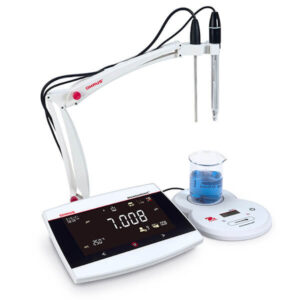
- pH meters: benchtop and portable models with ATC, GLP data output, and multi-parameter capability (pH/mV/conductivity)
- Vortex mixers: fixed-speed and variable-speed 100–3,200 rpm models for tube, microplate, and flask mixing applications
- Homogenizers: bead mill homogenizers and rotor-stator platforms for cell lysis, tissue disruption, and emulsification
- Microplate readers: absorbance, fluorescence, and luminescence detection for ELISA, cell viability, and reporter assays
- Rockers and tube rotators: 3D platform rocking and end-over-end rotation for blood sample mixing, hybridization, and bead assays
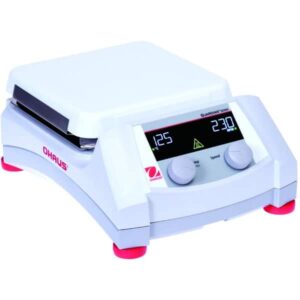
- Hotplates and stirrers: single and multi-position platforms with independent temperature and speed control to 550°C and 1,500 rpm
Sterilization, Decontamination, Incubation, and Downstream Laboratory Systems
Sterilizers, Autoclaves, and Dry Heat Systems
Steam sterilization using saturated steam under pressure remains the primary validated method for heat-stable laboratory materials including culture media, glassware, instruments, and biological waste. ARES Scientific's sterilizers and autoclaves from Consolidated Sterilizer Systems cover benchtop, floor-standing, and sterilization room configurations with gravity displacement, pre-vacuum, and liquid cycle capability. Steam sterilizers appropriate for research labs range from 16-liter benchtop units to large-capacity pass-through systems for GMP and vivarium operations. Dry heat sterilizers from Gruenberg provide depyrogenation at 250°C–300°C where moisture would damage glassware or interfere with test results. Critical selection parameters for sterilization equipment include:
- Chamber volume: 8 L benchtop through 2,000 L floor-standing units — size to actual load volume, not theoretical maximum
- Cycle type: gravity displacement for liquids and unwrapped instruments; pre-vacuum required for porous loads and wrapped packs
- Validation documentation: automatic data logging, printer ports, and 21 CFR Part 11 audit trail compatibility for GMP environments
- Pass-through configuration: unidirectional flow from dirty to clean required in GMP suites and vivarium sterilization corridors
- Dry heat sterilizers: 250°C–300°C depyrogenation cycles for glass vials, metal instruments, and powder sterilization
Incubators, Ovens, and Environmental Control Systems
Cell culture, microbiology, and stability testing each impose different incubation requirements that determine equipment selection. CO₂ incubators for mammalian cell culture maintain 37°C, 5% CO₂, and >95% relative humidity with HEPA-filtered airflow and contamination detection systems. CO₂ incubators from Caron Scientific and Benchmark Scientific are available in standard and production-scale formats for high-throughput cell-based research. Shaking incubators provide orbital agitation at 25–37°C for microbial culture in Erlenmeyer flasks from 125 mL to 6 L. Laboratory ovens serve drying, curing, and forced-air aging from ambient +5°C to 300°C, with vacuum ovens extending to solvent removal and desiccation workflows. Following incubation and sterilization workflows, glassware washers, decontamination systems, and environmental monitoring platforms complete the laboratory operations loop. Key parameters by application:
- CO₂ incubators: 37°C, 5% CO₂, >95% RH, HEPA-filtered airflow; direct heat and water-jacket models available
- Shaking incubators: 20–500 rpm orbital agitation, 4°C to 60°C temperature range, stackable platforms for throughput scaling
- Heated/cooled incubators: −10°C to +60°C for BOD studies, insect culture, and low-temperature microbial work
- General purpose ovens: gravity and forced-air convection 30°C–300°C for glassware drying and component testing
- Vacuum ovens: −29 inHg to atmosphere for solvent removal, desiccation, and outgassing of sensitive materials
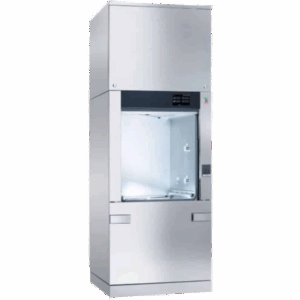
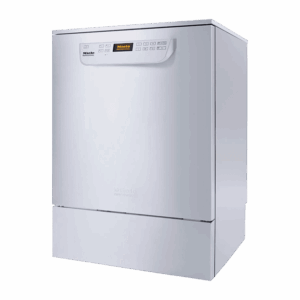
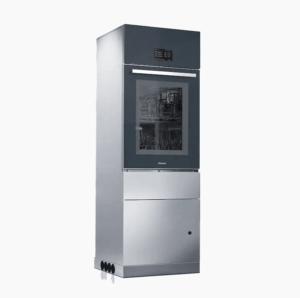
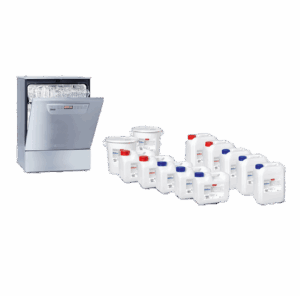
- Glassware washers: freestanding, undercounter, and large-capacity formats with validated wash/rinse/dry cycles for GLP compliance
Selecting Laboratory Equipment: Planning, Procurement, and Compliance Considerations
Specification Alignment with Regulatory and Facility Requirements
Effective laboratory equipment procurement starts with a precise specification of the scientific workflow, regulatory environment, and facility infrastructure — not a catalog search. A BSL-2 academic lab specifying a biological safety cabinet must confirm exhaust ducting availability before choosing between an A2 and a B2 cabinet. A hospital pharmacy specifying cold storage must align with state board requirements and USP 797/800 timelines before selecting a pharmaceutical refrigerator vs. a general-purpose unit. A GMP facility specifying an autoclave must determine whether gravity or pre-vacuum cycles are required for their load types, and whether 21 CFR Part 11 data logging is necessary. Common procurement errors that generate compliance risk include selecting general-purpose refrigerators for pharmaceutical storage, under-sizing autoclave chambers for actual load volumes, and specifying gravity-cycle sterilizers for porous loads that require pre-vacuum treatment. Key specification checkpoints include:
- Biosafety level and chemical use profile — determines BSC classification, exhaust type, and HEPA filtration requirements
- Electrical service available (120V vs. 208/240V) and exhaust infrastructure for BSCs, fume hoods, and CACI systems
- Storage volume with 20–30% growth headroom, and whether pharmaceutical-grade or general-purpose cold storage is required
- Regulatory framework — GLP, GMP, CAP, CLIA, USP 797/800 — each imposes specific equipment performance and validation requirements
- Total cost of ownership: energy consumption, PM intervals, calibration schedule, and validation costs over a 5–10 year lifecycle
Authorized Distribution, Technical Support, and Procurement Consolidation
Consolidating laboratory equipment procurement through a single authorized distributor reduces administrative burden, simplifies warranty management, and provides a consistent technical contact for both pre-sale specification support and post-sale service coordination. ARES Scientific operates as an authorized distributor across all major equipment categories — Baker for containment systems, Consolidated Sterilizer Systems for sterilization, Ohaus and Benchmark Scientific for analytical instruments, Caron Scientific for incubation, and the proprietary ARES Cool brand for medical-grade cold storage. Buyers evaluating distributors should confirm authorization status for each manufacturer represented, verify service territory coverage, and ask about demonstration availability for capital equipment decisions.
- Confirm authorized distributor status for warranty validity and access to manufacturer technical support
- Request IQ/OQ protocols, calibration certificates, and validation data packages at time of order for GMP and GLP environments
- Evaluate demonstration availability for high-value capital equipment — BSCs, ULT freezers, autoclaves — before committing to purchase
- Assess service territory, response time commitments, and PM program availability for clinical environments with uptime obligations
For application-specific equipment guidance, technical specifications, or quantity pricing, contact ARES Scientific at 720-283-0177 ext. 2 or visit the laboratory equipment industry page for workflow-based guidance across research, clinical, and pharmaceutical applications.