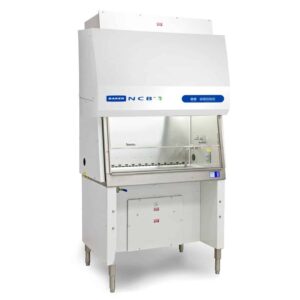
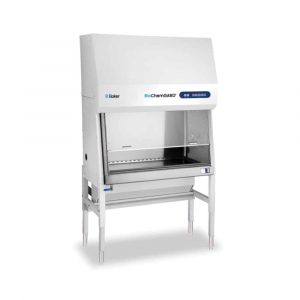
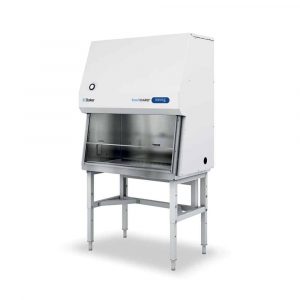
Biological Safety Cabinets for Laboratory Containment
Biological safety cabinets (BSCs) are essential ventilated enclosures designed to protect laboratory personnel, the environment, and work materials from exposure to infectious agents and hazardous biological materials. These specialized containment devices use HEPA filtration and directional airflow to create barriers between operators and potentially dangerous microorganisms. Research laboratories, clinical diagnostic facilities, pharmaceutical manufacturing operations, and hospital pharmacies rely on biological safety cabinets to maintain biosafety protocol compliance while conducting critical work with BSL-1 through BSL-4 organisms.
ARES Scientific offers comprehensive BSC solutions from leading manufacturers including Baker, spanning Class I, Class II (A2, B1, B2), and Class III configurations. Whether your facility performs routine microbiological procedures, chemotherapy compounding, or high-containment pathogen research, selecting the appropriate biological safety cabinet ensures personnel safety, sample integrity, and regulatory compliance with NSF/ANSI 49 standards.
Common Applications and Use Cases
- Microbiology and Cell Culture: Sterile manipulation of bacterial cultures, viral samples, cell lines, and tissue cultures requiring both product and personnel protection
- Pharmaceutical Compounding: USP <797> and <800> compliant preparation of hazardous drugs, particularly chemotherapy agents in hospital and outpatient pharmacy settings (pharmacy applications)
- Diagnostic Testing: Clinical laboratory processing of patient specimens including blood, tissue, and other potentially infectious materials
- Vaccine Production: Aseptic manipulation during vaccine development, cell banking, and biopharmaceutical manufacturing processes
- Animal Research Procedures: Sterile surgical prep, tissue collection, and sample processing in vivarium facilities using specialized animal transfer stations
- Pathogen Research: Containment work with infectious disease agents, including emerging pathogens and genetically modified organisms
- Quality Control Testing: Environmental monitoring, sterility testing, and microbiological QC in pharmaceutical and biotech facilities
Types of Biological Safety Cabinets
Class I Biological Safety Cabinets provide personnel and environmental protection but not product protection. These open-front cabinets draw room air across the work surface and exhaust through HEPA filters. They're ideal for low to moderate risk agents and procedures not requiring sterile conditions, offering a cost-effective containment solution for general laboratory work.
Class II Biological Safety Cabinets are the most common type, providing personnel, product, and environmental protection through laminar airflow and HEPA filtration:
- Class II Type A2: Recirculate 70% of cabinet air after HEPA filtration, exhaust 30% through facility exhaust or thimble connection. Suitable for work with biological agents not involving volatile toxic chemicals or radionuclides. Most versatile and common configuration for general microbiological work, cell culture, and cGMP applications.
- Class II Type B1: Recirculate 30% of air, hard-duct exhaust 70%. Designed for work with minute quantities of volatile toxic chemicals and radionuclides as adjuncts to microbiological studies. Requires dedicated exhaust system connection.
- Class II Type B2: Total exhaust (100%) cabinets that provide maximum chemical vapor protection. All air drawn from the room passes once through the work area and exhausts through dedicated ductwork. Optimal for chemotherapy compounding, volatile chemical use, and work requiring highest containment levels.
Class III Biological Safety Cabinets (Gloveboxes) are gas-tight enclosures providing maximum personnel and environmental protection for work with highly infectious agents. Operations occur through attached rubber gloves, with all materials entering/exiting through double-door pass-through chambers with decontamination capability. Required for BSL-4 work and high-containment laboratories.
For specialized applications, consider anaerobic workstations for culturing oxygen-sensitive organisms, microaerophilic workstations for fastidious bacteria, or large-format automation enclosures for robotic liquid handlers and automated systems.
How to Choose the Right Biological Safety Cabinet
- Risk Assessment: Identify biosafety level requirements based on organisms handled. BSL-1/BSL-2 agents typically use Class II A2, while BSL-3 may require Class II B2 or Class III depending on procedures.
- Chemical Compatibility: Evaluate volatile chemical use. Trace amounts (<3 toxic units): Class II A2 acceptable. Low to moderate amounts: Class II B1. Significant quantities or high toxicity: Class II B2 or chemical fume hood required.
- Facility Infrastructure: Assess exhaust system capacity. Type A2 cabinets offer flexibility with canopy connections. Type B1/B2 require dedicated hard-duct exhaust with specific CFM ratings and may need HVAC system upgrades.
- Work Surface Requirements: Determine work area dimensions needed for procedures and equipment. Widths range from 3' to 8', with 4' and 6' being most common for routine work. Consider vertical sash opening height for equipment access.
- Ergonomics and Throughput: Evaluate work volume and operator comfort needs. Multiple users may benefit from wider cabinets or dedicated units to minimize contamination risk from frequent setup changes.
- Regulatory Compliance: Confirm NSF/ANSI 49 certification, cGMP requirements for pharmaceutical work, USP <797>/<800> standards for compounding, and institutional biosafety committee specifications.
- Electrical and Gas Services: Verify requirements for electrical outlets, gas fittings, and vacuum connections inside work chamber. Ensure facility can supply necessary utilities without compromising airflow patterns.
Key Features to Compare
- Airflow Design and Monitoring: Look for cabinets with directional airflow alarms, magnehelic gauges, and digital airflow monitors providing real-time performance feedback. Some models offer continuous airflow verification systems preventing operation outside safe parameters.
- Construction Materials: Type 304 or 316 stainless steel work surfaces resist corrosion and chemical damage while facilitating decontamination. Seamless welded corners eliminate contamination traps and improve cleanability.
- UV Lights and Decontamination: Integrated UV germicidal lights aid surface decontamination between work sessions. Advanced models support formaldehyde or hydrogen peroxide vapor decontamination for cabinet certification and room-level sterilization.
- Ergonomic Features: Armrests, 10-degree sloped work surfaces, and vertical sliding sashes reduce operator fatigue during extended procedures. Some units offer powered sash movement and memory positioning for optimal ergonomics.
- Energy Efficiency: Variable-speed blowers and ECM motors reduce energy consumption by 30-50% compared to standard motors while maintaining consistent airflow. Particularly important for facilities operating multiple cabinets continuously.
- Noise Levels: Quieter cabinets (<67 dBA) improve operator comfort and reduce workplace stress, especially in open laboratory environments with multiple BSCs operating simultaneously.
- Service Access and Maintenance: Front or rear service access panels, easily replaceable HEPA filters, and modular blower assemblies minimize downtime and maintenance costs over the cabinet's 15-20 year lifespan.
- Smart Features: Digital controls with data logging, touchscreen interfaces, filter life monitoring, and network connectivity enable remote monitoring and predictive maintenance programs.
Maintenance and Best Practices
- Annual Certification: Schedule NSF/ANSI 49 certification testing by qualified technicians annually and after relocations. Testing includes HEPA filter integrity, airflow velocity profiles, containment leak testing, and protective performance verification.
- Daily Operational Checks: Verify alarm functionality, inspect sash operation, check magnehelic gauge readings, and run blowers 3-5 minutes before use to establish stable airflow conditions.
- Surface Decontamination: Clean work surfaces with appropriate disinfectants before and after each use. Perform UV decontamination cycles when equipped. Remove equipment and materials between users to prevent cross-contamination.
- Airflow Integrity: Avoid blocking front grilles or rear exhaust plenums with equipment or materials. Maintain minimum 6-12 inch clearance above cabinet for proper exhaust function. Never tape items to HEPA filters or interior surfaces.
- Proper Loading: Position items at least 4 inches from front grille to prevent disruption of protective air curtain. Minimize in-cabinet equipment to reduce turbulence that can compromise containment and sterility.
- Sash Management: Operate with sash at certified working height (typically 8-10 inches). Lower sash fully when cabinet not in use to protect HEPA filters and reduce energy consumption. Never remove or prop open sash.
- Filter Replacement: Replace HEPA filters when pressure drop exceeds manufacturer specifications or during certification failure. Decontaminate cabinet interior before filter change to protect service personnel.
- Emergency Procedures: Establish spill cleanup protocols, containment failure responses, and laboratory shutdown procedures. Train all operators on emergency sash closure and alarm condition responses.
Compliance and Validation Notes
All biological safety cabinets must meet NSF/ANSI 49 certification standards, which specify construction, performance, and testing requirements. Pharmaceutical facilities performing hazardous drug compounding must additionally comply with USP <797> (sterile compounding) and USP <800> (hazardous drug handling) standards, which mandate specific BSC types and operational practices. Research facilities working with select agents require CDC/USDA registration and adherence to biosecurity protocols including cabinet access controls and performance documentation.
Installation qualification (IQ), operational qualification (OQ), and performance qualification (PQ) documentation should be maintained throughout the cabinet's lifecycle. Facilities pursuing LEED certification should consider energy-efficient BSC models contributing to sustainable laboratory design credits.
Recommended Accessories
Optimize biological safety cabinet functionality with essential accessories:
- Stands and Support Systems: Cabinet stands, wall-mounting brackets, and tables providing proper working height and structural support
- Service Fixtures: Gas cocks, electrical outlet strips, vacuum and aspiration connections installed inside work chamber without disrupting airflow patterns
- Containment Accessories: Arm cuffs, containment sleeves, and pass-through chambers enhancing operator protection and ergonomics for extended procedures
- Monitoring Equipment: Remote alarm panels, data loggers, and environmental monitoring systems providing continuous performance oversight
- Personal Protective Equipment: Lab coats, gloves, face shields, and powered air-purifying respirators (PAPRs) complementing BSC protection
- Decontamination Systems: Portable vapor generators and surface decontamination systems for cabinet and room-level sterilization
Frequently Asked Questions
What's the difference between Class II A2 and B2 biosafety cabinets?
Class II A2 cabinets recirculate 70% of HEPA-filtered air within the cabinet and exhaust 30% to the room or through a thimble connection, making them suitable for biological work without volatile chemicals. Class II B2 cabinets are 100% exhausted (total exhaust), drawing all air from the room and exhausting it through hard-ducted systems after HEPA filtration. B2 units provide superior protection when working with volatile toxic chemicals, radionuclides, or when maximum containment is required, but they require dedicated exhaust infrastructure and consume more energy. For detailed comparisons, see our article on Class II A2 vs B2 cabinets.
How often do biological safety cabinets need certification?
BSCs require NSF/ANSI 49 certification testing annually at minimum, or more frequently based on institutional policies, regulatory requirements, or use intensity. Certification is also mandatory after cabinet relocation, significant repairs, HEPA filter replacement, or any event that could compromise performance. High-risk applications (BSL-3, pharmaceutical compounding) may require semi-annual certification. Maintain detailed certification records including test dates, results, technician credentials, and corrective actions as part of quality assurance programs.
Can I use a biological safety cabinet as a chemical fume hood?
No. While Class II B2 cabinets can handle some chemical work, BSCs and chemical fume hoods serve different purposes. BSCs recirculate filtered air (except B2) and are designed for particulate containment, not chemical vapor removal. Chemical fume hoods exhaust all air and use linear face velocity to remove hazardous vapors but don't provide HEPA filtration or product protection. Volatile chemical work requires proper fume hood containment, while biological agents need BSC protection. For work involving both biological and chemical hazards, consult environmental health and safety professionals to determine appropriate containment strategies, which may include Class II B2 cabinets or specialized containment solutions.
What causes the most common biosafety cabinet failures during certification?
The most frequent certification failures result from disrupted airflow patterns caused by improper cabinet loading, equipment placement too close to front grilles, or blocked exhaust plenums. HEPA filter overloading from excessive use or inadequate pre-filtration leads to reduced airflow velocity and containment failure. Poor sash operation, damaged gaskets, and unsealed penetrations for utilities compromise containment integrity. Inadequate clearance above cabinets restricts exhaust function, particularly in Type A2 units with canopy connections. Regular preventive maintenance, proper operational practices, and annual certification testing prevent these issues. Facilities should also monitor environmental conditions affecting cabinet performance.
Do biological safety cabinets require special electrical requirements?
Most BSCs operate on standard 115V electrical service, though larger units or those with in-cabinet equipment may require 208-230V circuits. Dedicated 15-20 amp circuits prevent breaker trips during blower startup. Cabinets should not share circuits with centrifuges, incubators, or other high-draw equipment. Class II B2 cabinets often require separate circuits for blower and lighting due to higher power consumption. In-cabinet electrical services (convenience outlets) typically support up to 500W combined load. Consult electrical specifications during facility planning to ensure adequate power distribution and avoid overloading laboratory circuits.
Can biological safety cabinets be used for pharmaceutical compounding?
Yes, biological safety cabinets are frequently used for pharmaceutical compounding, particularly hazardous drug preparation. USP <800> recommends Class II B2 or better for chemotherapy compounding due to their total exhaust design, though Class II A2 cabinets may be acceptable for some non-volatile hazardous drugs. Compounding applications require additional considerations including negative room pressure, proper room classification (ISO Class 7 or 8 buffer room, ISO Class 5 cabinet), and appropriate gowning procedures. Cabinets must maintain NSF/ANSI 49 certification and undergo surface wipe testing for hazardous drug residues. See our guide on biosafety cabinets for pharmaceutical compounding for detailed requirements. We also offer specialized compounding aseptic containment isolators designed specifically for pharmacy applications.
What maintenance tasks can laboratory staff perform vs. requiring certified technicians?
Laboratory staff can perform daily operational checks (alarm verification, visual inspections), routine surface disinfection, UV light replacement, and basic operational troubleshooting. However, HEPA filter replacement, airflow adjustments, alarm calibration, containment testing, and all certification procedures require qualified technicians with specialized training and equipment. Never attempt to service blowers, electrical components, or airflow systems without proper training, as improper service can create serious safety hazards and void warranties. Maintain a comprehensive preventive maintenance program including both staff-performed tasks and professional service visits. Consider maintenance agreements covering annual certification, filter changes, and emergency repairs to ensure consistent cabinet performance and compliance.
Related Categories
Request a Quote for Biological Safety Cabinets
Selecting the right biological safety cabinet ensures laboratory safety, regulatory compliance, and optimal workflow efficiency. ARES Scientific's containment specialists help research facilities, pharmaceutical operations, and clinical laboratories specify BSC configurations meeting exact biosafety requirements, facility constraints, and budget parameters.
Our experienced team provides comprehensive support including site assessments, airflow calculations, installation coordination, and certification services. We represent leading manufacturers offering NSF/ANSI 49 certified cabinets with proven performance in demanding laboratory environments.
Contact ARES Scientific today for a customized biological safety cabinet quote: Call (877) 517-5111 or email info@aresscientific.com. Our containment experts will help you select the ideal BSC solution for your application, ensuring personnel protection, sample integrity, and compliance with institutional biosafety requirements.
Ready to upgrade your laboratory containment? Request your quote now and discover why research facilities nationwide trust ARES Scientific for biosafety cabinet solutions.