

Dry Heat Sterilizers

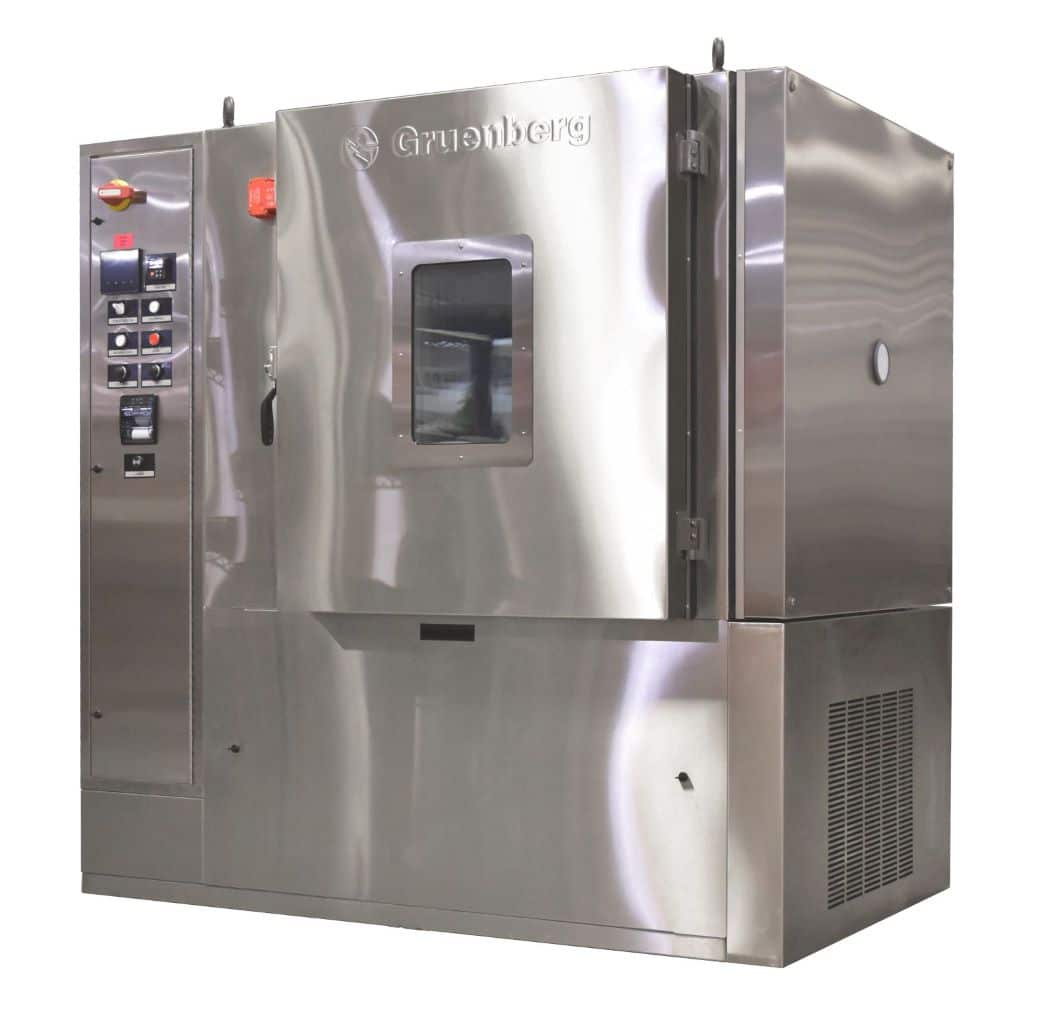
Gruenberg Single Truck Steri-Dry™ Sterilizer
QuoteProduct Highlights and Benefits
• Green Operation: Offers a more eco-friendly alternative to steam sterilizers, using only electricity and reducing total energy consumption.
• Easy Implementation: Requires no water, boiler, pit-mounting, or drain...
Add to Quote
• Green Operation: Offers a more eco-friendly alternative to steam sterilizers, using only electricity and reducing total energy consumption.
• Easy Implementation: Requires no water, boiler, pit-mounting, or drain...
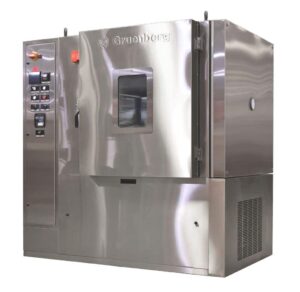
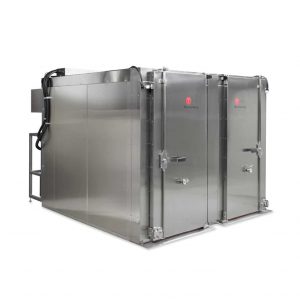
Gruenberg Multi-Truck Steri-Dry™ Sterilizer
QuoteProduct Highlights and Benefits
• Minimal infrastructure needed
• No requirement for pit, steam, water, drain, condensate return
• No building fortification to support weight
• Significantly reduced energy consumption per cycle
• 80%+ rejec...
Add to Quote
• Minimal infrastructure needed
• No requirement for pit, steam, water, drain, condensate return
• No building fortification to support weight
• Significantly reduced energy consumption per cycle
• 80%+ rejec...
Steam Sterilizers
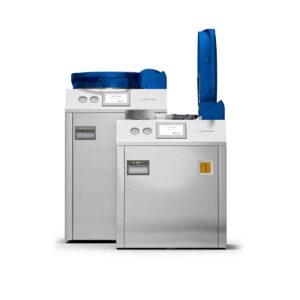
Steelco VS LD Compact Vertical Loading Sterilizer
Quote• Small Footprint
• Unrivaled capacity/footprint ratio for maximum productivity even when space is at a premium.
• Cycle Development
• Various equipment and cycle options to meet the needs of a wide range of applications.
• Independent Pres...
Add to Quote
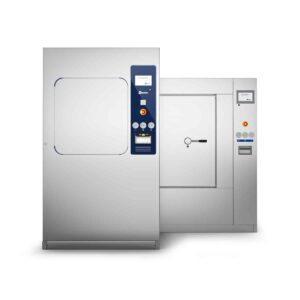
Steelco VS L – Small & Medium Capacity Steam Sterilizers – Chamber Volume from 110 to 920L / 4 to 32 cu ft
Quote• AISI 316L stainless steel chamber with high-efficiency heat transfer full jacket system for even heat distribution
• Doors internally made of stainless steel AISI 316L with no welding
• Heat insulation with durable reusable cover for fast ser...
Add to Quote

Steelco VS L – Bulk Capacity Steam Sterilizers – Chamber Volume from 920 to 9.070 L / 32 to 320 cu ft.
Quote• AISI 316L stainless steel chamber with high-efficiency heat transfer full jacket system for even heat distribution
• Doors internally made of stainless steel AISI 316L with no welding
• Heat insulation with durable reusable cover for fast ser...
Add to Quote

Consolidated Medium Lab Series Steam Sterilizers Single Chamber 30 Cu. Ft.
QuoteThe X1™ Control System:
• An intuitive user interface with modern, easy to view touchscreen display.
• Ability to program up to 50 sterilization cycles.
• Ability to favorite frequently used cycles for quick access.
• A controller platform ...
Add to Quote
This product has multiple variants. The options may be chosen on the product page
• An intuitive user interface with modern, easy to view touchscreen display.
• Ability to program up to 50 sterilization cycles.
• Ability to favorite frequently used cycles for quick access.
• A controller platform ...

Consolidated Medium Lab Series Steam Sterilizers Single Chamber 36 Cu. Ft.
QuoteThe X1™ Control System:
• An intuitive user interface with modern, easy to view touchscreen display.
• Ability to program up to 50 sterilization cycles.
• Ability to favorite frequently used cycles for quick access.
• A controller platform ...
Add to Quote
This product has multiple variants. The options may be chosen on the product page
• An intuitive user interface with modern, easy to view touchscreen display.
• Ability to program up to 50 sterilization cycles.
• Ability to favorite frequently used cycles for quick access.
• A controller platform ...
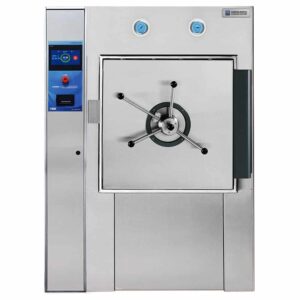
Consolidated Medium Lab Series Steam Sterilizers Single Chamber 19.2 Cu. Ft.
QuoteThe X1™ Control System:
• An intuitive user interface with modern, easy to view touchscreen display.
• Ability to program up to 50 sterilization cycles.
• Ability to favorite frequently used cycles for quick access.
• A controller platform ...
Add to Quote
This product has multiple variants. The options may be chosen on the product page
• An intuitive user interface with modern, easy to view touchscreen display.
• Ability to program up to 50 sterilization cycles.
• Ability to favorite frequently used cycles for quick access.
• A controller platform ...
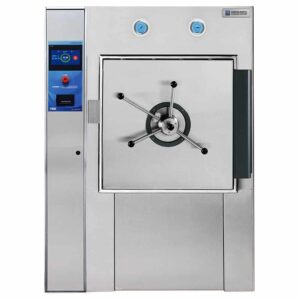
Consolidated Medium Lab Series Steam Sterilizers Single Chamber 21.8 Cu. Ft.
QuoteThe X1™ Control System:
• An intuitive user interface with modern, easy to view touchscreen display.
• Ability to program up to 50 sterilization cycles.
• Ability to favorite frequently used cycles for quick access.
• A controller platform ...
Add to Quote
This product has multiple variants. The options may be chosen on the product page
• An intuitive user interface with modern, easy to view touchscreen display.
• Ability to program up to 50 sterilization cycles.
• Ability to favorite frequently used cycles for quick access.
• A controller platform ...
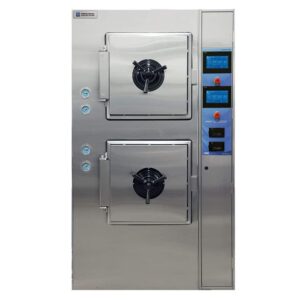
Consolidated Small Lab Series Steam Sterilizers Dual Chamber Tower Model
QuoteThe X1™ Control System:
• An intuitive user interface with modern, easy to view touchscreen display.
• Ability to program up to 50 sterilization cycles.
• Ability to favorite frequently used cycles for quick access.
• A controller platform ...
Add to Quote
This product has multiple variants. The options may be chosen on the product page
• An intuitive user interface with modern, easy to view touchscreen display.
• Ability to program up to 50 sterilization cycles.
• Ability to favorite frequently used cycles for quick access.
• A controller platform ...
Sterilization Rooms
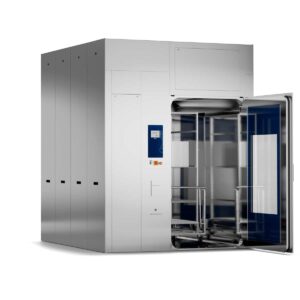
Steelco Decontamination Lock for Biomedical Research Multiple Decontamination Method Chamber
Quote• Chamber made entirely of AISI 316L stainless steel, ensuring corrosion resistance and long-lasting durability.
• Suitable for any type of existing Vapor Hydrogen Peroxide Generator, making it easy to use with your existing equipment.
• Indust...
Add to Quote
Vivarium Dry Heat Sterilizers
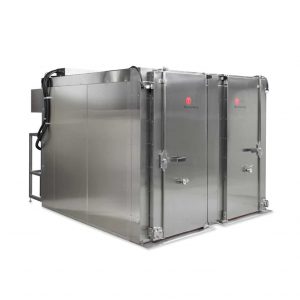
Gruenberg Multi-Truck Steri-Dry™ Vivarium Sterilizer
QuoteProduct Highlights and Benefits
• Precision Sterilization: Incorporates PRECISIONFLO® Full Focused Airflow for even heat distribution and HEPA Filters for superior air filtration in your animal research vivarium.
• Versatile and Customizable: En...
Add to Quote
• Precision Sterilization: Incorporates PRECISIONFLO® Full Focused Airflow for even heat distribution and HEPA Filters for superior air filtration in your animal research vivarium.
• Versatile and Customizable: En...
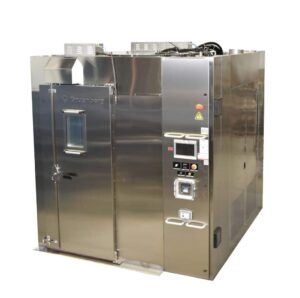
Gruenberg Single Truck Steri-Dry™ Vivarium Sterilizer
QuoteBENEFITS
• Greener than steam sterilizers, with lower total energy consumption
• Uses only one utility – electricity
• No water, no boiler, no pit-mounting, no drain
• Lower cost to implement, operate and maintain than steam sterilizers •...
Add to Quote
• Greener than steam sterilizers, with lower total energy consumption
• Uses only one utility – electricity
• No water, no boiler, no pit-mounting, no drain
• Lower cost to implement, operate and maintain than steam sterilizers •...
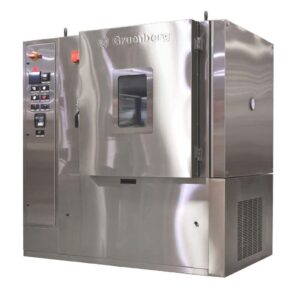
Gruenberg Cabinet Style Steri-Dry™ Vivarium Lab Sterilizer
QuoteKey Features:
• Maximum temperature of 340°F
• Heavy-duty, fully welded structural steel frame
• Exterior constructed of 18-gauge Type 304 L stainless steel with a #4 polish to withstand frequent wash downs
• Direct drive circulation system ...
Add to Quote
• Maximum temperature of 340°F
• Heavy-duty, fully welded structural steel frame
• Exterior constructed of 18-gauge Type 304 L stainless steel with a #4 polish to withstand frequent wash downs
• Direct drive circulation system ...
Other Sterilizers and Autoclaves Products
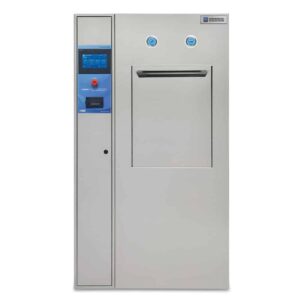
Consolidated EZ-Glide™ ™ Vertical Sliding Door Lab Series Steam Sterilizers
QuoteEZ-Glide™Sliding Door:
• The EZ-Glide™ sliding door steam sterilizer simplifies chamber access with a sliding counterbalanced door that seals safely against an air actuated non-stick gasket.
• The gasket is recessed into a precision-machined ...
Add to Quote
This product has multiple variants. The options may be chosen on the product page
• The EZ-Glide™ sliding door steam sterilizer simplifies chamber access with a sliding counterbalanced door that seals safely against an air actuated non-stick gasket.
• The gasket is recessed into a precision-machined ...
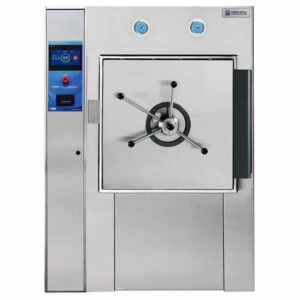
Consolidated Small Lab Series Steam Sterilizers Single Chamber 3.9 Cu. Ft.
QuoteThe X1™ Control System:
• An intuitive user interface with modern, easy to view touchscreen display.
• Ability to program up to 50 sterilization cycles.
• Ability to favorite frequently used cycles for quick access.
• A controller platform ...
Add to Quote
This product has multiple variants. The options may be chosen on the product page
• An intuitive user interface with modern, easy to view touchscreen display.
• Ability to program up to 50 sterilization cycles.
• Ability to favorite frequently used cycles for quick access.
• A controller platform ...

Consolidated Small Lab Series Steam Sterilizers Single Chamber 8.8 Cu. Ft.
QuoteThe X1™ Control System:
• An intuitive user interface with modern, easy to view touchscreen display.
• Ability to program up to 50 sterilization cycles.
• Ability to favorite frequently used cycles for quick access.
• A controller platform ...
Add to Quote
This product has multiple variants. The options may be chosen on the product page
• An intuitive user interface with modern, easy to view touchscreen display.
• Ability to program up to 50 sterilization cycles.
• Ability to favorite frequently used cycles for quick access.
• A controller platform ...

Consolidated Small Lab Series Steam Sterilizers Single Chamber 12 Cu. Ft.
QuoteThe X1™ Control System:
• An intuitive user interface with modern, easy to view touchscreen display.
• Ability to program up to 50 sterilization cycles.
• Ability to favorite frequently used cycles for quick access.
• A controller platform ...
Add to Quote
This product has multiple variants. The options may be chosen on the product page
• An intuitive user interface with modern, easy to view touchscreen display.
• Ability to program up to 50 sterilization cycles.
• Ability to favorite frequently used cycles for quick access.
• A controller platform ...

Consolidated Small Lab Series Steam Sterilizers Single Chamber 16 Cu. Ft.
QuoteThe X1™ Control System:
• An intuitive user interface with modern, easy to view touchscreen display.
• Ability to program up to 50 sterilization cycles.
• Ability to favorite frequently used cycles for quick access.
• A controller platform ...
Add to Quote
This product has multiple variants. The options may be chosen on the product page
• An intuitive user interface with modern, easy to view touchscreen display.
• Ability to program up to 50 sterilization cycles.
• Ability to favorite frequently used cycles for quick access.
• A controller platform ...

Consolidated Small Lab Series Steam Sterilizers Single Chamber 15.25 Cu. Ft.
QuoteThe X1™ Control System:
• An intuitive user interface with modern, easy to view touchscreen display.
• Ability to program up to 50 sterilization cycles.
• Ability to favorite frequently used cycles for quick access.
• A controller platform ...
Add to Quote
This product has multiple variants. The options may be chosen on the product page
• An intuitive user interface with modern, easy to view touchscreen display.
• Ability to program up to 50 sterilization cycles.
• Ability to favorite frequently used cycles for quick access.
• A controller platform ...
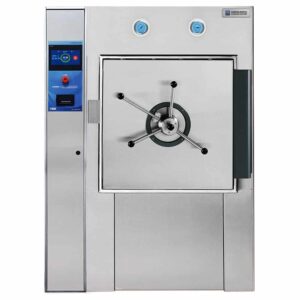
Consolidated Medium Lab Series Steam Sterilizers Single Chamber 18 Cu. Ft.
QuoteThe X1™ Control System:
• An intuitive user interface with modern, easy to view touchscreen display.
• Ability to program up to 50 sterilization cycles.
• Ability to favorite frequently used cycles for quick access.
• A controller platform ...
Add to Quote
This product has multiple variants. The options may be chosen on the product page
• An intuitive user interface with modern, easy to view touchscreen display.
• Ability to program up to 50 sterilization cycles.
• Ability to favorite frequently used cycles for quick access.
• A controller platform ...

Consolidated Medium Lab Series Steam Sterilizers Single Chamber 24 Cu. Ft.
QuoteThe X1™ Control System:
• An intuitive user interface with modern, easy to view touchscreen display.
• Ability to program up to 50 sterilization cycles.
• Ability to favorite frequently used cycles for quick access.
• A controller platform ...
Add to Quote
This product has multiple variants. The options may be chosen on the product page
• An intuitive user interface with modern, easy to view touchscreen display.
• Ability to program up to 50 sterilization cycles.
• Ability to favorite frequently used cycles for quick access.
• A controller platform ...