


Cage, Rack and Bottle Washers
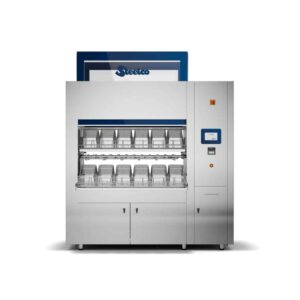
Steelco AC 1500 Cage and Bottle Washer – The Ultimate Facility Solution
QuoteSteelco AC 1500 Cage and Bottle Washer – Product Highlights
High-throughput processing capacity of up to 320 mouse cages per hour makes this washer ideal for medium-sized facilities or as a backup unit for lar...
Add to Quote
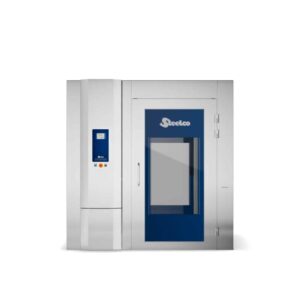
Steelco AC 7500 Cage and Rack Washer – Hinged Door
Quote• Heavy-duty, large capacity washer specifically designed for medium and large-size biomedical research facilities.
• Versatile layout configurations including floor or pit mounted, single or double door pass-through versions, with full glass or ...
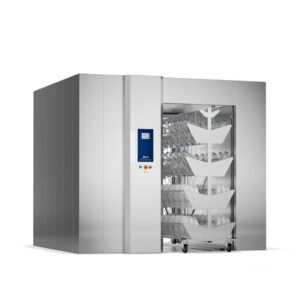
Steelco AC 8500 Cage and Rack Washer – Sliding Door
Quote• Environmental Sustainability: Running cost savings of up to 95% compared to conventional designs, including 75% time savings, 95% water savings, and 95% energy savings.
• Flexible Hydraulic Configurations: Hydraulic circuit available with a sin...
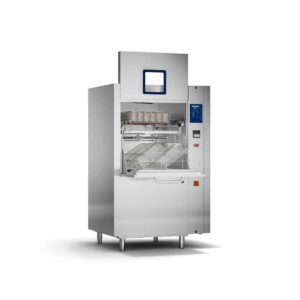

Steelco AC 1300 – AC 1400 Cabinet Cage and Bottle Washers
Quote• The AC 1300 and AC 1400 are large-size cabinet washers designed specifically for washing and sanitizing all types of animal care equipment in vivariums
• Equipped with a vertical sliding loading door, these washers offer the highest levels of c...
cGMP Sterilization & Decontamination Solutions
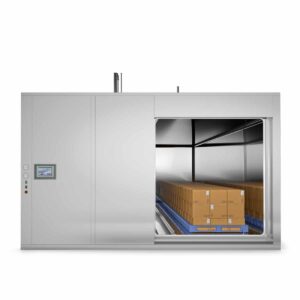
Steelco AGS Series Ethylene Oxide Sterilizer
Quote• Flexible Solutions: Chamber sizes for 1 to 32 pallets, with customization options available to meet customer-specific needs and requirements.
• Safe Door Closure: Hermetic closure ensured by a pressure-sealing device with automatic tie-rods, an...
Add to Quote
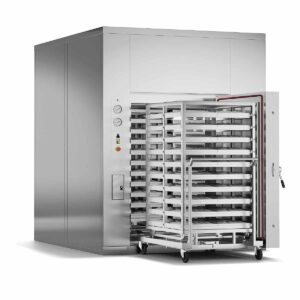
Steelco EG Series Hot Air Drying Oven
Quote• Industry Experience: Steelco's extensive expertise in the pharmaceutical, nutraceutical, cosmetic, and food industries ensures optimal performance and results.
• Optimized Drying: The EG Series ensures effective, uniform, and gentle drying of m...
Add to Quote
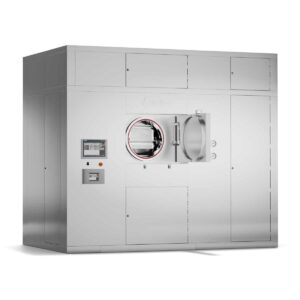
Steelco SPE Series Pharma Grade Closure Processing Equipment
Quote• Ultimate Sterile Continuity Solution: Steelco's SPE Series Pharma Grade Closure Processing Systems cater to the pharmaceutical industry's strict sterility requirements with a seamless all-in-one solution.
• Comprehensive Treatment Phases: Pre-t...
Add to Quote
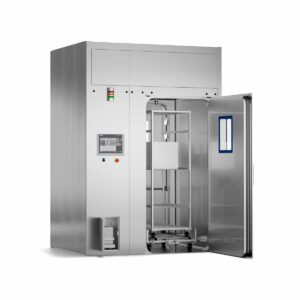
Steelco DHP Series Decontamination Air Locks with VH2O2
Quote• Comprehensive turnkey solution for bio-decontamination of heat-sensitive equipment
• Ideal for transferring various items between classified areas, ensuring VH2O2 compatibility
• Single or double door versions with stainless steel hinged door...
Add to Quote

Steelco AMS Series Pharma Grade Steam-Air Mixture Sterilizers
Quote• Advanced Steam-Air Mixture Technology: Ultimate autoclave solution for terminal sterilization with optimal performance.
• Designed for Pharma-Grade Materials: Engineered to treat heat-sensitive materials and products requiring prompt handling a...
Add to Quote

Steelco ASW Series Pharma Grade Superheated Water Sterilizers
Quote• Cutting-edge autoclave solution: Steelco's ASW Superheated Water Sterilizer is designed for terminal sterilization of injectable solutions, ensuring protection for delicate materials and containers.
• Perfect for heat-sensitive containers: Idea...
Add to Quote
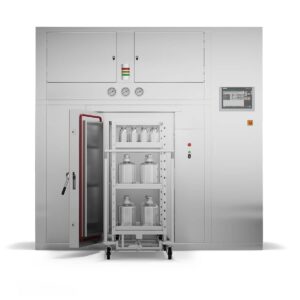
Steelco SD Series Pharma Grade Depyrogenation Ovens
Quote• ISO 14644-1 Class 5: Steelco's SD Series Class 100 Static Depyrogenation Sterilizers meet the most demanding pharmaceutical requirements.
• Versatile sterilization: Perfect for sterilizing and depyrogenating heat-resistant materials such as bot...
Add to Quote
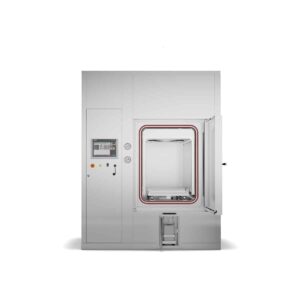
Steelco AVD Series Pharma Grade Saturated Steam Sterilizer and Bio-Decontamination with VH2O2
QuoteIntroducing the AVD Series: Pharma Grade Saturated Steam Sterilizer with VH2O2 Bio-Decontamination
• Save space and operating costs with a multipurpose unit for efficient sterilization and decontamination
• Customized to your specifications for o...
Add to Quote
cGMP Washing Systems
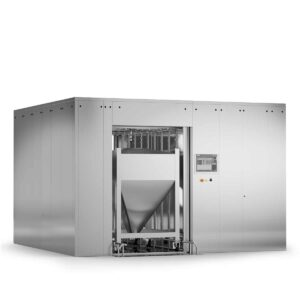
Steelco LC PH Series Pharmaceutical Grade Rack / Bin / Large Parts Washer
Quote• Large chamber capacity: 4,250 to 10,500 liters (150 to 370 cu ft)
• Customizable configurations: single or double door pass-through, various layouts, and door styles
• Cross-contamination prevention: double door pass-through barrier system
â€...
Add to Quote

Steelco Pharmaceutical Washing Carts and Trolleys
Quote• Trusted by leading Pharma companies: Steelco is the go-to choice for critical equipment cleaning
• Tailored solutions: Customized to meet the highest industry standards in pharmaceutical production
• In-house wash rack design and manufacturin...
Add to Quote

Steelco DS Optima PH Compact GMP Washing Machine
Quote• Compact Size & GMP Compliance: Preserve valuable GMP manufacturing space with the smallest available footprint in a pharma-grade washer.
• Versatile Configuration: Available in single or passthrough double door options with a hinged full glass ...
Add to Quote
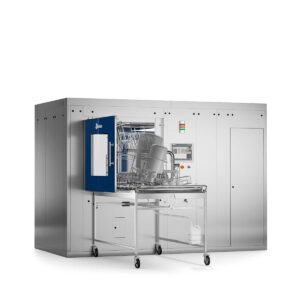
Steelco DS PH Series Pharma Grade Parts and Glassware Washers
Quote• Exceptional Throughput & Efficiency: Expertly engineered for validatable cleaning and drying of a wide range of materials and components in Biotechnology and Pharmaceutical Manufacturing processes.
• Versatile Configurations: Choose from single...
Detergents
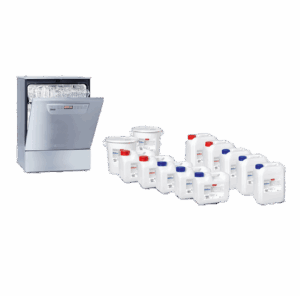
Miele ProCare Lab Detergents for Glassware Washers
Quote• Thorough Cleaning: ProCare Lab ensures excellent cleaning results, providing the best possible protection for the items being reprocessed.
• Gentle on Materials: Specially formulated to be gentle on high-quality laboratory glassware, minimizing...
Drying Cabinets
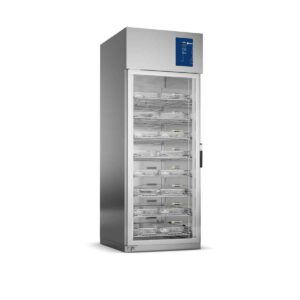
Steelco ID 300 Instrument Drying Cabinet
Quote• High Capacity: Accommodates up to 16 DIN 1/1 trays on eight shelves, optimizing space and streamlining the drying process.
• HEPA 14 Filtered Airflow: Maintains a controlled and hygienic environment, ensuring secure storage of instruments and e...
Add to Quote

Steelco AD 400 A Mixed Solution Drying Cabinet
Quote• Versatile and Reliable: The AD 400 Mixed Solution Drying Cabinet offers rapid drying for instruments, anesthesia bags, and hanging hoses, making it essential for modern healthcare and laboratory environments.
• High Capacity: Accommodates up to...
Add to Quote
Glassware Dryers
Steelco EG Series Hot Air Drying Oven
Quote• Industry Experience: Steelco's extensive expertise in the pharmaceutical, nutraceutical, cosmetic, and food industries ensures optimal performance and results.
• Optimized Drying: The EG Series ensures effective, uniform, and gentle drying of m...
Add to Quote

Steelco LAB Dryer Compact Underbench Glassware Dryer
Quote• Lab Dryer is an under-counter glassware dryer suitable for a wide range of laboratory glassware
• Specially designed to work in conjunction with the LAB 500 series
• Two separate drying injection connections allow the use of all the dedicated...
Glassware Washers
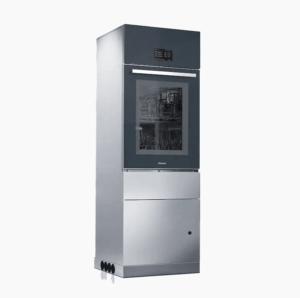
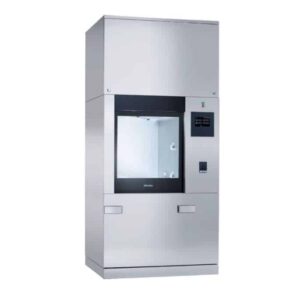
Miele PLW 8617 208V Laboratory glassware washer
QuotePerformance/cycle, e.g., 216 laboratory flasks, 588 vials, or 294 pipettes
Flexible and simple – modular load carriers & SimpleLoad system
Efficient – high pump performance with the variable-speed pump
Reliable results – spray arm monitorin...
Add to Quote
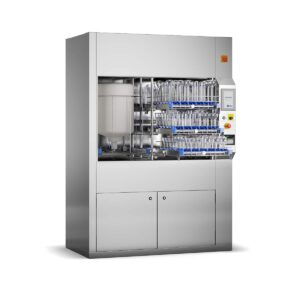
Steelco LAB 1500 High Capacity Laboratory Glassware Washer and Dryer
Quote• High capacity glassware washer and dryer suitable for daily use in large laboratories.
• Full visibility motorized space-saving sliding down door for convenience and space-saving.
• Capable of injection washing on up to 6 levels with 8 possib...
Add to Quote
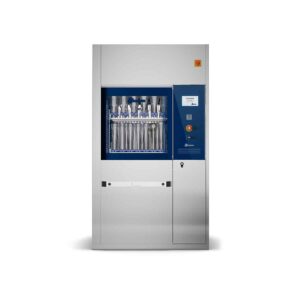
Steelco LAB 1000 High Capacity Pass-Through Double Door Glassware Washer
Quote• High and Flexible Capacity: Washing and drying system on up to 3 independent levels, providing a high capacity solution for laboratories that require cleaning large quantities of items on a daily basis. The unit is able to treat carboys and large...
Add to Quote
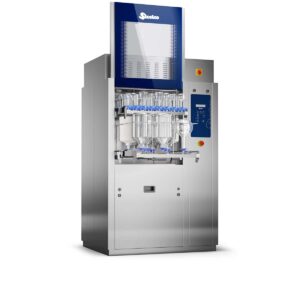
Steelco LAB 900 High Capacity Sliding-up Door Glassware Washer
Quote• High-capacity laboratory glassware washer for demanding laboratories.
• Capable of cleaning bottles and carboys up to 100 lt / 22 Gal US.
• Electrical or steam heated.
• Injection washing and drying on up to 3 levels with 4 different rack l...
Add to Quote
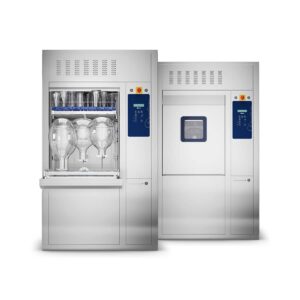
Steelco LAB 660 – LAB 680 High Capacity Swing Door Glassware Washers
Quote• High capacity frontal loading glassware washers designed for medium and large facilities.
• The LAB 660 and LAB 680 can clean bottles up to 100 lt / 22 Gal US capacity.
• LAB 660 has up to 3 levels and LAB 680 has up to 4 levels with 5 possib...
Add to Quote
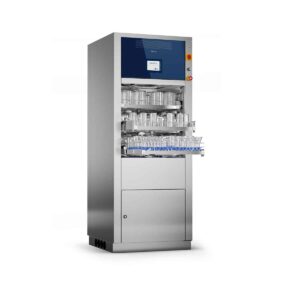
Steelco LAB 640 SL Freestanding Glassware Washer – for Medium and Large Size Laboratories
QuoteKey Features:
• Flexible Solutions: Washing and drying (option available) system on up to three levels with four possible rack locations providing maximum flexibility.
• Process Quality: Flow meter for accurate volumetric dosing of chemicals and ...
Add to Quote
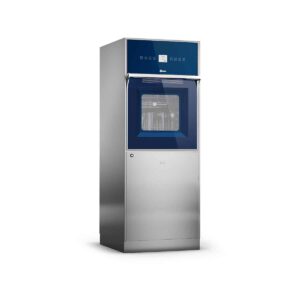
Steelco LAB 600 Hinged Door Medium Capacity Glassware Washers
Quote• Large capacity frontal loading glassware washer designed for medium-sized laboratories
• Injection washing and drying on 2 independent levels with 3 possible rack locations, providing maximum flexibility and multiple chamber configurations
• ...
Add to Quote
Trolley Washer Disinfectors
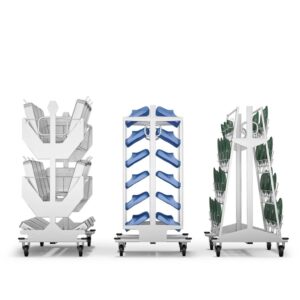

Steelco LC 20 Compact Trolley Washer Disinfector
Quote• Compact and Versatile: Designed specifically for CSSD configurations where space is limited.
• Smallest Footprint: Offers the smallest footprint in the market for trolley and cart washers.
• Frontal Access: Easy access to all major service co...

Steelco LC 80 High-Capacity Trolley Washer Disinfector
Quote• Environmental Sustainability: The LC 80 features an efficient recovery system that saves water, energy, and chemicals. With the option to install additional water and energy recovery systems, this washer-disinfector maximizes its capabilities for...
Add to Quote

Steelco LC 80 BOT Wide Chamber Washer Disinfector for Beds and Operating Tables
Quote• High-Capacity Washer-Disinfector: Designed for exceptional cleaning and disinfection of various items, including instrument containers, lids, plastic crates, basins, surgical instruments, case carts, transport trolleys, storage trolleys, waste tr...
Tunnel Washers
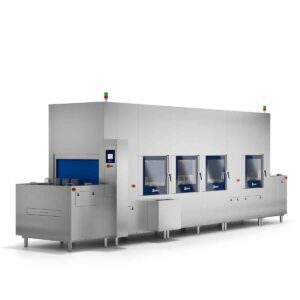
Steelco AC 3500 Automated Modular Tunnel Washer – Multiple Sizes
Quote• Hygienic Design: The washer features a high-quality AISI 316 L chamber and doors combined with an AISI 304 external body, ensuring long-term reliability and maximum cleanliness.
• High Productivity: With outstanding washing and rinsing performa...
Washer Decontaminator
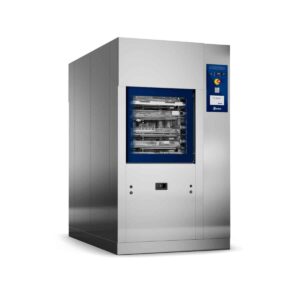
Steelco TW 3000/2 Smart Tunnel Double Chamber Washer Disinfector
Quote• Fully Automatic Double Chamber: Optimizes CSSD reprocessing capabilities, increasing productivity up to 62 DIN 1/1 trays per hour
• High Performance & Small Footprint: Best-in-class productivity/space and productivity/cost ratios
• Two-Chambe...
Add to Quote
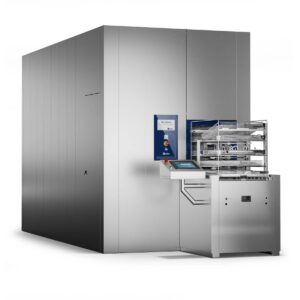
Steelco TW 3000 Multichamber Multi Chamber Washer Disinfector
Quote• High Capacity Processing: Efficiently handles up to 18 DIN 1/1 net trays per cycle, meeting the demands of high-volume facilities.
• Independent Chambers: Simultaneous processing of multiple cycles improves throughput and overall efficiency.
â€...
Add to Quote

Steelco PWD 86 Series Washer Disinfectors – Up to 18 DIN Trays
Quote• Flexible Solutions: Choose from 900 mm and 1150 mm width models that share the same wash racks and modules for seamless integration.
• Space-Saving Concept: Fewer racks and modules help save valuable space in your busy CSSD without compromising...
Add to Quote
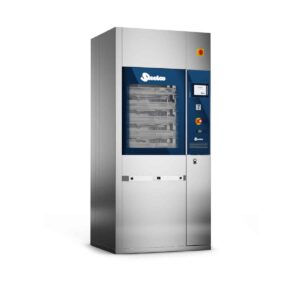
Steelco DS 800 Series Washer Disinfectors – up to 12 DIN Trays
Quote• Processing Capacity: Up to 12 DIN trays, catering to the growing reprocessing needs of your CSSD.
• HEPA-Filtered H14 Forced Air Drying: Perfect air distribution across all chamber parts and basket levels for complete inside and outside drying ...
Add to Quote
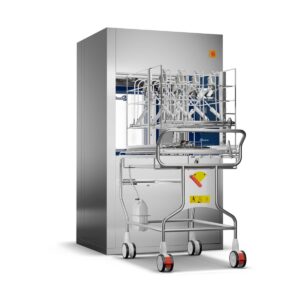
Steelco DS 1000 Series Washer Disinfectors – up to 18 DIN Trays
Quote• Advanced Washing Pumps: Vertically installed recirculation pump maintains constant, high flow rate pressure for excellent washing results.
• Space-Saving Sliding Down Door: Motorized sliding down double HST tempered glass door with safety devic...
Add to Quote
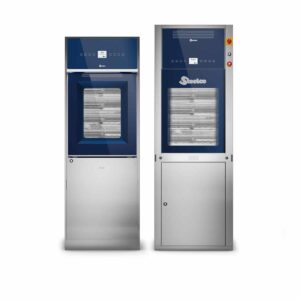
Steelco DS 610 Series Washer Disinfectors – up to 10 DIN trays
Quote• Flexible Solutions: Tailored to your needs, capable of processing up to 10 DIN trays
• Excellent Washing Results: Dual washing pumps ensure a high water flow rate and effective spray pressure
• Effective Thermal Disinfection: Adjustable washi...
Add to Quote
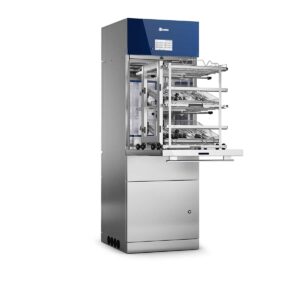
Steelco DS 610 G2 Series Washer Disinfectors for Clinics and Mid-sized CSSDs – 12 DIN trays
Quote• Flexible Solutions: Freestanding or barrier-mounted options with electrical, steam, or mixed heating
• Drying Efficacy: Built-in HEPA 14 filtered forced air drying system for even and fast drying of glassware; adjustable time and temperature se...
Add to Quote
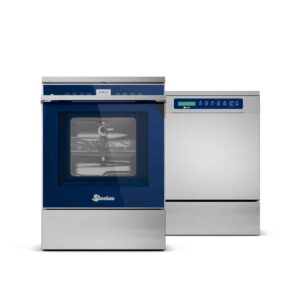
Steelco DS 500 Series Underbench Washer Disinfectors
Quote• Space-saving design perfect for installations where space is at a premium
• Ideal for washing and thermal disinfection of dental and surgical instruments
• Processing capacity of up to 8 DIN trays
• Utilizes washing technology similar to hi...
Add to Quote
Zebrafish and Aquatics Washers

Steelco Compact Underbench Washer for Zebrafish Tanks and Aquatics Research
QuoteKey Features of AQUA 500 Series Washers:
• Perfectly suited for compact and mid-sized zebrafish and aquatics research centers.
• Advanced lab washers employing washing technology akin to high-capacity devices.
• Superior adaptability, impeccab...
Add to Quote
• Perfectly suited for compact and mid-sized zebrafish and aquatics research centers.
• Advanced lab washers employing washing technology akin to high-capacity devices.
• Superior adaptability, impeccab...
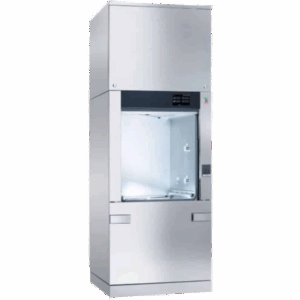
Miele Large-Capacity Washer for Zebrafish Tanks and Aquatics Research
QuoteProduct Highlights
• Miele Professional's Glassware Washer: Specifically tailored for the detailed demands of Zebrafish research.
• Comprehensive Accessory Range: Equipped with mobile units, baskets, modules, and inserts, ensuring versatility in ...
Add to Quote
• Miele Professional's Glassware Washer: Specifically tailored for the detailed demands of Zebrafish research.
• Comprehensive Accessory Range: Equipped with mobile units, baskets, modules, and inserts, ensuring versatility in ...
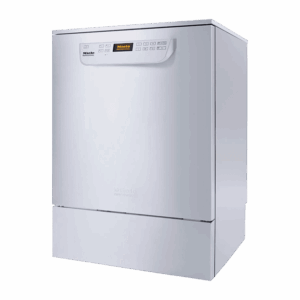
Miele Medium-Capacity Laboratory Washer for Zebrafish Tanks and Aquatics Research
QuoteProduct Highlights
• Miele Professional's PG 8583LD Laboratory Glassware Washer: A dedicated washer designed for Zebrafish and Aquatics research.
• DI water connection: This feature enhances the cleaning process, especially in environments where ...
Add to Quote
• Miele Professional's PG 8583LD Laboratory Glassware Washer: A dedicated washer designed for Zebrafish and Aquatics research.
• DI water connection: This feature enhances the cleaning process, especially in environments where ...

Steelco Cabinet Washer for Zebrafish Tanks and Aquatics Research Applications
QuoteIdeal for zebrafish and aquatics research environments.
• Equipped with an automated vertical sliding door made of dual-layer HST tempered glass for uninterrupted process visibility.
• Choose between single or dual-door configurations.
• Provid...
Add to Quote
• Equipped with an automated vertical sliding door made of dual-layer HST tempered glass for uninterrupted process visibility.
• Choose between single or dual-door configurations.
• Provid...
Other Washers and Dryers Products
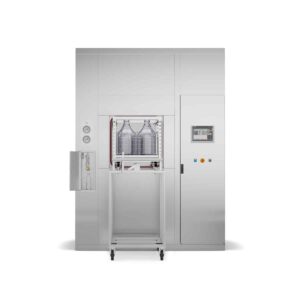
Steelco AV Series Pharma Grade Saturated Steam Sterilizers
Quote• Ultimate sterilization solution: Eliminates viruses and bacterial spores from equipment
• Over 30 years of experience: Steelco Group offers diverse, tailored sterilizers for various applications
• Custom-built AV Series units: High standard a...
Add to Quote
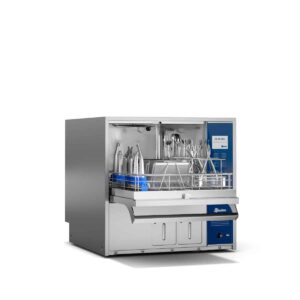
Steelco DS 50 Series Compact Tabletop Washer Disinfectors
Quote• Efficient Washing: Heavy washing pump ensures high flow rate and effective spray pressure for optimal cleaning performance
• Thermal Disinfection: Washing and disinfection temperatures fully adjustable up to 93°C / 199 F with temperature monit...
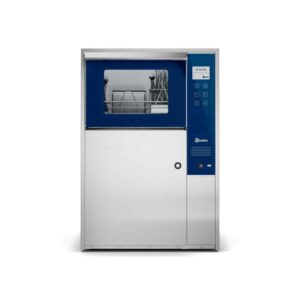
Steelco DS 50 HDRS Underbench or Free-Standing Washer Disinfector
Quote• Ideal aid for cleaning, thermal disinfection, and drying of dental and surgical instruments
• Processing capacity of one DIN tray
• Designed for free positioning or easy integration under the counter
• High visibility full glass door
• Us...

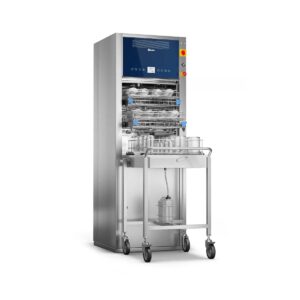
Steelco LAB 610 Series Hinged or Sliding door Medium Capacity Glassware Washers
Quote• Large capacity laboratory glassware washers designed for medium-to-large scientific laboratories
• Choose between two models: LAB 610 with hinged full glass manual door and LAB 610 SL with motorized vertical sliding down door
• Electrical or ...
Add to Quote

Miele PLW 6111 208V Laboratory glassware washer
Quote[vc_row][vc_column][vc_column_text]Performance/cycle 126 narrow-neck glasses or 121 pipettes – 7.42 (210) l capacity
Ergonomic loading and unloading – telescopic runners
Flexible – 4 different level positions
Everything in view thanks to the fu...
Add to Quote
This product has multiple variants. The options may be chosen on the product page

Miele PLW 8616 208V Laboratory glassware washer
QuotePerformance/cycle, e.g., 216 laboratory flasks, 588 vials, or 294 pipettes Flexible and simple – modular load carriers & SimpleLoad system
Efficient – high pump performance with the variable-speed pump, Double Door
Reliable results – spray arm ...
Add to Quote
This product has multiple variants. The options may be chosen on the product page
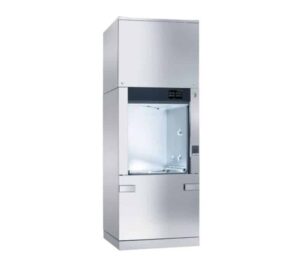
Miele PLW 8615 208V Laboratory glassware washer
QuotePerformance/cycle, e.g., 216 laboratory flasks, 588 vials, or 294 pipettes
Flexible and simple – modular load carriers & SimpleLoad system
Efficient – high pump performance with the variable-speed pump
Reliable results – spray arm monitoring an...
Add to Quote
This product has multiple variants. The options may be chosen on the product page
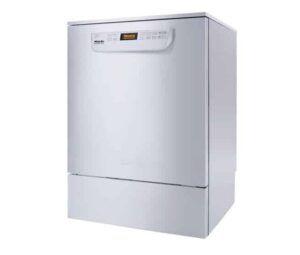
Miele PG 8583 208V Undercounter laboratory glassware washer
QuoteMiele PG 8583 – Product Highlights
High-capacity undercounter glassware washer processes up to 128 laboratory flasks or 98 pipettes per cycle with additional stacking options, delivering the throughput that high...
Add to Quote
This product has multiple variants. The options may be chosen on the product page
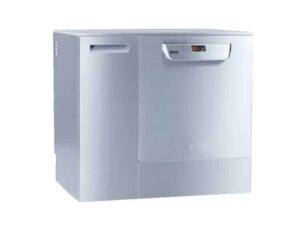
Miele PG 8583CD 208V Undercounter laboratory glassware washer
QuoteGlassware washer with DI water & DryPlus function. Perf./cycle, e.g., 128 laboratory flasks Efficient use of resources - variable speed heater pump Safety - Wash pressure, spray arm and conductivity monitoring Efficient hot air drying - DryPlus Condu...
Add to Quote

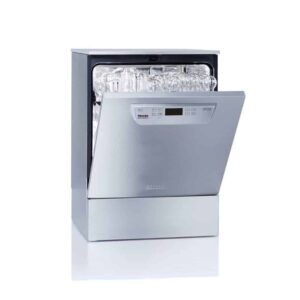
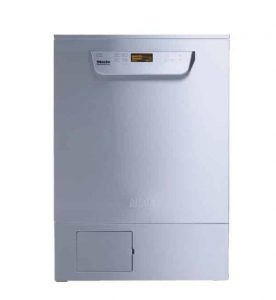
Miele PG 8593 208V Undercounter laboratory glassware washer
QuoteGlassware washer with liquid dispensing, DI water & DryPlus function. Perf./cycle, e.g., 128 laboratory flasks Efficient use of resources - variable speed heater pump Safety - Wash pressure, spray arm and conductivity monitoring Efficient hot air...
Add to Quote